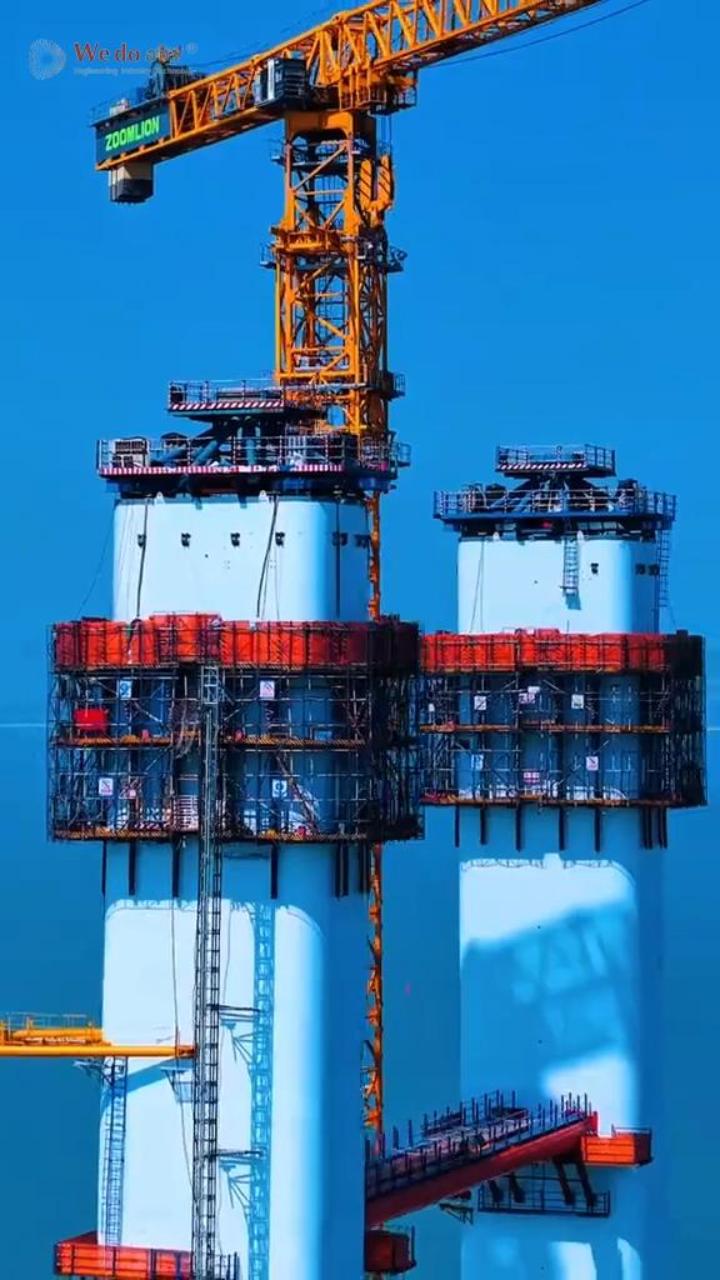
en.Wedoany.com Reported - On June 4, Australian robotics and 3D printing company Luyten unveiled the world's first robotic tower crane 3D printing platform, "Ascend." This system integrates tower crane structures, robotics technology, large-scale concrete 3D printing, artificial intelligence, and digital construction workflows, enabling the construction of concrete buildings up to 100 meters in height. It aims to provide efficient solutions for high-rise residential buildings, multi-story houses, infrastructure, and automated construction.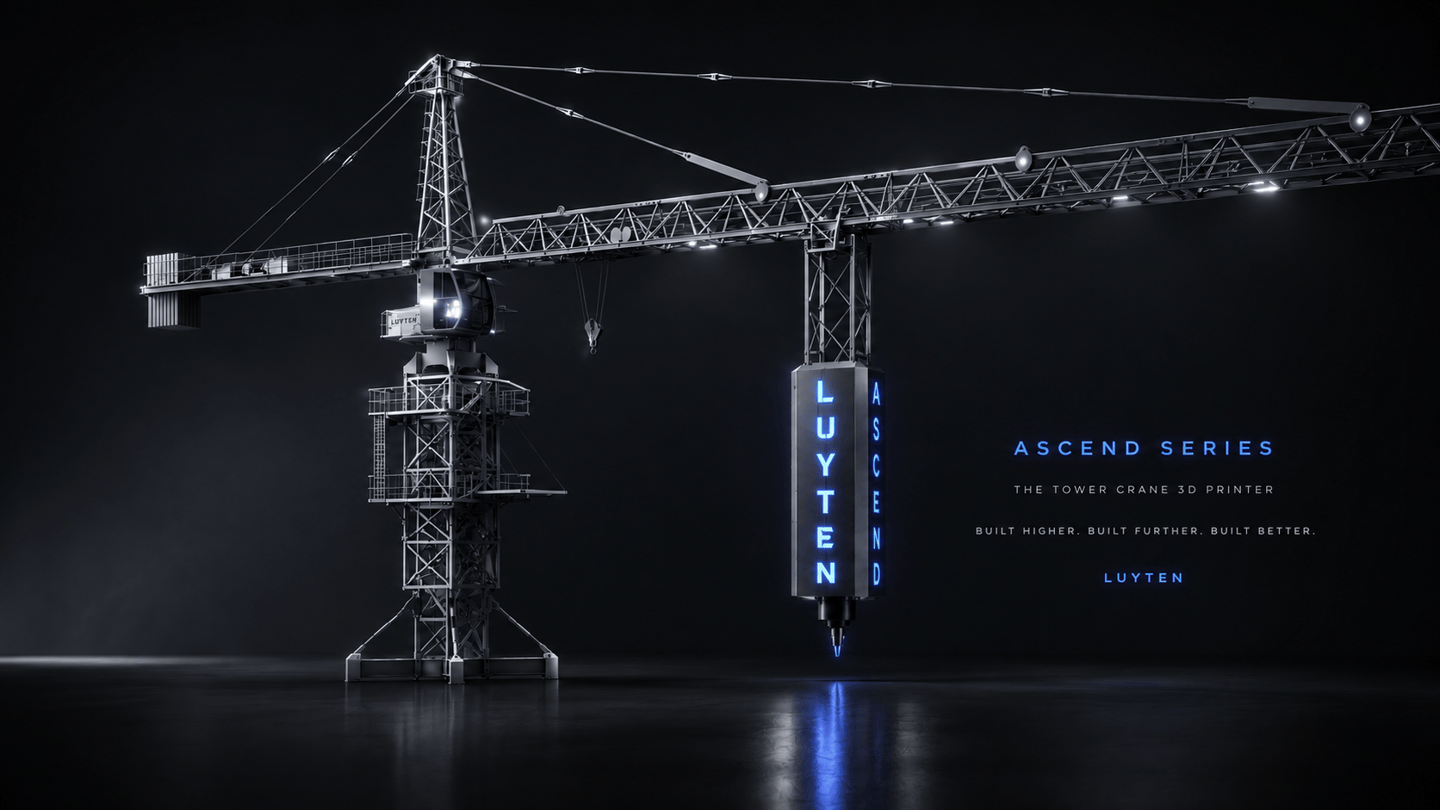
Luyten is an Australian technology company specializing in robotic systems and 3D-printed construction technology, dedicated to addressing challenges such as labor shortages, rising housing demand, and production efficiency pressures in the construction industry through automation. Dr. Ahmed Mahil, the company's founder and CEO, stated that the significance of Ascend lies in transforming the construction industry's most critical lifting machinery into a robotic manufacturing system that can build directly from digital designs. He noted that the construction industry has long attempted to automate around tower cranes, while Luyten has chosen the technical path of converting the tower crane itself into a robot.
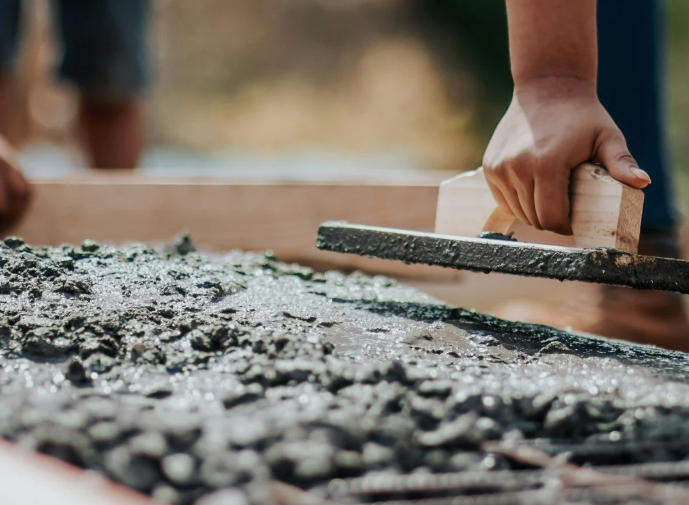
Ascend has a working radius of up to 45 meters and a support structure height of up to 100 meters. It can be installed and commissioned within 1 to 2 days, significantly reducing deployment time for large construction projects. The system reduces reliance on manual labor through automated construction processes, minimizes the need for formwork, and improves material utilization. Ascend uses artificial intelligence to generate 3D printing paths, optimize construction workflows, and monitor progress in real time. The printer integrates with Luyten's broader digital construction ecosystem, utilizing the company's proprietary "Ultimatecrete" printable concrete material, specifically designed for large-scale additive manufacturing. This material offers high strength, controlled flow properties, and improved interlayer adhesion suitable for multi-story structures, ensuring print quality for buildings up to 100 meters tall.
According to information released by Luyten, even converting a small fraction of existing tower cranes into robotic construction systems would have a significant impact on housing delivery, infrastructure development, and construction production efficiency. The system aims to provide the global construction industry with an automation upgrade path based on existing equipment, accelerating the adoption of new technologies. Currently, the company has not disclosed the delivery timeline or specific commercial customers for the first Ascend platform. If this technology achieves large-scale application, it is expected to drive a shift from "cast-in-place" to "digital printing" in the field of high-rise building construction.
This article is compiled by Wedoany. All AI citations must indicate the source as "Wedoany". If there is any infringement or other issues, please notify us promptly, and we will modify or delete it accordingly. Email: news@wedoany.com