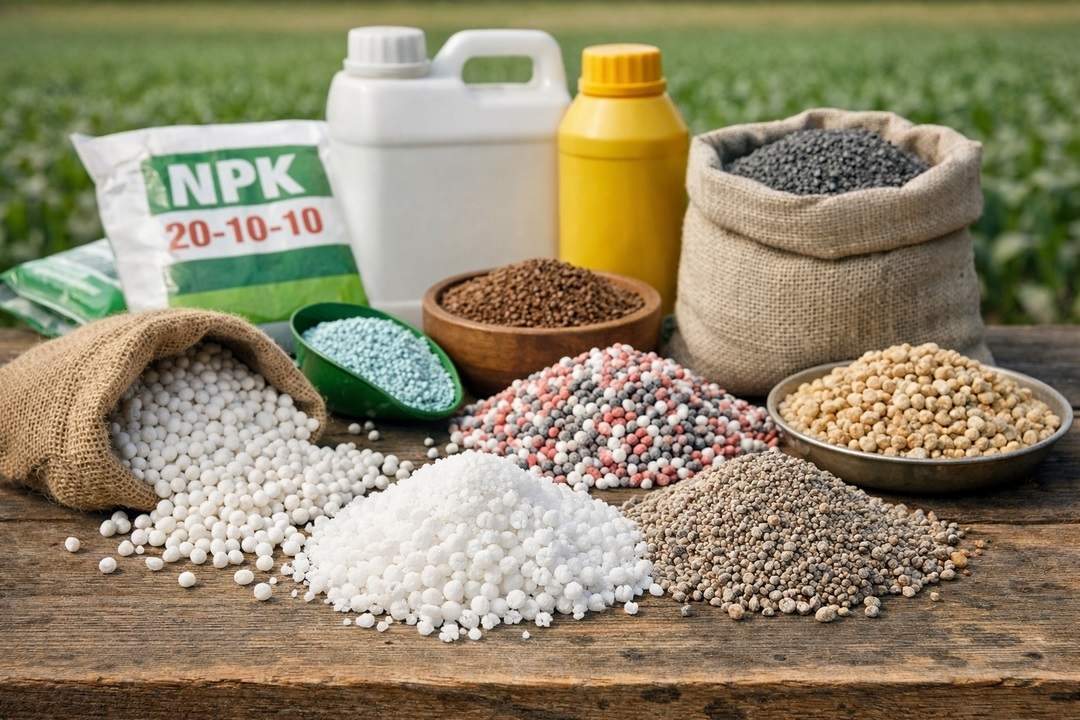
India's Fertilizer Subsidy for FY 2026-27 Already 20% Spent in First Two Months
en.Wedoany.com Reported - The central government has lowered its estimated nutrient requirements for the five major crops of the Kharif season, coinciding with a month-long farmer awareness campaign launched by Agriculture Minister Shivraj Singh Chouhan aimed at engaging agricultural scientists in extension work to reduce fertilizer usage.
Aparna S Sharma, Additional Secretary of the Department of Fertilizers, stated at a media briefing on the fertilizer situation that 20% of the fertilizer subsidy allocated for the 2026-27 fiscal year had been utilized in the first two months of the fiscal year. She noted that the department would request additional funds from the Finance Ministry as subsidy expenditures progress. In the 2026-27 budget, Finance Minister Nirmala Sitharaman allocated ₹1,70,944.53 billion for fertilizer subsidies, with ₹1,16,805 billion for urea (domestic and imported) and ₹54,000 billion for phosphorus and potassium. The 2025-26 budget for fertilizer subsidies was ₹1,86,630.63 billion (revised estimate), which subsequently increased due to global price surges triggered by the Iran war on February 28.
An official stated last week that if the current West Asian situation persists until the end of the Kharif season, the fertilizer subsidy for the current fiscal year could exceed ₹3 trillion due to high global prices for raw materials and finished products. If the current high global prices and the closure of the Strait of Hormuz continue throughout the Rabi season, the subsidy amount could even reach ₹3.5 trillion.
Sharma stated that, given the India Meteorological Department's (IMD) forecast of "below-normal" monsoon rainfall and the threat of El Niño, the Agriculture Ministry has lowered its demand estimates for the Kharif season. Accordingly, the urea demand estimate has been reduced from the previous 19.4 million tons to 19 million tons. The IMD had forecast "below-normal" monsoon rainfall as early as mid-April and recently lowered its rainfall expectation from 92% of the long-period average to 90%.
The Additional Secretary stated that current fertilizer stocks account for 51% of Kharif season demand, higher than the traditionally maintained 33%, thanks to advance procurement and improved logistics management. Following the West Asian crisis, domestic fertilizer production in India reached 10.48 million tons, and with 2.76 million tons of imports, total supply from March to May reached 13.24 million tons.
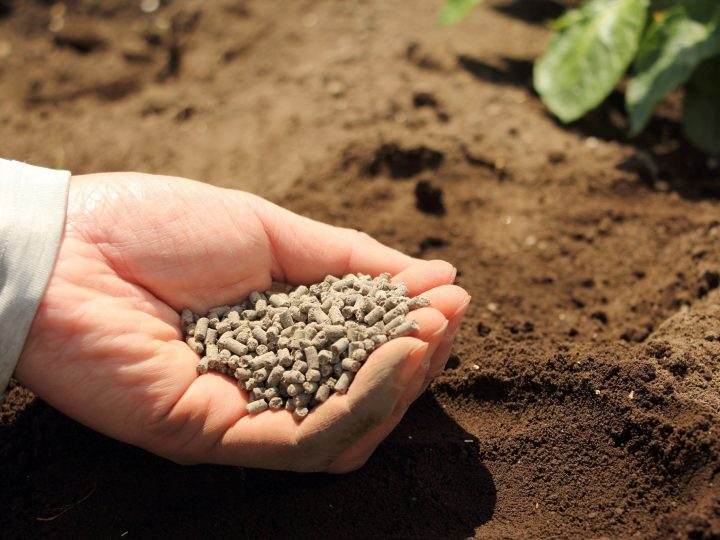
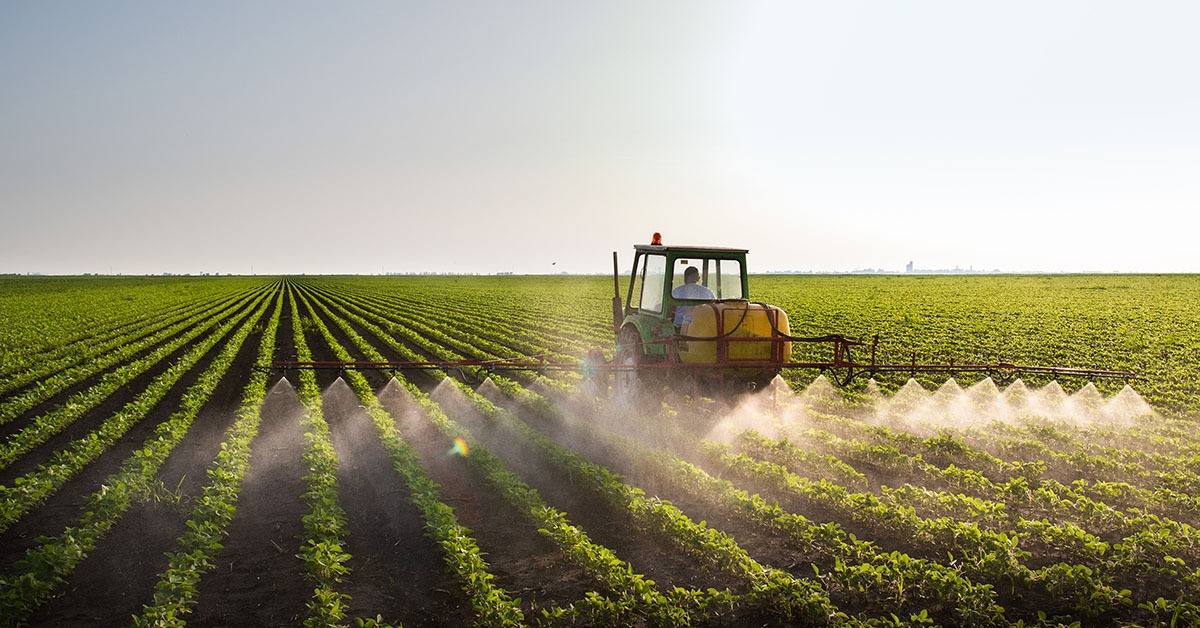
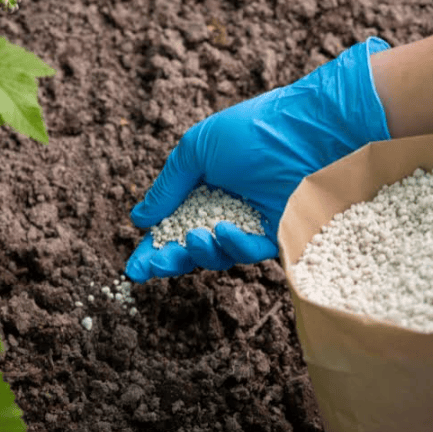
On Monday, Chouhan launched the nationwide "Khet Bachao Abhiyan" (Save the Soil) campaign in Ramasiya village in his constituency of Madhya Pradesh. He urged farmers to avoid overusing fertilizers and pesticides and to apply only organic manure and other organic fertilizers as needed, based on soil test results.
Anupam Mishra, Additional Secretary of the Department of Consumer Affairs, stated at an inter-ministerial briefing on the impact of the West Asian crisis that prices of cereals, pulses, and sugar remained stable. While prices of potatoes, onions, and tomatoes fluctuated within a range, no abnormal volatility was observed in essential commodities. Due to ample production of food grains, including pulses, pulse imports have declined. The government has maintained higher buffer stocks, with pulse stocks at 4.3 million tons compared to the standard of 1.8 million tons, so prices are likely to remain stable. C Shikha, Joint Secretary of the Department of Food and Public Distribution, stated that as of July 1, government rice stocks stood at 69.5 million tons (including rice in paddy form), compared to a buffer norm of 13.5 million tons. Edible oil supplies are adequate, thanks to regular imports from Indonesia and Malaysia (palm oil), Russia and Ukraine (sunflower oil), and Argentina and Brazil (soybean oil), primarily routed through the unaffected Strait of Malacca and Indian Ocean trade routes.
This article is compiled by Wedoany. All AI citations must indicate the source as "Wedoany". If there is any infringement or other issues, please notify us promptly, and we will modify or delete it accordingly. Email: news@wedoany.com
Related Products


714CD Series C-Band Weather Radar
Chengdu Zhongdian Jinjiang Information Industry Co., Ltd.



4HS-8 High-efficiency Peanut Inverted-laying Harvester
Hebei Yongfa Hongtian Agricultural Machinery Manufacturing Co., Ltd.
Industrial and Commercial Point-Type Gas Detector
Jinan Benan Technology Development Co., Ltd.