All-Russian Plant Quarantine Center Hosts International Conference on Invasive Species Control
en.Wedoany.com Reported - The All-Russian Plant Quarantine Center (ФГБУ «ВНИИКР» Россельхознадзора), under the Federal Service for Veterinary and Phytosanitary Surveillance of the Russian Federation, recently held an international scientific and practical conference dedicated to the control of invasive alien species. The conference materials have been published on the website of the journal "Phytosanitation. Plant Quarantine" («Фитосанитария. Карантин растений»).
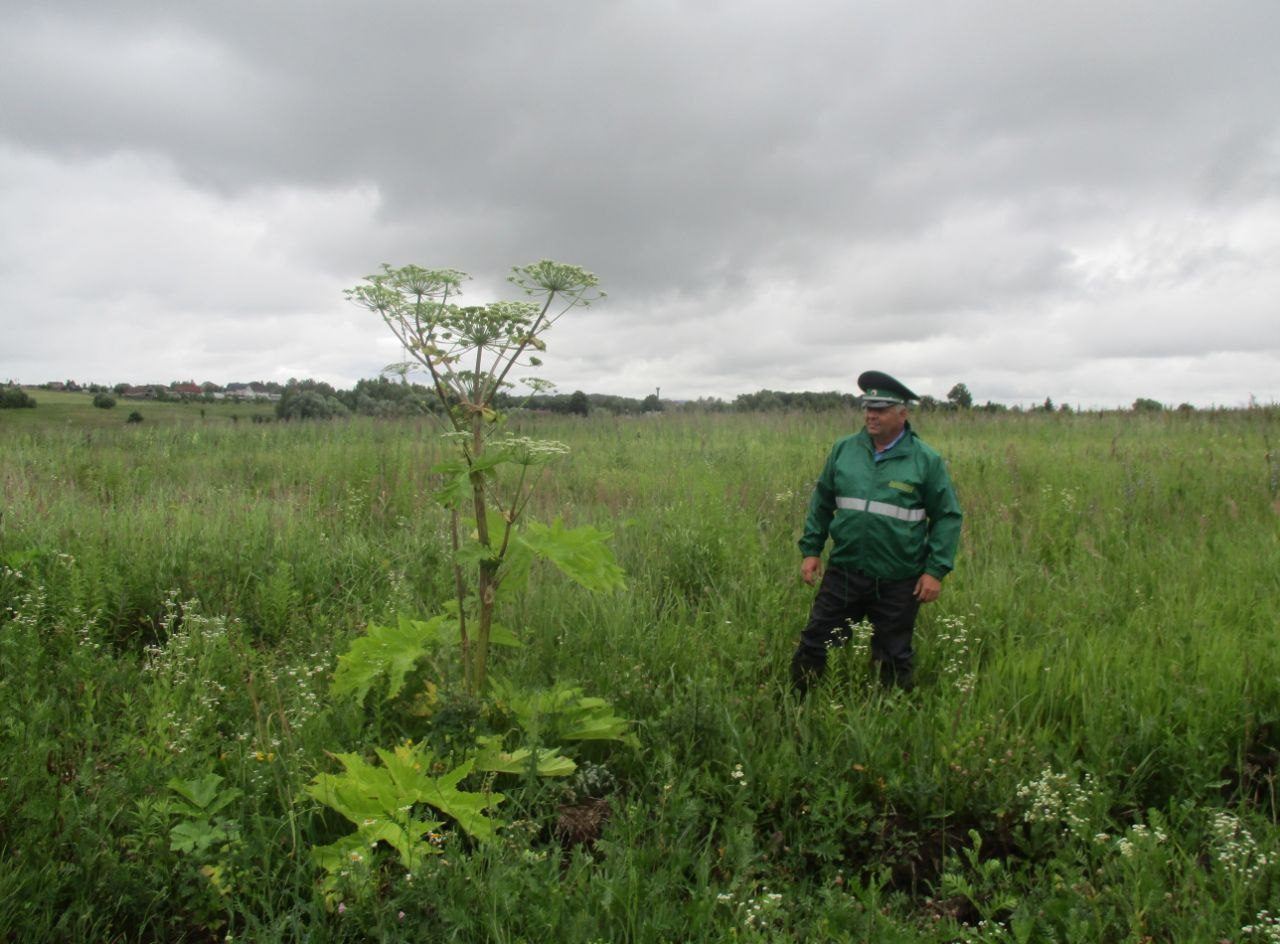
Invasive alien species are organisms—including plants, animals, fungi, and microorganisms—introduced by humans into new habitats, where they successfully establish, reproduce, and actively spread, causing harm to local ecosystems, the economy, or human health.
Not all alien species become invasive. Some fail to survive in the new environment or find no place in the food chain. Those that do succeed can pose a serious threat to native ecosystems. Invasive species displace local species, leading to their extinction, hinder agricultural and forestry crops, damage infrastructure, alter ecosystems, and disrupt natural processes. Additionally, they can act as vectors for diseases, cause allergies, or burns.
Humans are the primary agents responsible for the spread of invasive species. Most commonly, invasive species enter new regions through deliberate human introduction as ornamental or forage species, a consequence of globalized international trade. At the same time, unintentional introductions also occur, such as seeds and spores adhering to clothing, shoe soles, car tires, or animal fur; pests spreading via timber, packaging, agricultural products, or means of transport; and marine organisms traveling vast distances in ships' ballast water.
Controlling invasive species is a systemic task requiring participation at multiple levels. Prevention and early intervention are considered the most effective and economical methods. Specific measures include: developing and complying with laws and regulations on the import and export of species; inspecting goods, means of transport, and passenger luggage; conducting regular regional monitoring to detect invasive species at early stages of their spread; immediately implementing eradication or localized control measures upon discovering a new invasive species, with mechanical removal often being the most effective approach; some countries have already deployed robots and drones for monitoring and targeted pest elimination. Raising public awareness about the harm and dangers of invasive species, as well as prioritizing the use of native local plants in landscaping, are also important components of control efforts.
This article is compiled by Wedoany. All AI citations must indicate the source as "Wedoany". If there is any infringement or other issues, please notify us promptly, and we will modify or delete it accordingly. Email: news@wedoany.com
Related Products

714CD Series C-Band Weather Radar
Chengdu Zhongdian Jinjiang Information Industry Co., Ltd.
4HS-8 High-efficiency Peanut Inverted-laying Harvester
Hebei Yongfa Hongtian Agricultural Machinery Manufacturing Co., Ltd.

Industrial and Commercial Point-Type Gas Detector
Jinan Benan Technology Development Co., Ltd.