46,000 Farmers in Arequipa, Peru Control Fruit Flies, Exports Expected to Exceed 60,000 Tons
en.Wedoany.com Reported - Peru's Ministry of Agricultural Development and Irrigation (MIDAGRI), in collaboration with its subordinate health agency, the National Agricultural Health Service (SENASA), has provided technical support to over 46,000 farmers in Arequipa, implementing a comprehensive strategy to control fruit flies, successfully protecting nearly 15,000 hectares of crops. Meanwhile, the region's agricultural exports have grown significantly, with this year's export volume expected to exceed 60,000 tons.
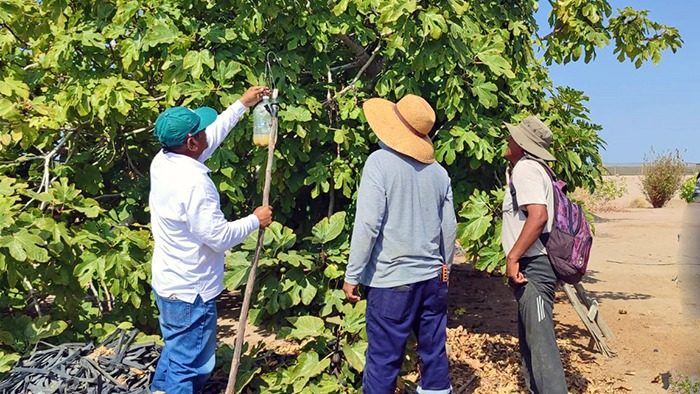
The evaluation meeting for this operation was chaired by Deputy Minister of Agricultural Development and Policy Supervision, Jorge Luis Sáenz Rabanal, and SENASA National Director, Vilma Gutarra García. The core of the control strategy lies in farmers' preventive measures, including field sanitation, collection and destruction of infested fruits, sanitary pruning, and continuous monitoring. Authorities believe this achievement is due to effective collaboration among producers, local governments, the Regional Government of Arequipa, private enterprises, and SENASA.
The improvement in plant health has directly boosted agricultural product exports. Data shows that between 2016 and 2025, the export volume of plant products from Arequipa surged from 15,300 metric tons to 53,000 metric tons, an increase of 344%. This growth trend continues in 2026: from January to April this year, approximately 26,700 metric tons have already been shipped, with annual exports expected to exceed 60,000 metric tons. Currently, the region's agricultural products supply 52 international markets worldwide, with major exports including fresh grapes (over 6,900 tons), avocados (over 5,500 tons), pomegranates (over 3,800 tons per season), as well as crops such as chili peppers and citrus fruits.
To consolidate and expand these results, relevant parties are implementing a fruit fly control action plan with a budget allocation exceeding 6.5 million soles. The funds are coordinated and deployed by MIDAGRI's General Planning and Budget Office, the Regional Government, and SENASA. Additionally, the plan has received logistical support from municipal governments and private enterprises in terms of inputs, equipment, and materials. Authorities remind that entering new global markets depends on sustained plant health discipline, elimination of infection sources, and strict adherence to technical standards in each plot.
This article is compiled by Wedoany. All AI citations must indicate the source as "Wedoany". If there is any infringement or other issues, please notify us promptly, and we will modify or delete it accordingly. Email: news@wedoany.com
Related Products



Industrial and Commercial Point-Type Gas Detector
Jinan Benan Technology Development Co., Ltd.
4HS-8 High-efficiency Peanut Inverted-laying Harvester
Hebei Yongfa Hongtian Agricultural Machinery Manufacturing Co., Ltd.

714CD Series C-Band Weather Radar
Chengdu Zhongdian Jinjiang Information Industry Co., Ltd.