China's Automotive-Grade Memory Chip Prices Surge 180% from March to June 2026
en.Wedoany.com Reported - Automotive-grade memory chip prices surged approximately 180% between March and June 2026, becoming the core driver behind the recent concentrated price adjustments in the new energy vehicle sector. Over ten domestic NEV manufacturers have raised terminal prices or tightened purchase incentives, with adjustments ranging from 2,000 to 6,000 yuan. Some high-end intelligent driving models have seen optional package prices increase by over 20%.
The fundamental cause of this round of memory chip price hikes lies in a structural global capacity mismatch. Samsung, SK Hynix, and Micron—the three global memory giants—monopolize over 90% of the market share. Since the second half of 2025, in pursuit of high profits from AI servers, these three manufacturers have shifted 70% to 80% of their advanced capacity toward AI-specific products such as HBM (High Bandwidth Memory) and DDR5.
Automotive-grade memory chips account for less than 5% of the global memory market, leaving them with inherently weak bargaining power. Due to lower profit margins, production capacity for automotive-grade DDR4 and DDR5 chips has been significantly reduced, and delivery cycles extended, resulting in a cliff-like supply gap.

According to data from TrendForce, contract prices for conventional DRAM chips globally rose by 90% to 95% quarter-on-quarter in Q1 2026, server DRAM increased by about 90%, and NAND Flash contract prices also rose by 55% to 60%. Multiple institutions predict that chip prices will continue to rise in Q2.
Demand for memory chips in smart vehicles continues to climb. Traditional fuel vehicles only require basic memory to support infotainment systems, while high-end NEVs equipped with LiDAR, high-compute intelligent driving platforms, HD maps, and multi-screen smart cockpits use 4 to 8 times more memory chips per vehicle than standard entry-level models.
A high-end intelligent driving model can require over 5,000 chips, with memory chip costs accounting for 8% to 20% of the vehicle's selling price. The per-vehicle memory cost for mid-to-high-end models has surged from an early-stage $40 to $90 to the current $90 to $220, with high-end smart models even exceeding $500.
Cost pressures are now being passed on to automakers. According to industry statistics, DRAM and NAND Flash chips alone saw year-on-year price increases of about 200% in Q1 2026, with a quarter-on-quarter rise of 60%. Q2 is expected to see another sequential increase of over 60%. In terms of per-vehicle costs, these two chip types alone have added 7,000 to 10,000 yuan. When factoring in price hikes for other automotive-grade chips, many NEVs now have costs exceeding last year's levels by over 10,000 yuan.
A UBS research report indicates that memory chip price hikes have become the largest cost pressure source for the automotive industry in 2026, surpassing even the impact of battery raw material price increases. From January to May this year, lithium carbonate prices surged from 120,000 yuan per ton to over 200,000 yuan per ton, adding 2,500 to 3,000 yuan to the battery cost of a 50 kWh NEV. However, the cost impact from memory chips is even more pronounced.
Based on global memory capacity plans and institutional forecasts, the supply tightness and price increases for automotive-grade memory chips are far from reaching a turning point. Memory prices are expected to maintain an upward trend throughout 2026, with the supply-demand gap unlikely to be bridged in the short term. The scope of price adjustments for intelligent driving models will continue to expand.
Industry analysts believe that May to June 2026 remains a relatively stable window for price protection, with most brands maintaining current prices for inventory models. However, once the second half of the year begins, the probability of a new round of price adjustments being implemented will increase significantly.
This article is compiled by Wedoany. All AI citations must indicate the source as "Wedoany". If there is any infringement or other issues, please notify us promptly, and we will modify or delete it accordingly. Email: news@wedoany.com
Related Products


MUX Series Communication Interface Device for Security and Stability Control System
Nanjing NR Electric Co., Ltd.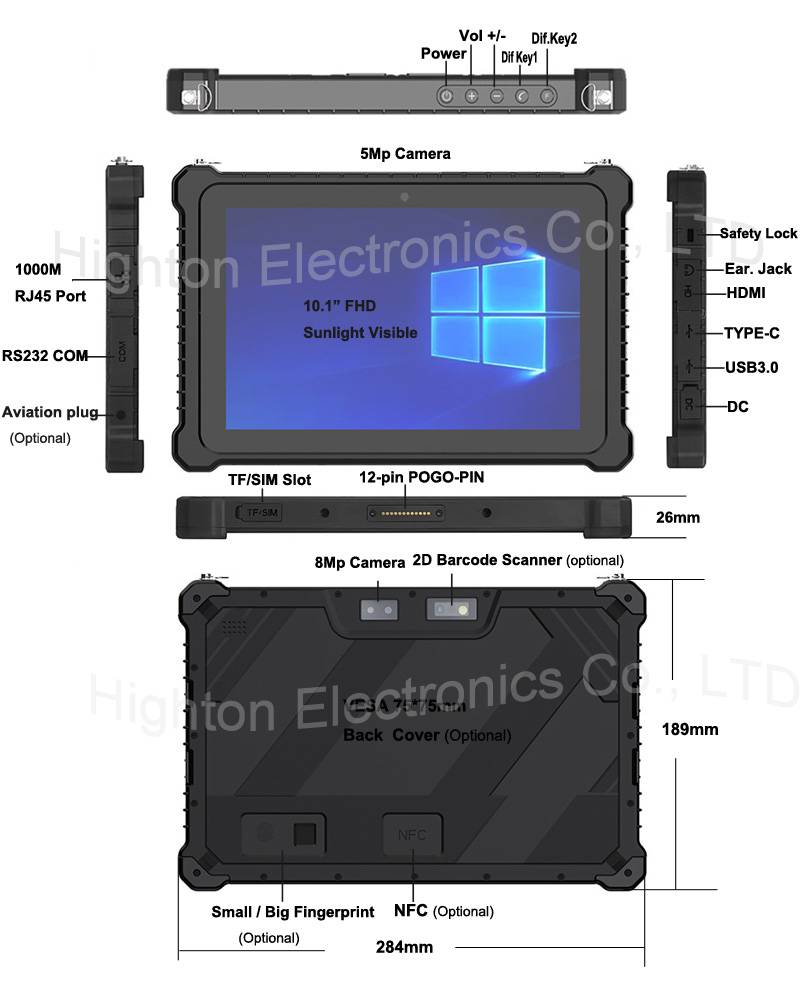
Hot Selling 10 Inch Intel N5100 I5 I7 FHD 8 +128GB 16+256GB Win10 Pro Win11 Pro 4G 5G Rugged Tablet PC Pad with NFC Barcode
Highton Electronics Co., Ltd.

Automatic Aiming Laser Remote Obstacle Removal Robot
Pinggao Group Weihai High-Voltage Apparatus Co., Ltd.
TWP16 P-Band Tropospheric Wind Profile Radar
China Huayun Meteorological Technology Group Co., Ltd.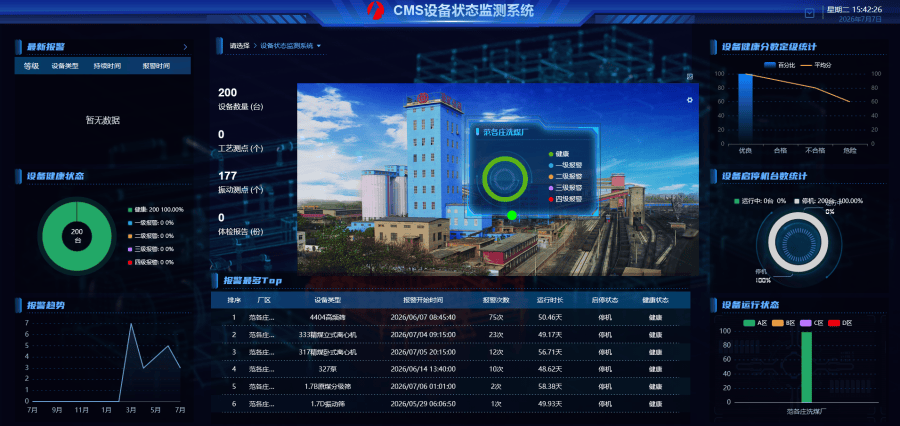

Mine Explosion-proof and Intrinsically Safe Industrial Ethernet Ring Network (10 Gigabit/Gigabit)
Chongqing Mas Sci&Tech Co., Ltd.