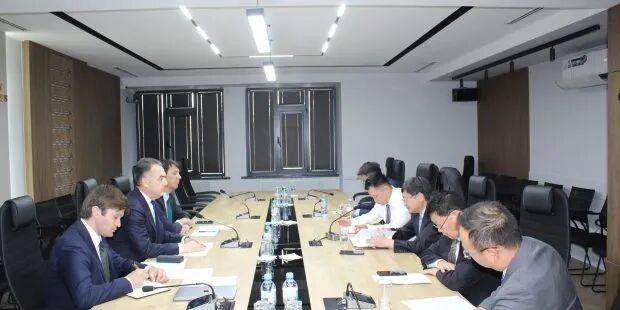
en.Wedoany.com Reported - Azim Akhmedkhajaev, Director of the Atomic Energy Agency of Uzbekistan (Uzatom), stated on June 4 that the existing nuclear power plant site in the Farish district of the Jizzakh region is "a highly promising site from all aspects." Geological surveys in the area have been fully completed, meeting conditions for the rapid launch of new nuclear projects, and it can accommodate two additional large units. He revealed that the agency plans to discuss with the Academy of Sciences of Uzbekistan the development of scientific research infrastructure on this basis, introducing additional technologies, including modern research reactors, if necessary.
Uzbek President Shavkat Mirziyoyev announced on June 5 at the plenary session of the St. Petersburg International Economic Forum that, given the potential doubling of electricity demand over the next decade and the country's advantage of being among the top ten globally in uranium reserves, Uzbekistan plans to continue cooperation with Russia to build new nuclear power plants. "This is not the last nuclear power project with the Russian side." Previously, in September 2025, Uzatom and Rosatom agreed on an "integrated nuclear power plant" configuration—two large VVER-1000 Generation III+ units (total installed capacity of approximately 2 GW) paired with two RITM-200N small modular reactors (55 MW each, totaling 110 MW), with a combined installed capacity exceeding 2.1 GW. In April this year, earth excavation for the small reactor foundation began at the Jizzakh site, with preparations for the first concrete pour completed in March. On June 4, the foundation laying and first concrete pouring ceremony for Unit 1 of the integrated nuclear power plant was officially held, marking the full launch of project construction.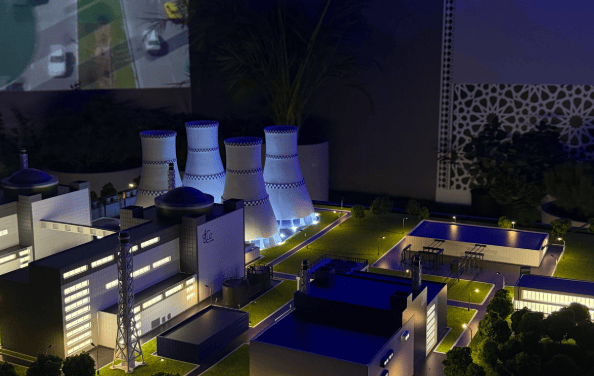
Akhmedkhajaev pointed out that the existing site, in addition to accommodating the already determined integrated nuclear power plant, also reserves space for a future second large nuclear power plant. The Atomic Energy Agency of Uzbekistan will further advance relevant feasibility work based on the national energy plan. Currently, Uzbekistan and Russia have signed a supplementary agreement on the updated configuration, confirming the co-location model of small and large reactors. The Uzbek side emphasized that this project is a strategic pillar of the country's "energy security defense" and continues to increase investment in talent cultivation and localization support.
This article is compiled by Wedoany. All AI citations must indicate the source as "Wedoany". If there is any infringement or other issues, please notify us promptly, and we will modify or delete it accordingly. Email: news@wedoany.com