150 Peruvian Public Entities Integrate BIM into Investment Management
en.Wedoany.com Reported - The Ministry of Economy and Finance (Ministerio de Economía y Finanzas, MEF) of Peru reported that approximately 150 public entities have integrated the Building Information Modeling (BIM) methodology into their investment management, marking significant progress in the modernization of public investment.
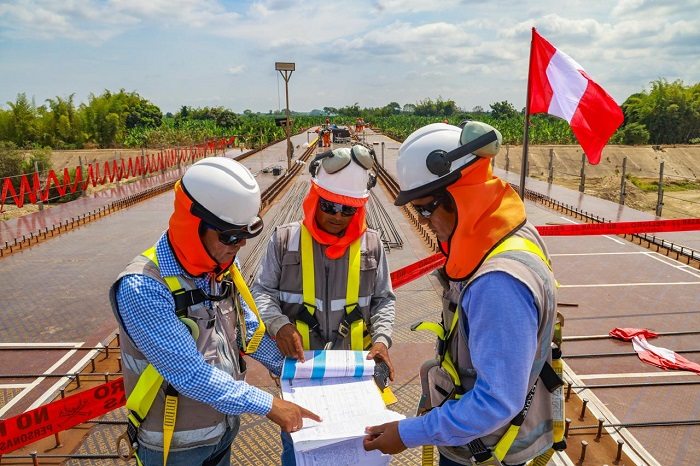
The entities that have adopted this methodology include ministries, subordinate public agencies, universities, state-owned enterprises, as well as regional and local governments. Among them are ProInversión, the National Infrastructure Authority (ANIN), the Ministry of Housing, Construction and Sanitation, the National Office for Educational Infrastructure Development (OEDI), the Special Project Investment Execution Unit (PEIP-EB), and the electricity distribution group Distriluz.
Minister of Economy and Finance Rodolfo Acuña Namihas stated that the gradual introduction of this methodology helps improve the quality of public investment and strengthens the management of early project stages. He believes that the adoption of BIM makes investment management more modern, collaborative, and results-oriented, and that the MEF will continue to promote tools that reduce risks, improve planning, and enhance project quality, which will ultimately translate into better public services.
The BIM methodology integrates technical information throughout the entire project lifecycle in a collaborative environment, strengthening risk management, reducing inconsistencies in technical documents, and improving traceability across all investment phases. This methodology is incorporated into the National Multi-Year Planning and Investment Management System (SNPMGI) and is being promoted under the framework of the "Peru BIM Plan 1.1 Policy Measures."
According to current regulations, starting in August 2026, BIM will be mandatory for specific types of projects at the national and regional government levels, driving a transition toward more standardized and efficient public investment management. These project types include irrigation infrastructure, fixed internet networks, public cultural infrastructure, university higher education facilities, police stations, riverbank protection works, gully protection infrastructure, artisanal fishing ports, hospital sanitation facilities, provincial and national highways, and integrated transportation systems.
This article is compiled by Wedoany. All AI citations must indicate the source as "Wedoany". If there is any infringement or other issues, please notify us promptly, and we will modify or delete it accordingly. Email: news@wedoany.com
Related Products
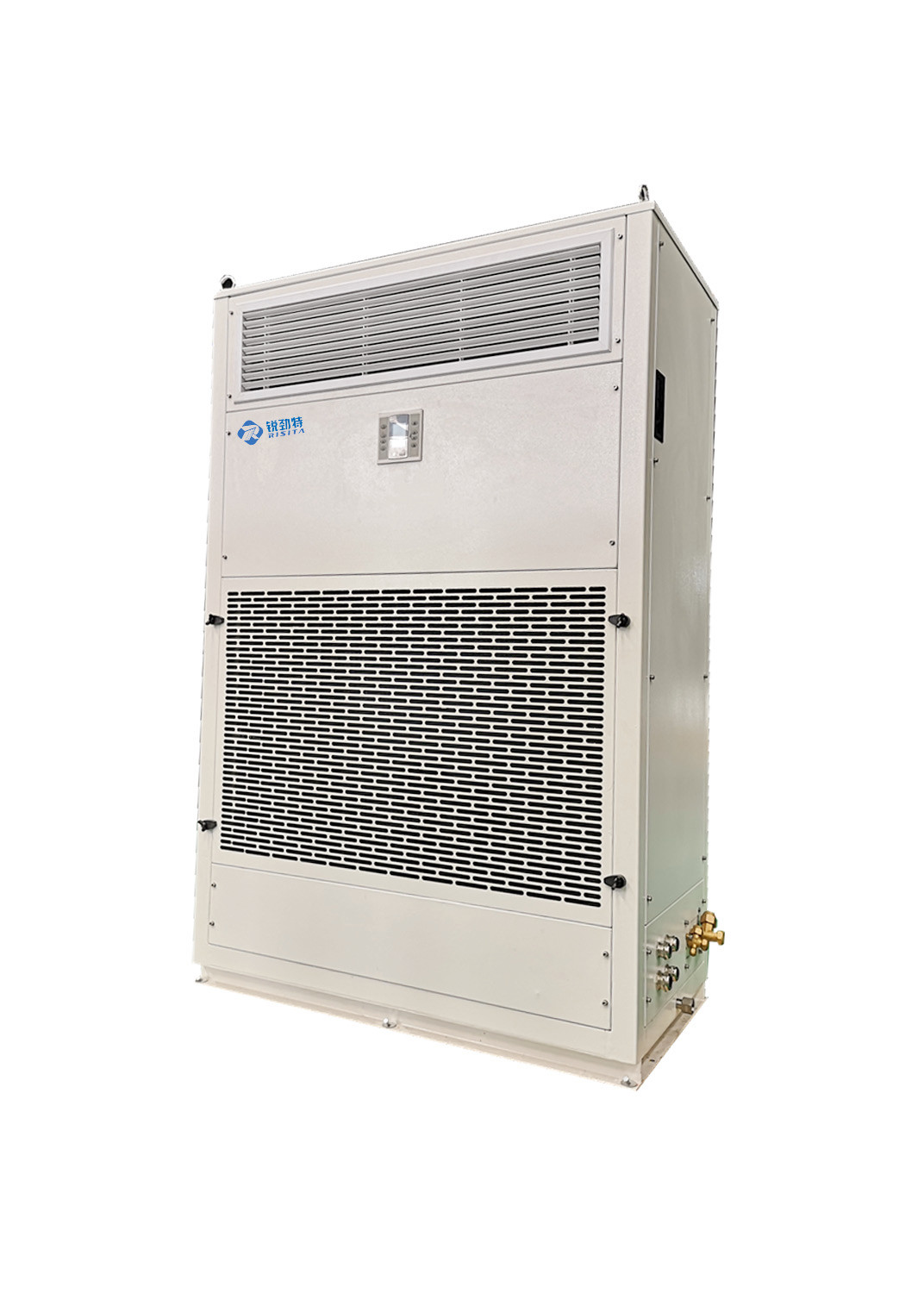

RISITA explosion-proof air conditioning
Guangdong RISITA Air Conditioning Equipment Co.,Ltd.
Pure Polyurethane Wall Panel BD-AEF-PIR-01
Baodu International Engineering Technology Co., Ltd.
Ceiling light | led Ceiling Light | LED Indoor light | LED Ceiling lighting
Queendom Group Technology Co., Ltd.

Industrial and Commercial Point-Type Gas Detector
Jinan Benan Technology Development Co., Ltd.
300mm Segment Type Countdown Traffic Light (Core Type)
Yangzhou FAMA Intelligent Equipment Co., Ltd.

High-toughness in-Situ Cold Recycling Technology for Original Structural Layers
Central Fortune Creation Technology Group Co., Ltd.