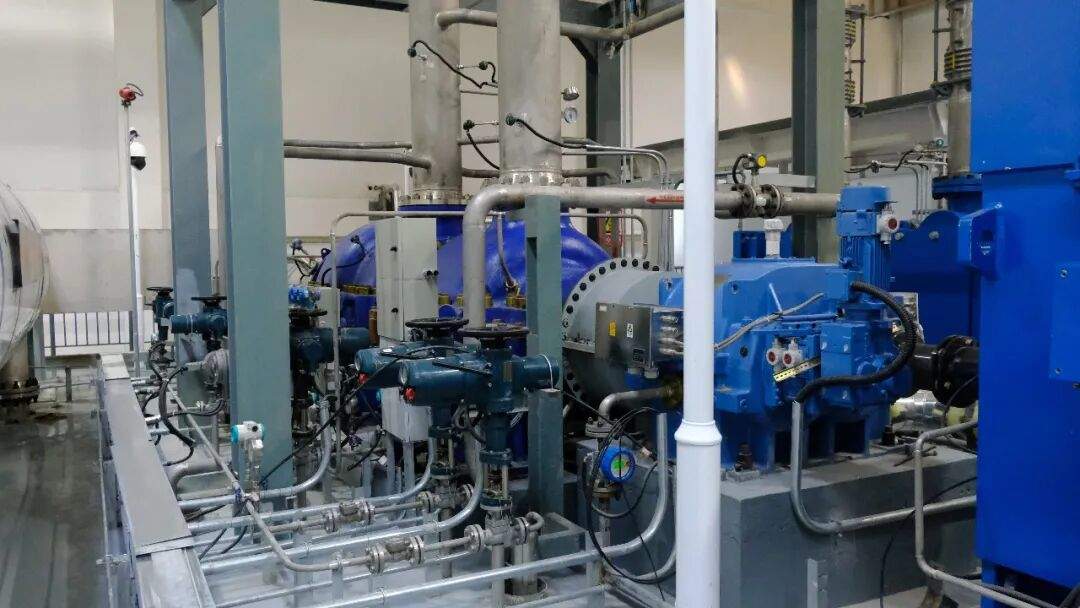
en.Wedoany.com Reported - Recently, the European Bank for Reconstruction and Development provided a €26 million loan to SIA Next Biogas, a subsidiary of the Netherlands-based HoSt Group, for the acquisition and upgrade of an existing biogas plant in Lēdurga, Latvia. Upon completion, the facility will be transformed into a biomethane production plant, further expanding the supply of renewable gas in the Baltic region.
The project will expand and upgrade the existing biogas plant, converting it into a biomethane facility capable of connecting to the natural gas grid. According to information disclosed by the European Bank for Reconstruction and Development, the plant is expected to produce approximately 80,070 MWh of biomethane annually once operational. The gas will be transported and injected into the grid for domestic consumption in Latvia, as well as for export to European markets. The production process will also capture biogenic carbon dioxide, creating a sustainable byproduct. By leveraging synergies between agricultural feedstocks, digestate utilization, gas substitution, and carbon reduction, the project will enhance the value of the local circular economy. For HoSt Group, this financing will accelerate its pace of developing, owning, and operating green energy infrastructure in Europe, while also securing a clearer project foothold in the Baltic biomethane market.
Latvia's energy structure has long been influenced by regional gas supply, imported fuel prices, and Europe's energy security environment. Biomethane can utilize agricultural waste, organic residues, and existing biogas infrastructure to create a more localized source of renewable gas. Unlike wind and solar power, which primarily supply electricity, biomethane can be injected into the gas grid to serve industrial heat, transportation fuel, residential gas, and production processes that are difficult to directly electrify. The value of the Lēdurga project lies in upgrading existing facilities: the project does not require building a complete plant from scratch but instead adds purification, compression, injection, carbon capture, and operational control capabilities to existing biogas assets. This development approach better aligns with the practical needs of small and medium-sized bioenergy projects in Europe. The project will also drive demand for anaerobic digestion equipment, biogas purification units, compression systems, gas metering, grid injection facilities, carbon dioxide liquefaction, tanker transport, and agricultural supply chain services.
Once operational, the project is expected to become one of the largest biomethane facilities in Latvia. Key subsequent milestones will focus on asset handover, equipment upgrades, grid injection permits, agricultural feedstock organization, commissioning, and long-term supply contracts. If the upgrade is successfully completed, the Lēdurga project will establish an energy closed loop in Latvia—"agricultural feedstock—biogas upgrading—biomethane grid injection—byproduct utilization"—and provide a replicable model for Baltic countries to expand renewable gas supply based on existing biogas assets.
This article is compiled by Wedoany. All AI citations must indicate the source as "Wedoany". If there is any infringement or other issues, please notify us promptly, and we will modify or delete it accordingly. Email: news@wedoany.com