California High-Speed Rail Track System Contract Approved to Advance 119-Mile Central Valley Line
en.Wedoany.com Reported - Recently, the California High-Speed Rail Authority Board approved the track and systems installation team, which will lay electrified high-speed rail tracks and supporting systems for the 119-mile line under construction in the Central Valley. The approved team, consisting of Kiewit, Stacy Witbeck, and Herzog, will be responsible for installing tracks, overhead catenary systems, train control, and communication infrastructure, marking a shift for California high-speed rail from large-scale civil construction to railway systems integration.
The Central Valley line covered by this contract is the core section where California high-speed rail will first achieve operational capability. The California High-Speed Rail Authority disclosed that the 119-mile track work is located in the Central Valley and will connect future extensions to Merced and Bakersfield, with trains designed to reach a maximum speed of 220 miles per hour. Track and systems installation involves not only simple rail laying but also multiple components such as overhead power supply, train control, communications, safety systems, material reception, construction scheduling, and phased delivery organization. Whether these systems can be deployed in sync with civil construction progress will directly impact the speed at which the line transitions from "civil structure completion" to "operable railway." Prior to this approval, a 150-acre southern rail material base in Kern County had completed track installation preparations, serving as a hub for receiving, storing, and distributing rails and long-lead procurement materials, providing on-site support for subsequent high-speed rail track laying.
Currently, California high-speed rail has 171 miles of line from Merced to Bakersfield in design and construction phases, with over 80 miles of track structure already completed.
With the track system contract entering the execution phase, the construction focus of the Central Valley project will gradually shift from bridges, viaducts, subgrades, and grade separations to building power supply, control, communication, and operational safety systems. The challenge of high-speed rail systems lies in the numerous interfaces between civil works, rolling stock, power supply, signaling, communications, operational control, and maintenance bases; any system delay could affect subsequent integration and testing. The California High-Speed Rail Authority has already directly procured long-lead materials such as steel rails, concrete sleepers, and ballast to reduce waiting time during the systems installation phase. For U.S. high-speed rail construction, this contract will transform the completed civil track structure in the Central Valley into electrified railway infrastructure, driving demand in the supply chain for track work, catenary systems, train control, communication systems, construction machinery, material transport, and maintenance services.
Subsequent project milestones will focus on phased civil works delivery, track material arrival, systems installation initiation, power supply and control system integration, testing and validation, and future operational readiness. As the 119-mile Central Valley line enters the track systems construction phase, California high-speed rail will face a critical window to determine whether the project can transition from long-term civil construction to substantive railway installation.
This article is compiled by Wedoany. All AI citations must indicate the source as "Wedoany". If there is any infringement or other issues, please notify us promptly, and we will modify or delete it accordingly. Email: news@wedoany.com
Related Products
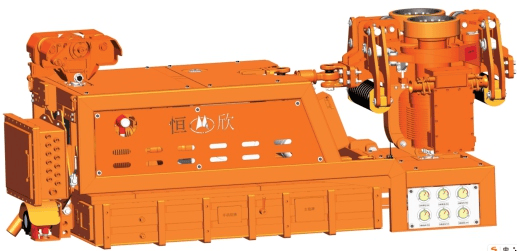

Explosion-proof lithium battery dispatching monorail crane locomotive (permanent magnet frequency conversion integrated machine)
Xiangtan Hengxin Industrial Co., Ltd.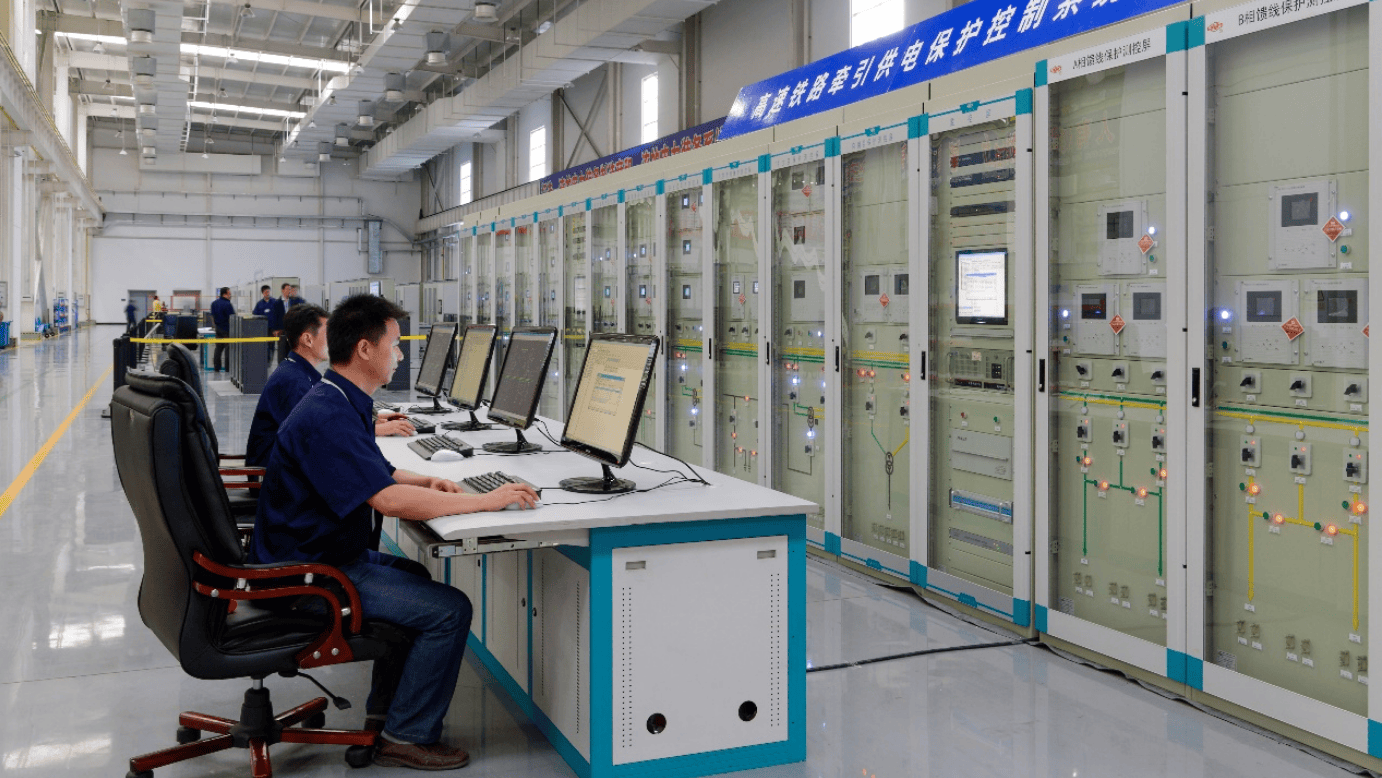
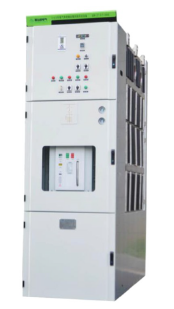
GSR6-27.5kV SF6 Free Gas-insulated Metal-enclosed Switchgear
Zhejiang Juhonkia Intelligent Electric Co., Ltd.
Wheel and Track Technology Business
Beijing Research & Design Institute of Rubber Industry Co., Ltd.
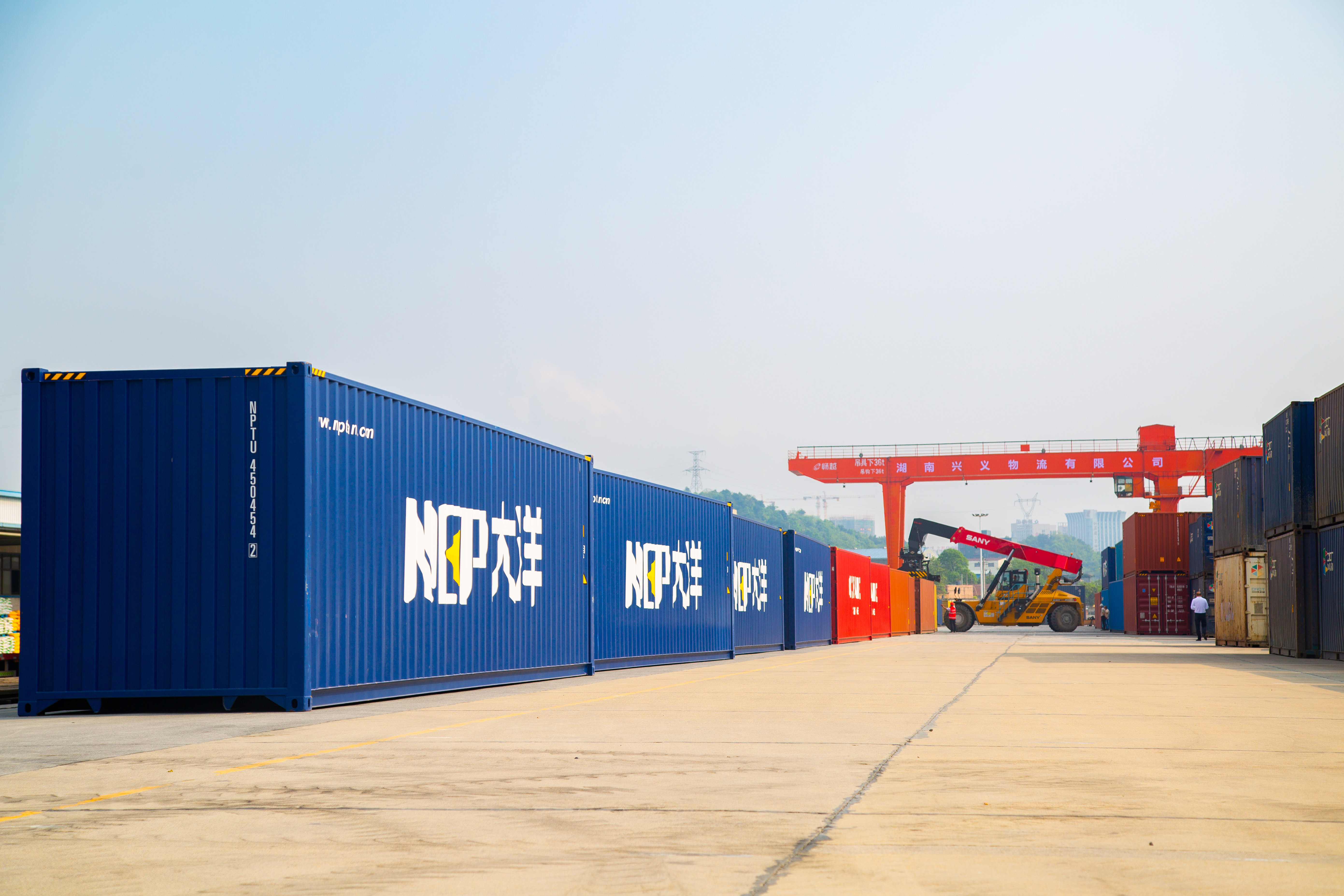
China - Alashankou/Khorgos - Europe Full Range Transportation (Mala/Hamburg/Duisburg/Budapest, etc.)
Shenzhen Neptune Logistics Co., Ltd.
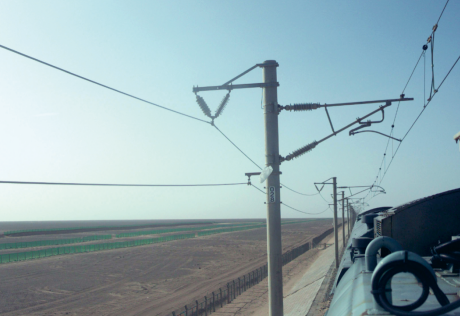
Pantograph-Catenary Comprehensive Detection Device (1C)
CHENGDU TANGYUAN ELECTRIC CO., LTD.
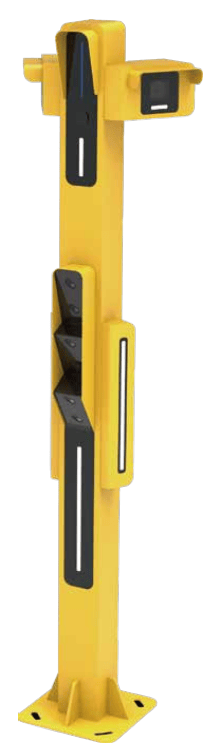
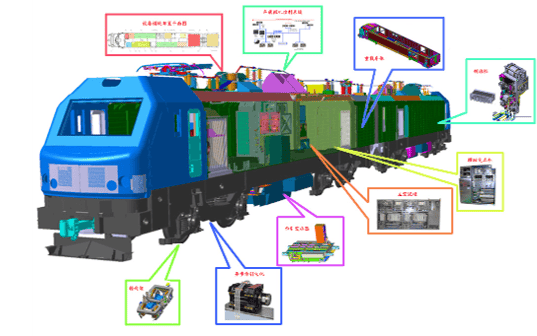
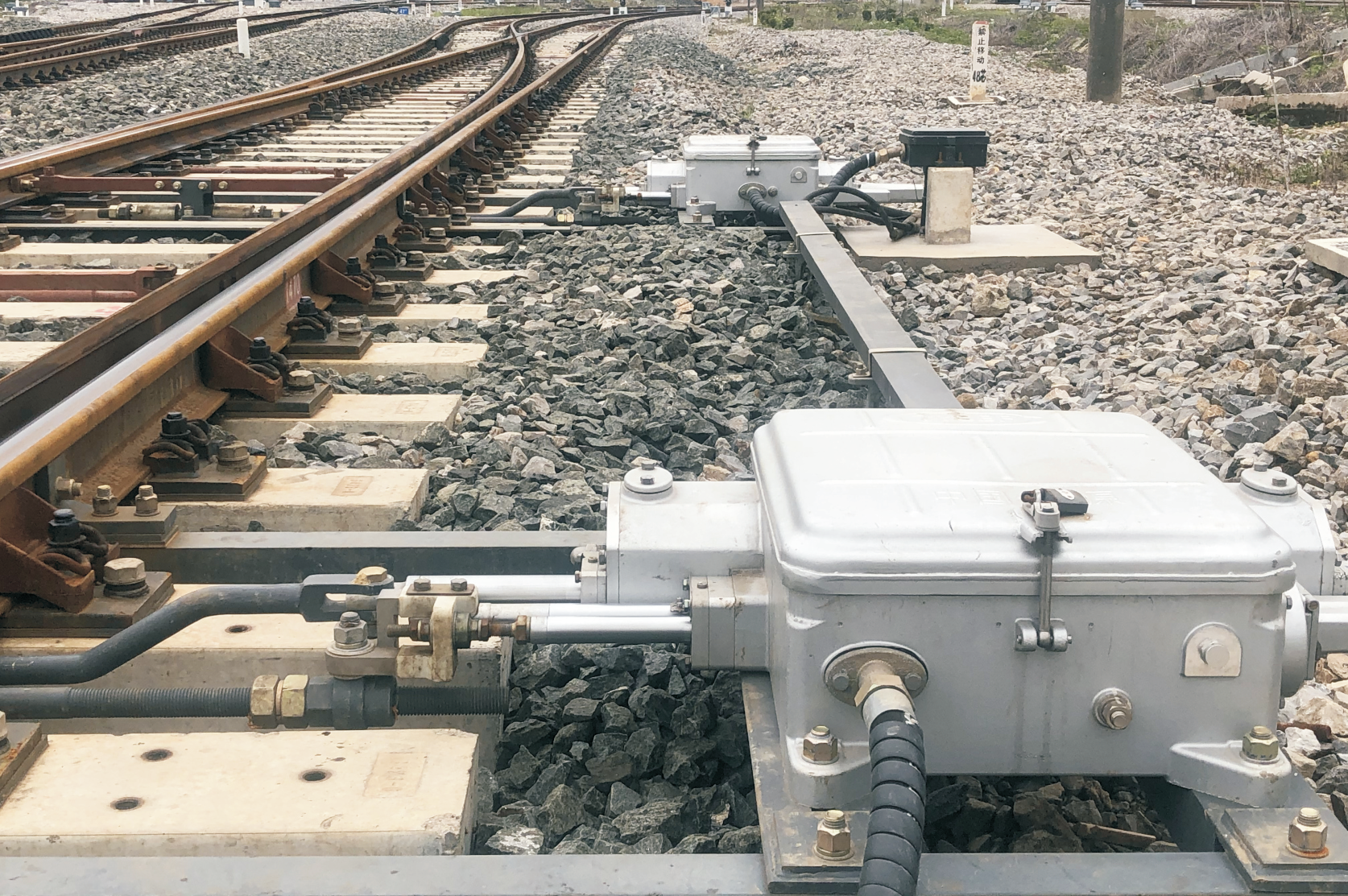
ZY(J)7(M) Sealed Type Electro-Hydraulic Turnout Machine
TAIYUAN CR JINGFENG EQUIPMENT TECHNOLOGY CO., LTD.