Trump Wants Canada’s Keystone XL Oil Pipeline Built ‘Now’
 Wedoany.com Report-Feb 25, The Keystone XL oil pipeline, a major energy project that was previously abandoned by its developer, continues to face renewed interest from former President Donald Trump, who has vowed to revive it even as it remains on hold due to political and logistical challenges.
Texas Republican Party chairman and White House Press Secretary Karoline Leavitt recently highlighted Trump's renewed focus on the pipeline, describing it as a "major energy infrastructure project" that could significantly boost the U.S. energy sector. Leavitt, who previously worked on Keystone XL as a senior policy advisor, echoed Trump's call for the pipeline's revival, emphasizing that the U.S. should prioritize domestic energy production and exports.
The Keystone XL pipeline, valued at billions of dollars, was initially proposed to transport Canadian oil sands crude to Nebraska, with a 1,200-mile route crossing the U.S.-Canada border. The project faced immense opposition, including strong environmental resistance from former President Barack Obama, who rejected it in 2015. Despite Biden's executive order that rescinded environmental permits for the pipeline, South Bow Corp., the oil pipeline arm spun off from TC Energy Corp., has officially dropped interest in the project, citing the complex and prolonged disassembly process.
With the pipeline's permits expiring and the system already disassembled, South Bow Corp. remains neutral on a potential revival, focusing instead on exploring other opportunities, such as transporting Canadian oil to the U.S. east coast. CEO Katie Stavinoha highlighted the project's potential to increase Canadian oil exports to the U.S., benefiting both energy security and the Canadian economy, which has seen its population decline due to mining activities.
The revival of Keystone XL aligns with broader U.S. energy policy goals, including reducing reliance on foreign energy sources and addressing national energy security concerns. However, the project's revival is fraught with challenges, including logistical complexities, regulatory hurdles, and the potential for political interference.
As the debate over Keystone XL continues, the project serves as a microcosm of ongoing energy infrastructure disputes, with both supporters and critics vying to influence its outcome. While some see it as a symbol of national sovereignty and energy independence, others view it as a political tool that risks increasing energy dependency and geopolitical tensions.
The Keystone XL project underscores the delicate balance between economic competitiveness, environmental protection, and national security, highlighting the challenges and uncertainties inherent in large-scale energy infrastructure projects.
Related Products


Workover Rig - XJ250, XJ350, XJ450, XJ550, XJ650, XJ750, XJ850
Henan Rongfeng Petroleum Machinery Co ., Ltd.


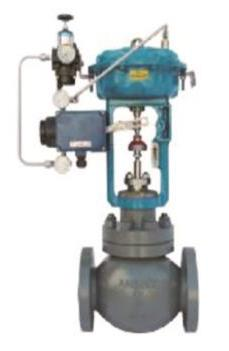
Quick-Change Single-Seat Control Valve / Quick-Change High-Pressure Single-Seat Control Valve
Beijing Consen Automation Technology Co., Ltd.
ZDL94 Series Vortex Flow Meter
Tianjin Zhongdian Celestial Science and Technology Co., Ltd.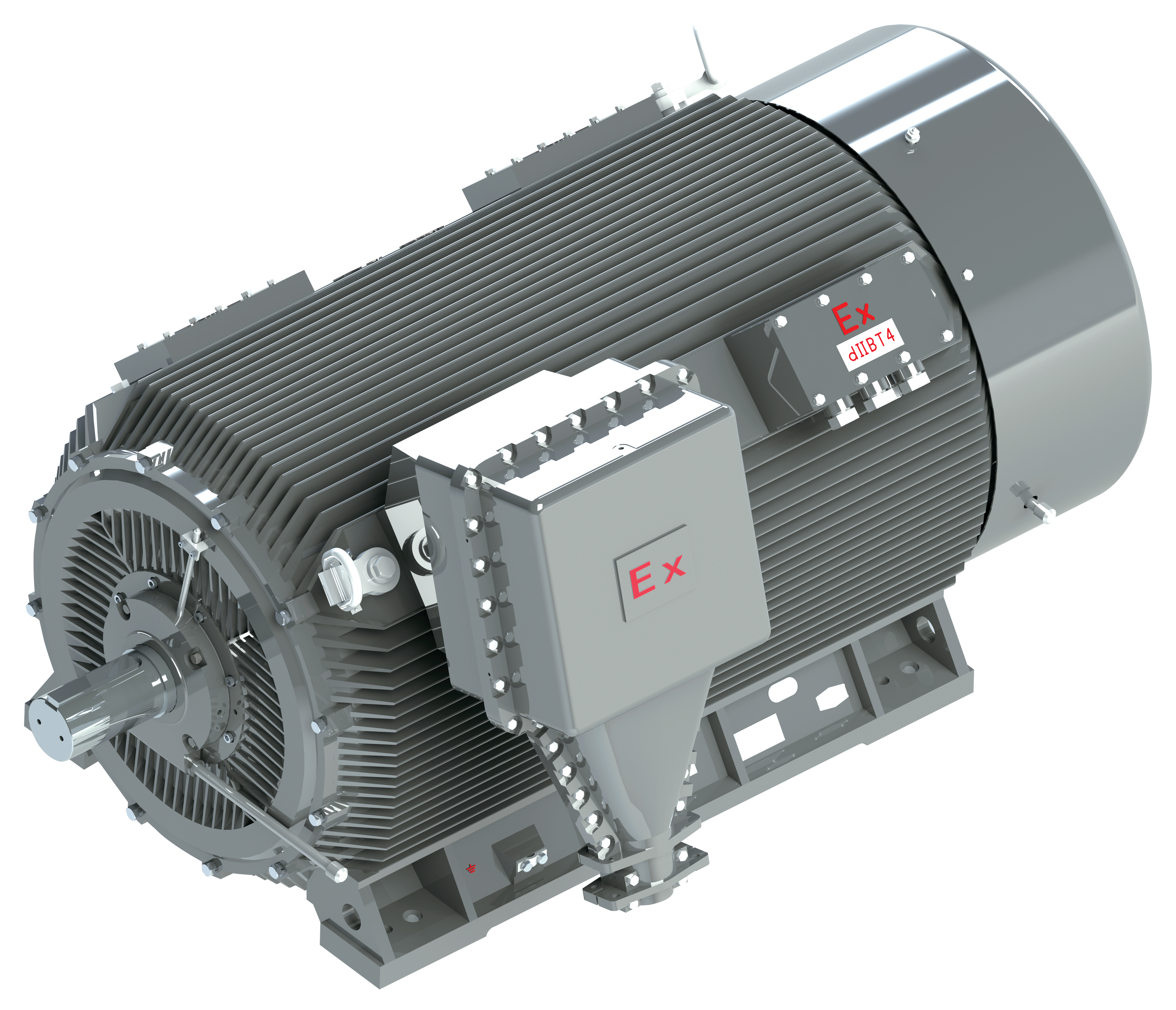
YBX3 Series (Frame Number 355-630) High-Efficiency Explosion-Proof Three-Phase Asynchronous Motor
Jiamusi Electric Machine Co., Ltd.
Full range of detachable plate heat exchangers
Beijing AMAX Heat Transfer Equipment Manufacturer Co., Ltd.