U.S. Rural Electric Cooperatives Accelerate Energy Storage Deployment, Capacity Expected to Triple by 2028
en.Wedoany.com Reported - Multiple U.S. rural electric cooperatives are accelerating the deployment of battery energy storage systems to reduce wholesale electricity costs and enhance grid reliability. Meeker Energy, a member-owned distribution cooperative in central Minnesota serving approximately 10,000 homes and businesses, is currently testing the demand response effectiveness of residential behind-the-meter batteries. While 60% of the cooperative's members already participate in load management programs, service manager Steve Kosbab noted that fuel costs for backup generators can exceed electricity savings, making home batteries more economically viable.
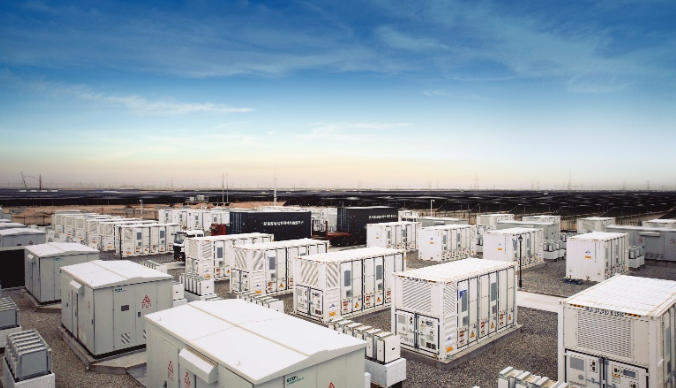
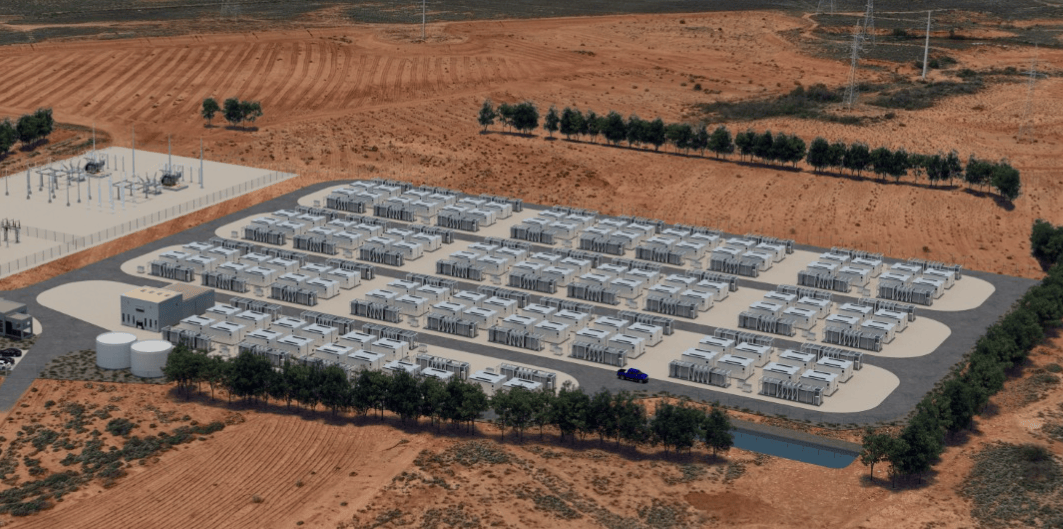
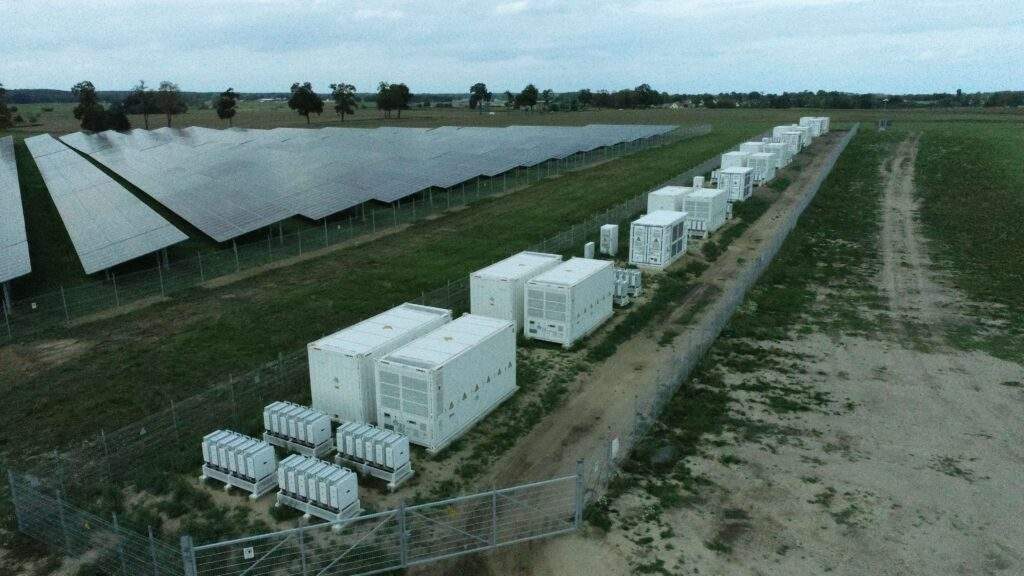
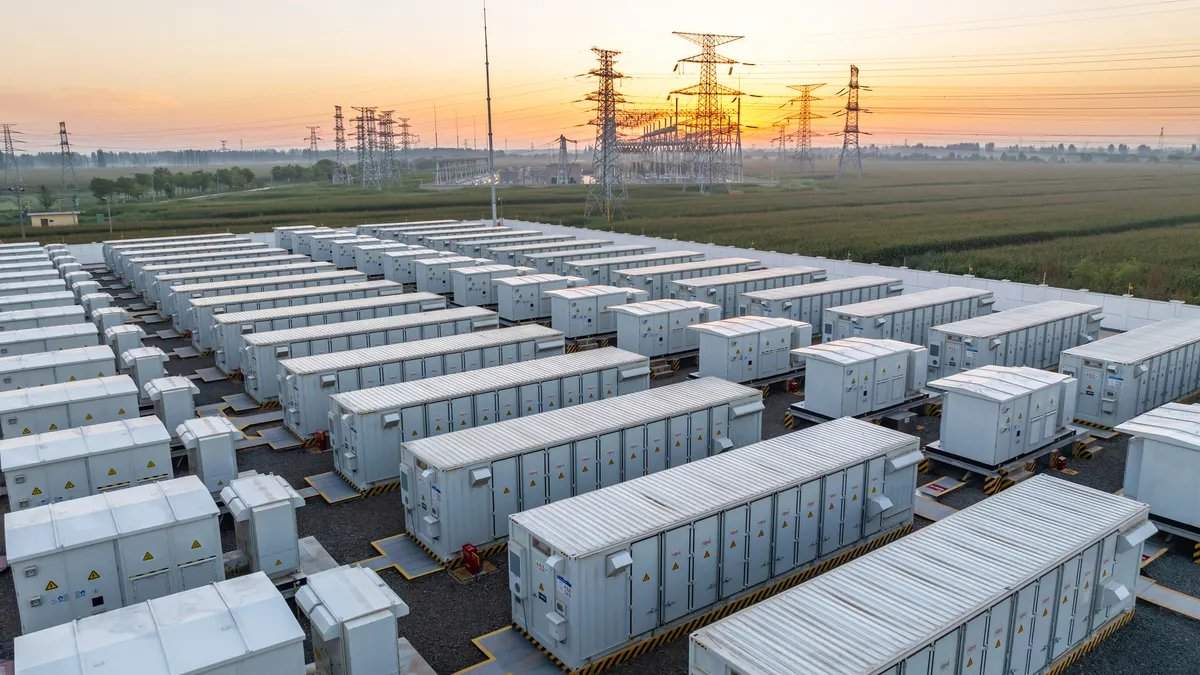
According to data from the National Rural Electric Cooperative Association (NRECA), the total capacity of battery storage projects operated by rural cooperatives last summer reached 439 MW/1,047 MWh. Although this represents only a fraction of the 28 GW/57 GWh of storage expected to connect to the U.S. grid in 2025, as cited by Benchmark Mineral Intelligence, dozens of development projects tracked by NRECA are projected to more than triple cooperative storage capacity by 2028. Many projects are deployed directly on the distribution network or behind members' meters.
Guadalupe Valley Electric Cooperative in Texas has expanded its residential battery pilot program with Base Power, planning to grow from 2 MW to 50 MW. Cooperative general manager Darren Schauer stated that within the Electric Reliability Council of Texas (ERCOT) region, the distributed approach is more cost-effective than grid-scale storage. Blue Ridge Power Agency in Virginia is deploying approximately 25 MW of distribution-connected storage across five sites to address load growth. The Electric Power Board of Chattanooga in Tennessee already has 45 MW/95 MWh of front-of-the-meter storage in operation and plans to double that capacity within the next 12 months, including a four-hour system for a mountain microgrid.
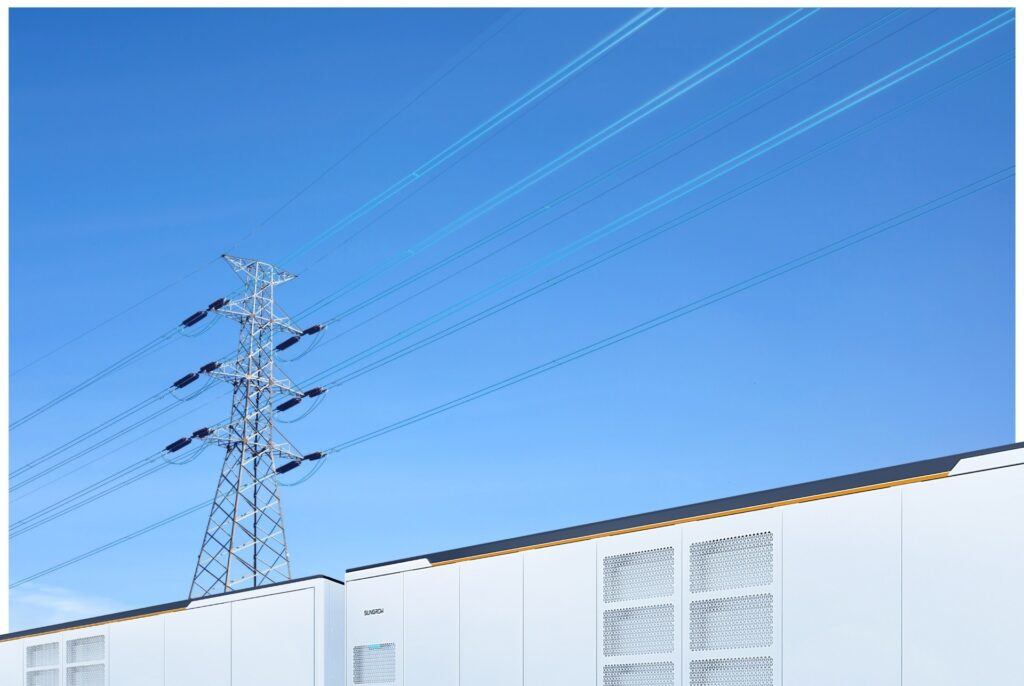
Peak shaving is the primary revenue model for cooperative storage. The Electric Power Board of Chattanooga relies on storage to reduce peak demand, as monthly demand charges from wholesale electricity purchases from the Tennessee Valley Authority (TVA) can account for up to one-third of total power procurement costs. Nonprofit utilities like Meeker Energy cannot earn regulated returns on capital investments, making cost control particularly urgent. Clean Grid Alliance executive director Beth Soholt stated that cooperatives are highly innovative when aligned with member interests and naturally have the incentive to adopt new technologies. Xcel Energy's Capacity*Connect virtual power plant pilot in Minnesota has sparked controversy, with nonprofit organizations concerned it shifts risks onto consumers. Xcel spokesperson Kevin Coss said that cost-benefit analysis is one of many tools for evaluating projects and has limitations.
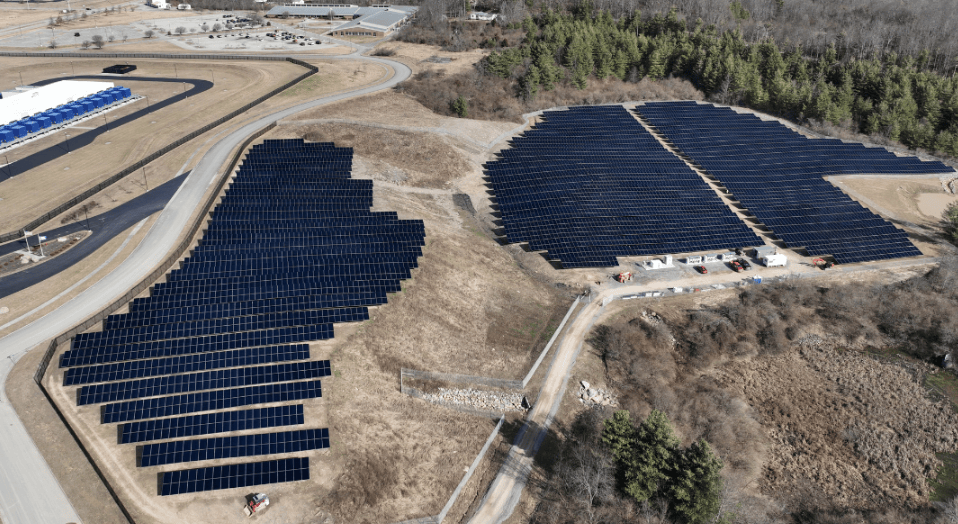
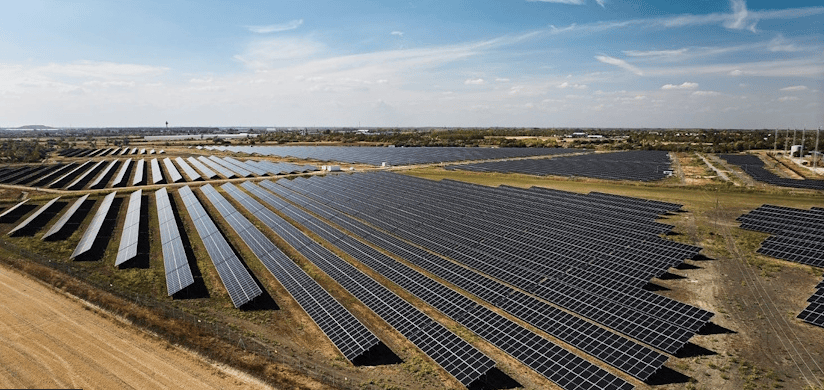
For remote communities with transmission constraints, the advantages of storage are even more pronounced. Homer Electric Association in Alaska installed a 46.5 MW/93 MWh battery to reduce daily fuel costs exceeding $20,000 caused by interruptions on a single 115 kV transmission line, and secured a $100 million U.S. Department of Agriculture loan in 2024 for expansion. Golden Valley Electric Association also used a $100 million loan to deploy two 46 MW/92 MWh cold-weather batteries to improve reliability and reduce fuel costs. Kaua‘i Island Utility Cooperative in Hawaii received approval for a 43 MW/172 MWh solar-plus-storage project that can meet nearly 20% of load, with projected savings of approximately $365 million over 25 years, saving typical residential customers up to $21 per month. Tideland EMC in North Carolina operates a nearly decade-old microgrid pairing a 3 MW diesel generator with a 1 MWh battery and a small solar array to power storm-prone Ocracoke Island. Valley Electric Association in Nevada plans to deploy a 35 MW bulk battery array and a 2 MW solar-plus-storage facility to address public safety power shutoffs related to wildfires. Connexus Energy in Minnesota built one of the first 15 MW/30 MWh batteries in 2018, and its 2.5 MW/10 MWh standalone battery installed in 2025 saved members money by avoiding transformer upgrades while capturing value streams in the MISO market.
This article is compiled by Wedoany. All AI citations must indicate the source as "Wedoany". If there is any infringement or other issues, please notify us promptly, and we will modify or delete it accordingly. Email: news@wedoany.com
Related Products


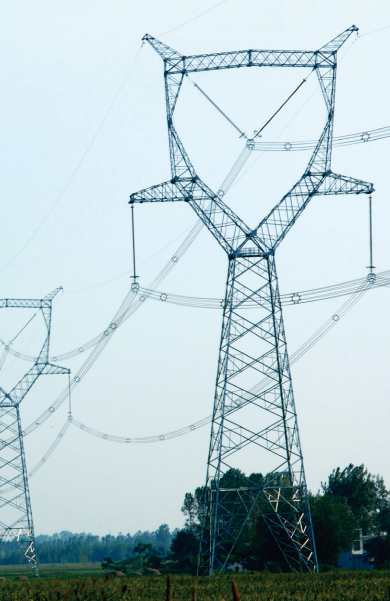
1000kV Jin Southeast-Nanyang-Jingmen UHV AC Transmission and Transformation Pilot Demonstration Project
Anhui Hongyuan Steel Tower Co., Ltd.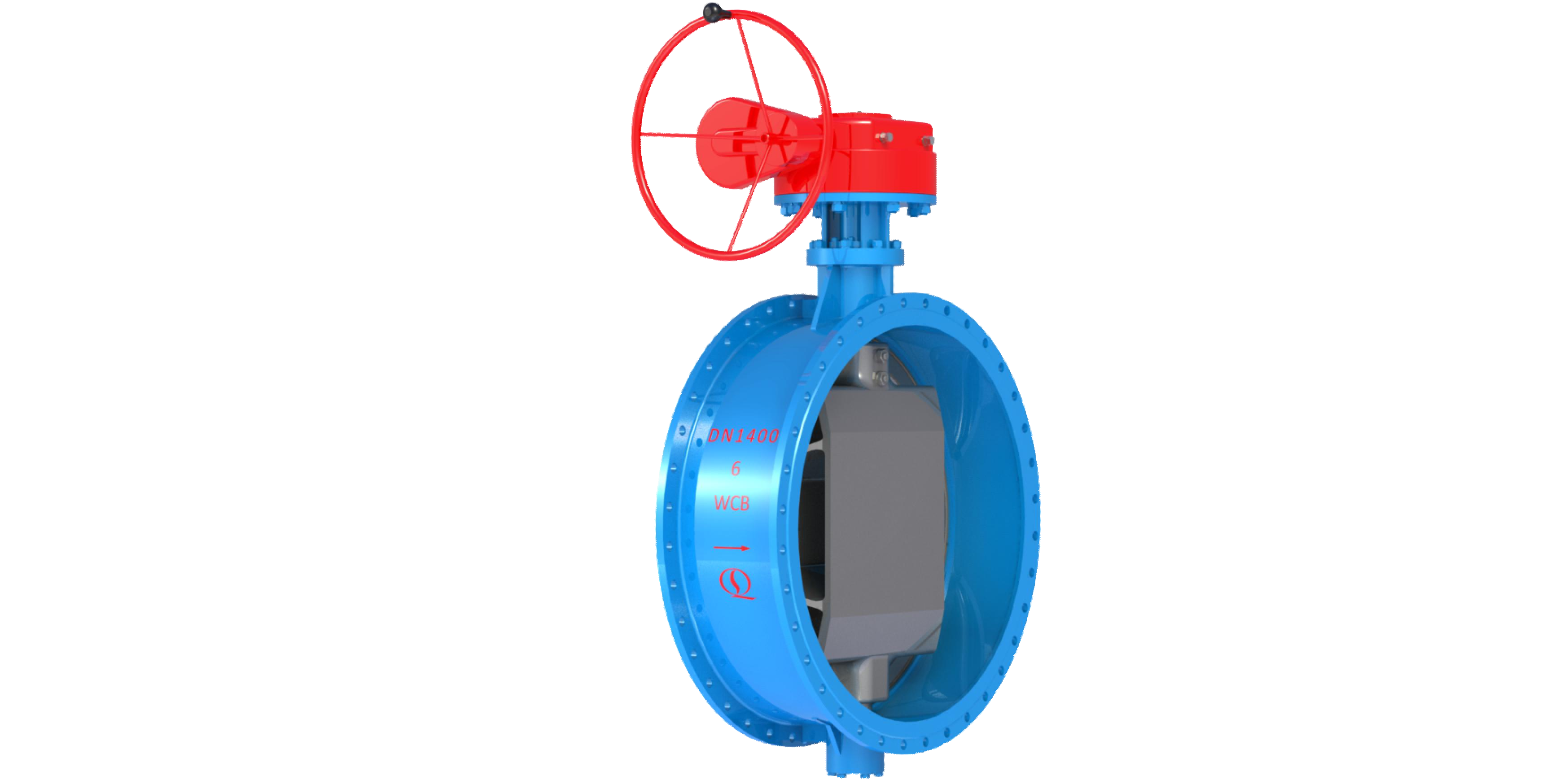
Bidirectional Metal Hard Sealed Seawater Butterfly Valve
Henan Quanshun Flow Control Science & Technology Co., Ltd.
6kV-35kV Medium and High Voltage Direct-Connected Energy Storage System
Hainan Jinpan Smart Technology Co., Ltd.
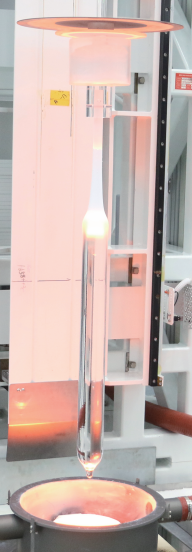
G.652.D Wavelength-extended Non-dispersion Shifted Single-mode Optical Fiber
HONGAN GROUP CO., LTD.

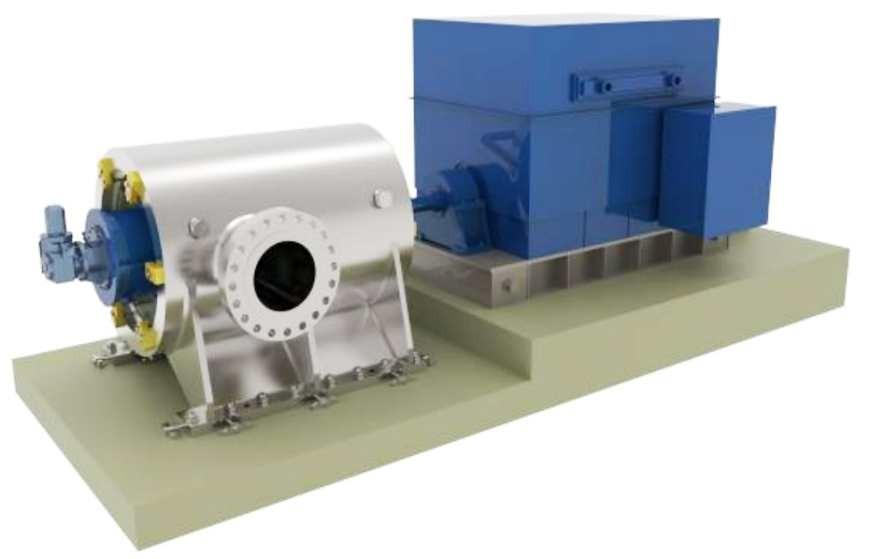
Hydraulic Turbine Genset
Dongfang Electric Corporation Dongfang Electric Machinery Co., Ltd.
Hydrogen production and hydrogenation charging refueling gas integrated energy station
Shenzhen Kohodo Hydrogen Energy Co., Ltd.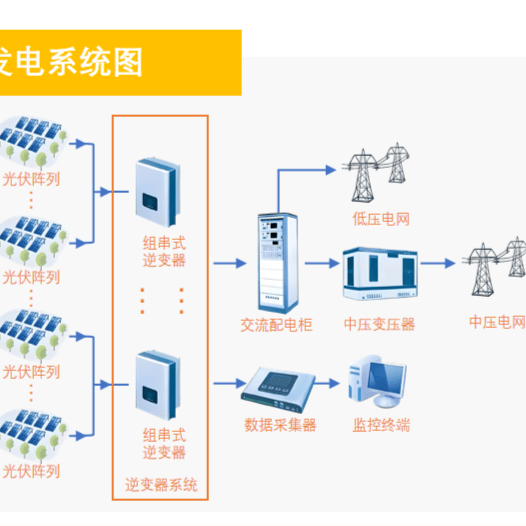
Photovoltaic and Wind Power Generation Technology
Beijing Boqi Electric Power SCI-TECH Co., Ltd.