UK Gov’t Working on CfD Scheme Reforms to Accelerate Offshore Wind Buildout
 Wedoany.com Report-Feb 25, The UK’s Department for Energy Security and Net Zero (DESNZ) has initiated a consultation process regarding proposed updates to the Contracts for Difference (CfD) scheme for Allocation Round 7 (AR7). Among the changes, the DESNZ suggests easing eligibility rules for fixed-bottom offshore wind farms, allowing projects without full planning consent to take part in the CfD allocation process.
The consultation began on 21 February 2025 and will conclude on 21 March 2025, providing stakeholders a window to submit their feedback.
These proposed updates to the CfD scheme cover adjustments for fixed-bottom and floating offshore wind projects, as well as onshore wind and solar energy initiatives. Several of these modifications align with the Clean Power 2030 Action Plan, released by the DESNZ in December 2024. This plan outlines a strategy to achieve a nearly fully clean power system in the UK by 2030, targeting 95 percent of Great Britain’s electricity from clean sources, with gas limited to 5 percent of total generation.
For offshore wind, the reforms include revising eligibility requirements related to planning consent for fixed-bottom projects. The updates also propose changes to how budgets are determined and shared, enabling the government to review anonymised bid details. Another adjustment involves extending phasing to floating wind projects in AR7. Currently, only fixed-bottom offshore wind projects can be developed in phases, and this change would allow floating wind projects to be constructed in stages, reducing risks during implementation.
The CfD reforms further suggest extending contract durations beyond the existing 15-year term. Longer contracts are expected to lower overall project expenses and provide greater market stability after contracts are secured.
According to a DESNZ press release on 21 February 2025: “The UK already has 30.7 GW of offshore wind either installed or committed, with a further 7.2 GW of capacity consented, against a target capacity range of 43 to 50 GW needed for clean power by 2030. These reforms will enable the UK to go further and faster to secure its position as a clean energy superpower.” The statement highlights the progress made and the role of these changes in supporting the UK's energy goals.
The consultation reflects efforts to refine the CfD framework, ensuring it supports a broad range of renewable energy projects while advancing the country’s clean energy objectives by 2030. Stakeholders have until the specified deadline to contribute their perspectives on these proposed adjustments.
Related Products
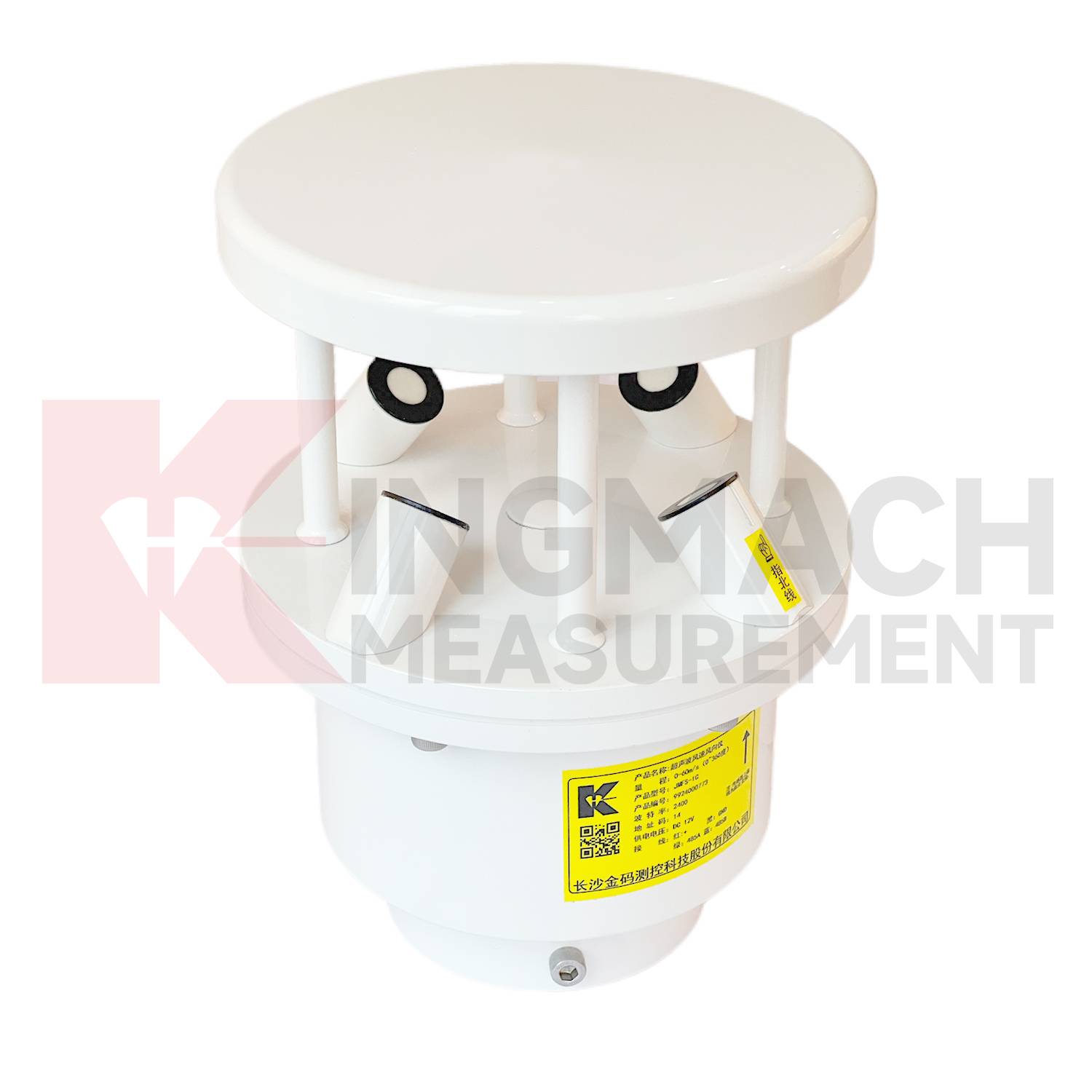

Ultrasonic Wind Speed and Direction Instrument
Kingmach Measurement & Monitoring Technology Co., Ltd.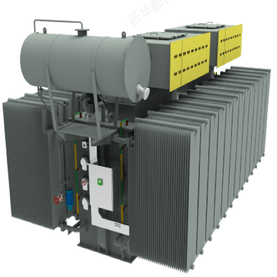
Oil-Immersed Converter Transformer for Variable Frequency Speed Control
Newonder Special Electric Co., Ltd.
Wind Turbine Generator
Dongfang Electric Corporation Dongfang Electric Machinery Co., Ltd.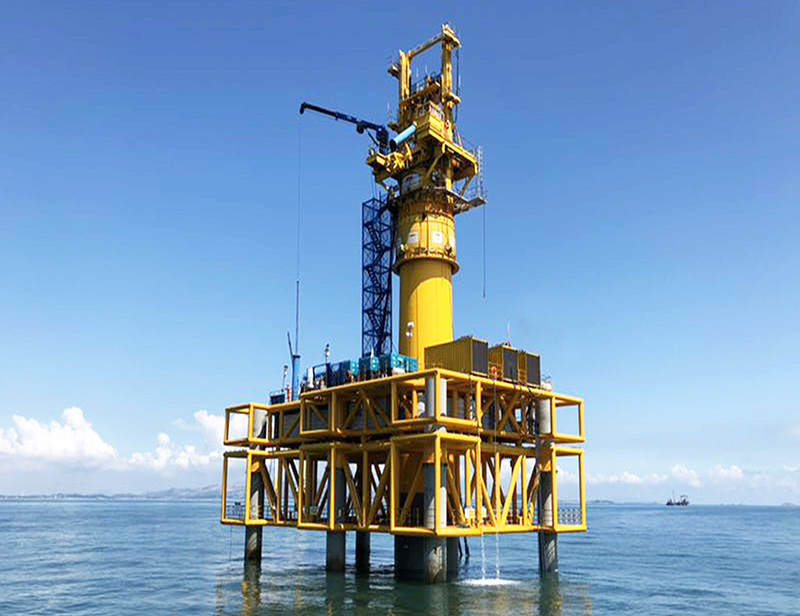
CITIC Heavy Industries Offshore Wind Power Equipment Hydraulic Pile Hammer
CITIC Heavy Industries Co., Ltd.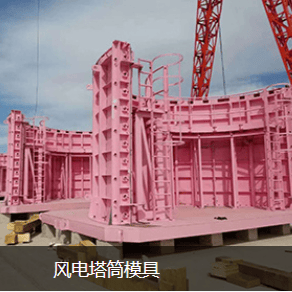
Wind Power Tower Mold
Qinhuangdao Tianye Tolian Heavy Industry & Technology Co., Ltd.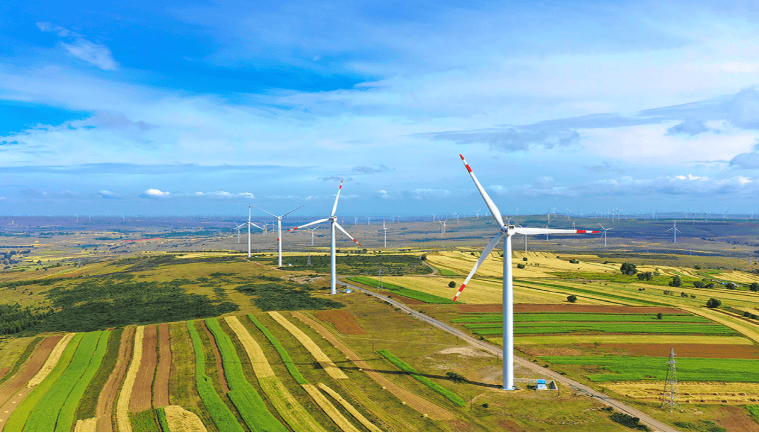
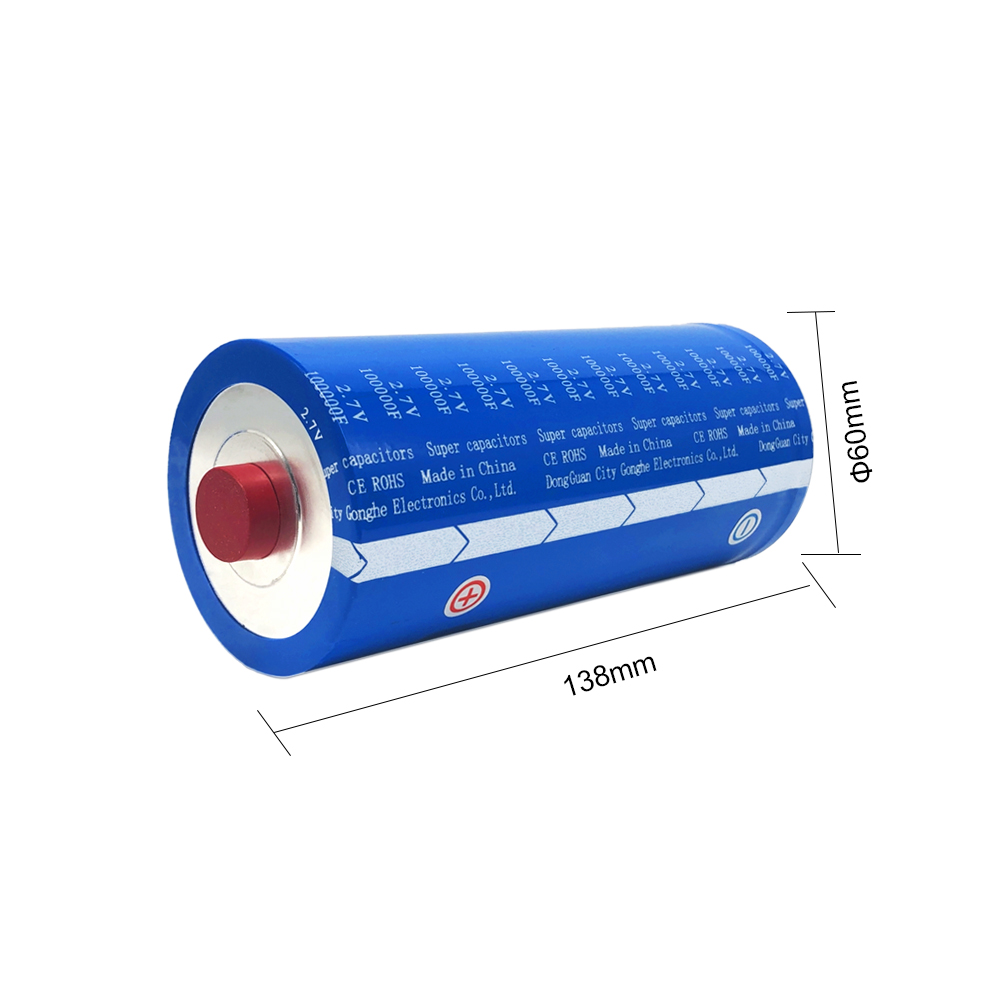
2.7V 100000F (60wh) 60138 high-power energy storage power starting power supply (instantaneous high current), low-temperature discharge, long service life, 100000 times of use
Gonghe Power Co.,LTD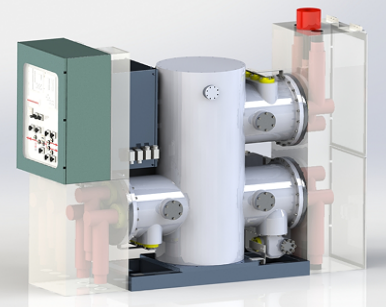
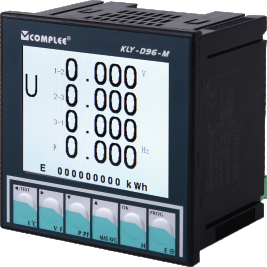
Digital Multifunctional Electrical Measuring Instrument
Shanghai Complee Instrument Co.,Ltd.