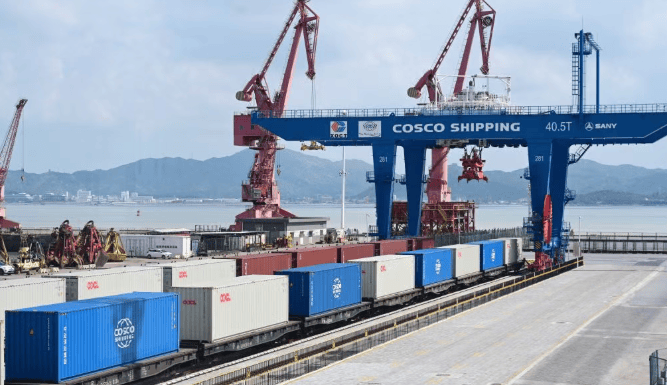
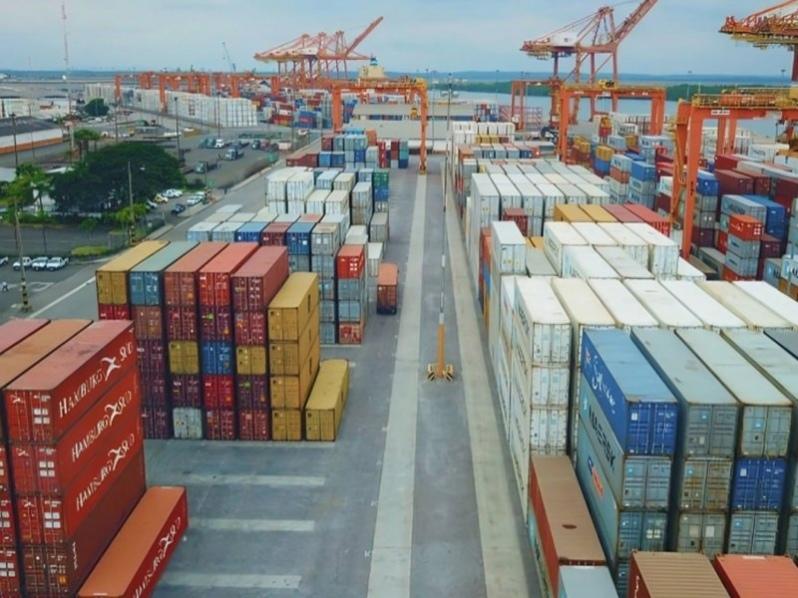
en.Wedoany.com Reported - Ecuador's National Assembly has advanced to a second reading a reform proposal to amend the Organic Code of Production, Trade and Investment (COPCI), aimed at resolving the backlog of approximately 12,000 abandoned containers at the country's ports, some of which have been stored for up to 18 years.
The legislative proposal, consisting of seven articles, two general provisions, three transitional provisions, and one final provision, incorporates recommendations from the National Customs Service of Ecuador (Senae). It seeks to optimize customs management, alleviate congestion in logistics infrastructure, enhance port competitiveness, and establish a more efficient process for disposing of abandoned cargo.
Information disclosed during the first reading revealed that these abandoned containers hold various goods, including vehicles, clothing, household appliances, electronic devices, pharmaceuticals, beauty products, and refrigerated cargo containing perishable food items, some of which have already rotted, posing potential environmental risks.
Representatives from the Association of Private Port Terminals of Ecuador (ASOTEP) indicated that at some strategic hub terminals, over 65% of abandoned containers have been stored for more than five years, with cases of cargo being detained for over 18 years. Beyond the goods themselves, costs involve storage, security, documentation, inventory, monitoring, handling, and site maintenance. According to published information, the annual storage fee for a single dry container can reach $76,362, while for a refrigerated container, it can reach $159,116 per unit.
Unsettled service fees related to these abandoned containers exceed $1.2 million, and the costs associated with destroying refrigerated cargo amount to approximately $38,000. Based on available data, the value of the detained cargo linked to these containers is around $450 million, with an average detention period of 365 days.
Among the proposed modifications, the bill stipulates that administrative procedures should be initiated when goods have been under customs control for six months. Additionally, the legislation sets timeframes for declaring abandonment, conducting inventory checks, appraisals, classification, auctions, transfers, and destruction. It also addresses modifications to regulations on administrative confiscation, the declaration of final abandonment of vehicles entering with tourists, and mechanisms for the free transfer of goods to public institutions and organizations.
The proposal mandates that goods stored under customs control for over one year must undergo inventory checks and appraisals. After the results are published, a period will be opened for potential owners to prove their rights to the goods. If unclaimed after this period, the goods may be transferred or auctioned according to established procedures.
The Economic Development Committee of the National Assembly will continue to gather opinions and conduct a new round of consultations before drafting a report for the second reading and final debate.
This article is compiled by Wedoany. All AI citations must indicate the source as "Wedoany". If there is any infringement or other issues, please notify us promptly, and we will modify or delete it accordingly. Email: news@wedoany.com