en.Wedoany.com Reported - CEVA Logistics urgently chartered a replacement heavy-lift vessel after the original carrier canceled the booking due to geopolitical turmoil in the Persian Gulf, successfully transporting approximately 5,000 cubic meters of Mitsubishi power equipment to a new power plant in Malaysia without delaying the project schedule.
The shipment, commissioned by a power plant project contracted to a Chinese state-owned enterprise, included high-value Mitsubishi gas turbines and generators, with the heaviest single piece weighing 425 tons, requiring a heavy-lift vessel with a lifting capacity of 700 to 800 tons.
This operation reflects a prevalent pattern in the project logistics sector: energy infrastructure schedules based on regular shipping routes are being tested by ongoing instability in the Persian Gulf region, forcing freight forwarders to urgently and costlier replace vessels on short notice.
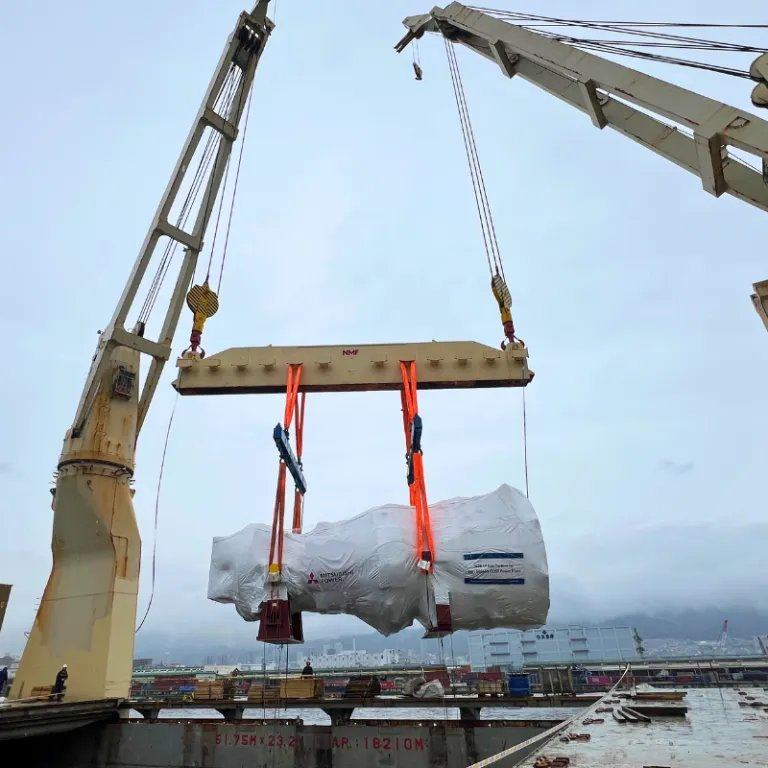
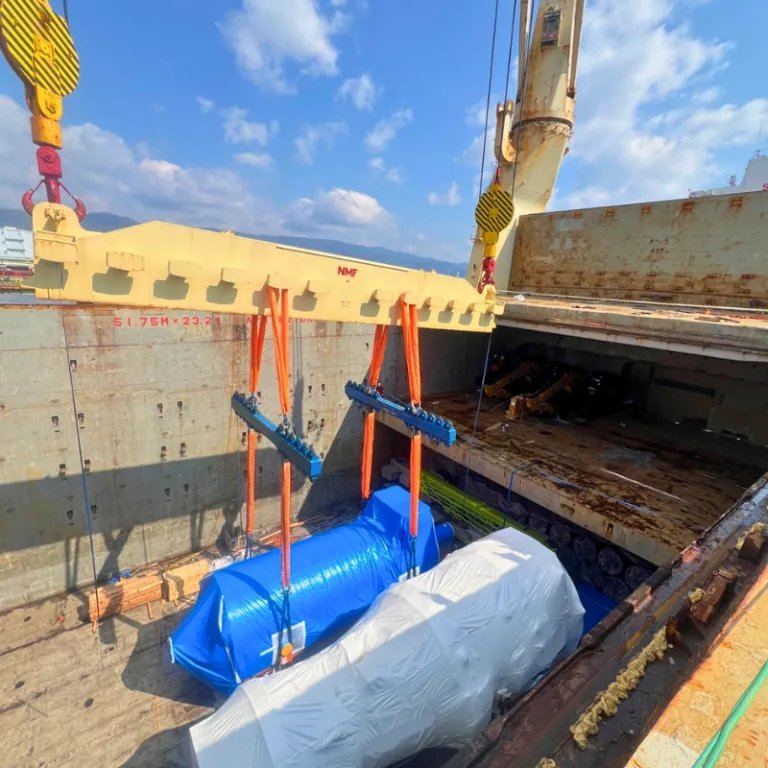
After the original carrier suspended sailings due to Middle East situation, CEVA's project logistics team directly chartered a replacement vessel, leveraging its regional chartering department to find a suitable heavy-lift multipurpose vessel capable of accommodating oversized equipment within the tight timeline of the project's critical path.
CEVA acted as a centralized control center overseeing the entire operation, managing synchronized logistics from multiple loading ports. The company split the transport task into two strategic batches, a decision that allowed the team to independently manage vessel availability and port scheduling constraints rather than betting all cargo on a single voyage.
Maritime operations in the Middle East have only partially resumed, with limited carrier visibility and rising rates, while terminal operations at Oman's Port of Salalah were temporarily disrupted earlier this year, further intensifying time pressure on voyages through the Persian Gulf.
To manage the transition from sea to land transport, CEVA dispatched a dedicated discharge supervisor from its China team. The supervisor oversaw pre-discharge procedures, coordinated the vessel's heavy-lift cranes, and personally supervised the safe unloading of the 425-ton turbine.
Deploying an on-site supervisor reflects industry standards for oversized power equipment transport: the consequences of a discharge accident extend beyond cargo damage to include months of project delays, penalty clauses, and power generation shortfalls for end customers.
The receiving combined-cycle gas turbine power plant is one of a series of large-scale energy infrastructure projects under development in Malaysia. Under Belt and Road-related initiatives, Malaysia has attracted significant investment from Chinese state-owned enterprises in power generation capacity.
Ongoing tensions in the Middle East, particularly the instability affecting Persian Gulf trade routes, have forced carriers and logistics providers to reconfigure services and deploy alternative multimodal transport logistics corridors to sustain cargo movement.
CEVA completed the acquisition of global project logistics specialist Fagioli Group on March 31, 2026, following regulatory approval of a share purchase agreement signed in December 2025. Fagioli is a leader in the design, engineering, and execution of specialized transport, heavy lifting, and rigging activities, adding approximately 450 employees and thousands of owned and leased assets to CEVA's project logistics division.
At a time when vessel scarcity and route volatility make independent asset control a competitive advantage in the project cargo market, Fagioli's integration expands CEVA's in-house heavy-lift engineering capabilities.
CEVA reported revenue growth of 6.6% in the first quarter of 2026, reaching $4.56 billion. During this period, disruptions on Middle East routes had already begun to impact project logistics pricing and scheduling.
For power project developers and EPC contractors, the transport operation from Japan to Malaysia highlights the current commercial reality of energy infrastructure supply chains: single-source vessel bookings face higher cancellation risks, and contingency planning for rapid re-chartering is no longer optional for critical-path energy projects transiting or near the Persian Gulf corridor.
This article is compiled by Wedoany. All AI citations must indicate the source as "Wedoany". If there is any infringement or other issues, please notify us promptly, and we will modify or delete it accordingly. Email: news@wedoany.com