Sika Spain participates in Valdesc to promote the reuse of 40 million tons of construction waste
en.Wedoany.com Reported - Sika has participated in the Spanish Valdesc R&D innovation project, funded by the Community of Madrid, aimed at promoting the recycling of 35 to 40 million tons of construction and demolition waste (CDW) annually, with a focus on non-stony materials of higher technical complexity.
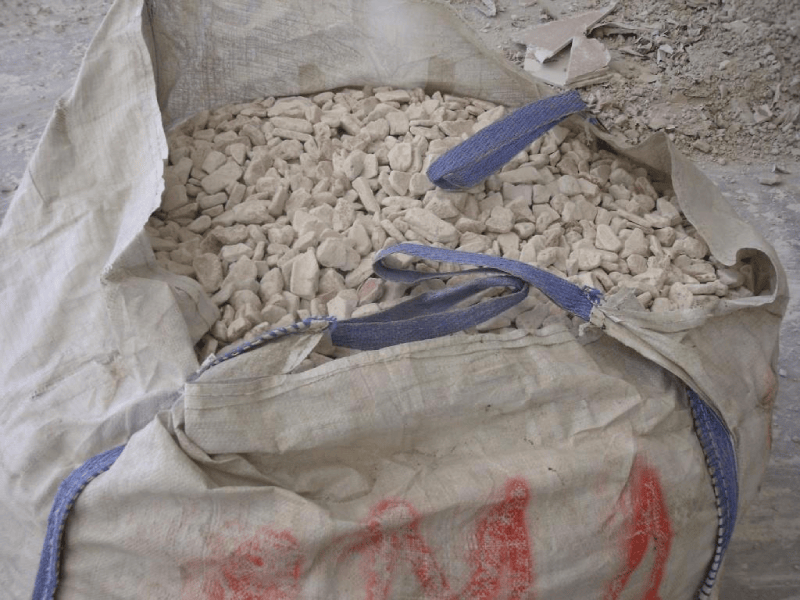
The consortium, composed of 11 strategic partners including Surge Ambiental, Tecnalia, Cementos La Cruz, and Sika, aims to address the challenges of circularity in the construction industry through public-private collaboration, particularly for materials such as gypsum, engineering plastics, or mineral wool insulation. The main challenge of the project focuses on the management of high-complexity construction waste. Jaime Moreno, Tecnalia researcher and project manager, pointed out that the challenge is no longer just recycling, but avoiding the landfilling of these materials due to their low density, high heterogeneity, or pollutant content, and reintegrating them into the value chain with adequate technical guarantees. With 35 to 40 million tons of construction waste generated annually, the real challenge lies in the recycling of non-stony solutions of high technical complexity, such as engineering plastics, gypsum, or insulation materials like mineral wool.
In the podcast Desafío 30/50, Cristina Valverde, Head of Concrete R&D at Sika Spain; Jaime Moreno, Tecnalia researcher; Juan Diego Berjón, Head of Waste Management Services at Surge Ambiental; and Pilar Hidalgo, Innovation Director at Cementos La Cruz, analyzed the challenges, needs, and progress of the initiative. Juan Diego Berjón stated that the initiative specifically focuses on the valorization of complex construction waste and the digitization of the supply chain through advanced tools. The transition to a climate-neutral built environment requires a profound change in construction models, considering the entire lifecycle of a building from design to end-of-life, with a focus on the recovery, reuse, and valorization of resources. The Valdesc project addresses this issue from a comprehensive perspective, combining technological innovation, eco-design, and supply chain digitization, aiming to ensure a more uniform and traceable material flow.
Juan Diego Berjón mentioned that the project involves end users of recycled products, clarifying the required materials to accelerate time-to-market. To achieve this, it is essential to guarantee companies like Sika a homogeneous product quality and a determined supply volume, with no interruptions in supply. From an operational and logistical perspective, Berjón noted that the current paradigm must change, implementing eco-design in new construction solutions and planning for their future demolition. Pilar Hidalgo emphasized that strict process control proves that building materials made from recycled raw materials are not of lower quality and may even outperform original products, as demonstrated by incorporating crushed mineral wool into a decarbonized cement matrix. In this system, manufacturers play a key role as enablers, transforming complex waste into useful and economically viable products. Sika participates cross-sectorally by developing low environmental impact solutions, with its innovations applied to meet industry needs. Cristina Valverde explained that Sika is involved in many tasks, providing different solutions and acting as a process enabler through grinding aids, cement enhancers, and water reducers designed for each specific need. This strategy directly aligns with the company's global initiatives, particularly reflecting the framework and technology of Sika Circular Concrete activities, which focus on closing the concrete lifecycle and promoting the efficient use of secondary raw materials worldwide.
This article is compiled by Wedoany. All AI citations must indicate the source as "Wedoany". If there is any infringement or other issues, please notify us promptly, and we will modify or delete it accordingly. Email: news@wedoany.com
Related Products

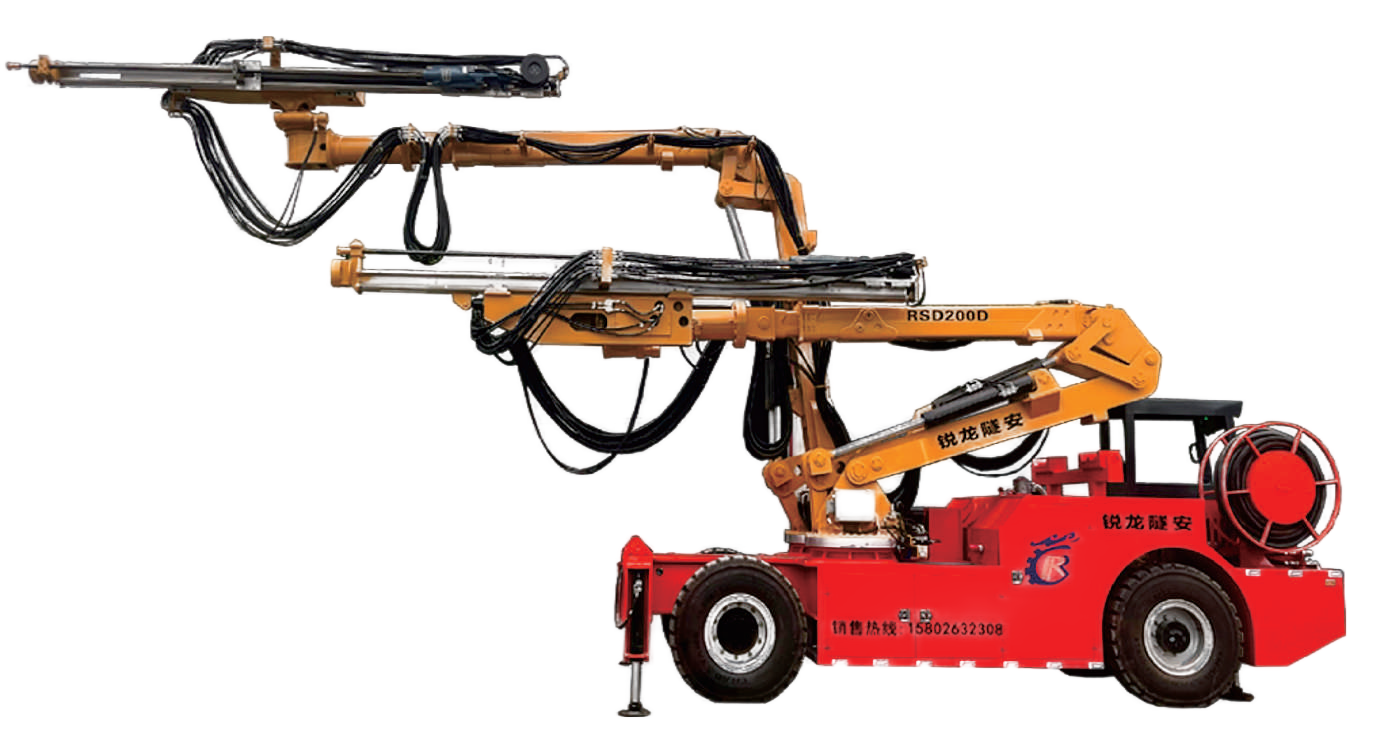
Dual-curved Arm Rock Drilling Trolley RSD200D
Chengdu Ruilong Machinery Manufacturing Co., Ltd.
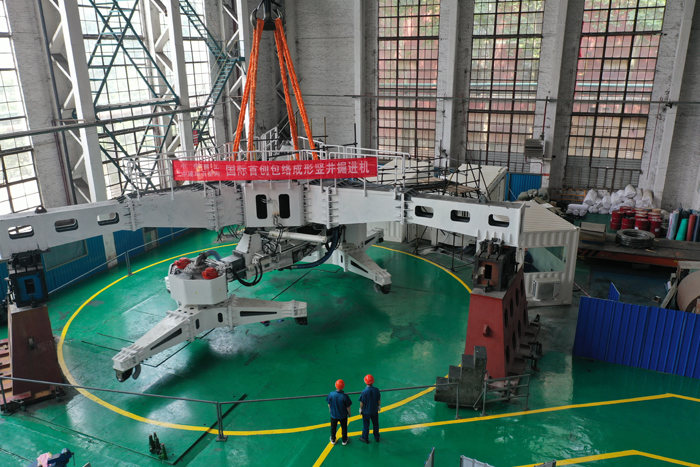
CITIC Heavy Industries Tunneling Equipment Tunnel Engineering Shield Machine
CITIC Heavy Industries Co., Ltd.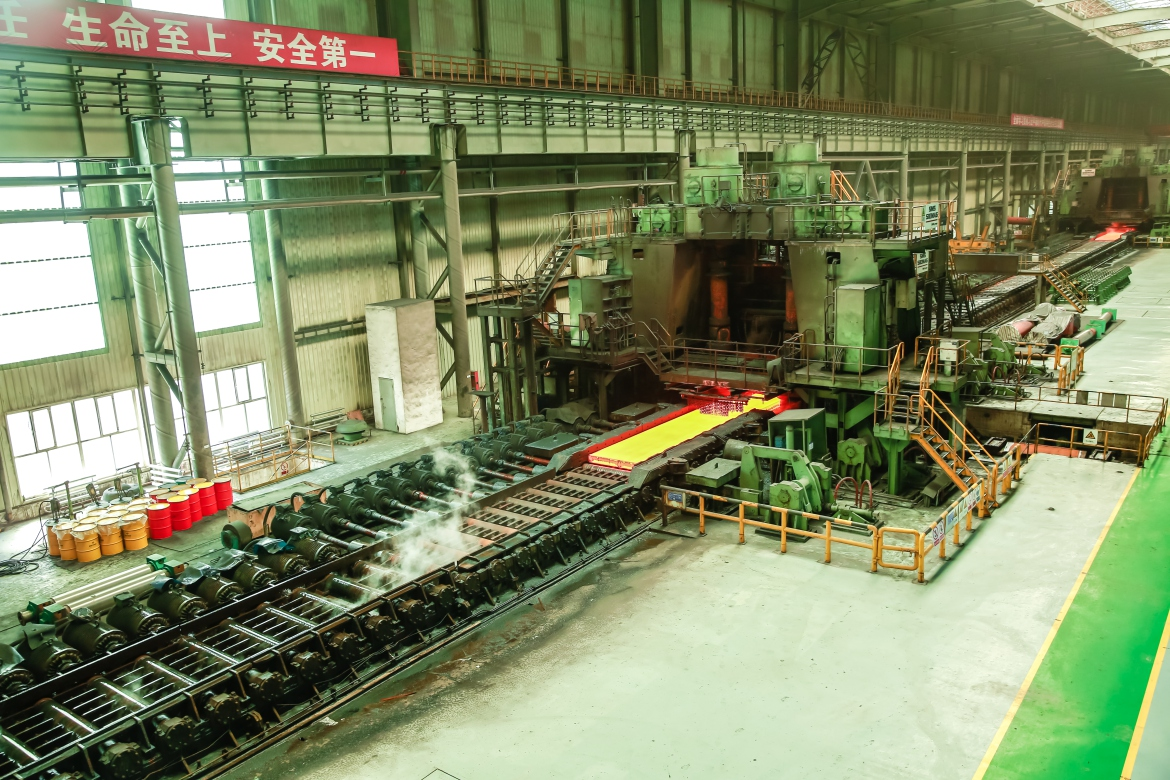

Ceiling light | led Ceiling Light | LED Indoor light | LED Ceiling lighting
Queendom Group Technology Co., Ltd.
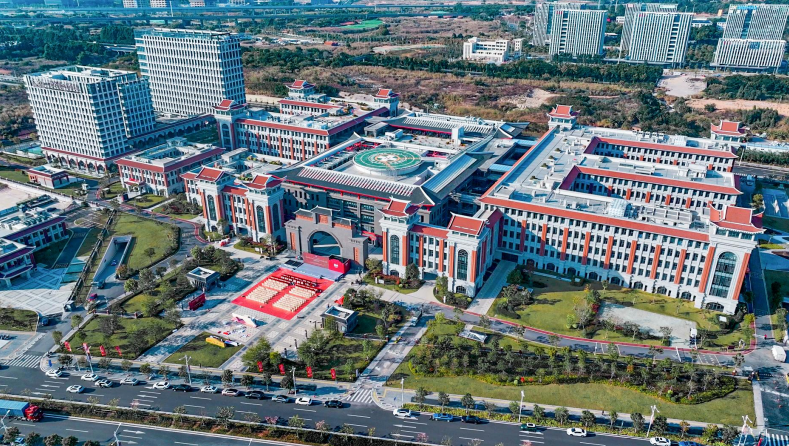
West China Xiamen Hospital of Sichuan University
Wuhan Huakang Century Clean Technology Co., Ltd.