en.Wedoany.com Reported - Southwest Airlines, the largest customer of Boeing's 737 series, has ordered over 1,700 737 aircraft in total. June 2026 will mark the 50th anniversary of the airline's first order for the Boeing 737, with the initial aircraft acquired being original orders that other airlines did not take delivery of. Apart from briefly operating leased Boeing 727s, Southwest has consistently focused on the 737 model and plans to operate an all-737 MAX fleet by 2031.
Notably, amid the growing popularity of larger narrowbody aircraft, Southwest Airlines is concentrating on the two smallest models in the 737 MAX family—the 737 MAX 8 and 737 MAX 7. The airline has not ordered the 737 MAX 9 or MAX 10 and has shown no interest in these two variants. This choice is particularly striking because the 737 MAX 10 is increasingly popular worldwide and has even been ordered by other all-737 operators like Ryanair, making Southwest the airline most committed to using the smaller models.
When designing aircraft, manufacturers typically start from a baseline model and can develop different versions by stretching or shrinking the fuselage. Stretched variants reduce cost per seat but sacrifice performance, while shortened variants do the opposite. Manufacturers may also reinforce the structure of stretched variants to compensate for deficiencies, but this can also diminish some advantages. In the previous generation of Boeing 737s, the baseline 737-700 sold less than the improved stretched 737-800, while the shortened 737-600 and stretched 737-900/737-900ER both performed poorly. However, the 737 MAX series, equipped with more fuel-efficient engines that improve range, has made the stretched 737 MAX 10 sufficient to meet the needs of most airlines.
The 737 MAX 10 consumes only slightly more fuel than the 737 MAX 8 but offers significantly higher passenger capacity, resulting in lower cost per seat. This model has become the second most popular in the 737 MAX family, while competitor Airbus's A321neo has outsold the entire 737 MAX family. Demand from airlines for the performance offered by smaller models has notably declined. Additionally, the CFM LEAP engines on the 737 MAX are heavier than the CFM56 engines used on the previous generation 737NG, increasing the aircraft's relative weight and harming the economics of the 737 MAX 7. This model has received only about 300 orders, while the competing Airbus A319neo has sold just 57 units.
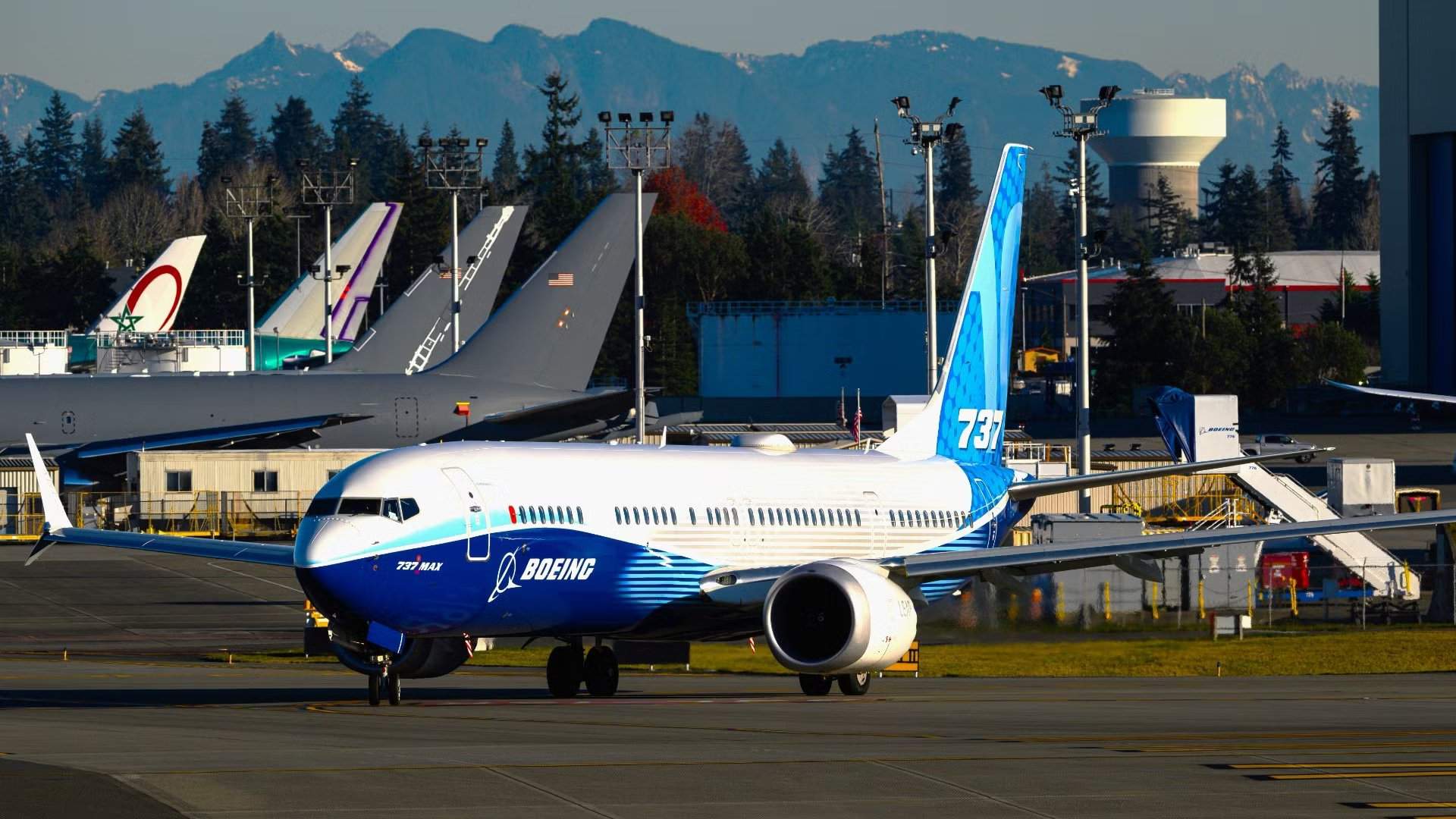
Southwest Airlines has traditionally avoided adopting the largest models in the 737 family. The airline never operated the 737-400, preferring the 737-300 and 737-500, and did not begin operating the 175-seat 737-800 until 2012. Before that, Southwest only operated the 143-seat (later reconfigured to 137 seats) 737-700, the 137-seat 737-300 (retired in 2017), and the 122-seat 737-500 (retired in 2016), and retired the 122-seat 737-200 in 2005. Southwest's business model is centered on point-to-point routes, offering numerous daily frequencies to attract business travelers and capturing market share through a diverse route network. The airline ultimately operates as a hybrid of a traditional carrier and a low-cost airline, focusing not only on cost per seat but also on providing high-frequency service.
Southwest's primary ordering of the 737-800 is due to existing airport capacity constraints, but the 737-700 remains the dominant model in its fleet. The airline places a high priority on maximizing fleet commonality, currently operating only three aircraft variants and aiming to standardize to two. While it may order the 737 MAX 10 in the future, the airline currently needs smaller aircraft and as few variants as possible, which is reflected in its order book consisting mainly of the 737 MAX 7 and 737 MAX 8.
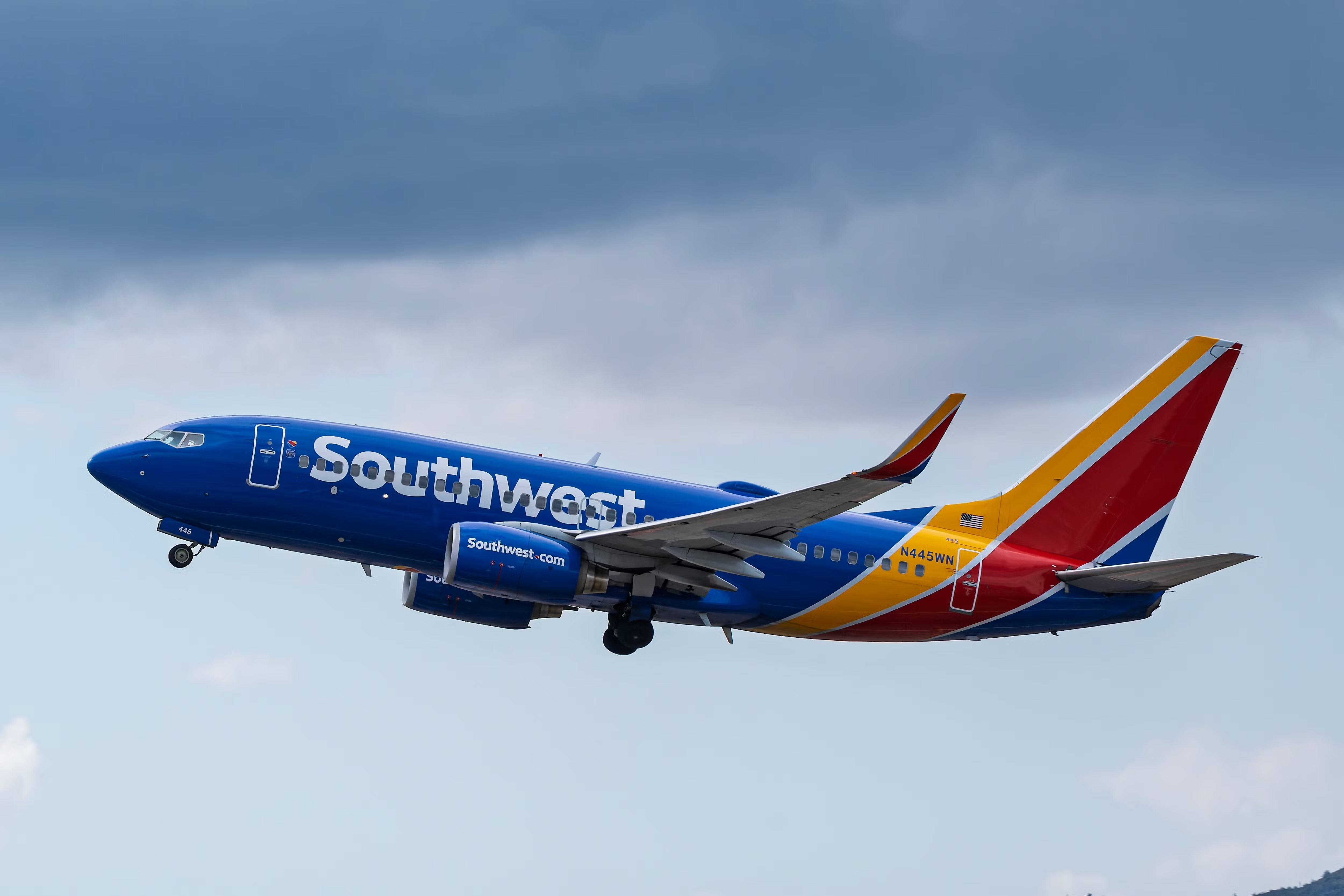
Although the 737 MAX 8 and MAX 9 are essentially upgraded versions of the 737-800 and 737-900ER, the 737 MAX 7 is distinctly different from the 737-700. Boeing redesigned the aircraft to retain the MAX 8's structure, making it a direct shrink, and the aircraft itself is larger than the 737-700. The 737 MAX 7 consumes only slightly less fuel than the MAX 8 while having lower revenue potential, thus receiving only about 300 orders. Southwest holds 269 of these orders, and the modification requirements for this model were proposed by the Dallas-based airline itself—seeking an aircraft with lower cost per seat. Although Southwest has also ordered a total of 496 737 MAX 8s, the MAX 7 will become an integral part of its fleet. By extensively using the 175-seat MAX 8 and the higher-capacity MAX 7 to comprehensively enhance network capacity, the airline sees little need to order the MAX 10.
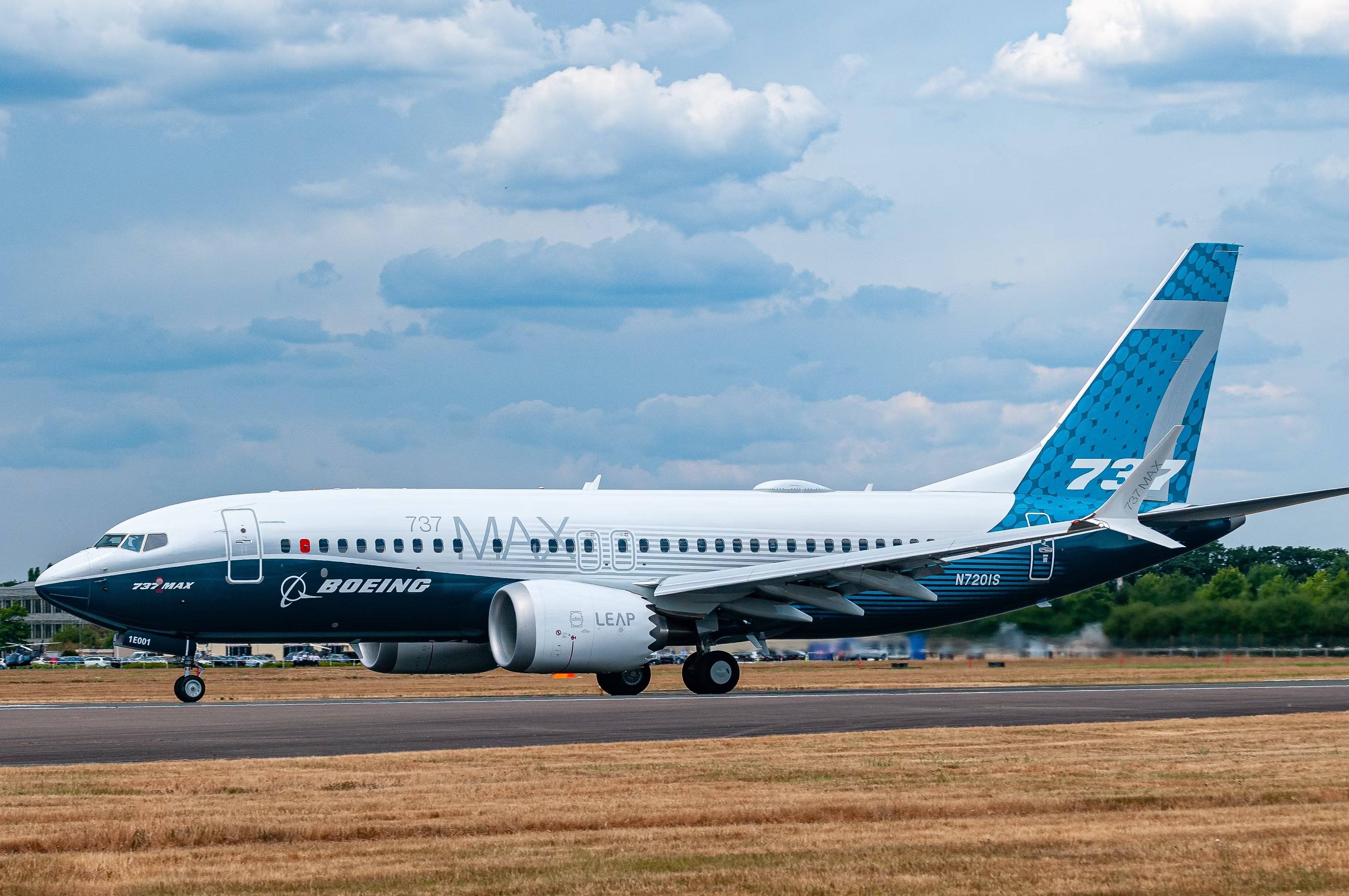
Total orders and operational numbers for each Southwest Airlines aircraft model (per Planespotters.net): Boeing 737-200: 62, Boeing 737-300: 195, Boeing 737-500: 25, Boeing 737-700: 514, Boeing 737-800: 207, Boeing 737 MAX 7: 269, Boeing 737 MAX 8: 496.
Southwest Airlines has taken delivery of over 300 737 MAX 8s and is currently awaiting certification of the 737 MAX 7. The MAX 7 is expected to be certified by the end of summer, while the 737 MAX 10 is anticipated to be certified by the end of the year. This is significant for Southwest and the many customers that have ordered the MAX 10. These aircraft have been delayed for nearly six years, and for Southwest, this will accelerate the retirement of its 737NG fleet.
The 737 MAX 8 is the most popular model in the 737 MAX family, with over 4,800 orders, accounting for approximately 70% of total 737 MAX orders. Its sales surpass those of the competing A320neo, primarily because it can carry slightly more passengers and has a longer range. On the other hand, the 737 MAX 9 is at a disadvantage in competition with the A321neo, despite having lower fuel consumption per segment, due to higher operating costs per seat. This situation is identical to that of the A321-200 and 737-900ER. The Airbus A321neo, being larger and more economical, has achieved tremendous success, securing about 64% of A320neo family orders.
The 737 MAX 10, designed to offer cost per seat competitive with the A321neo, has received over 1,400 orders. Once it enters service, the 737 MAX 9 will largely become irrelevant. The 737 MAX 7 has poor sales, but this is not a major issue for Boeing. As the cheapest Boeing aircraft, the MAX 7 generates less revenue and is primarily targeted at specific customers like Southwest. This is also why Airbus is not concerned that its A319neo has sold only 57 units—Airbus prefers to sell the A321neo.
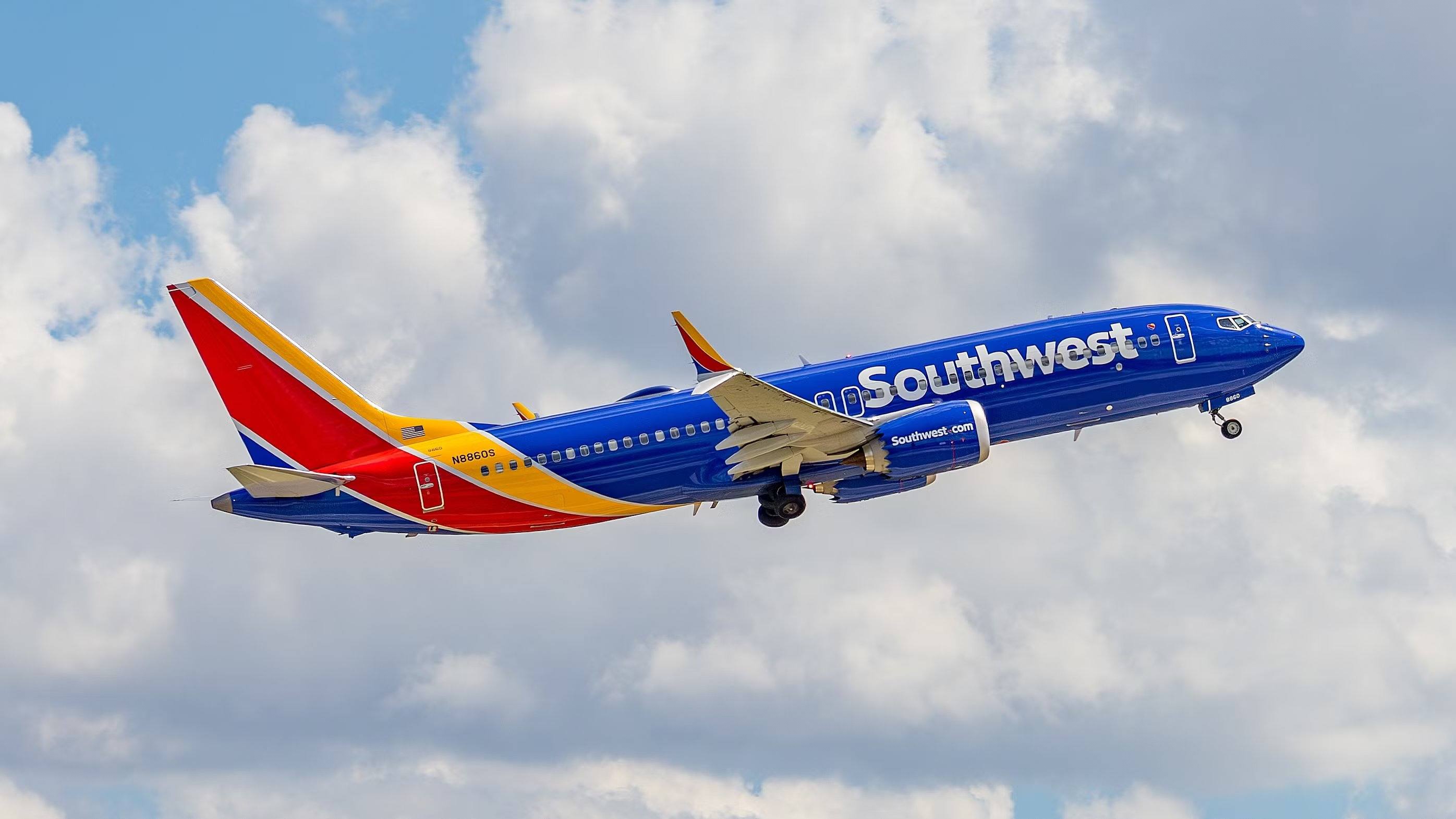
Southwest Airlines is the world's largest all-737 operator, with nearly 800 aircraft. Although adding other aircraft types has been discussed, the airline has consistently chosen to stick with the 737. Operating only the 737 allows Southwest to standardize parts for nearly 800 aircraft, train staff on a single type, and easily swap aircraft on routes with minimal operational impact. The airline also tends to keep aircraft variants simple, as operating multiple sizes of 737 still adds complexity. Given Southwest's plan to standardize on the MAX 7 and MAX 8, it would only order the MAX 10 in the future if airport constraints make it absolutely necessary.
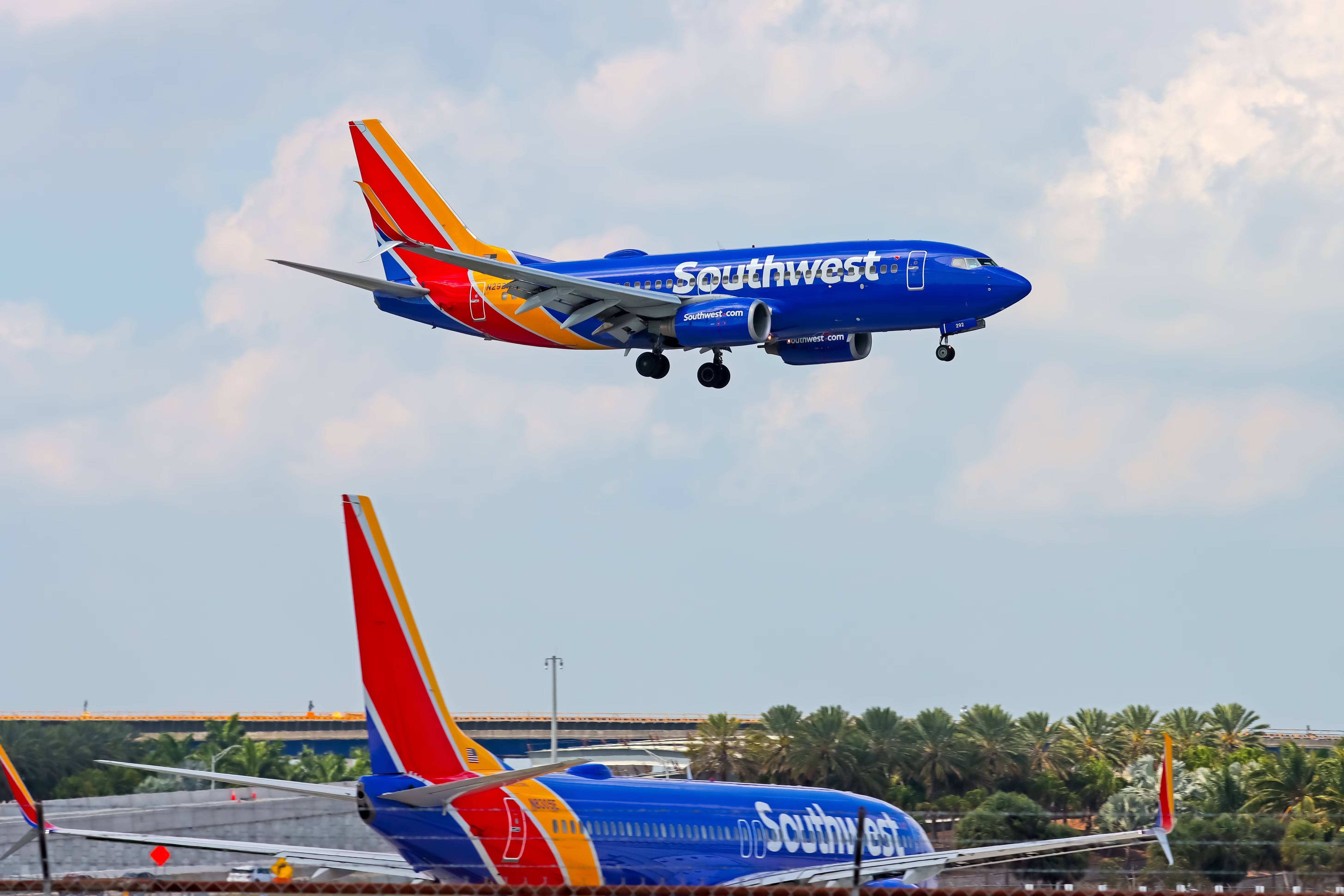
Aircraft order data by model: Airbus A220-300: 1,002, Embraer E195-E2: 424, Boeing 737 MAX 7: approximately 300, Airbus A220-100: 108, Embraer E190-E2: 65, Airbus A319neo: 57.
Although the Airbus A220-300 is the leader in its market segment, the 737 MAX 7 is a model customized specifically for Southwest Airlines, and the A220 has never truly had an opportunity. When the Boeing 737 is eventually retired, Southwest will need to add a new aircraft type. For now, however, the airline remains an all-737 operator, and the MAX 10 is largely out of consideration as Southwest focuses on two lower-capacity 737 models.
This article is compiled by Wedoany. All AI citations must indicate the source as "Wedoany". If there is any infringement or other issues, please notify us promptly, and we will modify or delete it accordingly. Email: news@wedoany.com