Indian Cabinet Approves Ahmedabad Metro Phase II Section A at a Cost of INR 21.69 Billion
en.Wedoany.com Reported - The Union Cabinet of India, chaired by Prime Minister Narendra Modi, has approved Section A of Phase II of the Ahmedabad Metro project. This corridor spans a total length of 6.032 kilometers and comprises five stations, including four elevated stations and one underground station. Once Section A of Phase II becomes operational, the total operational length of the Ahmedabad-Gandhinagar metro network will reach 77.63 kilometers. The five stations on this corridor are Ashram Road, Koteshwar Mahadev, Sabarmati River, Sardar Nagar, and Airport. The total project completion cost, including interest during construction, is INR 21.6904 billion.
Section A of Phase II of the Ahmedabad Metro project aims to significantly improve public transport services in the city. The newly planned metro corridor of approximately 6.032 kilometers will provide seamless connectivity to the airport and link key residential and commercial areas currently lacking efficient transportation. This phase plans to integrate critical zones such as residential areas and commercial centers with the existing Ahmedabad-Gandhinagar corridor. Additionally, sports facilities may be developed near this area in the future for the 2029 World Police and Fire Games and the 2030 Commonwealth Games.
By incorporating these important areas into the metro network, Section A of Phase II not only aims to enhance urban connectivity but also expects to stimulate economic activity and tourism, while alleviating travel pressure for residents and visitors. As an efficient alternative to road transport, extending the metro network to the airport will help ease traffic congestion within Ahmedabad city, leading to smoother traffic flow, shorter travel times, and improved road safety. Furthermore, with the expansion of the metro network, this project is expected to significantly reduce carbon emissions compared to traditional fossil fuel-based transportation.
The reduction in travel time and improved accessibility to urban areas such as the airport, railway stations, and bus terminals is expected to boost productivity, helping people reach their workplaces more efficiently. At the same time, enhanced connectivity can stimulate local business development in areas surrounding new metro stations and attract investment in previously hard-to-reach regions. On a social level, the expansion of the metro network will provide more equitable access to public transportation, benefiting different socio-economic groups, and improve quality of life by shortening commute times and enhancing access to essential services.
Section A of Phase II of the Ahmedabad Metro is expected to create approximately 2,000 jobs during the peak construction period, with around 500 people expected to be involved during system operation and maintenance. Section A of Phase II of the Ahmedabad Metro is regarded as a key infrastructure project for the city, set to play a role in shaping its development trajectory and sustainability.
This article is compiled by Wedoany. All AI citations must indicate the source as "Wedoany". If there is any infringement or other issues, please notify us promptly, and we will modify or delete it accordingly. Email: news@wedoany.com
Related Products


CLW5180TXSD6 Dongfeng Tianjin Washing and Sweeping Truck
ChengLi Special Automobile Co., Ltd.

Industrial and Commercial Point-Type Gas Detector
Jinan Benan Technology Development Co., Ltd.
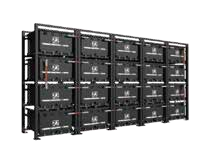
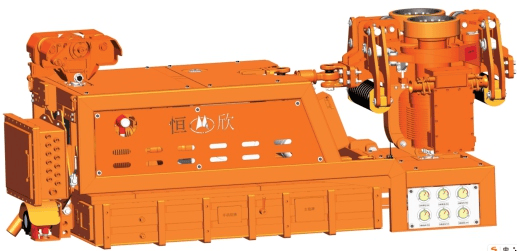
Explosion-proof lithium battery dispatching monorail crane locomotive (permanent magnet frequency conversion integrated machine)
Xiangtan Hengxin Industrial Co., Ltd.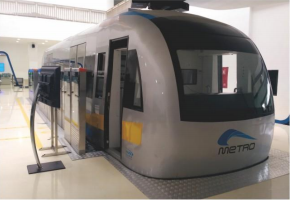
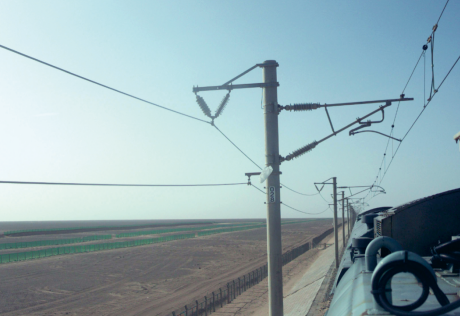
Pantograph-Catenary Comprehensive Detection Device (1C)
CHENGDU TANGYUAN ELECTRIC CO., LTD.