Brazil's Ultracargo Invests R$1.2 Billion in Robots to Expand Capacity and Reduce Risks
en.Wedoany.com Reported - Ultracargo has released its first independent sustainability report (2025), marking a new phase in its governance and transparency strategy. The company is one of Brazil's largest independent liquid bulk storage operators, providing integrated logistics solutions for key economic supply chains. Previously reporting data through its holding company Ultrapar, it now details R$1.2 billion in investments completed during the 2024-2025 cycle, transforming Brazil's logistics landscape through inland expansion, safety processes, and technology. The company is advancing a customer-centric autonomous matrix, aiming to become a safety benchmark by 2030, preventing major incidents, reducing accidents, and strengthening its risk management culture to enhance the efficiency of national logistics corridors serving critical sectors such as agribusiness and biofuels.

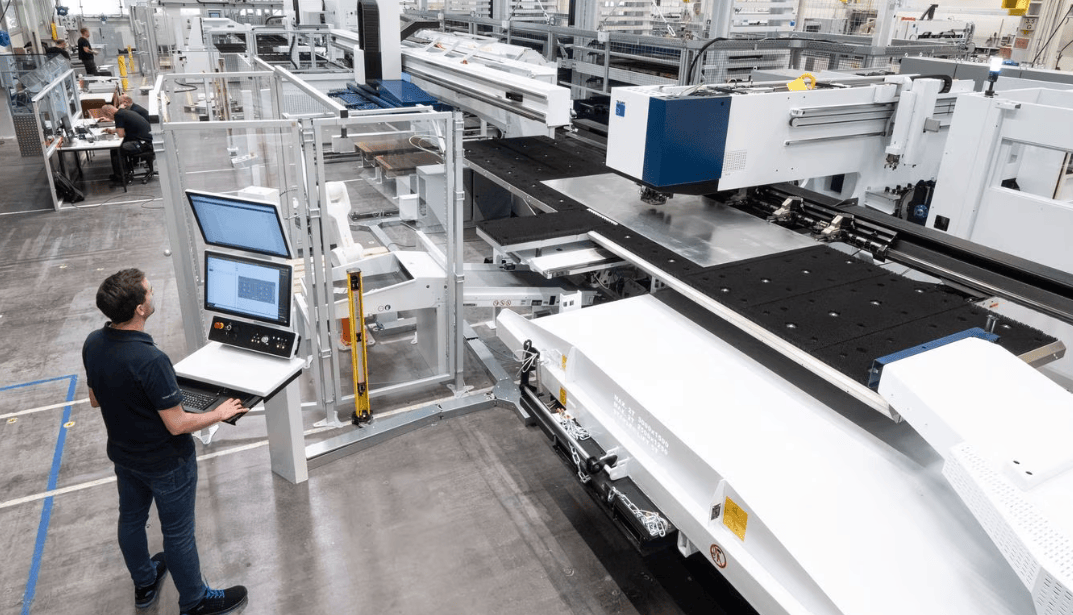
A key differentiator is the application of technological innovation to ensure operational safety, highlighted by the use of robots for tank inspection and cleaning. At the Santos terminal, robots reduced maintenance time from 15 days to 2 days, eliminating the need for employees to enter confined spaces and lowering accident risks. This initiative earned the company first place in the "Innovative Company" category at the 2025 InovaPortos Awards and recognition at the InovaInfra Awards. Ultracargo CEO Fulvius Tomelin stated that business sustainability directly stems from integrating core pillars with corporate strategy. As the company celebrates its 60th anniversary, it is building a smoother, safer, and more sustainable logistics system for Brazil through connectivity, care, and service.
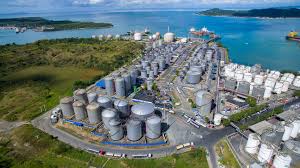
Beyond innovation, the company has significantly advanced its inland footprint to optimize cargo outflows. By increasing total static capacity by 6%, it activated the Palmeirante terminal in Tocantins, which connects via railway to the Itaqui port in Maranhão, opening a logistics corridor to the North and Northeast regions. The company also expanded the Rondonópolis terminal in Mato Grosso and the Santos terminal to extend the central corridor, while completing a railway spur line in Paulínia to reduce reliance on road transport and lower atmospheric pollutant emissions.
On the environmental front, nine terminals have achieved a "zero landfill" target, prioritizing recycling and co-processing for waste disposal. Additionally, Ultracargo continues to use 100% renewable and certified electricity across all units, achieving its 2030 goal ahead of schedule. Karla Grativol, Executive Director of People, Communication, and Sustainability at Ultracargo, stated that these indicators reflect a profound and planned cultural change in operations. Reaching these levels in a historically male-dominated industry shows that, for the company, diversity is a business choice. These projects not only fill positions but are also reshaping the future profile of leadership.

This article is compiled by Wedoany. All AI citations must indicate the source as "Wedoany". If there is any infringement or other issues, please notify us promptly, and we will modify or delete it accordingly. Email: news@wedoany.com
Related Products

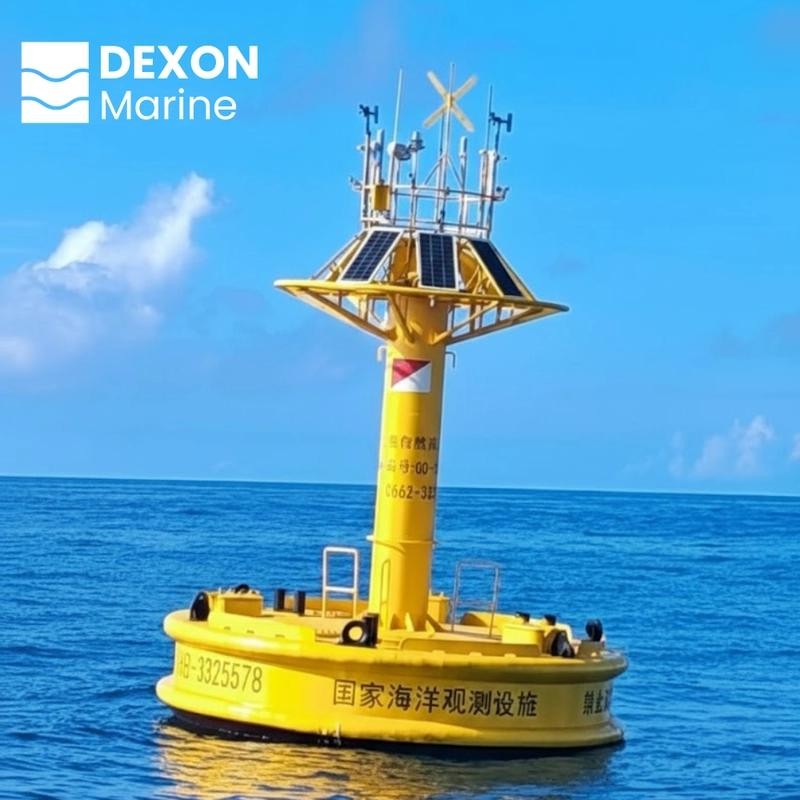
3m intelligent buoy combining navigation safety and real-time marine monitoring integrated navigation and marine monitoring system for real-time maritime data
Chengdu Dixin Technology Co., Ltd.

Industrial and Commercial Point-Type Gas Detector
Jinan Benan Technology Development Co., Ltd.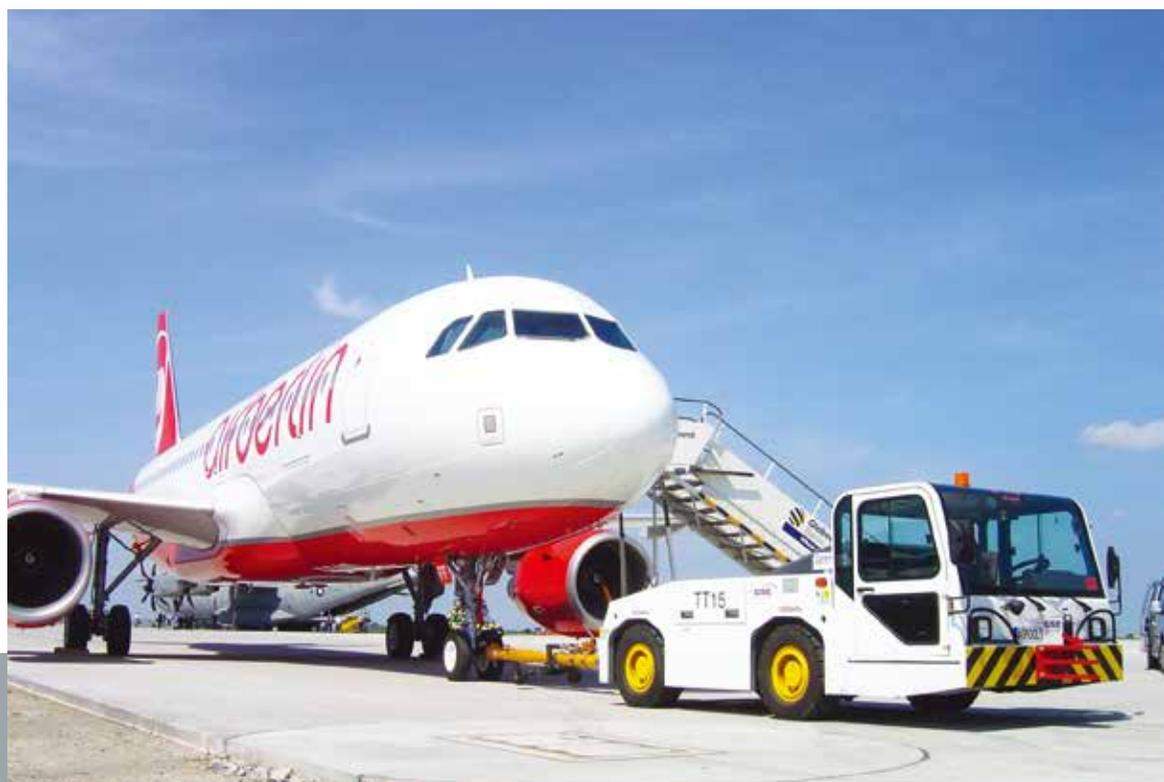
WGQY Series Aircraft Tow Tractor-WGQY15, WGQY27
Weihai Guangtai Airport Equipment Co., Ltd.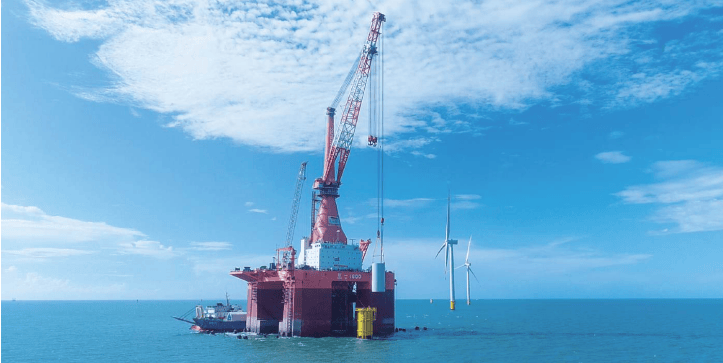
"Shunyi 1600" Deep-submerging Bottom-sitting Multi-functional Wind Power Engineering Vessel
Zhengli Offshore Engineering Co., Ltd.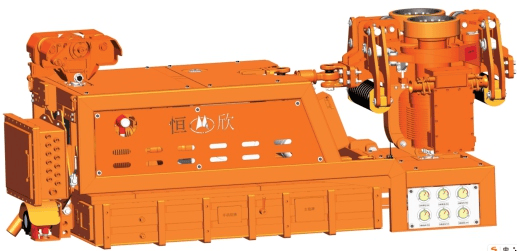
Explosion-proof lithium battery dispatching monorail crane locomotive (permanent magnet frequency conversion integrated machine)
Xiangtan Hengxin Industrial Co., Ltd.

![IVECO Cash-in-Transit [DMT5048XYCL3-AM] - Chongqing Dima Industry Co., Ltd](https://img.wedoany.com/2026/0911/20260911030157582.png)