Brazil's CMSE Decides on CVaR Parameters from 2027 on the 10th
en.Wedoany.com Reported - The monthly meeting of the Brazilian Electric Sector Monitoring Committee (CMSE) will be held this Wednesday (10th) afternoon local time, with the core agenda being the determination of the risk aversion parameter—Conditional Value at Risk (CVaR)—to be used from 2027 onwards to guide the operation of the National Interconnected System (SIN) and the calculation of the Settlement Price for Differences (PLD).
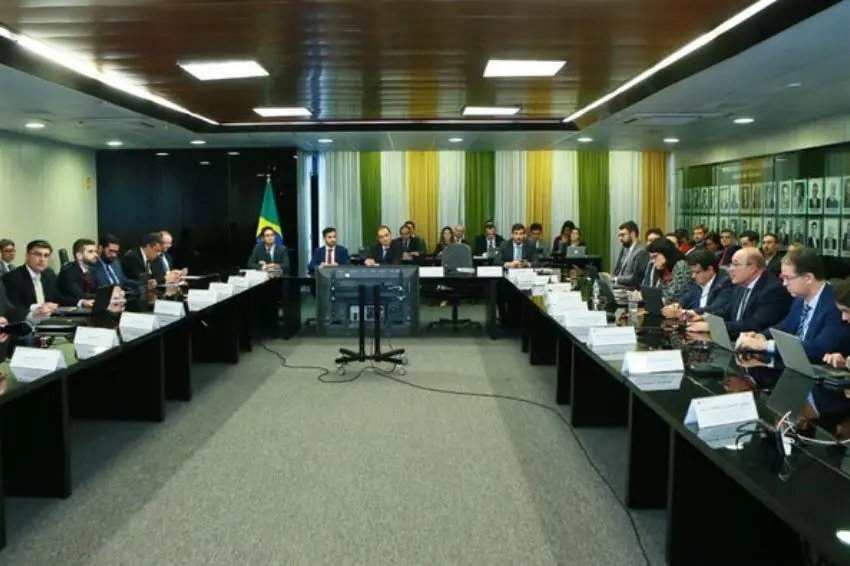
This issue concerns the direction of electricity prices, trader operating costs, and the balance between energy security and electricity affordability. The decision, originally scheduled for May, was postponed to allow the National Electric System Operator (ONS) and the Electric Power Trading Chamber (CCEE) to conduct further studies and incorporate contracts for approximately 20 gigawatts (GW) of capacity from the March Capacity Reserve Auction (LRCAP) as a new variable. Currently, the CVaR 15/40 parameter, implemented since January 2025, remains in effect. This parameter assigns a 40% weight to the worst 15% of hydrological scenarios, making system operation more conservative by favoring the early dispatch of thermal power plants to protect reservoirs. The current focus of discussion is whether this standard can be relaxed, i.e., reducing risk aversion while ensuring supply security.
CVaR directly impacts the Marginal Operating Cost (CMO), which in turn determines the PLD, used as a short-term market settlement reference, and future energy price signals. More conservative parameters increase the frequency of preventive thermal plant startups, raising operating costs; while less risk-averse standards may reduce immediate thermal dispatch but could increase system exposure under adverse hydrological scenarios. Therefore, the CMSE's decision is seen as a critical juncture for generators, traders, and free consumers.
Among the opinions submitted for debate, trader Comerc published a research report pointing out significant methodological limitations in the current risk aversion determination process, including insufficient convergence of the NEWAVE model, low discriminatory power for extreme scenarios, lack of objective quantitative decision-making criteria, and opaque technical study assumptions. Comerc recommends CVaR 15/30 as the primary alternative, arguing that this parameter retains established safety standards during critical reservoir recovery months and offers a better cost-risk balance; the secondary option is CVaR 15/35. The company also advocates for a structural review of the methodology in subsequent cycles.
Prior to the meeting, seven power industry associations—including the Brazilian Wind Energy Association (ABEEólica), the National Energy Consumers Front (FNCE), the Cogeneration Industry Association (Cogen), the National Energy Consumers Association (Anace), the Brazilian Energy Traders Association (Abraceel), the Brazilian Association of Large Users and Free Consumers (Abrace), and the Brazilian Association of Self-Generating Power Investors (Abiape)—jointly issued a declaration advocating for the adoption of CVaR 15/30. The declaration states that this parameter would reduce the CMO by approximately R$85/MWh, with a negative impact on electricity prices of 1.74%, while still ensuring supply security under severe hydrological scenarios; maintaining the current CVaR 15/40 would impose an additional cost of approximately R$3 billion on consumers, with reservoir storage levels gaining only a marginal 0.4 percentage points.
This article is compiled by Wedoany. All AI citations must indicate the source as "Wedoany". If there is any infringement or other issues, please notify us promptly, and we will modify or delete it accordingly. Email: news@wedoany.com
Related Products


714CD Series C-Band Weather Radar
Chengdu Zhongdian Jinjiang Information Industry Co., Ltd.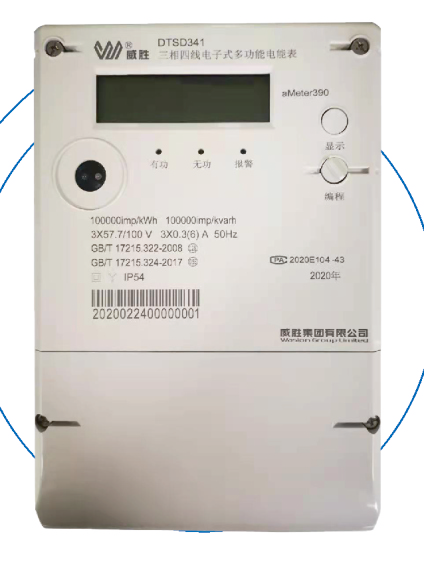
Overseas IEC Gateway Energy Meter - DTSD341/DSSD331-aMeter390
Wasion Group Limited Co., Ltd.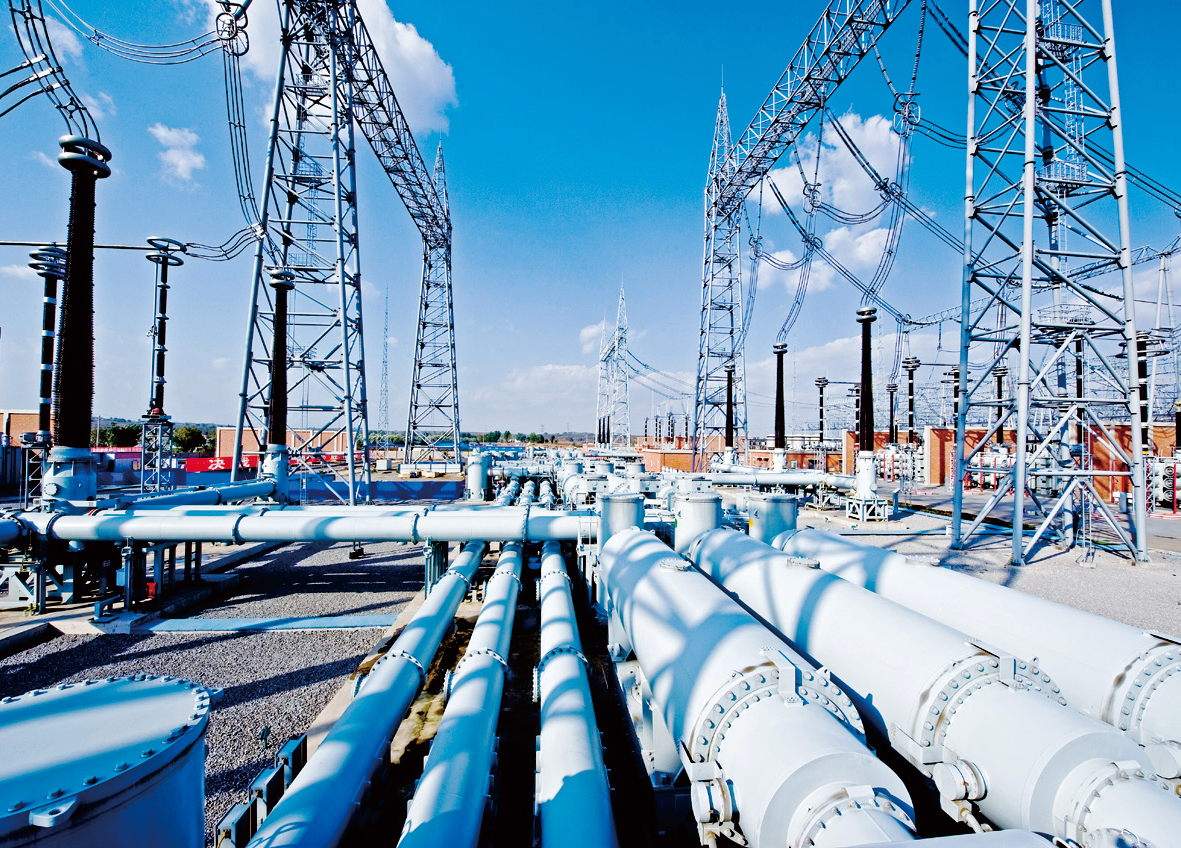
40.5kV-1100kV Gas Insulated Metal-Enclosed Switchgear (GIS)
Henan Pinggao Electric Co., Ltd.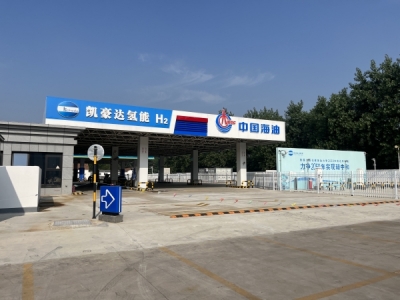
Hydrogen production and hydrogenation charging refueling gas integrated energy station
Shenzhen Kohodo Hydrogen Energy Co., Ltd.

Off-Grid Fuel Cell Supercharging Station (180kW Configuration)
Shanghai REFIRE Group Limited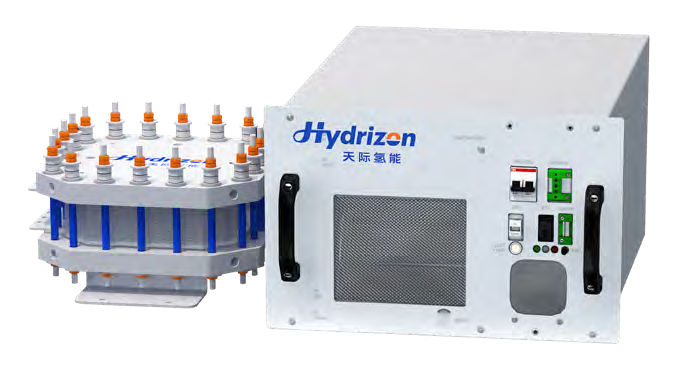
HI-Pro Green Hydrogen High-efficiency Production System-HI-PRO-AEM
Hydrizon Technology (Beijing) Co., Ltd.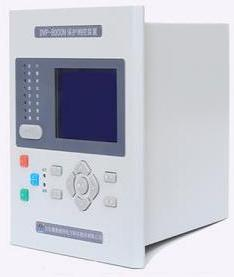
Microcomputer Protection and Substation Automation
Beijing Agent Devote Power Technology Development Co., Ltd.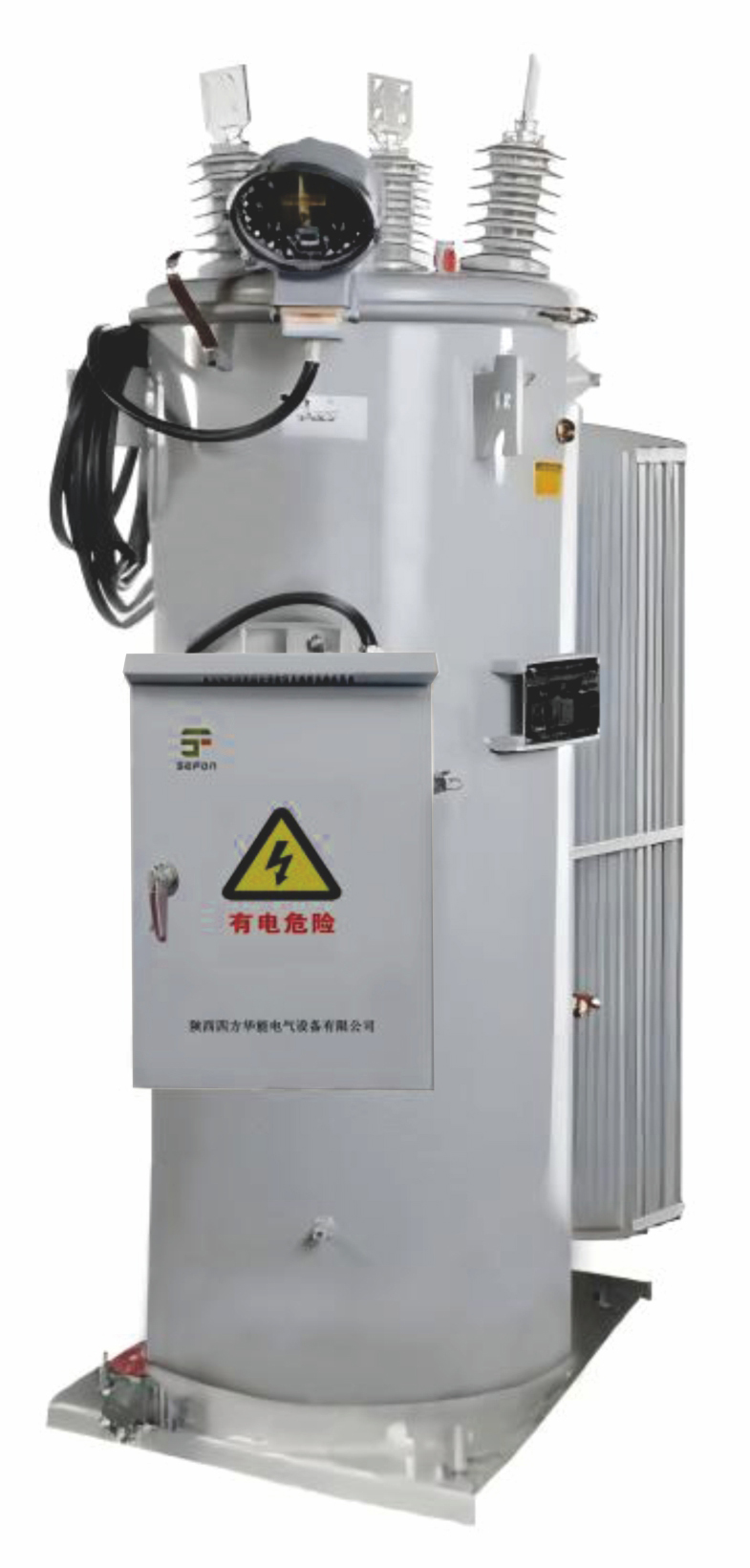
Single-Phase Automatic Voltage Regulator(AVR)
Shaanxi Sefon Electrical Equipment Co.,Ltd.