Uganda Launches Africa's First Independent Transmission Project, Amari
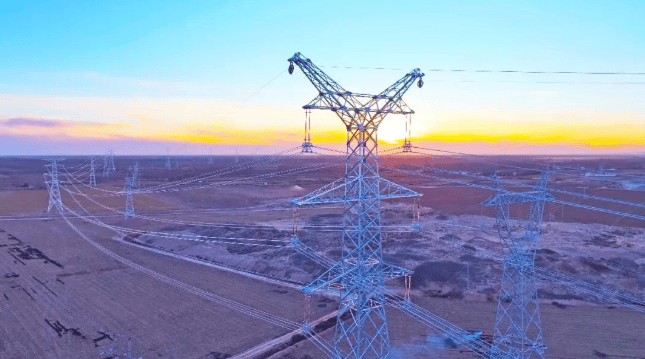
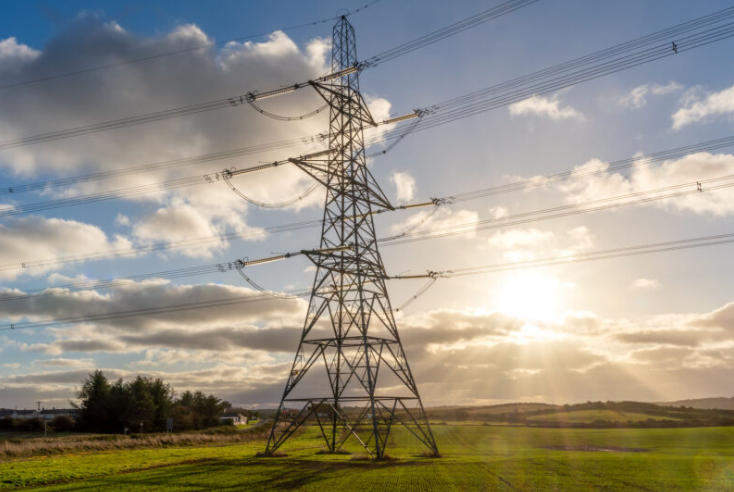
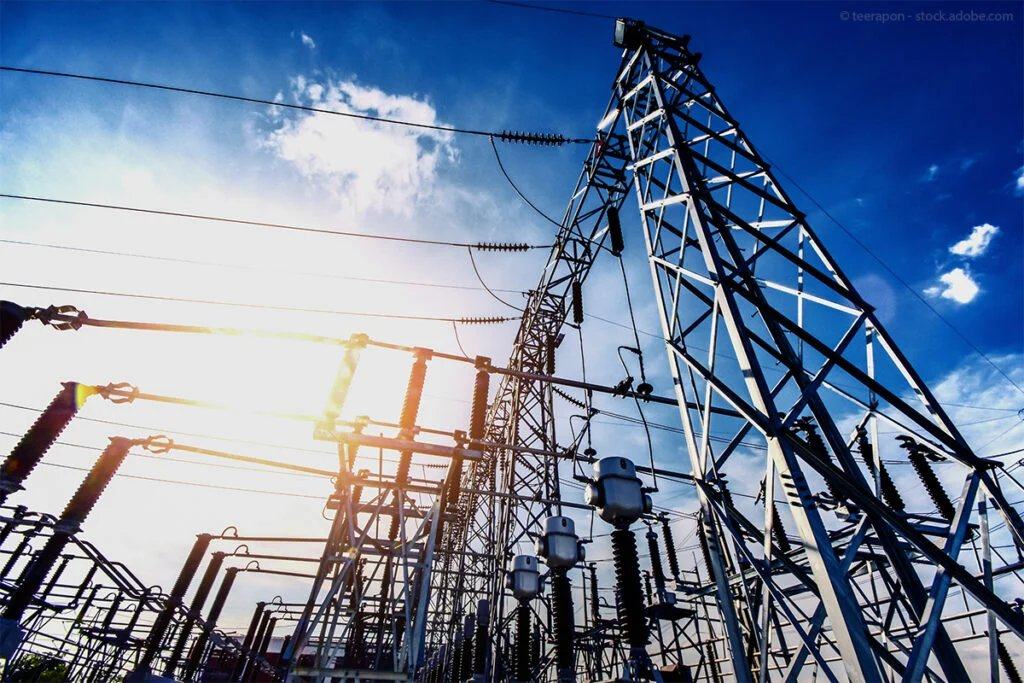
en.Wedoany.com Reported - Africa's power sector is undergoing a profound shift from state monopolies to public-private partnership models, creating investment opportunities in grid modernization, renewable energy generation, and related industrial chains. Uganda recently signed an agreement with UK-based power developer Gridworks to launch the Amari project, considered Africa's first independent transmission project to enter the construction phase, signaling a growing trend of private sector participation in grid infrastructure.
Historically, Africa's power systems were dominated by large vertically integrated utilities built around centralized generation assets—such as coal-fired plants or large hydropower projects—supported by extensive transmission networks. However, the high costs of building and maintaining such systems have made it difficult for many countries to bear alone. Since the 1990s, some nations have begun exploring the unbundling of generation, transmission, and distribution, allowing private sector competition, which gave rise to the continent's first independent power producer (IPP) deals. According to the Global Energy Policy Center, nearly 87% of African countries now have some form of public-private partnership (PPP) regulatory framework, with about 80% applicable to the energy sector, though market maturity varies.
South Africa is a notable case of this transformation. After acknowledging the need to modernize and expand its approximately 14,000-kilometer transmission network at a cost of around ZAR 440 billion, the government announced plans to seek private investment through the Independent Transmission Programme (ITP). The enactment of the Electricity Regulation Amendment Act has facilitated the restructuring of Eskom into separate generation, transmission, and distribution entities. South Africa's Renewable Energy Independent Power Producer Procurement Programme (REIPPPP) has attracted approximately ZAR 272 billion in investment since 2011, supporting 95 projects with a total generation capacity exceeding 7,300 MW. Zambia is also diversifying its energy mix to address hydropower dependency exposed by droughts. The Electricity (Open Access) Regulations enacted in 2024 mandate non-discriminatory access to the national transmission and distribution grid, allowing IPPs to sell electricity directly to large users and regional markets.
In terms of investment flows, grid modernization and expansion are key areas, including extending national transmission infrastructure to demand centers and developing decentralized systems in remote rural areas. Data from the International Energy Agency shows that financing committed to decentralized energy solutions in sub-Saharan Africa has increased significantly since 2019. Solar home systems and microgrids have grown rapidly, with installations rising 12-fold and 45-fold respectively over the past decade, though decentralized systems have yet to be fully integrated into most countries' long-term electrification strategies. The energy aggregation market is also gaining attention. According to the Global Solar Council, Africa added a record 4.5 GW of new solar capacity in 2025, with about 44% from distributed, rooftop, and self-consumption systems, creating demand for aggregation services, though this market remains nascent outside South Africa.
Real opportunities also extend to commodities that supply the power system, particularly those related to battery technology and the renewable energy industrial base. Despite challenges such as risk premiums, as regulatory reforms lower entry barriers, the investment direction in Africa's power market is becoming increasingly clear.
This article is compiled by Wedoany. All AI citations must indicate the source as "Wedoany". If there is any infringement or other issues, please notify us promptly, and we will modify or delete it accordingly. Email: news@wedoany.com
Related Products

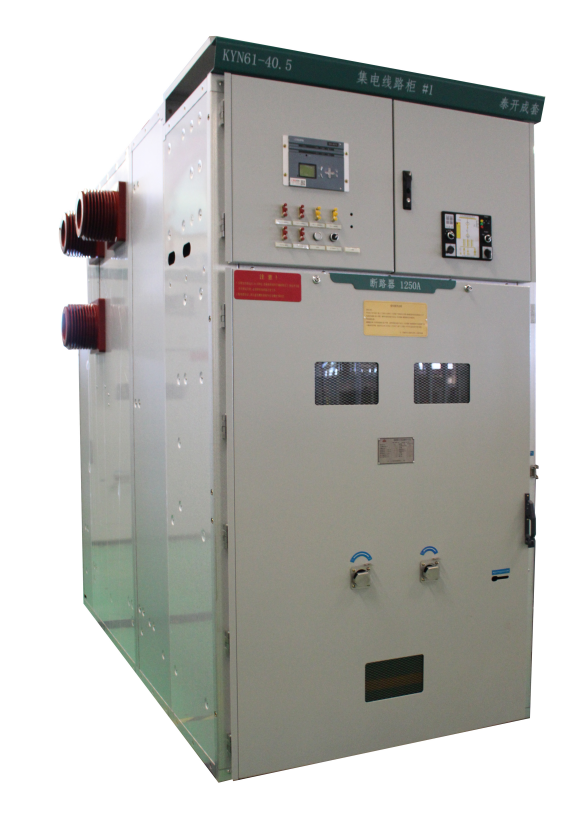
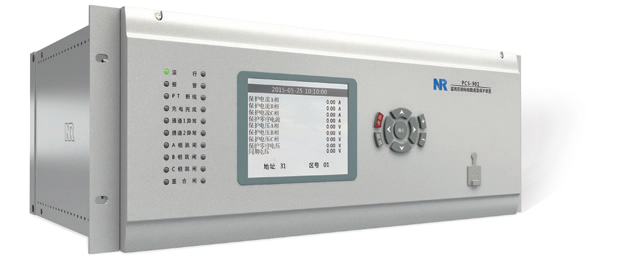
PCS-901 Series Ultra (Extra) High-voltage Transmission Line Complete Protection Device
Nanjing NR Electric Co., Ltd.
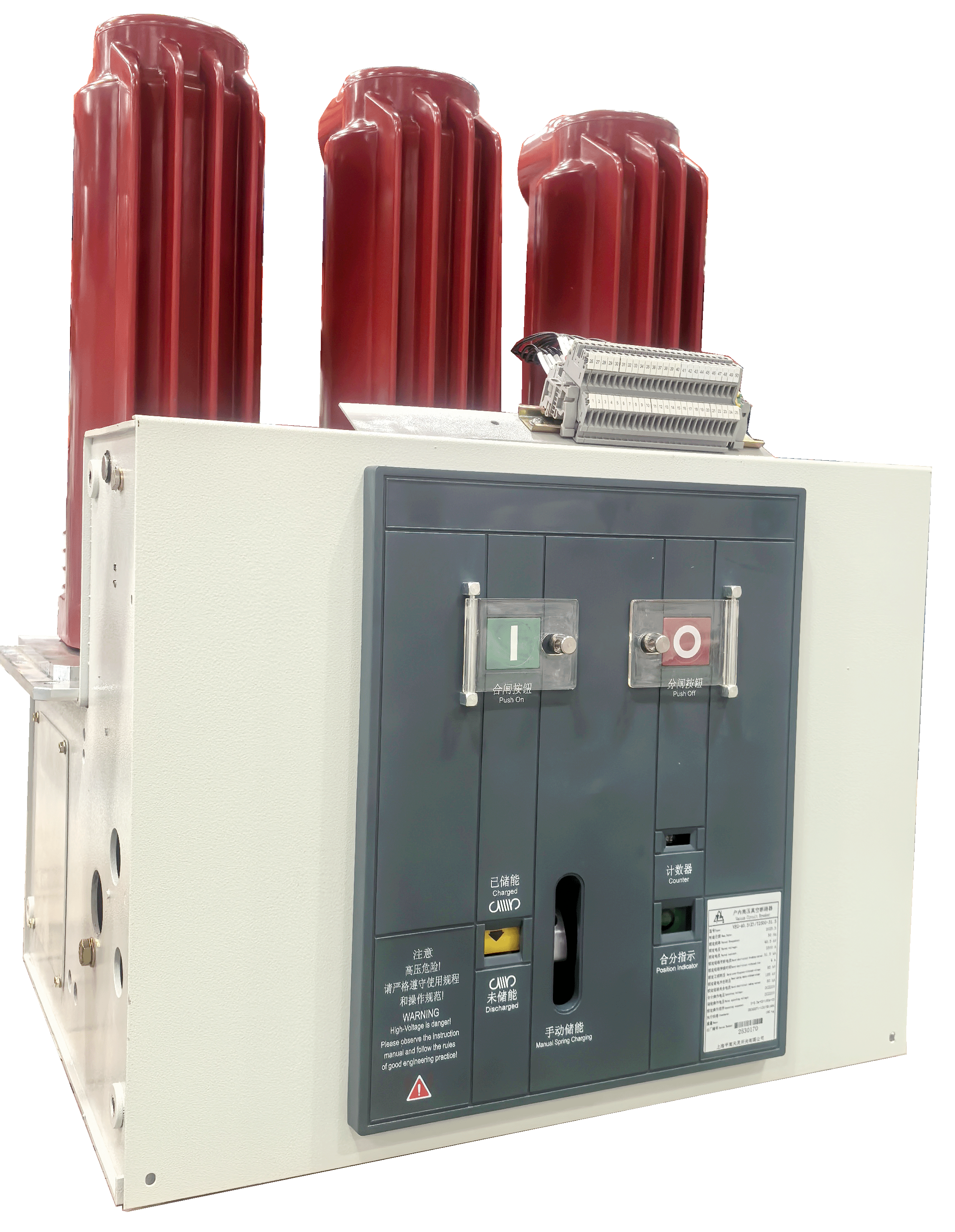
VEG-12/24/40.5 Series Vacuum Circuit Breaker
SHANGHAI PINGGAO TIANLING SWITCHGEAR CO., LTD.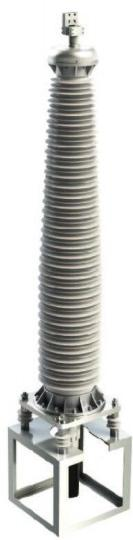
220kV Composite Outdoor Cable Terminal
Shenyang Guolian Cable Accessories Manufacture Co., Ltd.

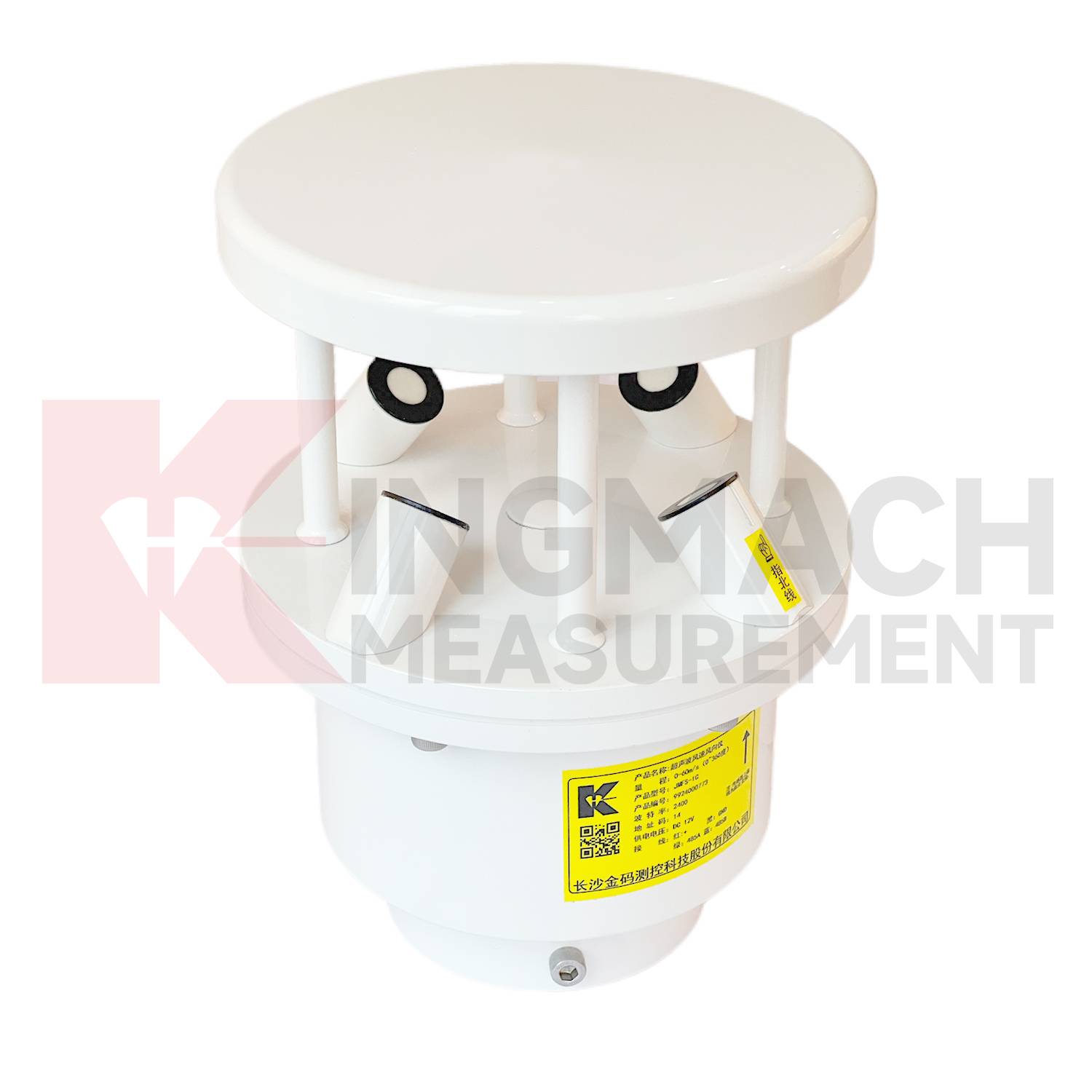
Ultrasonic Wind Speed and Direction Instrument
Kingmach Measurement & Monitoring Technology Co., Ltd.