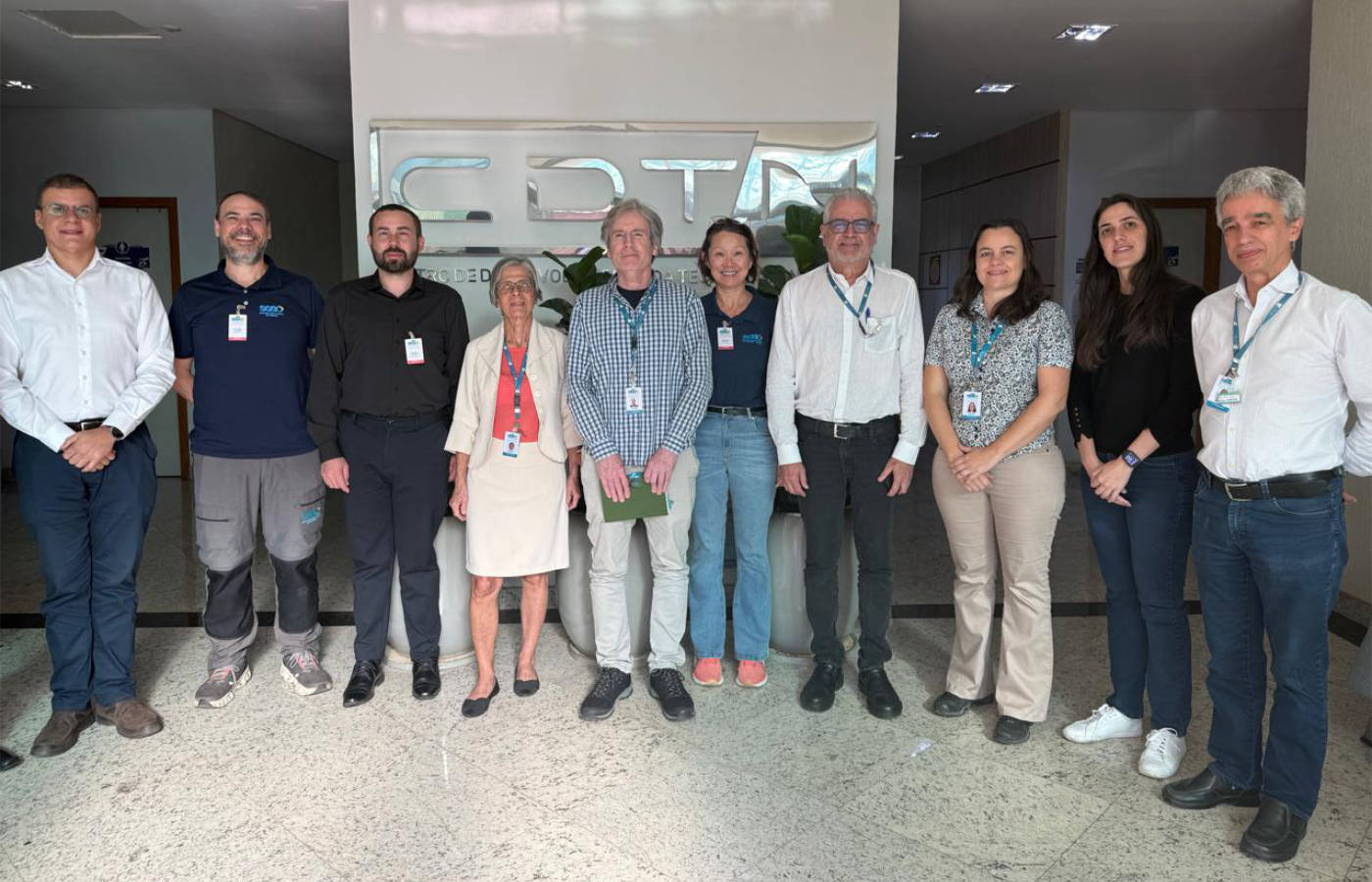
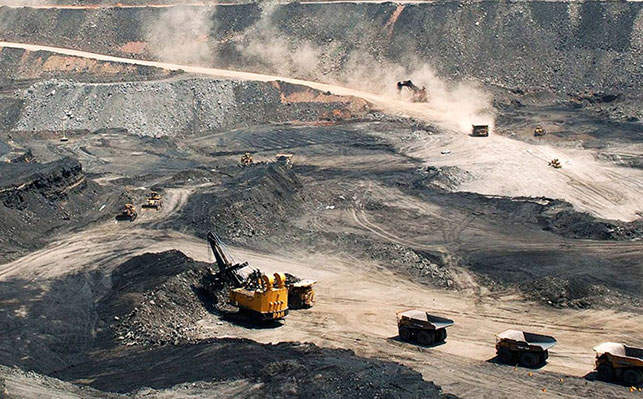
en.Wedoany.com Reported - To support the new round of strategic mineral exploration breakthroughs, the National Geological Materials Center recently collaborated with the Shenyang Geological Survey Center of the China Geological Survey, the Liaoning Geological and Mineral Investment Development Group, and other units to visit the Dadonggou Gold Mine exploration project site of the Liaoning No. 5 Geological Brigade in Gaizhou City, carrying out systematic screening and acceptance of representative cores from the gold mine.
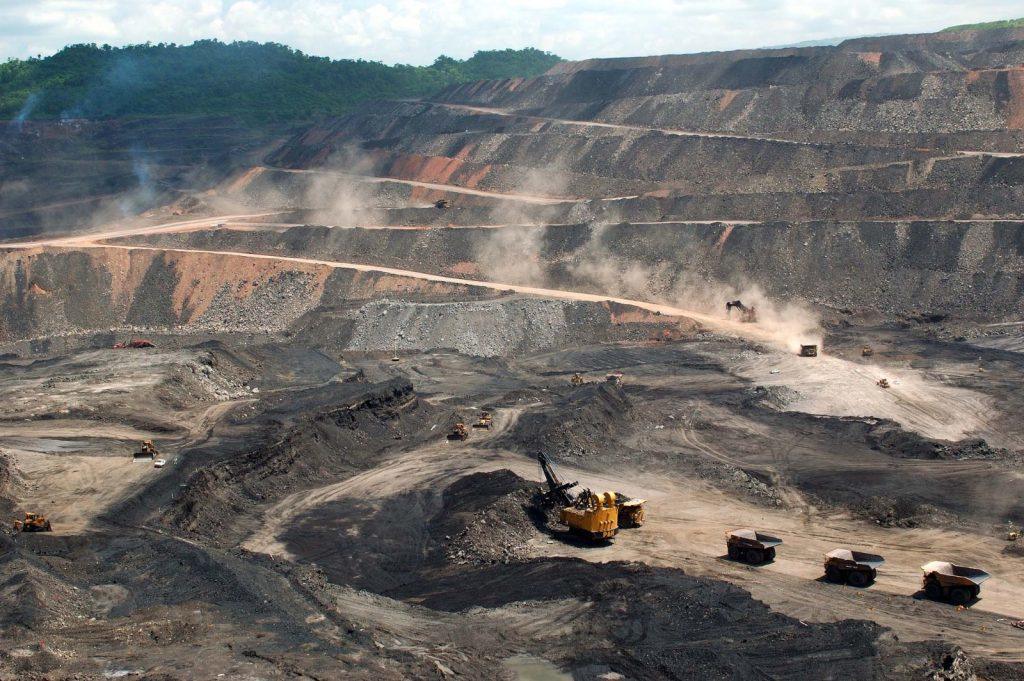
At the end of 2025, the Ministry of Natural Resources announced that Liaoning Province had successfully identified China's first thousand-tonne, low-grade, super-large gold deposit—the Dadonggou Gold Mine. Driven by both scale effects and technological innovation, this mine has broken the conventional mindset of gold exploration, providing a new practical pathway for the large-scale development of low-grade gold deposits. The "integrated general-detailed-exploration" campaign generated over 130,000 meters of mechanical drilling cores. As the most direct and original physical geological data, these cores serve not only as tangible evidence of the new round of exploration achievements but also as irreplaceable core physical carriers for subsequent scientific research and mine development and processing. The Liaoning Provincial Department of Natural Resources and the National Geological Materials Center have attached great importance to the screening and storage of physical geological data from this deposit.
During the preparatory phase of the screening meeting, the National Geological Materials Center leveraged its technical leadership and operational guidance role as a national repository, coordinating with the Liaoning Provincial Repository and the Geological Data Center of the Liaoning Provincial Geological and Mineral Group. Through multiple consultations with the Liaoning No. 5 Geological Brigade and extensive review of drilling data and core sampling test results, a foundation was laid for formulating the screening plan. At the screening meeting, based on the metallogenic geological background of the deposit, ore body occurrence characteristics, existing repository drilling distribution, and on-site core preservation conditions, the expert panel innovatively proposed a "three-horizontal, four-vertical" cross-section screening plan, selecting representative cores accordingly. Subsequently, the National Geological Materials Center, in conjunction with the provincial repository, will strictly follow relevant standards for physical geological data management to organize, clean, capture images, and standardize the storage of the screened cores, ensuring these valuable physical materials can be utilized long-term and repeatedly, serving current exploration breakthroughs and future mine development as well as regional metallogenic theory innovation.
This work reflects the "ministry-province linkage" mechanism between the National Geological Materials Center and provincial repositories. In the future, the National Geological Materials Center will continue to deepen coordination and collaboration with provincial repositories, improve the long-term cooperation mechanism between national and provincial repository institutions, steadily advance the screening and preservation of physical geological data for strategic minerals, and strengthen the core supporting role of Class I+II precious cores in geological research, exploration breakthroughs, and resource security.
This article is compiled by Wedoany. All AI citations must indicate the source as "Wedoany". If there is any infringement or other issues, please notify us promptly, and we will modify or delete it accordingly. Email: news@wedoany.com