en.Wedoany.com Reported - An international research team has demonstrated the feasibility of more efficient chloride ion movement in solid-state battery materials, a breakthrough achieved by scientists from Switzerland, Canada, and the United States, with a focus on battery systems suitable for grid energy storage. The team introduced small amounts of elements such as calcium, magnesium, or strontium into lanthanum oxychloride, with calcium proving most effective, boosting chloride ion mobility by up to 10,000 times. The findings were published in ACS Applied Energy Materials.
Chlorides from seawater are among the most readily available chemical raw materials on Earth, and their abundance has attracted the attention of battery researchers. Lithium-ion batteries remain the dominant technology, but grid-scale energy storage prioritizes material availability, cost, safety, supply security, and operational lifespan over compact size and energy density. According to data from Natural Resources Canada, global lithium production has more than doubled over the past five years, with Canada accounting for 4.4% of known global supply. This concentration of reserves poses risks for long-term planning of large-scale storage projects.
The primary challenge for chloride-ion batteries has been ion mobility in solid materials. Sarbajit Banerjee, a professor at ETH Zürich and director of the Battery Science Laboratory at the Paul Scherrer Institute, collaborated with doctoral student Jingxiang Cheng to modify a solid material capable of conducting chloride ions. The team introduced small amounts of calcium, magnesium, or strontium into the atomic structure of lanthanum oxychloride, with calcium having the strongest effect, increasing chloride ion mobility by up to 10,000 times. The modified material became more flexible at the atomic level, improving ion transport pathways. The Canadian Light Source, using ultra-bright X-rays on the VLS-PGM beamline, explained the internal structural changes in the material.
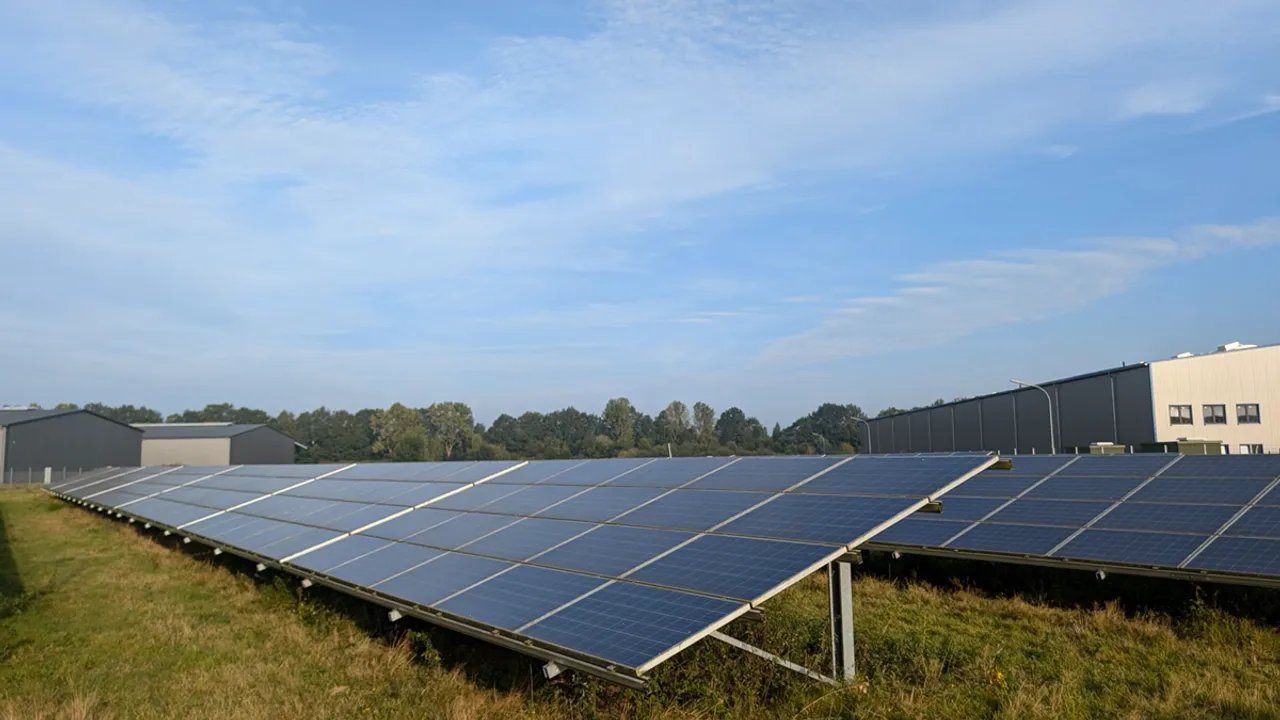
This research is still in its early stages, and chloride solid-state batteries require significant development before being tested in grid projects. As wind and solar power capacity expands, the grid needs energy storage technologies with varying durations, cost structures, and supply chains. Researchers note that chloride batteries may not be a near-term solution but could be part of a broader shift toward building energy storage systems from more abundant materials.
This article is compiled by Wedoany. All AI citations must indicate the source as "Wedoany". If there is any infringement or other issues, please notify us promptly, and we will modify or delete it accordingly. Email: news@wedoany.com