UNSW and Others Discover Method to Reduce Green Hydrogen Bubbles
en.Wedoany.com Reported - A research team from the University of New South Wales (UNSW), in collaboration with TotalEnergies and the Swiss Federal Institute of Technology Lausanne (EPFL), has found a way to improve the efficiency of green hydrogen production by optimizing the structural design of porous electrodes in electrolyzers. The findings were published in the journal Energy & Environmental Science.

Water electrolysis, which uses renewable energy to split water into hydrogen and oxygen, is a core pathway for producing green hydrogen. However, industrial-scale electrolyzers have long faced a bottleneck: hydrogen bubbles generated during operation accumulate within the porous electrodes, blocking active reaction sites and severely limiting mass transport at high current densities.
Professor Peyman Mostaghimi, lead researcher from the School of Civil and Environmental Engineering at UNSW, stated that producing green hydrogen through water electrolysis is crucial for hard-to-decarbonize industries such as steel manufacturing and heavy transport. The team found that the shape and structure of porous electrodes are as important as their electrochemical performance. "If the structure is designed properly, it can prevent bubbles from clogging the system, making it much more efficient," he said.
The research team combined in-situ synchrotron imaging with pore-scale numerical simulations, achieving for the first time in-situ visualization of hydrogen bubble formation, growth, and accumulation during electrolysis. This approach allowed them to observe bubble behavior inside the porous structure in real time without disassembling the cell. Imaging results showed that highly ordered, uniform pore structures lead to minimal gas retention. This indicates that pore structure is directly linked to gas retention, providing clear guidance for manufacturers to design more efficient systems.
Professor Ryan Armstrong, a research collaborator from the School of Civil and Environmental Engineering at UNSW, noted that scientists previously could not see inside the electrodes using advanced techniques. Dr. Ying Da Wang, from the School of Minerals and Energy Resources Engineering at UNSW, who led the flow simulation and analysis, added that this work demonstrates mass transport limitations are fundamentally related to electrode structure, not just catalytic activity. Dr. Quentin Meyer and Professor Chuan Zhao from the School of Chemistry at UNSW, responsible for electrochemical analysis, confirmed that combining real-time imaging, advanced two-phase flow simulation, and performance measurements can help understand how hydrogen bubble accumulation affects performance during water electrolysis.
Currently, the research team is expanding its focus to techno-economic assessments that integrate green hydrogen production with transportation and large-scale storage in underground porous reservoirs. Professor Mostaghimi stated that the clean hydrogen economy depends on the proper alignment of every link. "By comprehensively considering production, transportation, and underground storage, we can show policymakers and industry what is actually feasible and what the costs are," he said.
This article is compiled by Wedoany. All AI citations must indicate the source as "Wedoany". If there is any infringement or other issues, please notify us promptly, and we will modify or delete it accordingly. Email: news@wedoany.com
Related Products

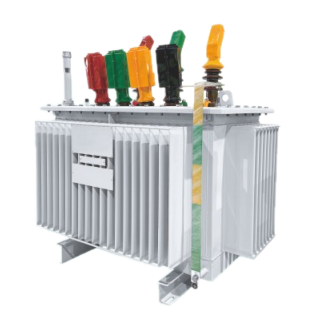
IS(B)□-M·RL Series Oil-immersed 3D Transformer (Planar / 3D Wound Core)
Guangdong Kehua Electric Power Technology Co., Ltd.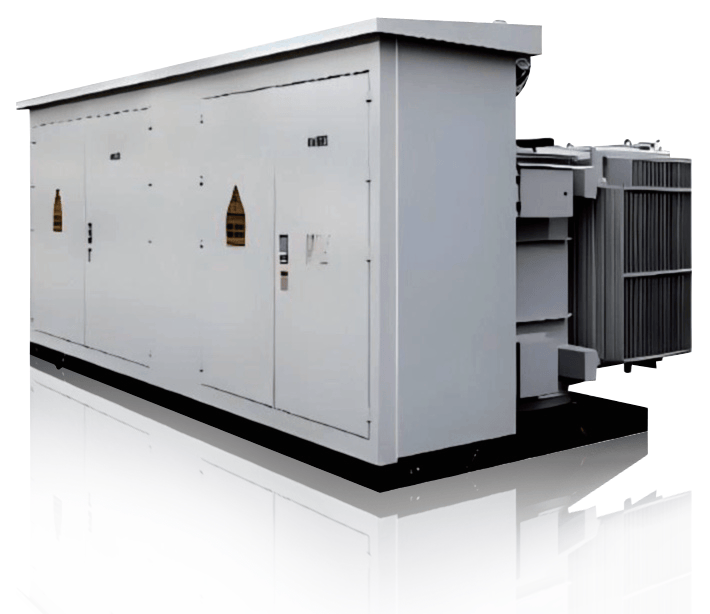
H-40.5/0.4~1.14kV New Energy Power Generation Dedicated High Voltage/Low Voltage Prefabricated Substation
XJ (Xiamen) Intelligent Power Equipment Co., Ltd.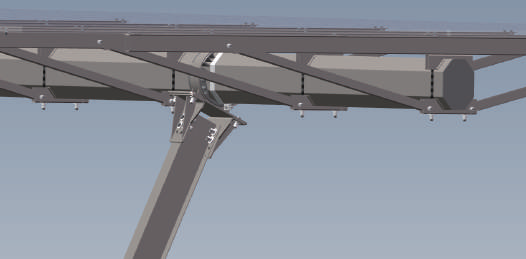
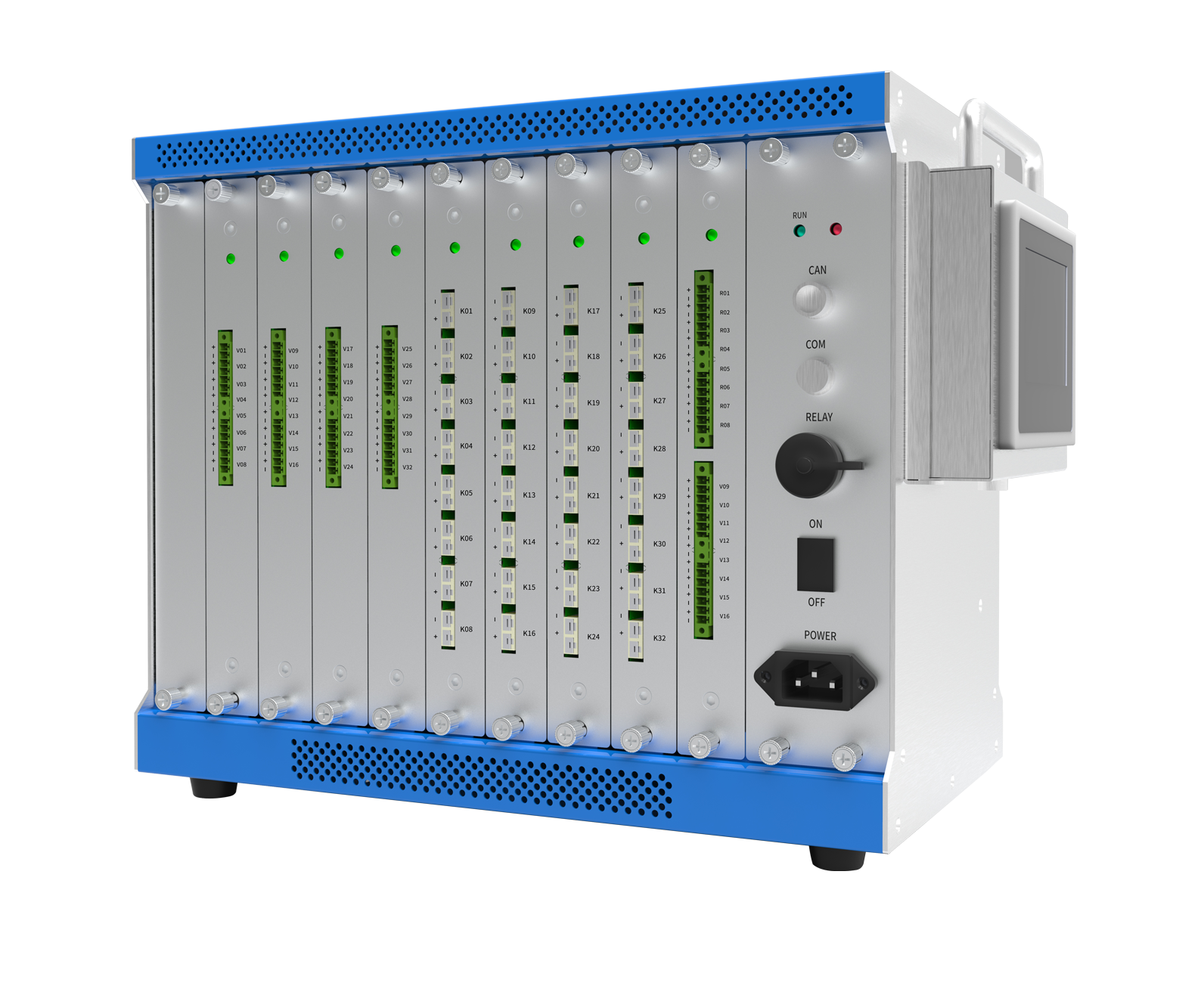
Optional Accessory - Auxiliary Sampling Module
Beijing Soaring Electric Technology Co., Ltd.


Hydraulic Turbine Genset
Dongfang Electric Corporation Dongfang Electric Machinery Co., Ltd.

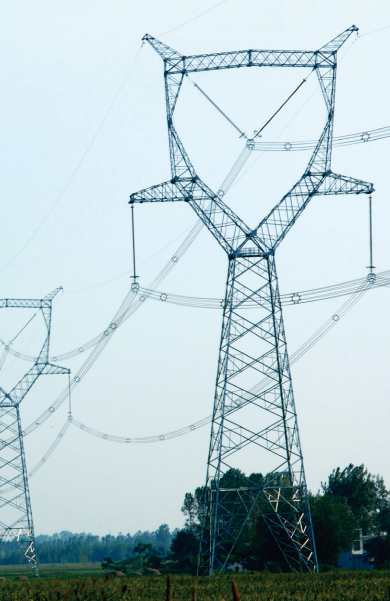
1000kV Jin Southeast-Nanyang-Jingmen UHV AC Transmission and Transformation Pilot Demonstration Project
Anhui Hongyuan Steel Tower Co., Ltd.