First sugarcane ethanol carbon capture and storage plant to be built in São Paulo state, Brazil
en.Wedoany.com Reported - The state of São Paulo, Brazil, will build the country's first carbon capture and storage plant for the ethanol production process using sugarcane. The announcement was made by Governor Tarcísio de Freitas during the Environmental Week celebration on June 10, alongside the signing of an agreement to establish the Center for Bioenergy Carbon Capture and Storage Technology (CTCCSBio).
The center is a Science for Development Center (CCD) funded by FAPESP, based at the Polytechnic School of the University of São Paulo (Poli-USP), and operates in partnership with the State Environmental Agency (Semil), Petrobras, Grupo São Martinho, and Rolim Goulart Cardoso Law Firm. The team's mission is to study the feasibility and plan the construction of the new plant.
São Paulo state is Brazil's largest producer of ethanol and sugar. This technology, known as BECCS (Bioenergy with Carbon Capture and Storage), could theoretically make ethanol from São Paulo a "carbon-negative" fuel. By capturing CO₂ released during ethanol production and storing it underground, it is possible to reverse the balance of greenhouse gas emissions.
Bruno Souza Carmo, a professor at Poli-USP and director of CTCCSBio, stated that ethanol production from sugarcane is already considered a more sustainable alternative to fossil fuels due to its lower carbon dioxide emissions. By capturing this gas and injecting it underground, the carbon present in the plant's life cycle can be removed. Currently, ethanol still has a positive carbon footprint; removing it could achieve a negative carbon footprint, which would be highly beneficial for the sugar-energy sector and the country.
According to Carmo, the technology for carbon capture and storage already exists, and the biggest challenge for the new center is to make it viable within the context of São Paulo state and the sugar-energy industry. Carbon storage does not directly generate revenue, so the center will study monetization mechanisms such as carbon markets, environmental compensation, and incentive policies.
The center will operate in a multidisciplinary manner, bringing together experts in engineering, geology, economics, law, and psychology. Key tasks include assessing economic feasibility and analyzing the regulatory framework to enable carbon credits. Researchers will also conduct geological studies to identify the most suitable locations for installing the plant and storing the captured CO₂. The plant needs to be near deep saline aquifers—formations more than 1,000 meters deep composed of porous rock filled with highly saline water.
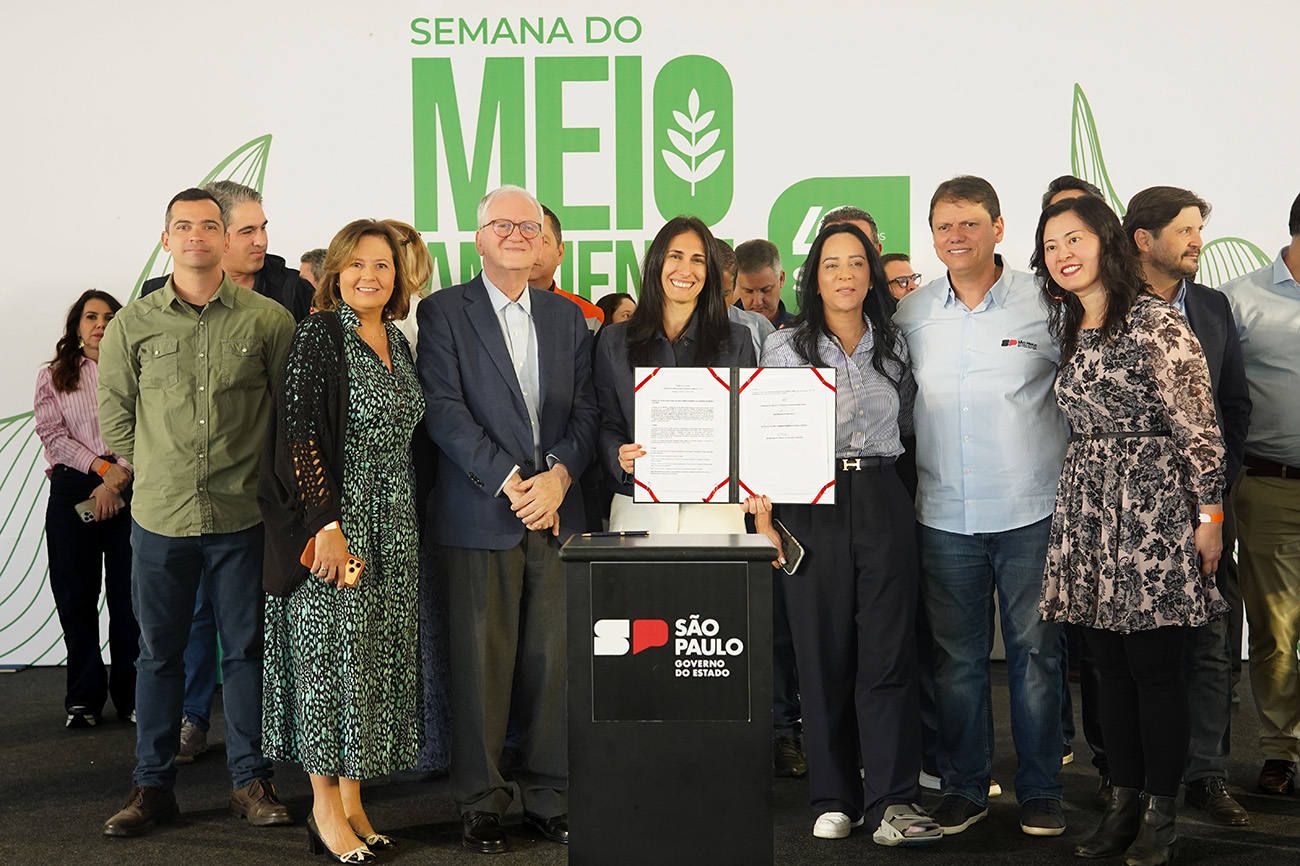
The project will last five years, with total investments estimated at approximately 30 million reais, implemented in two phases. In the first phase, lasting two years, the team will search for a plant construction site and analyze the potential for using this technology in São Paulo state, considering factors such as geology, proximity to plants, infrastructure, costs, environmental impact, and social perception. In the second phase, the project will advance to the construction and operation of the new plant.
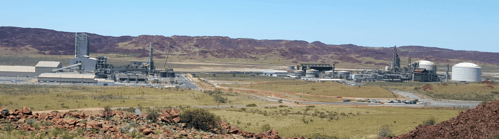
Currently, Brazil has only one carbon capture and storage plant, located in Mato Grosso state, which focuses on corn ethanol. The plant in São Paulo will be the first dedicated to sugarcane ethanol.
At the launch of the new center, Governor Tarcísio de Freitas highlighted the importance of FAPESP in driving scientific progress in the state. Semil Director Natália Resende stated that the project aligns with the "Climate Action Plan 2050" and the "State Energy Plan," and that BECCS is essential for decarbonizing the agribusiness sector in São Paulo and maintaining its international competitiveness amid increasingly stringent global environmental requirements.
This article is compiled by Wedoany. All AI citations must indicate the source as "Wedoany". If there is any infringement or other issues, please notify us promptly, and we will modify or delete it accordingly. Email: news@wedoany.com
Related Products

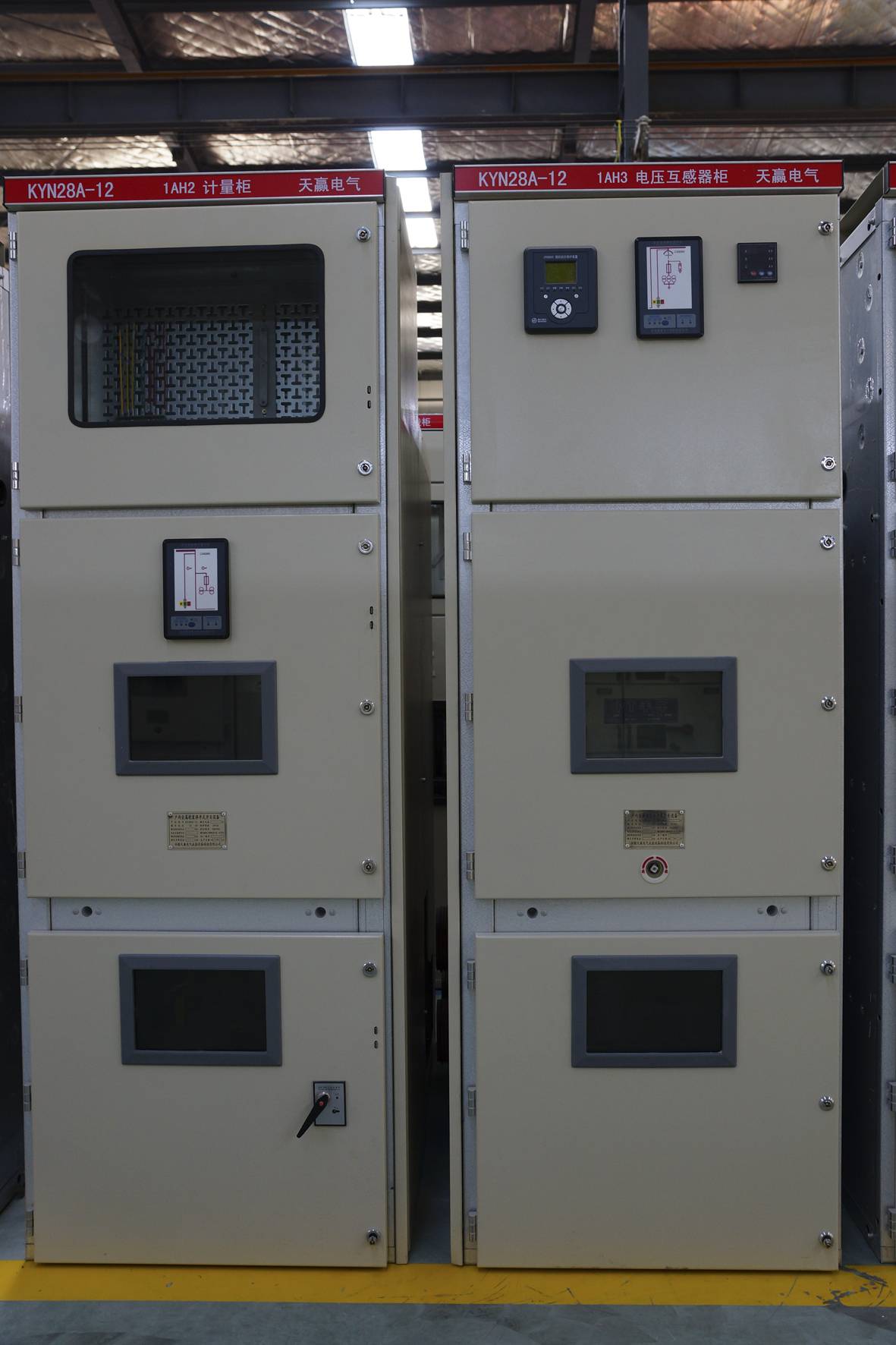
KYN28 - High Voltage Switchgear
Anhui Tianying Electrical Equipment Manufacturing Co., Ltd.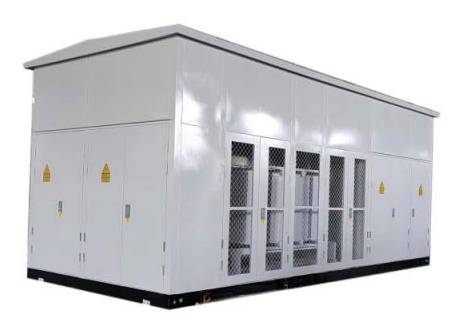

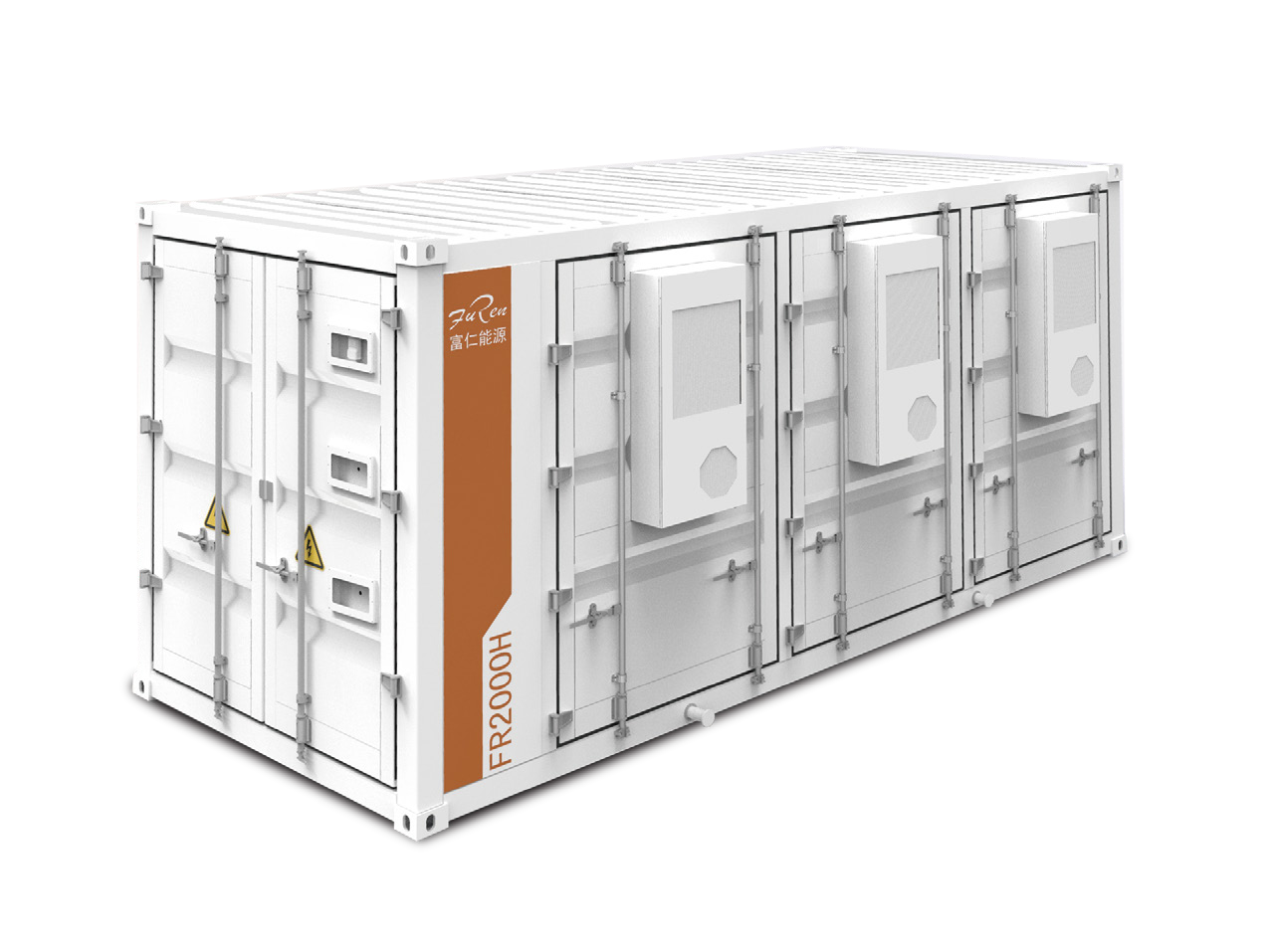
FR2000H 2.15MWh (Air-cooled) 20-foot Containerized Energy Storage System
Jiangyin Furen High-tech Co., Ltd.
Smart Photovoltaic Prefabricated Substation
Shanghai Jinyou Jinhong Intelligent Electric Co., Ltd.
Off-Grid Fuel Cell Supercharging Station (180kW Configuration)
Shanghai REFIRE Group Limited
714CD Series C-Band Weather Radar
Chengdu Zhongdian Jinjiang Information Industry Co., Ltd.
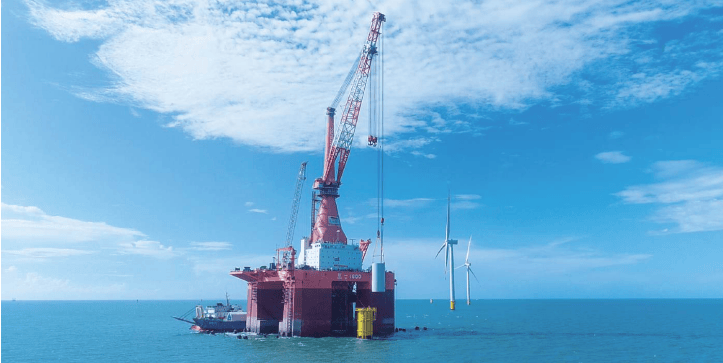
"Shunyi 1600" Deep-submerging Bottom-sitting Multi-functional Wind Power Engineering Vessel
Zhengli Offshore Engineering Co., Ltd.