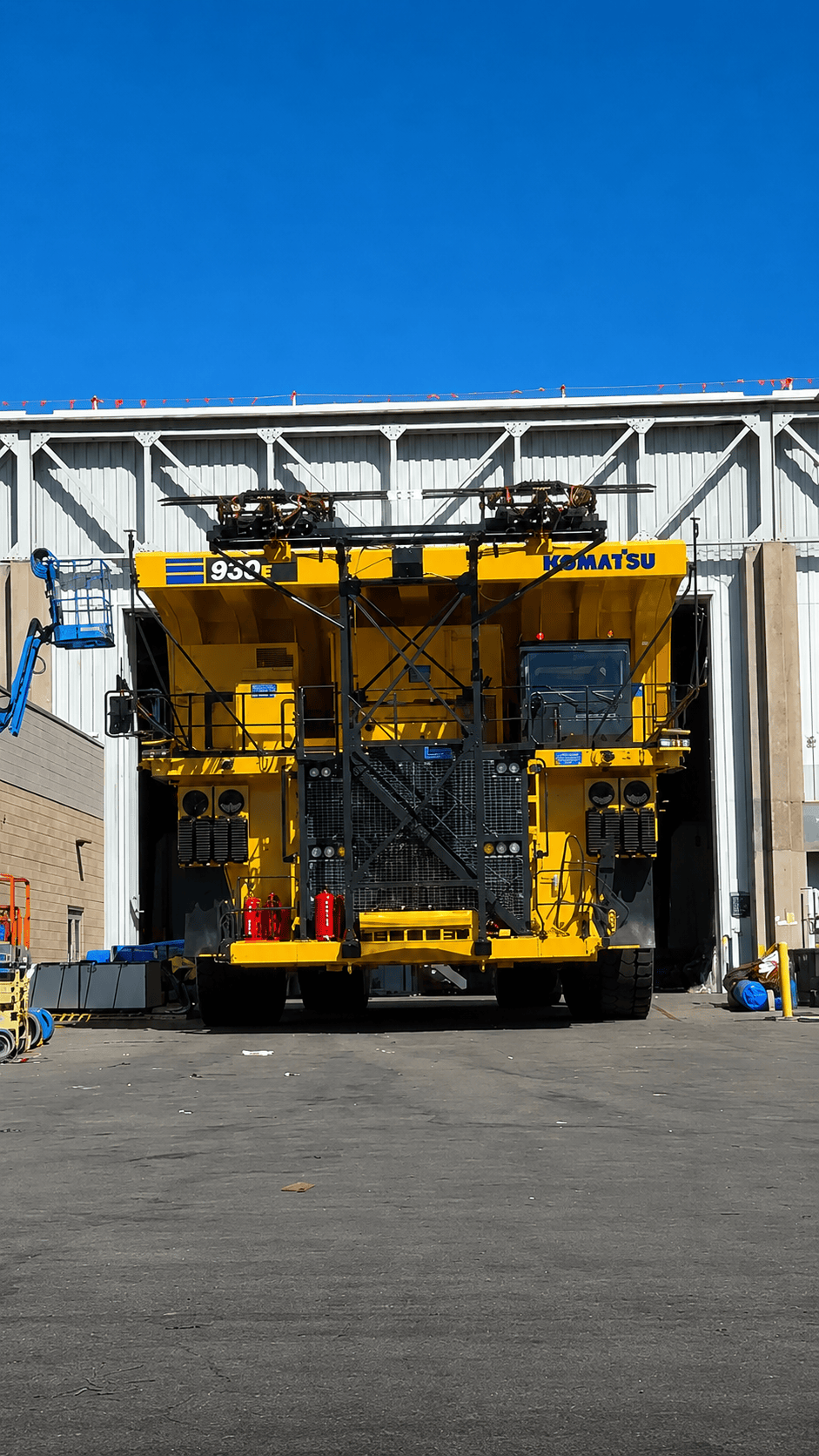
Haffner Energy Commissions Its Hydrogen-From-Biomass Production Unit in France
Wedoany.com Report-Feb 28, Haffner Energy announces the commencement of hydrogen production utilizing its proprietary solid biomass thermolysis technology at its Marolles hydrogen production, testing, and training center, as was announced in the 12/17/2024 press release. This unique technology enables the production of renewable hydrogen at a substantially lower cost compared to conventional methods, while offering an unparalleled carbon footprint.
“Achieving the continuous production of competitive green hydrogen is a decisive step. Currently, the industry faces significant delays due to the excessive cost of decarbonized hydrogen. We are confident that our solution will accelerate the adoption of renewable hydrogen and enhance the sector’s competitiveness. I want to congratulate the Haffner Energy team and our partners for this remarkable achievement, ushering the company into a new era,” stated Philippe Haffner, Co-founder and CEO of Haffner Energy.
A Flexible and Economically Advantageous Production Model
The site’s production capacity will be 15 kg of hydrogen per hour (kg/h), with an initial phase temporarily limited to 11 kg/h due to the existing PSA (Pressure Swing Adsorption) purification equipment. This equipment will be replaced in the coming months by a PSA designed to reach a 15 kg/h capacity. The unit already produces hydrogen at 8 bar pressure, ready for commercial distribution starting in the second half of 2025 to serve transportation and industrial markets.
Anticipated since late 2024, this commissioning required the site to be connected to the medium-voltage electrical grid, which was completed earlier this year, followed by the on-site presence of commissioning engineers focused on the main equipment suppliers for hydrogen purification.
The biomass thermolysis unit, operational since June 2024, exceeds the capacity required to produce 15 kg/h of hydrogen. The new PSA, already received by Haffner Energy, will be complemented by a compressor reaching 35 bar pressure, supplying an H14 distribution station provided by HRS.
Marolles is designed to operate 8,000 hours per year. As part of this site’s operations, 120 metric tons of mobility-grade hydrogen per year (15 kg/hour) will be produced, contributing to the decarbonization of mobility and industry. This is equivalent to 12 million kilometers traveled with hydrogen vehicles. Approximately 2,400 metric tons of CO₂ per year will be avoided or captured through hydrogen and biocarbon (char or biochar) combined.
A memorandum of understanding for the offtake has been signed for the supply of 90 tonnes of hydrogen per year, mainly for mobility applications, which is designed to ensure a commercial outlet within the next few months.
Related Products


Hydrogen Station Diaphragm Hydrogen Compressor
Chongqing Rongneng Mechanical&Electrical Equipment Co.,Ltd.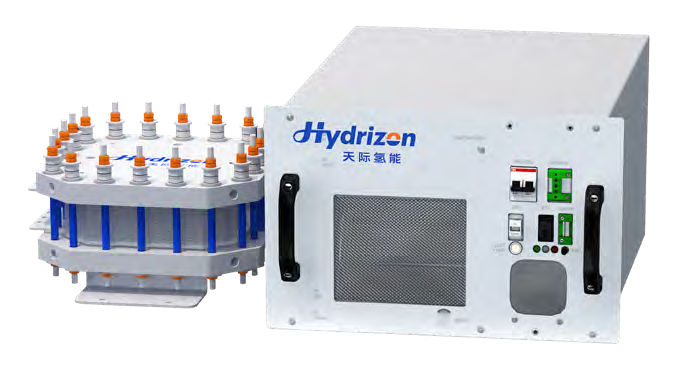
HI-Pro Green Hydrogen High-efficiency Production System-HI-PRO-AEM
Hydrizon Technology (Beijing) Co., Ltd.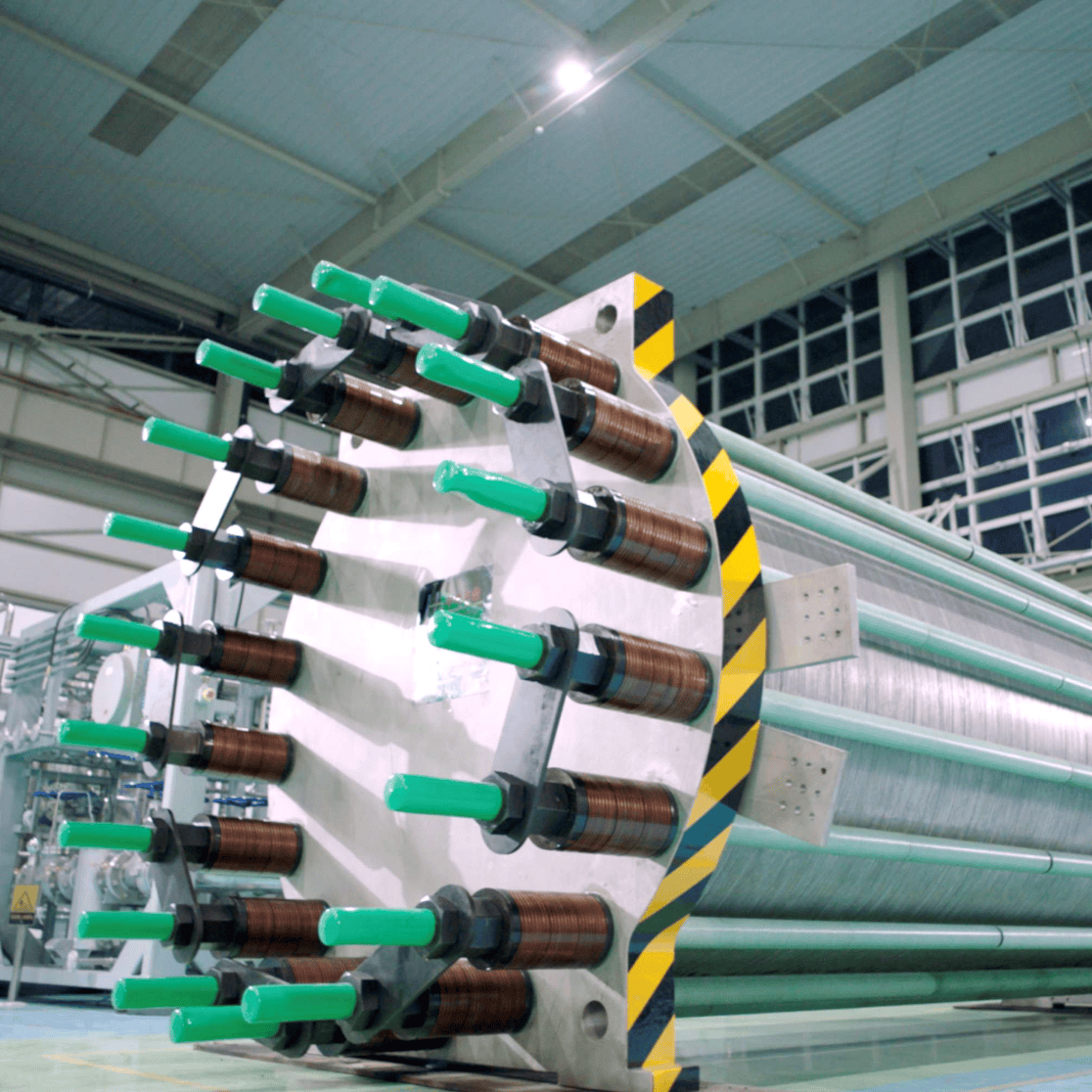
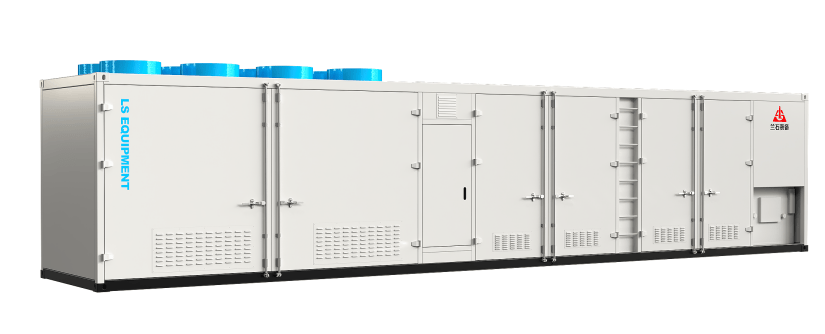
70MPa Skid-Mounted Integrated Hydrogen Booster and Filling Machine
Lanzhou LS Petroleum Equipment Engineering Co., Ltd.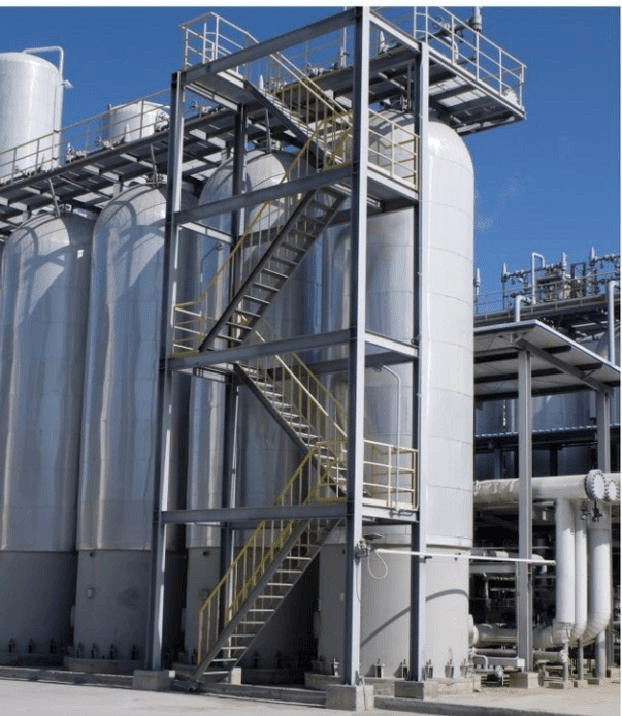
Hydrogen Production Technology: Hydrogen Purification by Pressure Swing Adsorption
Chengdu Yizhi Technology Co., Ltd.
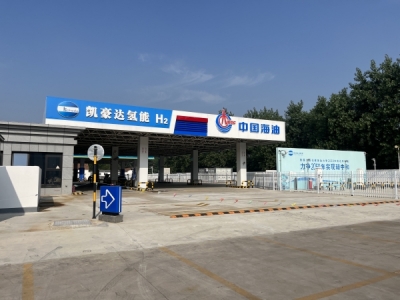
Hydrogen production and hydrogenation charging refueling gas integrated energy station
Shenzhen Kohodo Hydrogen Energy Co., Ltd.
Digital Multifunctional Electrical Measuring Instrument
Shanghai Complee Instrument Co.,Ltd.