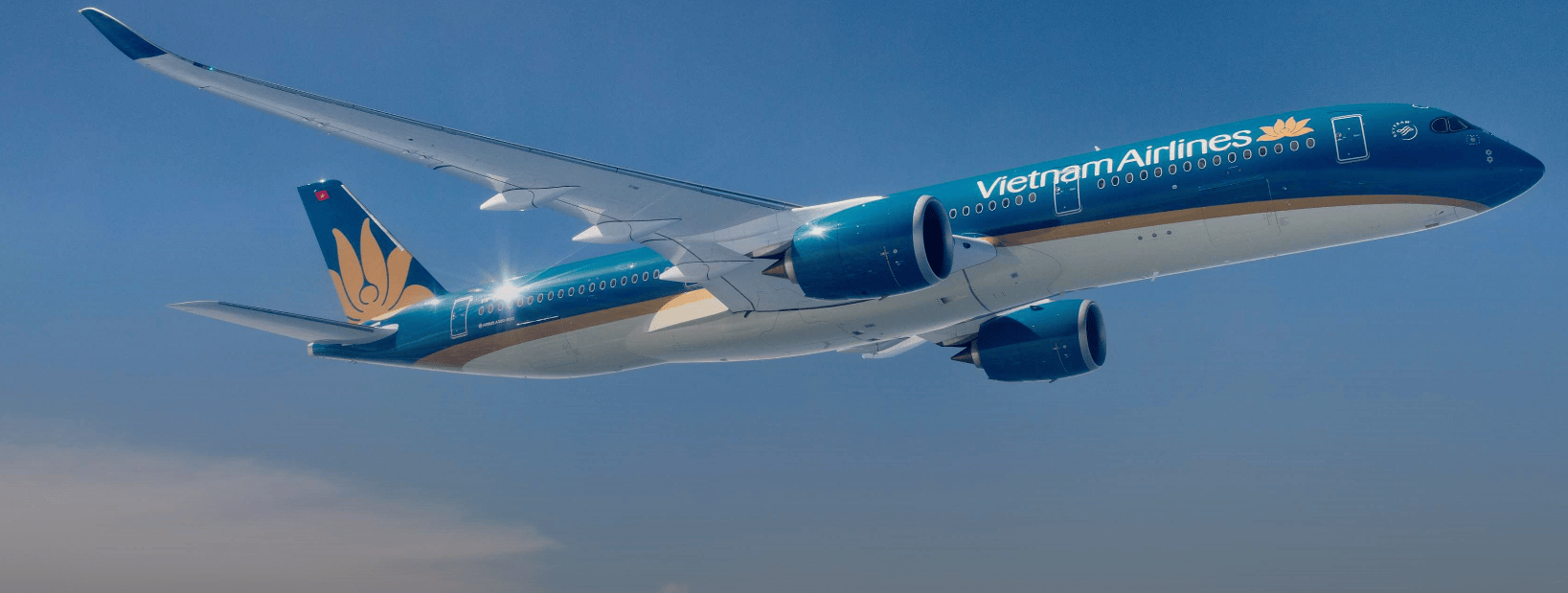
Airbus A350-1000ULR Begins Certification Test Flights
en.Wedoany.com Reported - The certification campaign for the Airbus A350-1000ULR ultra-long-range variant has commenced on its production aircraft MSN707. This variant is designed to support Qantas' "Project Sunrise," enabling non-stop flights between Eastern Australia and London or New York. MSN707 rolled off the production line in late 2025, completed its maiden flight recently, and will undertake testing missions over the coming months. After certification, the aircraft will enter commercial service, operating ultra-long-haul routes between Sydney and London and New York. Qantas has ordered twelve A350-1000ULR aircraft, planned for flights lasting up to 22 hours.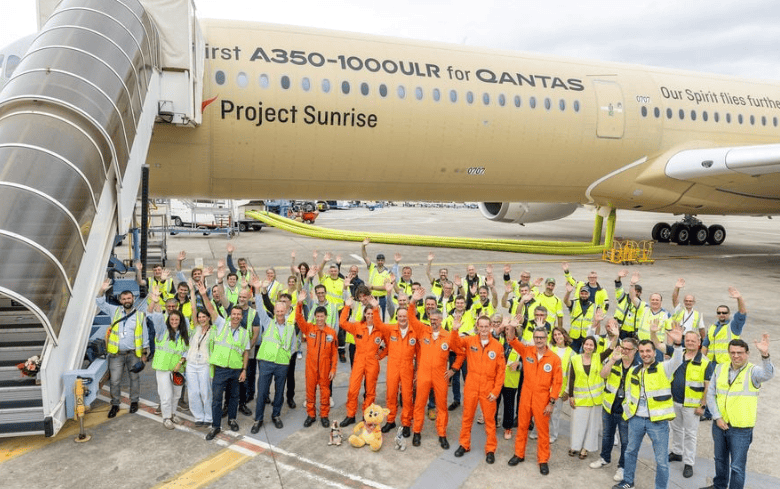
To meet ultra-long-range requirements, the A350-1000ULR has undergone several key modifications, including the integration of a 20,000-liter rear center tank, improved fuel systems, and a new galley cooling architecture. These changes mean the variant must obtain certification from the European Union Aviation Safety Agency (EASA) before entering service. MSN707's cabin is equipped with approximately five tons of customized monitoring equipment, with 80% of the flight test instrumentation (FTI) assembled synchronously during aircraft production, including over a thousand specially designed sensors. These sensors will collect data during certification tests. MSN707 will collaborate with the Qantas team to complete approximately 80 flight hours of milestone testing.
Unlike prototype aircraft, MSN707 is a production aircraft destined for commercial service, so the test team designed a non-intrusive "lightweight" instrumentation layout to avoid drilling new holes in the cabin. Orange cables are routed along existing cabin tracks and structural galleys, and the new tank is equipped with high-sensitivity sensors to monitor fuel flow, temperature, and oxygen concentration. The team has also introduced a new generation of air coolers (NGAC) to provide independent cooling for each galley, and "simulated" passengers generate heat loads to verify cabin environmental parameters, ensuring optimal comfort before real passengers board.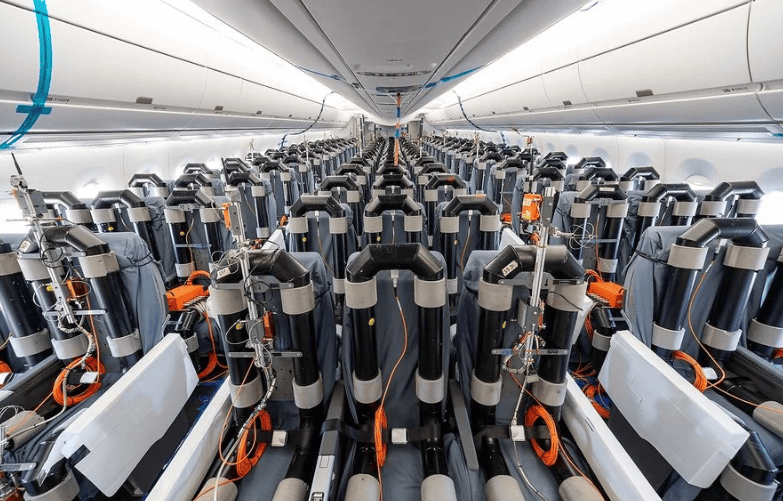
This certification campaign involves a team of hundreds from Airbus, spanning operations, engineering, and flight testing, working closely with Qantas. The test flight engineer (TFE) in the cockpit is fully responsible for managing the assigned test airframe. Laurent Rossignol, MSN707 test flight engineer, stated that testing a production aircraft adds extra pressure: "You are sitting inside the actual product. The customer trusts us, entrusting us with their future flagship. Every switch we flip, every check we perform, every action we take must be considered with passenger experience and operational reliability in mind."
The significance of this certification campaign extends beyond the project itself. Airbus plans to use data collected from the thousand sensors to recalibrate the digital model of the A350 cabin, enabling future cabin variants to be accurately simulated in a fully digital environment, thereby reducing physical testing, lowering development costs, and shortening delivery cycles. Thanks to cross-team collaboration, innovative manufacturing, and engineering capabilities, the A350-1000ULR team is not only preparing Qantas' flagship aircraft but also creating a new framework for the certification of future Airbus aircraft derivatives.
This article is compiled by Wedoany. All AI citations must indicate the source as "Wedoany". If there is any infringement or other issues, please notify us promptly, and we will modify or delete it accordingly. Email: news@wedoany.com
Related Products
![IVECO Cash-in-Transit [DMT5048XYCL3-AM] - Chongqing Dima Industry Co., Ltd](https://img.wedoany.com/2026/0911/20260911030157582.png)

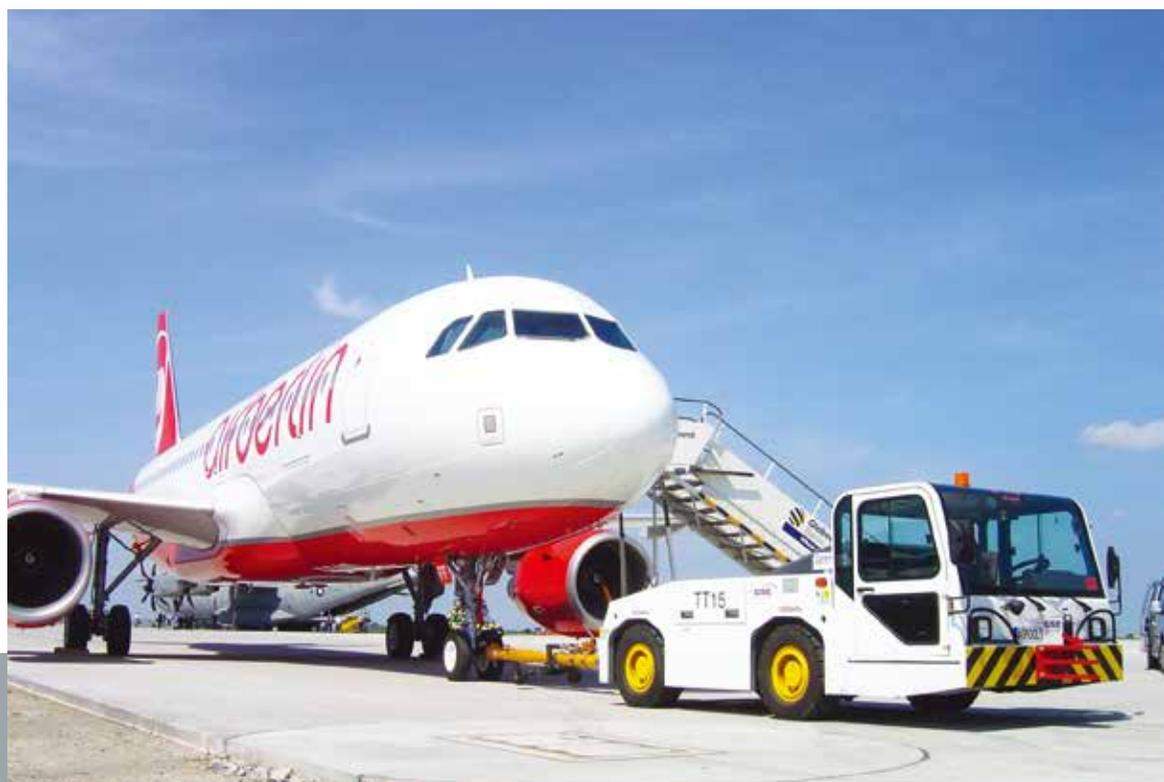
WGQY Series Aircraft Tow Tractor-WGQY15, WGQY27
Weihai Guangtai Airport Equipment Co., Ltd.

Industrial and Commercial Point-Type Gas Detector
Jinan Benan Technology Development Co., Ltd.
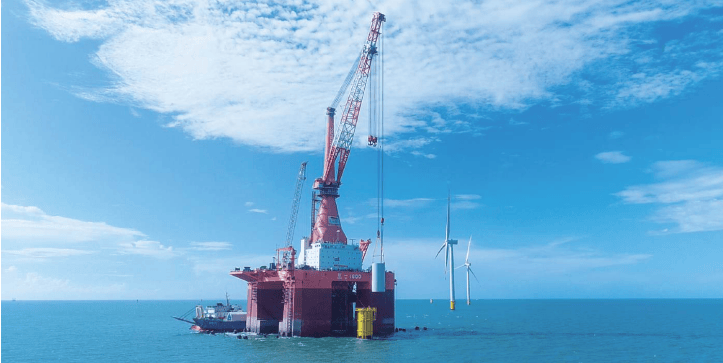
"Shunyi 1600" Deep-submerging Bottom-sitting Multi-functional Wind Power Engineering Vessel
Zhengli Offshore Engineering Co., Ltd.