en.Wedoany.com Reported - In 1905, Rolls-Royce installed a 3.5-liter, 90-degree, side-valve V8 engine in a production model, becoming the first manufacturer to use a V8 engine in a road car. This engine powered models named "Landaulette par Excellence" and "Legalimit," the latter famous for its speed limiter that prevented drivers from exceeding the UK's 20 mph (32 km/h) speed limit, though thrill-seeking customers could opt for a higher setting, achieving a top speed of 42 km/h. The Legalimit ultimately failed completely, with only one unit sold, which was repurchased by the Rolls-Royce factory.
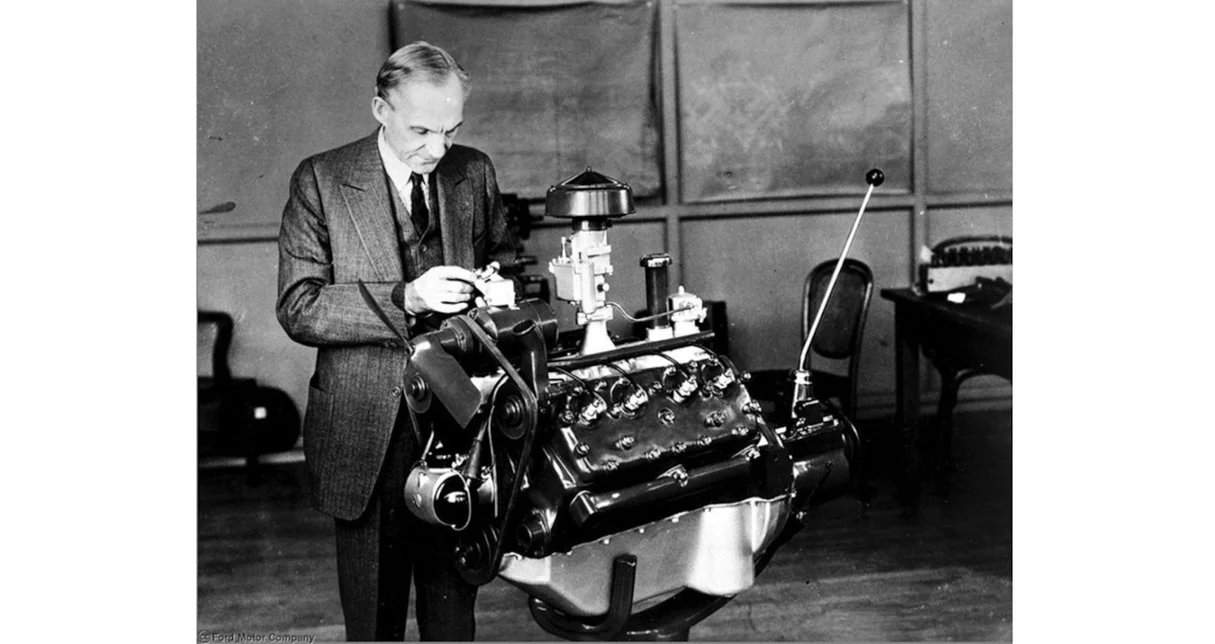
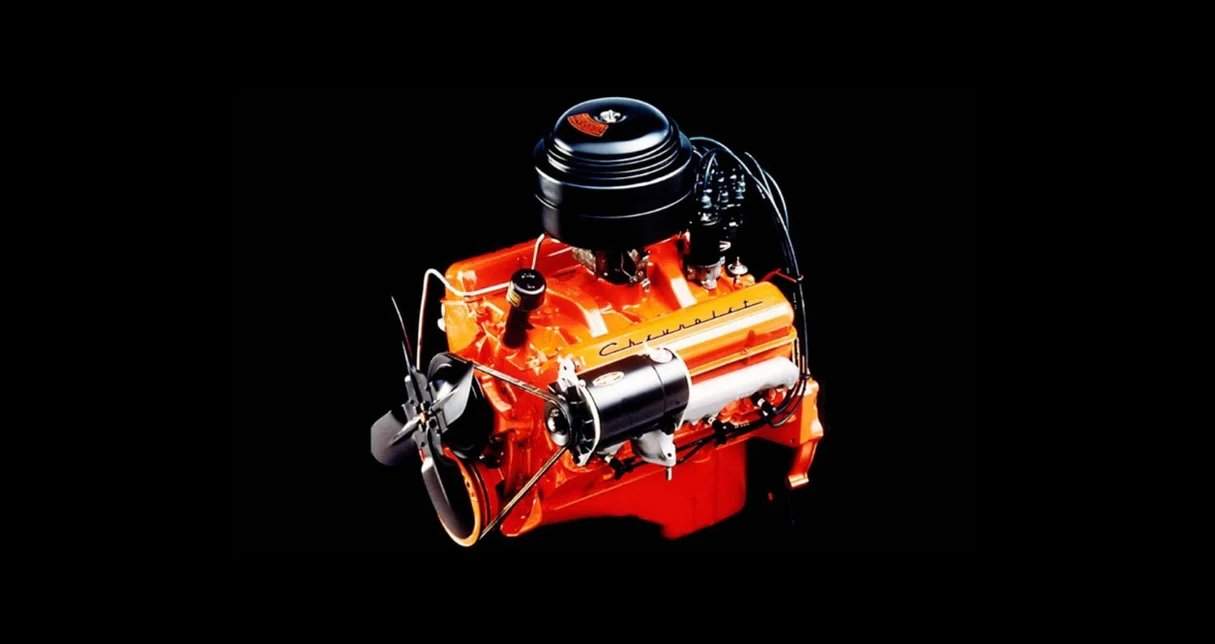
Over the following 121 years, the V8 engine layout did not die out. After refinements by France's De Dion-Bouton and America's Cadillac, Henry Ford introduced the "flathead" V8 engine on the 1932 Model B. Produced for over two decades, its compact layout and relatively light weight laid the foundation for the V8's enduring popularity. In 1955, General Motors launched the small-block V8, which has since seen production volumes reaching 113 million units.
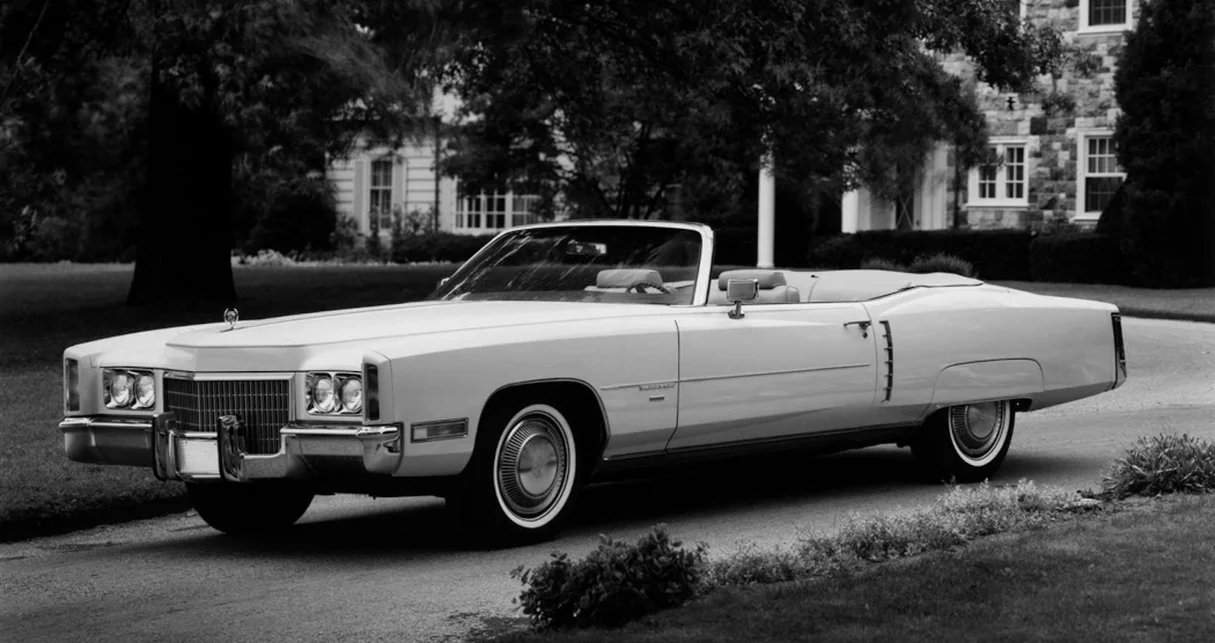
In 1973, Arab members of the Organization of the Petroleum Exporting Countries cut oil production, causing global oil prices to soar, and coupled with growing environmental concerns, the V8 engine was deemed outdated and wasteful. Emission control regulations began to take effect, with devices such as EGR valves, catalytic converters, and charcoal canisters becoming standard. American Motors Corporation (AMC) produced the smaller Pacer model, equipped with a six-cylinder engine and an optional V8. Cadillac's 500 cubic inch (8.2-liter) V8 engine, introduced in 1970 with a rated power of 400 horsepower (298 kW), had dropped to 190 horsepower (141 kW) by 1976.
Despite another drop in oil supply following the 1979 Iranian Revolution, the V8 survived in the shadows. In the early 1980s, after the stabilization of the Middle East situation, the V8 began a revival. In Australia, Ford's discontinuation of the XE Falcon V8 in 1982 sparked public outrage, but it returned with the EB model in 1991. Holden considered dropping the V8 Commodore in 1984, but a public campaign called "V8 until '98" changed the board's decision. Multiple models from brands such as Aston Martin, BMW, Ferrari, Lamborghini, Lexus, and Lotus advanced V8 development in terms of performance, efficiency, and cleanliness through dual overhead camshaft designs.
Entering the 21st century, electric vehicle experiments like the General Motors EV1, Honda EV Plus, and Toyota RAV4 EV evolved into more coordinated pure electric efforts, with the Tesla Model S becoming a representative model of the 2010s. Chinese automotive giants also began to awaken, promoting pure electric powertrains. Strict emission standards and target dates for phasing out new internal combustion engine models were implemented globally. However, electric vehicle adoption rates have fallen short of earlier predictions. The European Union set a target of reducing average tailpipe emissions from new cars and vans by 90% by 2035, rather than a complete ban on internal combustion engines; the UK's 2030 "internal combustion engine ban" was delayed by five years; and the United States and other countries have also taken regulatory easing measures.
Last year, General Motors reaffirmed its commitment to V8 power, investing $918 million to upgrade four U.S. factories involved in V8 engine production, with an additional $888 million allocated to the Tonawanda Propulsion Plant in Buffalo, New York. The latest sixth-generation LS6 version of the small-block V8 engine is an all-aluminum 6.7-liter (409 cubic inch) unit, delivering 400 kW and 705 Nm, and is installed for the first time in the Chevrolet Corvette supercar. Mercedes-AMG retains its 4.0-liter twin-turbo V8 engine, and the Lamborghini Temerario combines turbocharged V8 power with electric hybrid technology, with its success raising the possibility of a new generation of V8-powered Audi R8. Brands such as Bentley, BMW, Ford, Land Rover, McLaren, and Porsche are also continuing V8 models. Great Wall Motor plans to equip the Tank 800 SUV, set to launch in Australia in mid-2027, with a brand-new 4.0-liter twin-turbo V8 engine working in conjunction with multiple electric motors. FIA President Mohammed Ben Sulayem is determined to reintroduce V8 engines in Formula 1 cars from 2030.
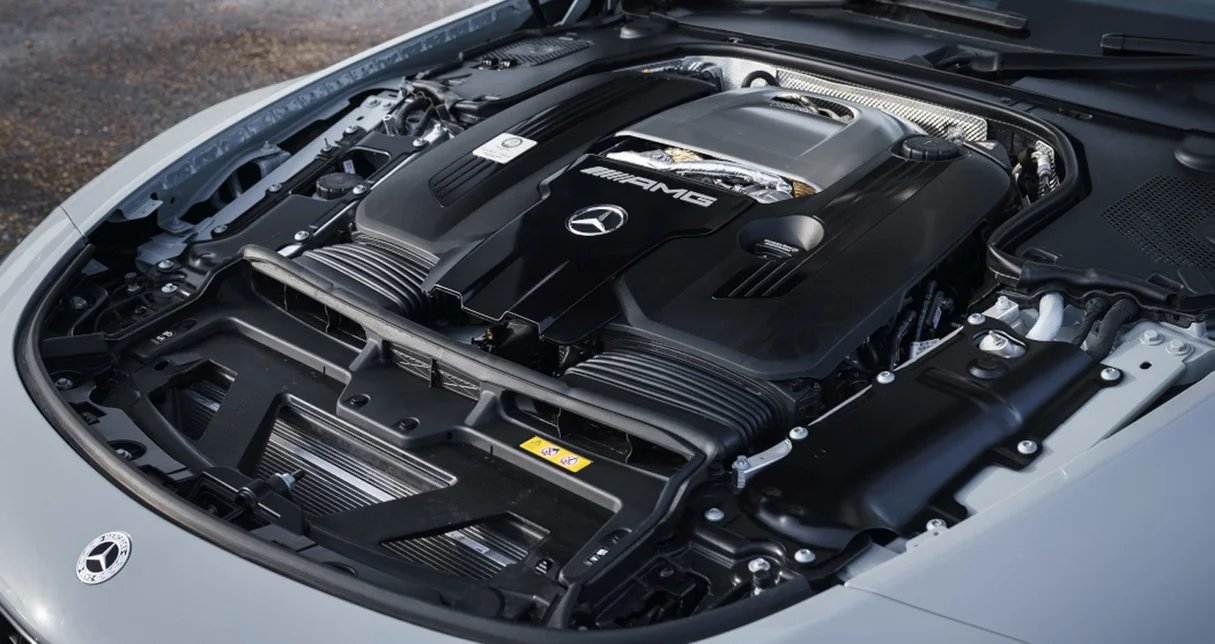
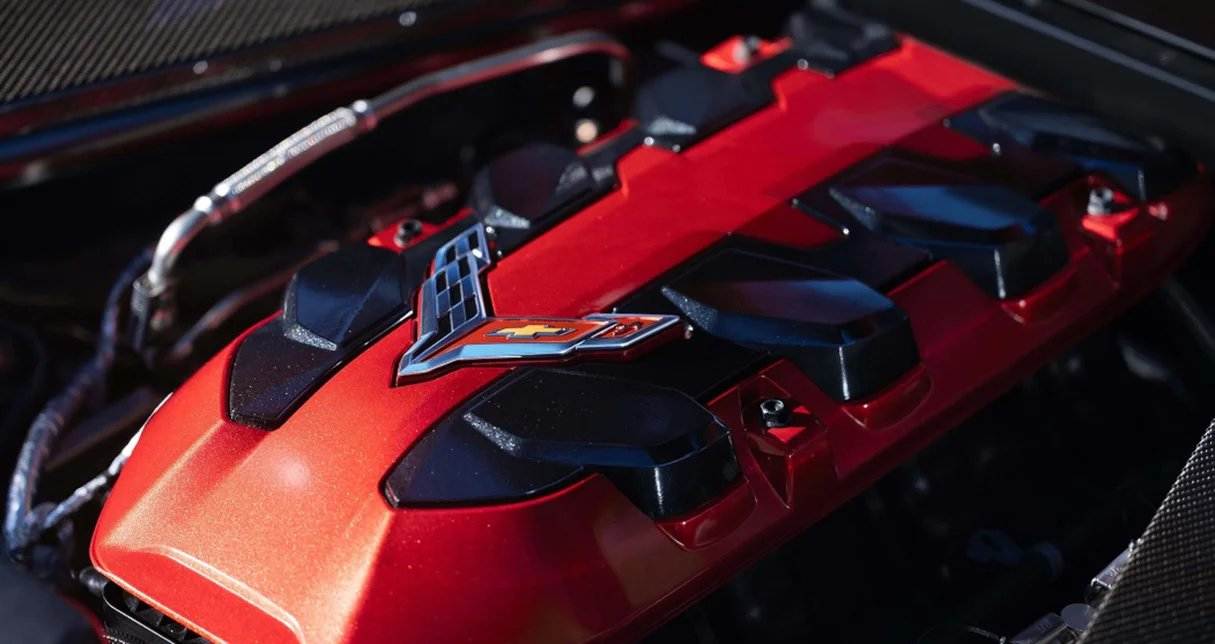
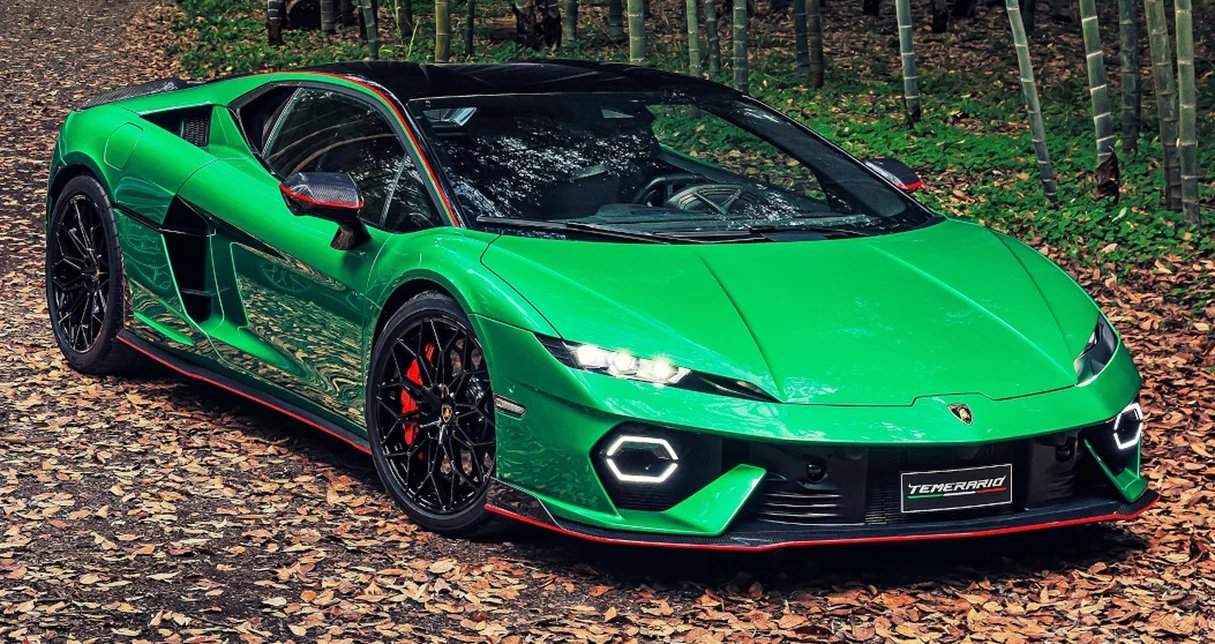
For a vast number of global automakers, eight cylinders arranged in a V shape remain the preferred engine layout.
This article is compiled by Wedoany. All AI citations must indicate the source as "Wedoany". If there is any infringement or other issues, please notify us promptly, and we will modify or delete it accordingly. Email: news@wedoany.com