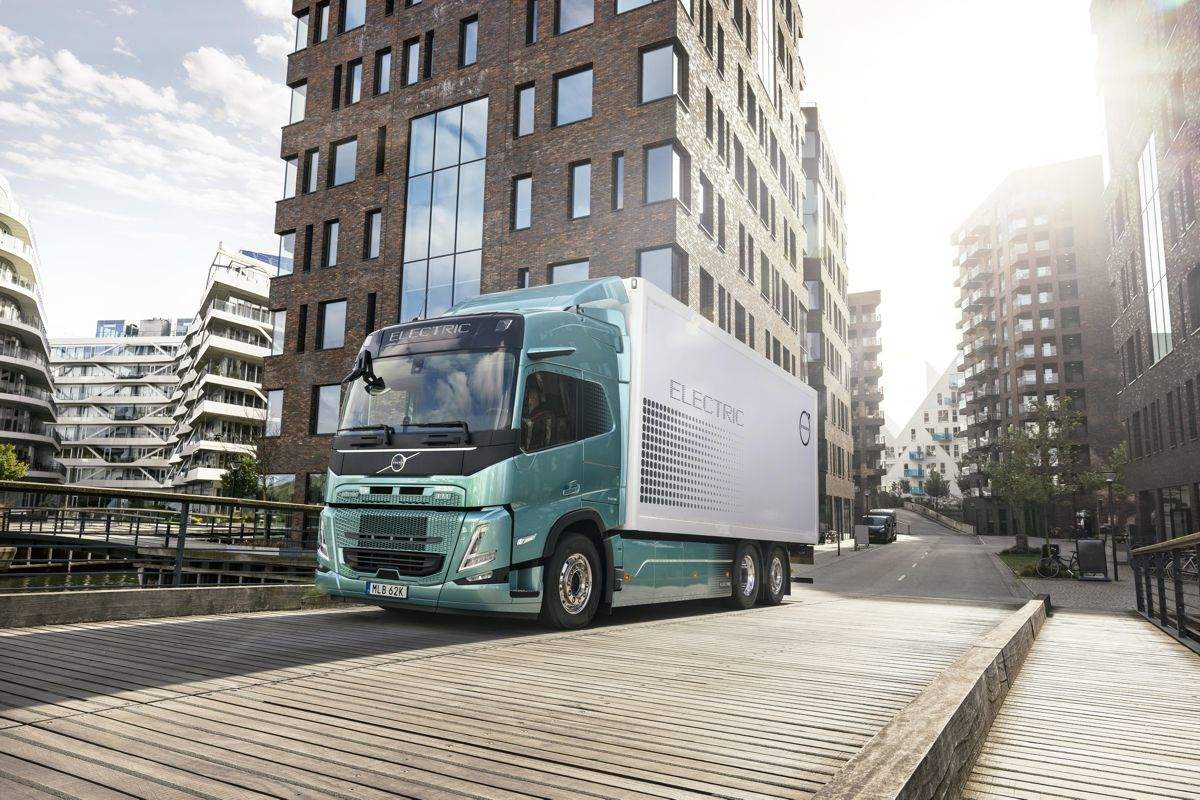
en.Wedoany.com Reported - Volvo Trucks has launched a new extended-range version of the FH Aero Electric, achieving a range of 700 kilometers on a single charge, while also unveiling the next-generation FH, FM, and FMX Electric trucks for construction, regional distribution, and other applications, with a range increased to 470 kilometers. These moves aim to narrow the gap in transitioning heavy-duty long-haul trucks from diesel to electric power and to counter competitive pressure from Mercedes-Benz.
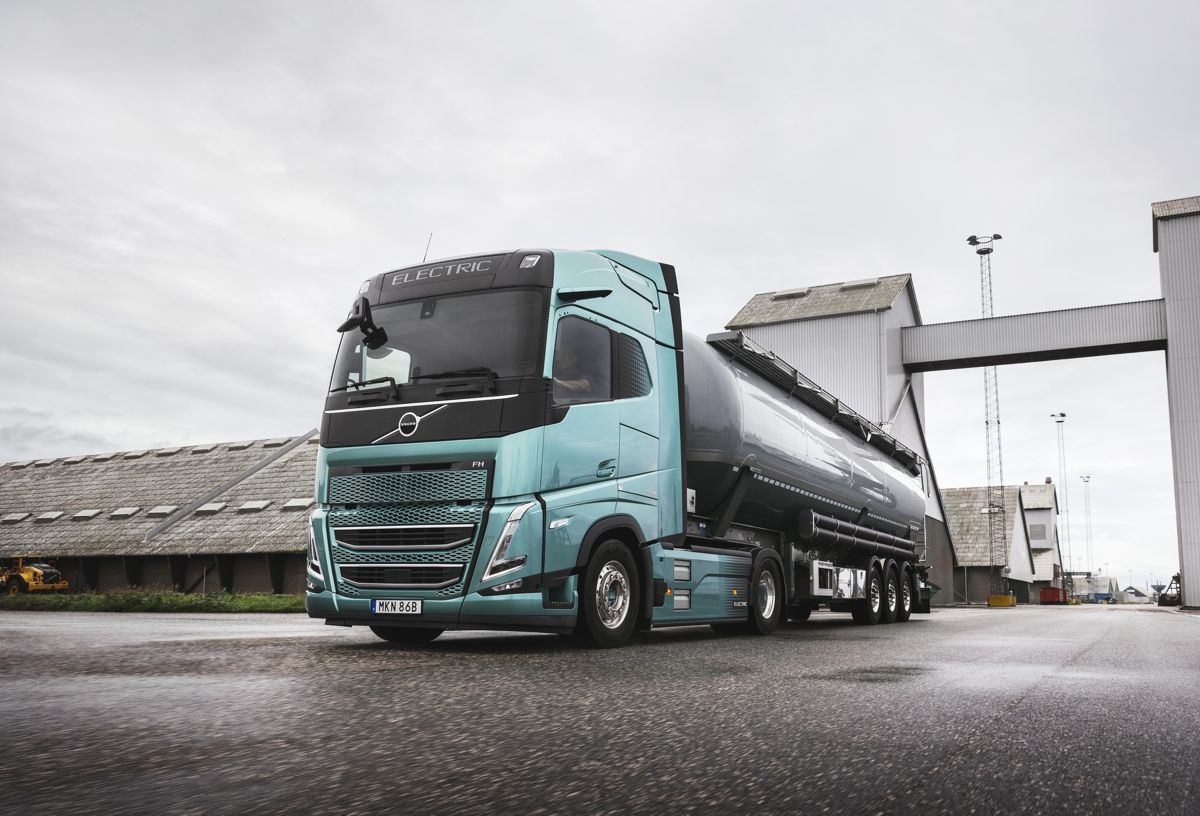
The extended-range FH Aero Electric is built around a new-generation e-axle, which integrates dual electric motors and a six-speed gearbox into the rear axle, freeing up chassis space to accommodate eight battery packs, compared to six in the current FH Electric. The model delivers 460 kW (623 hp), with a gross combination weight of up to 48 tons and a payload of approximately 28 tons. Volvo states that the Megawatt Charging System (MCS) can charge the battery from 20% to 80% in about 50 minutes, which aligns closely with the European regulatory requirement for drivers to take a 45-minute break after 4.5 hours of continuous driving. In comparison, the current FH Electric model has a range of 600 km, and the 700 km figure is a subsequent upward revision by the company; actual range varies depending on weather, terrain, weight, and driving style. Against key competitors, the Tesla Semi claims a range of about 550 km, while the Mercedes-Benz eActros achieves around 500 km.
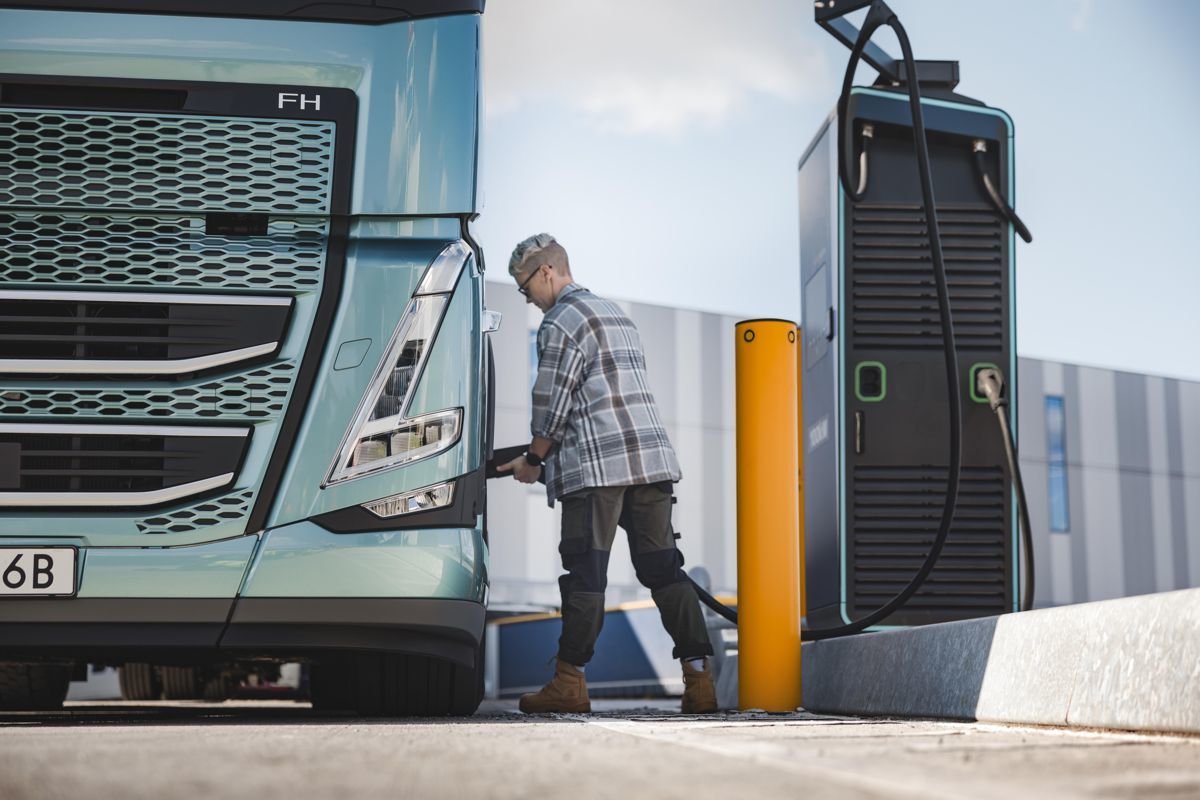
Charging infrastructure remains a major bottleneck for the deployment of long-haul electrification. The FH Aero Electric is compatible with the MCS standard, enabling a 20% to 80% charge in 50 minutes at 700 kW, while under the 350 kW CCS standard, it takes about 85 minutes. Through its joint venture Milence with Daimler Truck and Traton, Volvo aims to build 1,700 high-power charging points across Europe by 2027 and open public charging corridors along major freight routes. Grid connection, demand charges, and interoperability remain potential challenges in the business case.
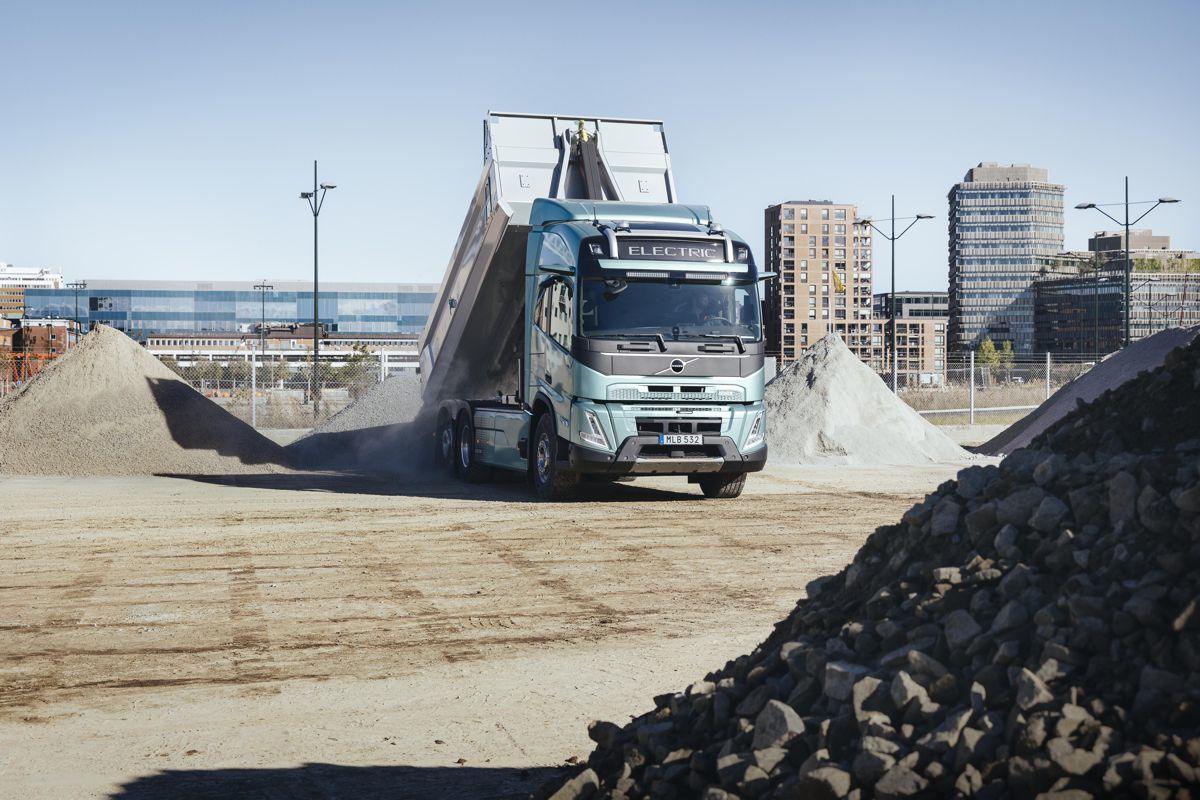
The refreshed FH, FM, and FMX Electric models are designed for construction, utility, waste collection, and regional transport applications, featuring a new dual-motor powertrain and an integrated power take-off that allows body and truck auxiliary equipment to operate synchronously. These models offer a maximum range of up to 470 km, a 20% to 80% charge time of about 65 minutes under the CCS standard, a gross combination weight of up to 65 tons, and configurations with dual drive axles and low gear ratios. Volvo Trucks President Roger Alm stated that these updates aim to achieve zero tailpipe emissions for a wider range of transport tasks while enhancing driving comfort.
In terms of market context, Volvo had held the top spot in the European heavy-duty electric truck segment for five consecutive years, with a market share of approximately 47% at the end of 2024. However, according to data from the International Council on Clean Transportation, in 2025, Mercedes-Benz sold around 1,400 zero-emission heavy-duty trucks driven by the eActros, becoming the EU market leader, while Volvo's share in this segment fell to about 2%. The EU's increasingly stringent CO2 standards require trucks registered between mid-2025 and mid-2026 to reduce emissions by 15% compared to the 2019 baseline, pushing major manufacturers to accelerate the shift to electrification. Currently, diesel trucks still account for over 90% of new heavy-duty registrations in 2025, with zero-emission vehicles holding only a single-digit share.
Volvo has incorporated this launch into its "three-path" strategy, which encompasses battery electric, fuel cell electric, and internal combustion engine technologies using renewable fuels such as green hydrogen, biomethane, and HVO, with a target of achieving net-zero emissions by 2040. The new models are scheduled to be rolled out market by market starting in 2026. The company sold approximately 120,000 trucks globally across all segments in 2025 and operates around 2,200 service points in about 130 countries. Roger Alm emphasized that electric trucks will handle a significant portion of global transport tasks in the future, and this product update further enhances the feasibility of replacing diesel trucks with electric ones.
This article is compiled by Wedoany. All AI citations must indicate the source as "Wedoany". If there is any infringement or other issues, please notify us promptly, and we will modify or delete it accordingly. Email: news@wedoany.com