Peru's Foncodes Launches S/5.44 Million Project in Loreto
en.Wedoany.com Reported - The Ministry of Development and Social Inclusion (MIDIS) of Peru, through the Cooperation Fund for Social Development (Foncodes), has launched the Haku Wiñay/Noa Jayatai project in the districts of Fernando Lores and Indiana, in the province of Maynas, Loreto region. The project aims to strengthen the productive capacities of migrant and indigenous families, improve their food security, and promote inclusive rural entrepreneurship to help increase their economic income.
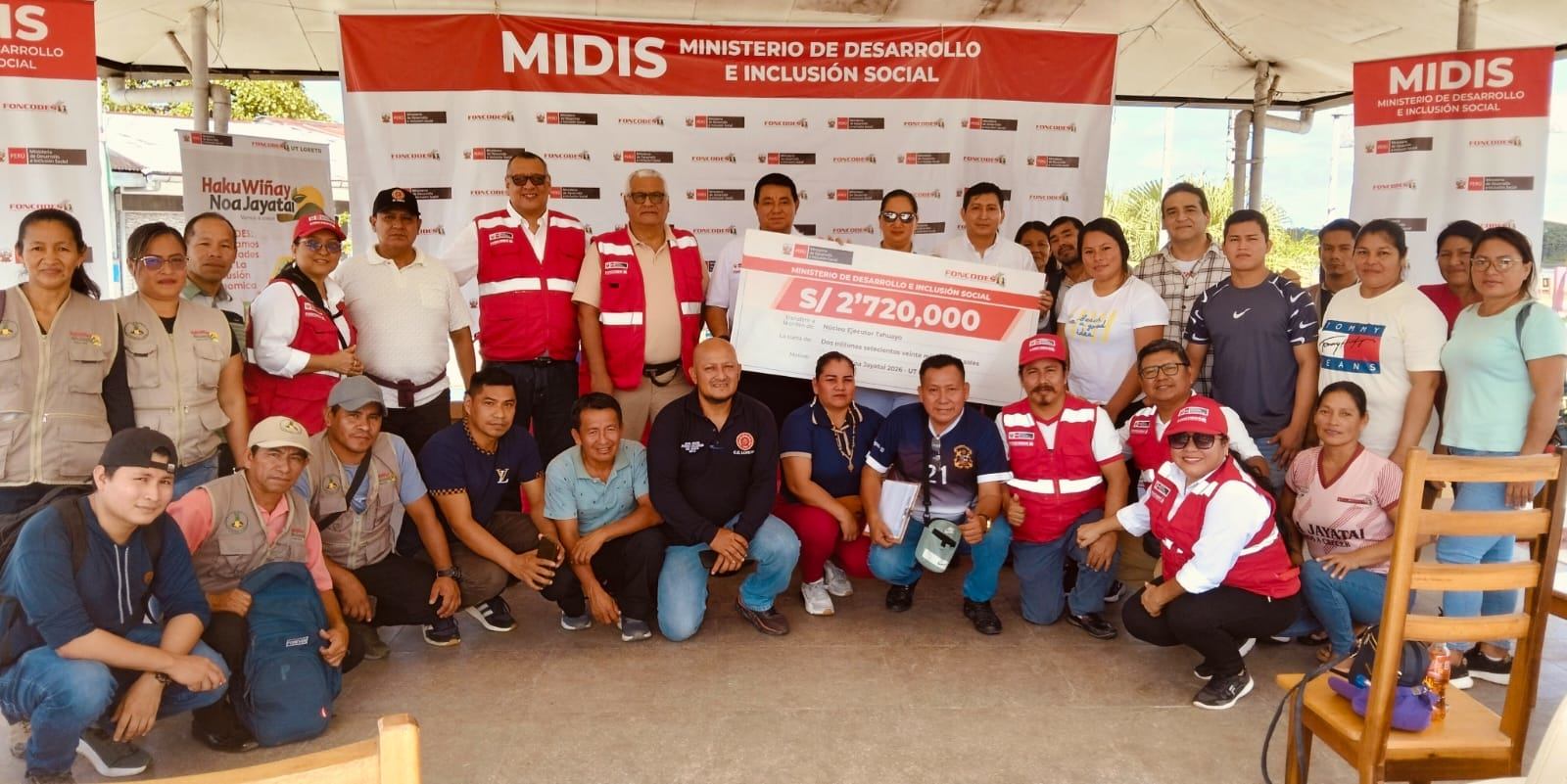
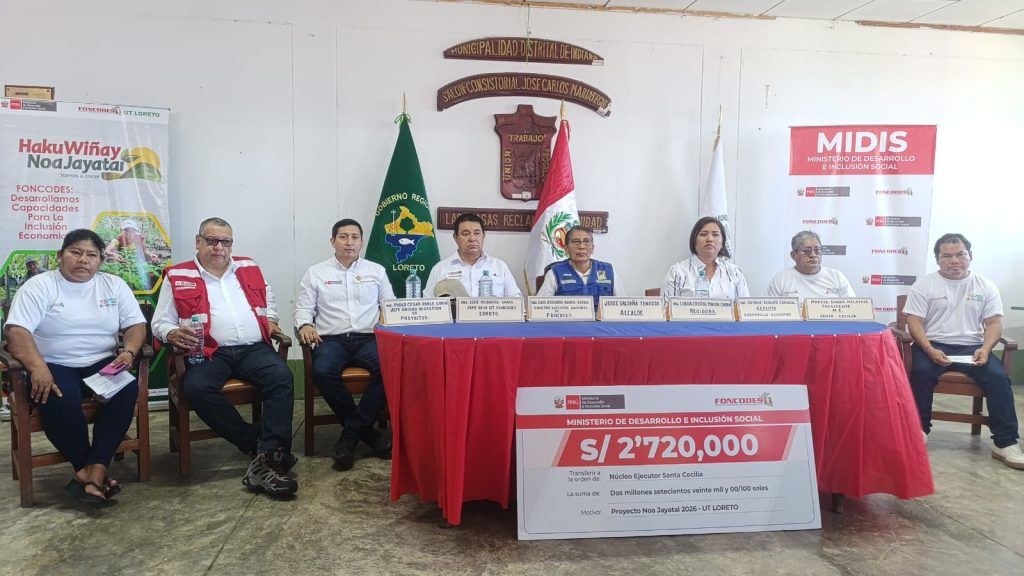
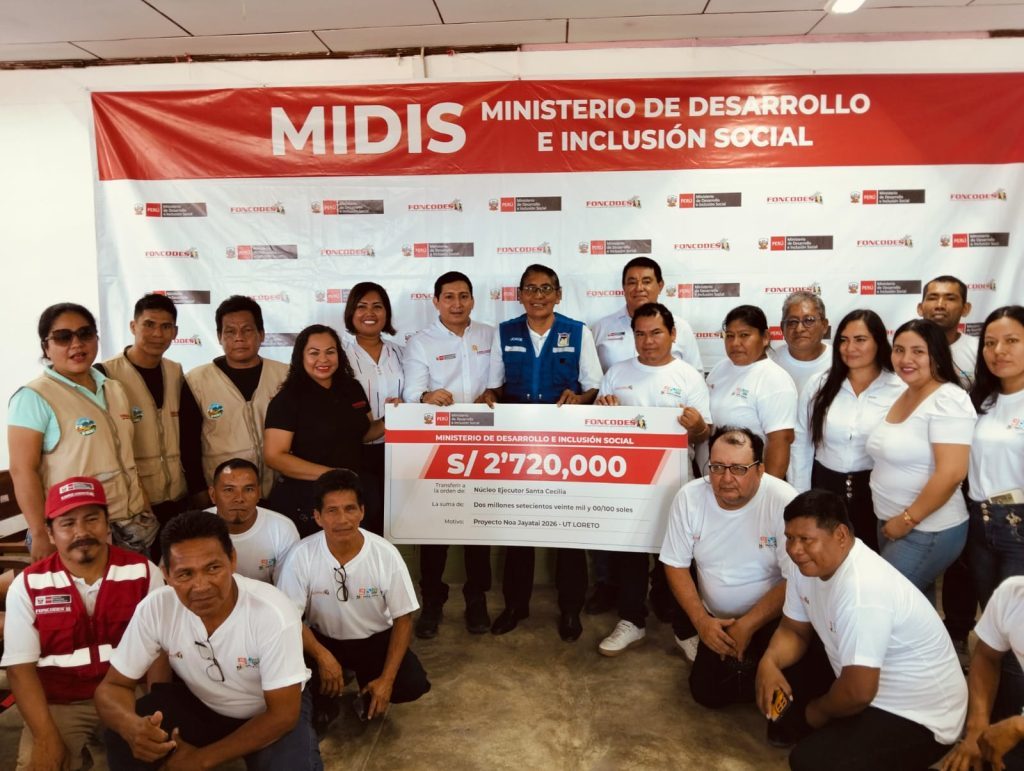
The total investment in the project is S/5.44 million, directly benefiting 800 rural families, equally distributed between the two districts. The project is implemented through two execution hubs: the Tahuayo execution hub in Fernando Lores and the Santa Cecilia execution hub in Indiana.
Luis Abelardo Ramos Chong, Executive Director of Foncodes, stated that this initiative provides an opportunity for Amazonian families to become protagonists of their own development. He said that through Haku Wiñay/Noa Jayatai, the project promotes sustainable economic opportunities for rural families, enhancing their productive capacities and entrepreneurial spirit, with the goal of enabling more families to improve their diets, increase their income, and build a future with better opportunities.
The project spans three years. During this period, families will receive training and agricultural technical assistance to implement production techniques, strengthen production systems, and manage inclusive rural entrepreneurship.
In the Fernando Lores district, the Tahuayo execution hub will cover 40 communities, benefiting 400 families with an investment of S/2.72 million. In the Indiana district, the Santa Cecilia execution hub will operate in 13 communities, also benefiting 400 families with a similar investment amount.
Over the past three years, Foncodes has executed 10 production projects through the Loreto Regional Office, with a total investment of S/21.8 million, covering 3,206 families in the provinces of Mariscal Ramón Castilla, Requena, Datem del Marañón, Maynas, and Alto Amazonas. In 2023, projects were carried out in the San Pablo and Emilio San Martín execution hubs, benefiting 800 families with an investment of over S/5.4 million. In 2024, projects continued in the Ajutap Atahualpa, Morona 3, and Punchana execution hubs, benefiting 1,206 families belonging to the Awajún, Wampis, Chapra, Murui, and Bora ethnic groups, as well as the mestizo population. In 2025, interventions were launched in the Fernando Lores, Mazan 2, and Santa Cruz 2 execution hubs, covering 1,200 families, including the Omagua, Kichwa, and Mayjuna ethnic groups, as well as farming communities. These projects have established 80 inclusive rural entrepreneurship initiatives in areas such as agriculture and livestock, agro-processing, handicrafts, and services, promoting the participation of families from over 250 indigenous and migrant communities.
The launch of Noa Jayatai in Loreto is part of a nationwide effort. Foncodes plans to carry out 91 production interventions through execution hubs this year, covering 36,512 rural families in 21 provinces, 65 districts, and 91 localities, with an investment of S/224.2 million.
At the regional level of Loreto, Foncodes has executed other social infrastructure projects. These include the maintenance of health center infrastructure, drinking water systems, and road infrastructure in the Santa Rosa district, located at the tri-border area of Peru with Colombia and Brazil, costing S/4,215,280; the maintenance and renovation of kitchens and warehouses (MACA) in eight schools in the districts of Belén, Punchana, and San Juan Bautista in the province of Maynas, costing S/1,067,773; and the maintenance and renovation of 29 rural roads (village paths and motorable trails), costing S/2,764,812, benefiting 8,994 residents in the provinces of Requena and Ucayali.
The Ministry of Development and Social Inclusion (MIDIS) of Peru, through Foncodes, reaffirms its commitment to creating sustainable economic opportunities for the most vulnerable families in the Loreto region, helping to reduce social gaps and strengthen the development of rural communities in the Peruvian Amazon.
This article is compiled by Wedoany. All AI citations must indicate the source as "Wedoany". If there is any infringement or other issues, please notify us promptly, and we will modify or delete it accordingly. Email: news@wedoany.com
Related Products
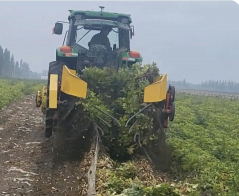

4HS-8 High-efficiency Peanut Inverted-laying Harvester
Hebei Yongfa Hongtian Agricultural Machinery Manufacturing Co., Ltd.

Industrial and Commercial Point-Type Gas Detector
Jinan Benan Technology Development Co., Ltd.



714CD Series C-Band Weather Radar
Chengdu Zhongdian Jinjiang Information Industry Co., Ltd.