en.Wedoany.com Reported - The Cleveland Water Alliance (CWA) in the United States is deploying a network of smart buoys in the Lake Erie basin to enable real-time monitoring of atmospheric, hydrological, and water quality parameters. The project is named "Smart Lake Erie Watershed." Ebie Holst, CWA's Director of Data and Innovation, noted that Lake Erie has the most advanced sensor network among the Great Lakes and is the first region to establish such a system.
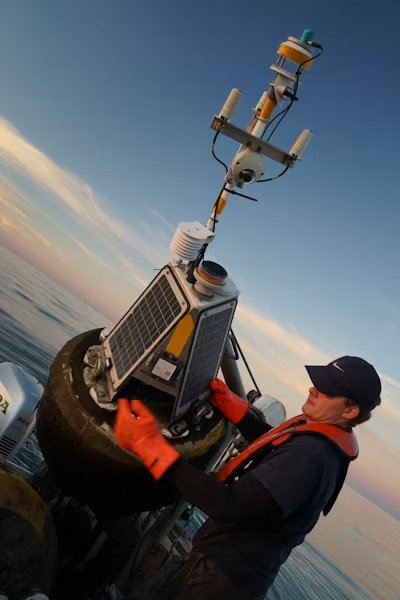
The initial phase of the project focused on communication coverage. CWA selected LoRaWAN as the sensor network protocol to reduce equipment costs and support large-scale deployment. Gateways are installed on high-rise buildings, involving coordination with site owners and handling permits. Sensor placement is closely aligned with the locations of water intakes around the basin. With support from the Cleveland Division of Water, the project started with two buoys and later expanded to four. With funding from the state of Ohio, each county bordering Lake Erie now has at least one buoy. To date, the project has deployed over 200 sensors across an area of 7,750 square miles.
Sensors at each site monitor shared parameters, including wind speed and direction, surface pH levels, surface chlorophyll levels, and surface blue-green algae levels. Land-based stations focus more on water levels, atmospheric conditions, and wave conditions, providing core information for recreational users to assess boating safety and navigation conditions. Depending on the buoy location and data needs, additional information may be collected. For example, sensors tracking harmful algal blooms are more widespread in the western basin, while the central and eastern basins focus more on common hypoxia issues in the lake. For water utilities, public health impacts, as well as water appearance and odor, are key concerns. For instance, when hypoxic water enters the intake, if chemicals are not adjusted accordingly, it can significantly affect taste and odor, raising customer concerns. Receiving advance notice ensures smoother changes in chemical treatment.
CWA's smart sensors monitor parameters at different depths in the lake. Hypoxia is related to temperature; as water temperature decreases at the lake bottom and cold water rises, hypoxia levels increase. Based on these insights, Cleveland Water can take proactive measures: raising the edge of the intake, which was then located deeper underwater, buying up to six hours to adjust chemical treatment methods.
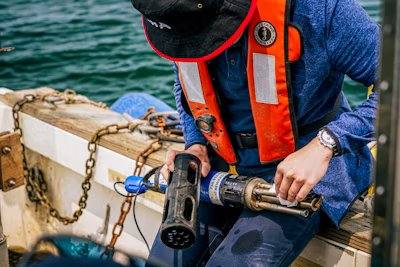
Access to real-time data allows Cleveland Water to avoid causing customer concerns and maintain trust, while also eliminating the need to dispatch additional workers to flush fire hydrants, significantly reducing costs and labor burdens. As water utilities adopt real-time data, they have become interested in obtaining more detailed data. To address hydrocarbon concerns, CWA has added oil detection sensors to some buoys, researching the setup of leak warning systems in areas with oil and gas activities. Meanwhile, to address hypoxia or harmful algal bloom issues, water utilities have requested mobile sensors to capture data earlier and provide early warning signals. CWA also maintains a buoy that can be deployed at any time for testing new experimental technologies.
This article is compiled by Wedoany. All AI citations must indicate the source as "Wedoany". If there is any infringement or other issues, please notify us promptly, and we will modify or delete it accordingly. Email: news@wedoany.com