en.Wedoany.com Reported - Australia's New South Wales (NSW) Energy Security Corporation (ESC) has made its first investment, injecting A$100 million (approximately US$70 million) into a 650MW large-scale battery energy storage platform being developed by PLUS Grid Storage.
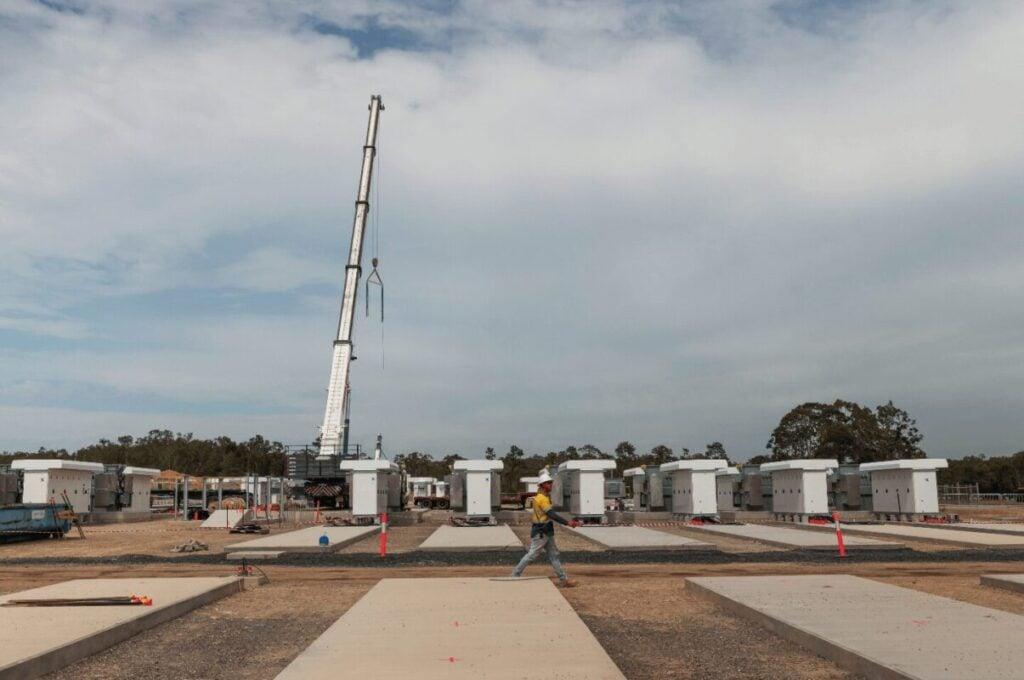
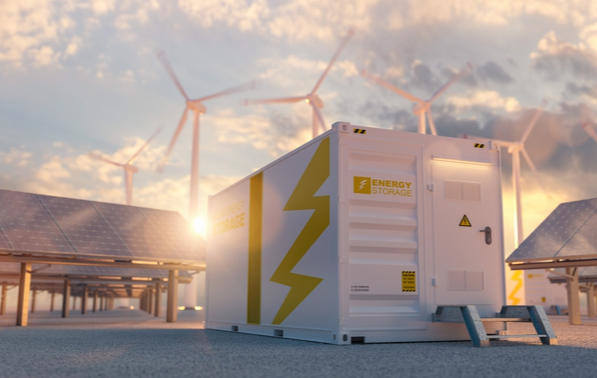
PLUS Grid Storage is an independent commercial entity under Ausgrid, the largest electricity distributor on Australia's east coast, serving Sydney, Newcastle, and the Hunter and Central Coast regions. The funding will support the construction of four lithium-ion utility-scale battery energy storage system (BESS) projects, with the first two being a 200MW system at the Steel River industrial estate in Newcastle and a 200MW system in Homebush, western Sydney.
The Steel River East 200MW/400MWh project in Mayfield West, Newcastle, received approval from the NSW Independent Planning Commission in March 2026 after a contentious planning process; the Homebush project is progressing through the state planning approval process. These two two-hour duration storage systems are designed to provide peak demand stability during the transition period following the closure of coal-fired power generation in the Hunter Valley. The subsequent two projects, approximately 150MW and 100MW respectively, are at earlier stages of development.
The ESC confirmed that the first 500MW of storage is expected to be operational by early 2029, aligning with the phased retirement of coal-fired generating units in NSW; the additional 150MW is expected to connect to the grid by the end of 2029. Construction of the Newcastle project is scheduled to begin in July 2026. These battery storage projects will be built, owned, and operated by PLUS Grid Storage, independent of Ausgrid's regulated network business, thereby placing these assets outside the regulated asset base. The ESC is participating in the investment as part of a senior debt syndicate alongside commercial banks.
ESC CEO Paul Peters stated that the platform's location and delivery timeline were decisive factors. He noted that this is a platform investment in one of the state's most critical load centers, an area with the highest demand, limited land, and the most urgent need for storage. PLUS Grid Storage's ability to deliver projects by 2029 while better utilizing existing infrastructure was a key factor in the ESC's decision to invest in this battery platform.
PLUS Grid Storage Director Kelly Wood said the ESC's involvement will accelerate the delivery of the storage infrastructure needed for the state's grid during the transition away from coal. She believes these partnerships are crucial for delivering next-generation energy infrastructure for NSW and ensuring customers continue to receive reliable and affordable electricity as the energy system changes. Ausgrid previously stated that PLUS Grid Storage has a portfolio of eight BESS development projects, with the four ESC-backed projects forming the first phase.
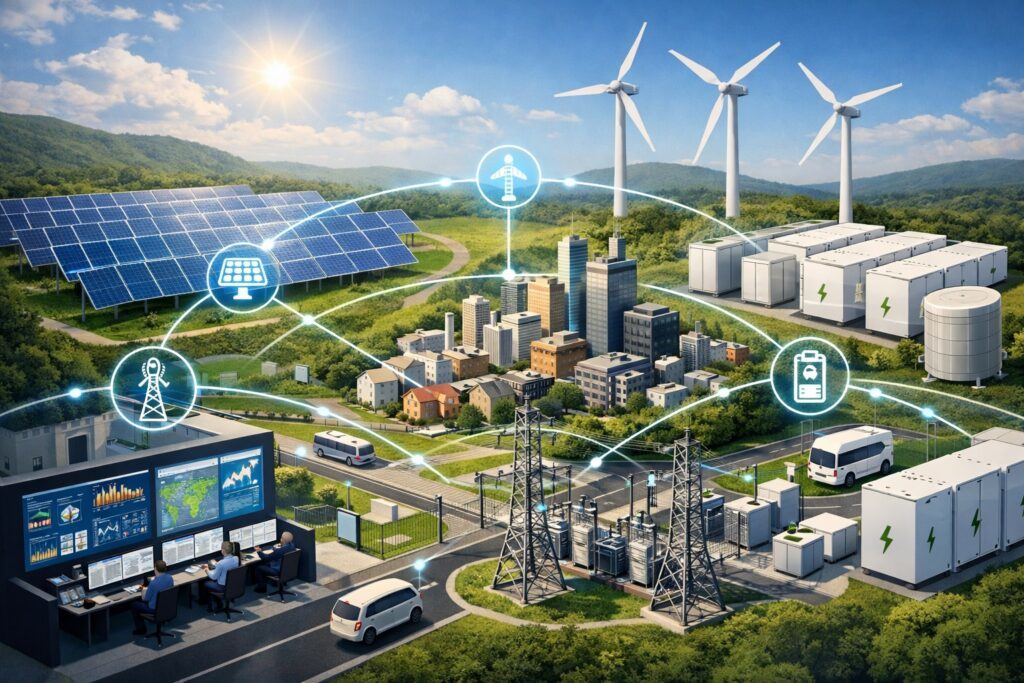
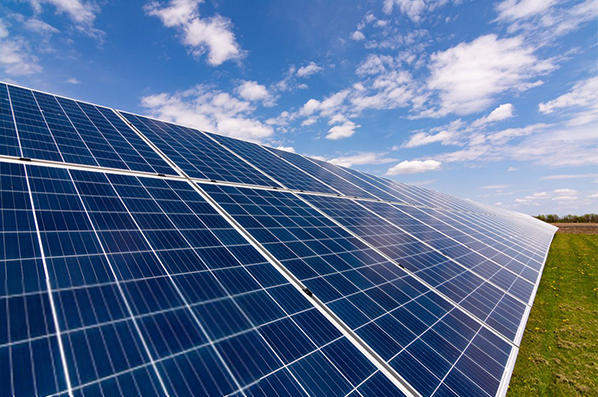
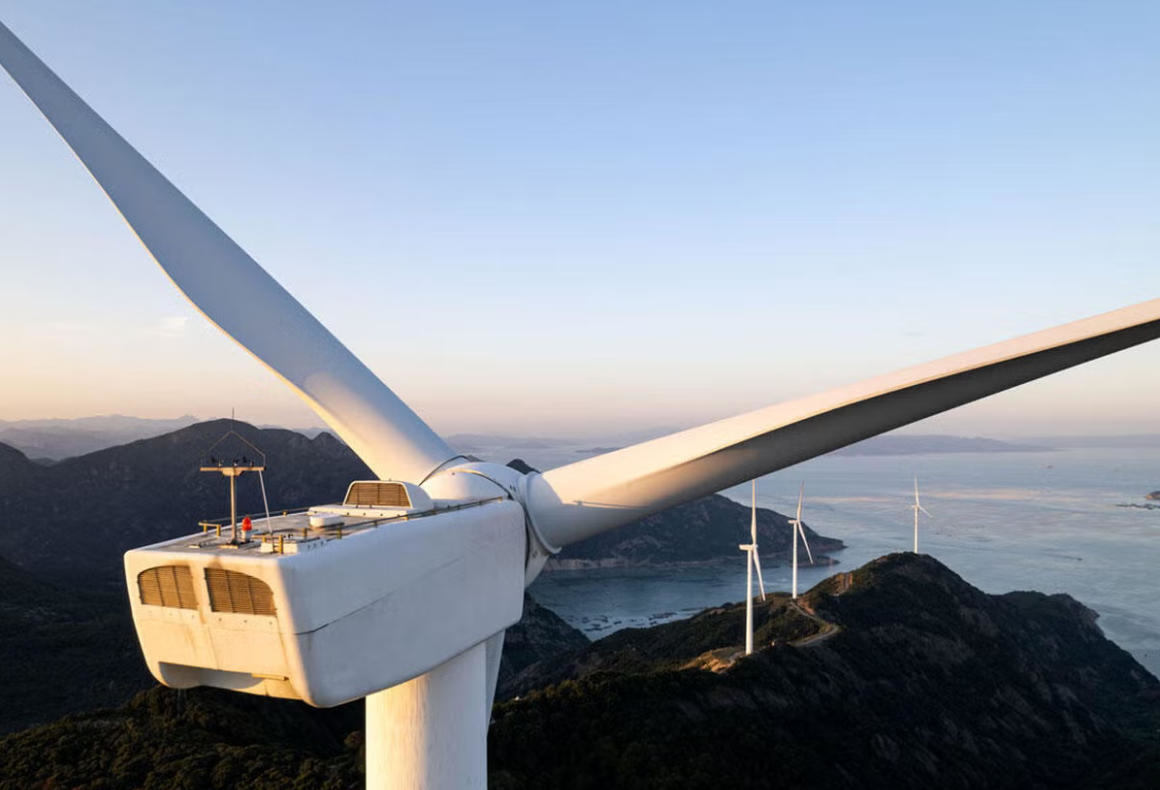
This investment is the ESC's first deployment from its A$1 billion seed funding. The organization is a state-owned green bank, established in July 2025, to invest in large-scale BESS, community batteries, pumped storage hydropower, and virtual power plants, with storage selected as a key priority to maximize the utilization of solar photovoltaic and wind power generation across the state. NSW Energy Minister Penny Sharpe previously stated that the company would "work with the private sector to fill investment gaps, ensuring lights stay on and prices remain low for NSW residents and businesses."
The ESC's investment mandate is designed with flexibility, allowing it to act as a co-investor alongside private capital rather than directly as an asset developer or owner. The PLUS Grid Storage transaction reflects this structure: the ESC joins a commercial bank syndicate as a senior debt participant, rather than holding equity or acting as a project developer. Peters described the ESC's role as bringing projects forward by months and specifically targeting investments in locations where market signals alone cannot drive timely delivery but which offer system benefits.
The urgency of the first investment reflects the significant growth in the state's storage demand. At the Australian Energy Storage Summit 2026 in March 2026, Peters revealed to the audience that NSW's storage target had been raised from 40GWh to 56GWh, entirely due to an accelerated solar penetration rate that was not anticipated in previous planning. Of the required 56GWh, only 12.5GWh has reached a final investment decision, meaning 75% of the storage needed by the state by 2030 has yet to secure committed funding, with NSW alone needing to achieve financial close on 37GWh by 2030.
This article is compiled by Wedoany. All AI citations must indicate the source as "Wedoany". If there is any infringement or other issues, please notify us promptly, and we will modify or delete it accordingly. Email: news@wedoany.com