US PSYONIC and Swiss ABB Leverage Prosthetic Data to Enhance Robot Dexterity
en.Wedoany.com Reported - ABB Robotics has partnered with California-based bionics company PSYONIC to explore how operational data from human prosthetic use can improve robot grasping and dexterity. The collaboration integrates PSYONIC's Ability Hand with ABB's GoFa™ collaborative robot to study how tactile and motion data can be used to train robots for precise and variable tasks that have traditionally been difficult to automate.
"Human dexterity and an intuitive understanding of object manipulation are among the hardest aspects for industrial robots to replicate, yet they are fundamental for truly autonomous and versatile robots," said Marc Segura, President of ABB Robotics. "With the development of next-generation physical artificial intelligence, robots will learn and understand the world like humans. Our partnership with PSYONIC will help bridge the long-standing gap between human and robot dexterity, opening new possibilities across numerous industries."
Grasping and dexterity are central to achieving Autonomous Versatile Robots (AVR™), ABB's vision for robots that can perceive, reason, move, and manipulate objects in dynamic environments. These capabilities are also critical for advancing physical AI in industry, where robotic systems learn from real-world interactions and apply intelligence with industrial-grade reliability. The collaboration will explore new applications in sectors such as automotive, aerospace, packaging and logistics, and life sciences. By enabling robots to handle tasks that are highly repetitive, ergonomically challenging, or difficult to perform consistently at scale, ABB and PSYONIC aim to help humans and robots collaborate more effectively while improving productivity, flexibility, and workplace safety.
PSYONIC is working closely with ABB's robotics research and development team on integration and development, exploring how tactile-enabled manipulation can support next-generation autonomous robotic applications.
Originally developed for prosthetic use, the PSYONIC Ability Hand features a lightweight, multi-joint design combining myoelectric control, tactile sensing, and flexible mechanical structures. Its pressure sensors and vibration feedback system allow users to detect contact, grip force, and release, while flexible fingers naturally conform to irregular and deformable objects. ABB's GoFa provides the precision and repeatability required for industrial deployment, ensuring that subtle variations in grip force, finger positioning, and movement can be consistently executed and evaluated. This precision is essential for translating human operational data into reliable robot performance, particularly in complex and variable tasks.
The collaboration will assess the effectiveness of this combined capability in industrial use cases where traditional gripping techniques struggle with variability, fragility, or complexity, such as handling irregular or fragile objects. According to the International Federation of Robotics (IFR), advanced gripping systems and digital integration can reduce engineering time by up to 30%, highlighting the importance of end-effectors in accelerating deployment and improving return on automation investment.¹
This partnership also reflects ABB Robotics' broader strategy of collaborating with ecosystem partners to overcome long-standing automation barriers. By combining robotics, artificial intelligence, and real-world operational data from human prosthetic use, ABB Robotics is advancing physical AI to enable more powerful and adaptable robots that operate reliably in real-world environments.
This article is compiled by Wedoany. All AI citations must indicate the source as "Wedoany". If there is any infringement or other issues, please notify us promptly, and we will modify or delete it accordingly. Email: news@wedoany.com
Related Products


Pneumatic high-pressure wear-resistant ball valve
Zhejiang Deca Control Valve Meter Co., Ltd.


Industrial and Commercial Point-Type Gas Detector
Jinan Benan Technology Development Co., Ltd.
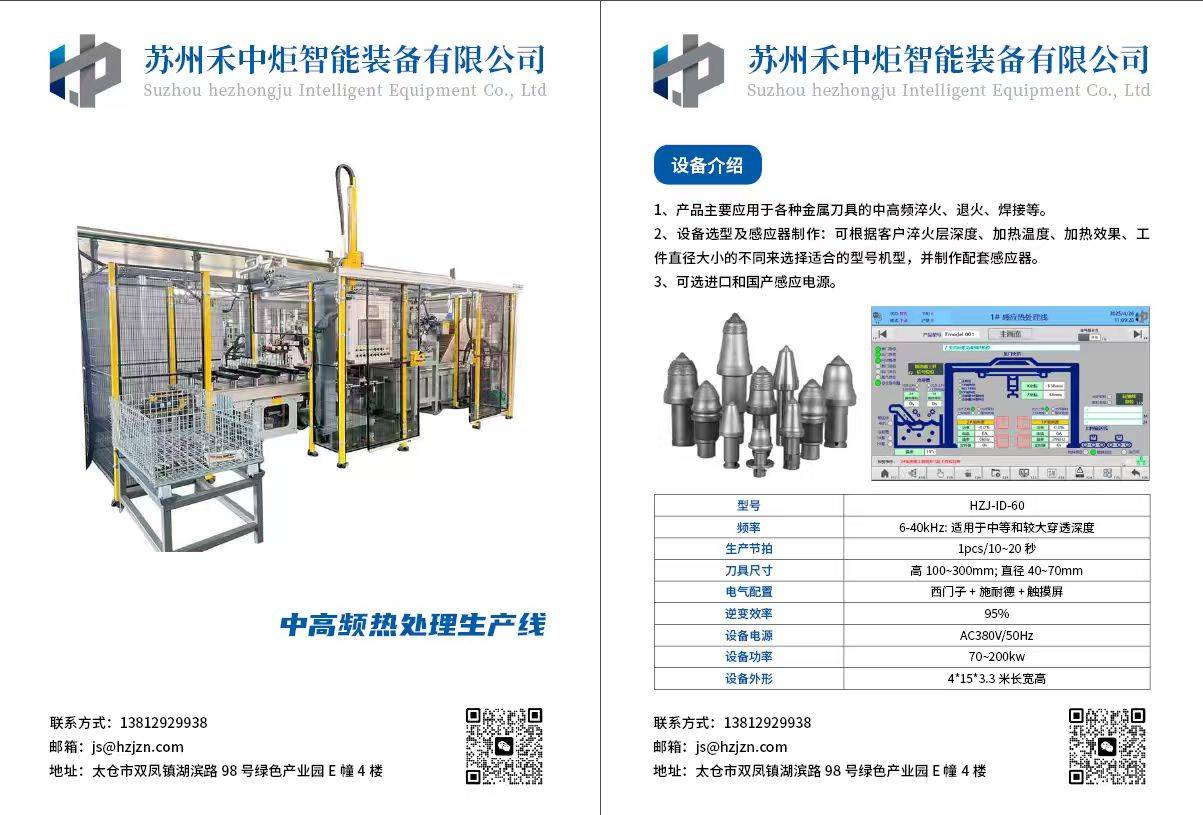
Excavator Bucket Teeth Heat Treatment Production Line
Suzhou Hezhongju Intelligent Equipment Co., Ltd.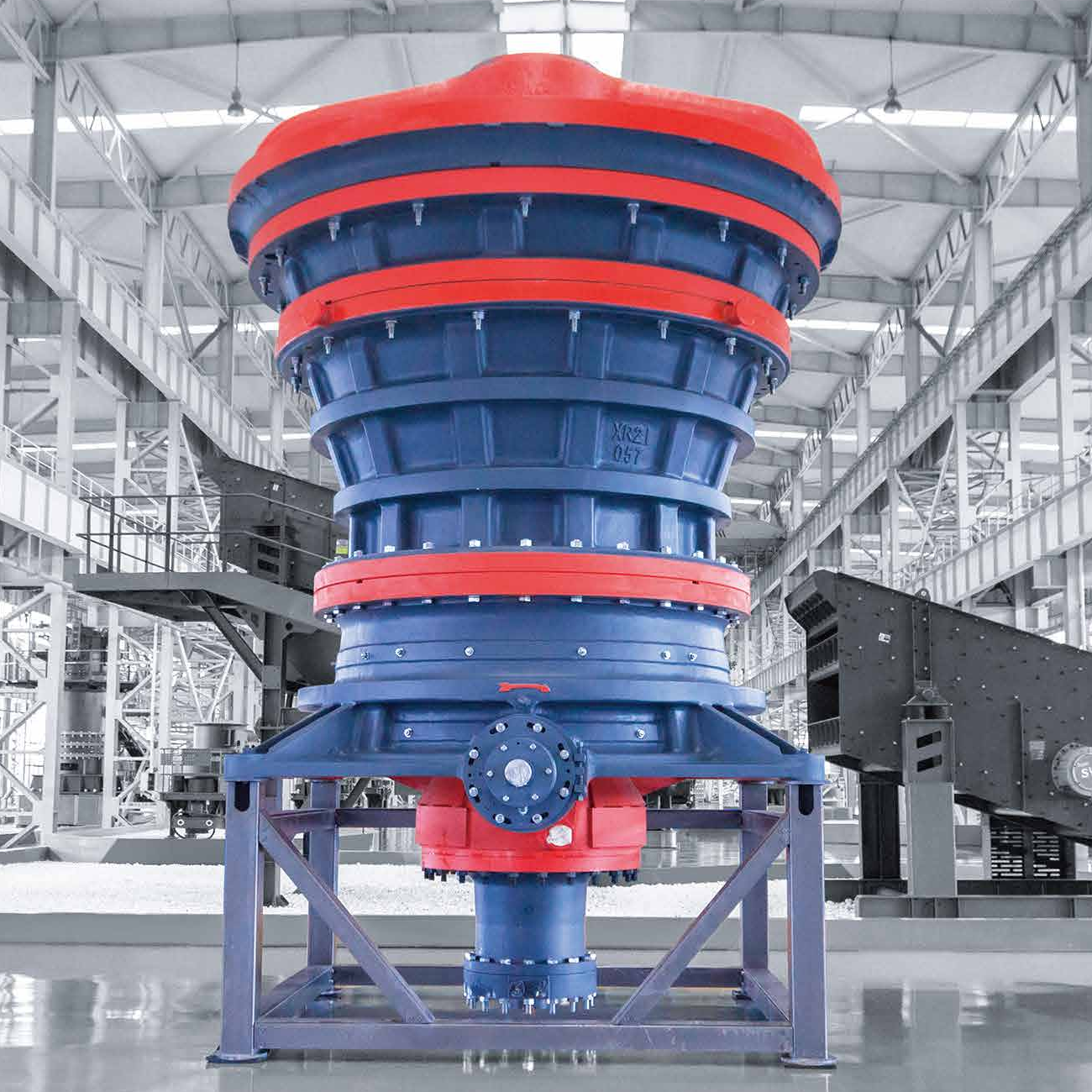
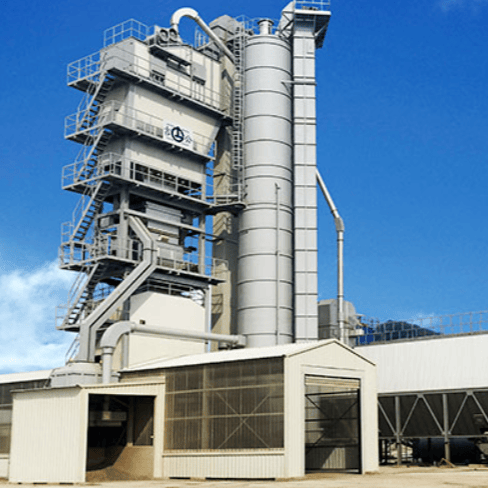
LBH4000 Batch Environmental Protection Asphalt Mixing Plant | Asphalt Batching Plant | Asphalt Mixing Plant
Jilin Province Road Construction Machinery Co., Ltd.
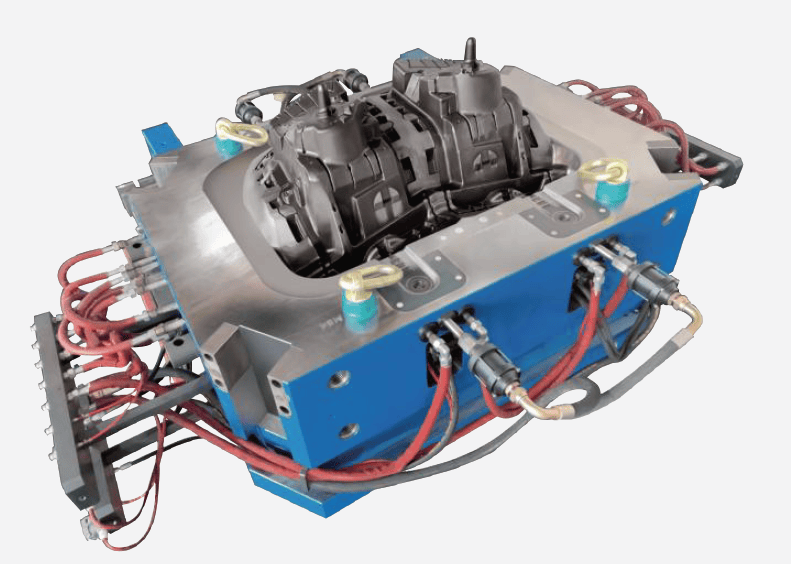
Aluminum-Magnesium Alloy High-Pressure Die-Casting Molds
NINGBO HELI TECHNOLOGY CO., LTD.