Underground Main Structure of Haimen North Station, China's Longest Ultra-Deep and Ultra-Large Foundation Pit Underground High-Speed Rail Station, Completed
en.Wedoany.com Reported - On June 17, after 24 hours of continuous construction, the final roof slab of the reserved core area foundation pit of Haimen North Station, a key control project of the new Shanghai-Nanjing-Hefei high-speed railway, was successfully poured in Sanxing Town, Haimen District, Nantong City, Jiangsu Province. This marks the full completion of the main structure of China's longest ultra-deep and ultra-large foundation pit underground high-speed rail station, achieving a phased milestone in the project's construction.
Haimen North Station is a rare large-scale underground high-speed rail hub in China, characterized by its massive scale, complex structure, high technical difficulty, and significant safety risks. The station adopts a layout with two platforms and six tracks, with the underground first floor serving as a transfer passage, the underground second floor as the high-speed rail platform level, and the underground third floor reserved for local intercity rail transit. The northern side of the station connects to the planned Nantong New Airport, and it will be developed into a large-scale comprehensive transportation hub integrating high-speed rail, aviation, intercity rail, subway, buses, taxis, and other modes of transport. The station's continuous excavation length reaches 1.8 kilometers, with a maximum excavation depth of 29.4 meters and a total excavation volume of approximately 1.5 million cubic meters. The retaining structure uses 1.2-meter diaphragm walls and five concrete supports, making it currently China's longest ultra-deep and ultra-large foundation pit underground high-speed rail station.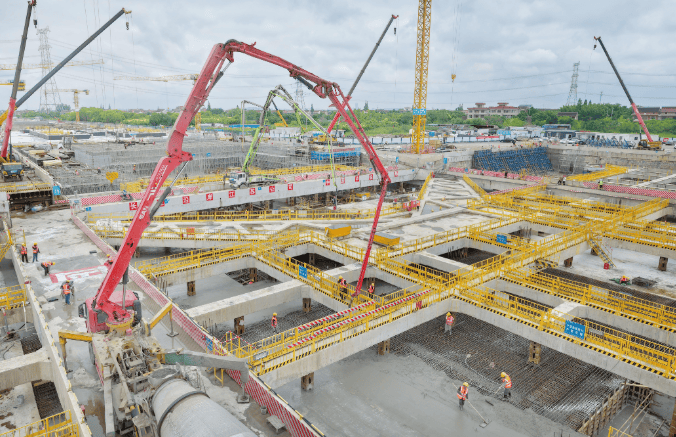
Haimen North Station is located in water-rich silt, silty sand, and muddy silty clay strata, typical of "soft upper and loose lower" unfavorable geology, making construction as difficult as "building a high-speed railway in a block of tofu." The safety grade of the station's foundation pit is Level 1, with the maximum horizontal displacement of the retaining structure not exceeding 5 centimeters and the surface settlement control value not exceeding 3 centimeters, imposing extremely strict deformation control requirements. Additionally, the strata at Haimen North Station have abundant groundwater, a large dewatering depth for the foundation pit, and a large catchment area during the rainy season, posing prominent risks of mud inrush and water gushing, with unprecedented construction difficulty.
The project is constructed by the Yangtze River Coastal Railway Group Jiangsu Company, managed by Shanghai Guotie Construction Management Company, and undertaken by China Railway First Group. The team relies on digital intelligent control methods, innovatively applying three major systems: intelligent visual dewatering, foundation pit support servo compensation, and automatic foundation pit monitoring. Over a thousand dewatering wells were installed, achieving zoned fine control and visual on-demand dewatering through automated monitoring and alarming of water levels and flow rates. A total of 2,185 axial force and foundation pit monitoring points were set up to build a real-time collection, transmission, analysis, and early warning full-process monitoring system, effectively suppressing retaining structure deformation, enabling preemptive handling of potential risks, and ensuring full-process control of project safety and quality.
As the eastern section of the Shanghai-Chongqing-Chengdu high-speed railway, the Shanghai-Nanjing-Hefei high-speed railway is an important part of China's "Eight Vertical and Eight Horizontal" high-speed railway network along the Yangtze River corridor. Once completed, this project will establish a fast new corridor between the Shanghai metropolitan area, Nanjing metropolitan area, and Hefei metropolitan area, holding significant strategic importance for optimizing the railway network layout along the Yangtze River region, serving the coordinated development of the Yangtze River Economic Belt, and promoting the high-quality integrated development of the Yangtze River Delta.
This article is compiled by Wedoany. All AI citations must indicate the source as "Wedoany". If there is any infringement or other issues, please notify us promptly, and we will modify or delete it accordingly. Email: news@wedoany.com
Related Products
![IVECO Cash-in-Transit [DMT5048XYCL3-AM] - Chongqing Dima Industry Co., Ltd](https://img.wedoany.com/2026/0911/20260911030157582.png)

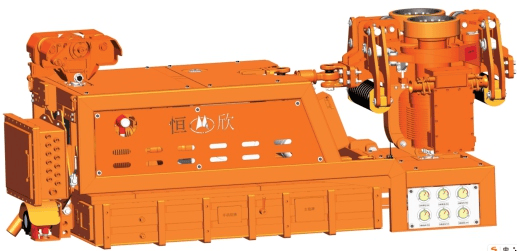
Explosion-proof lithium battery dispatching monorail crane locomotive (permanent magnet frequency conversion integrated machine)
Xiangtan Hengxin Industrial Co., Ltd.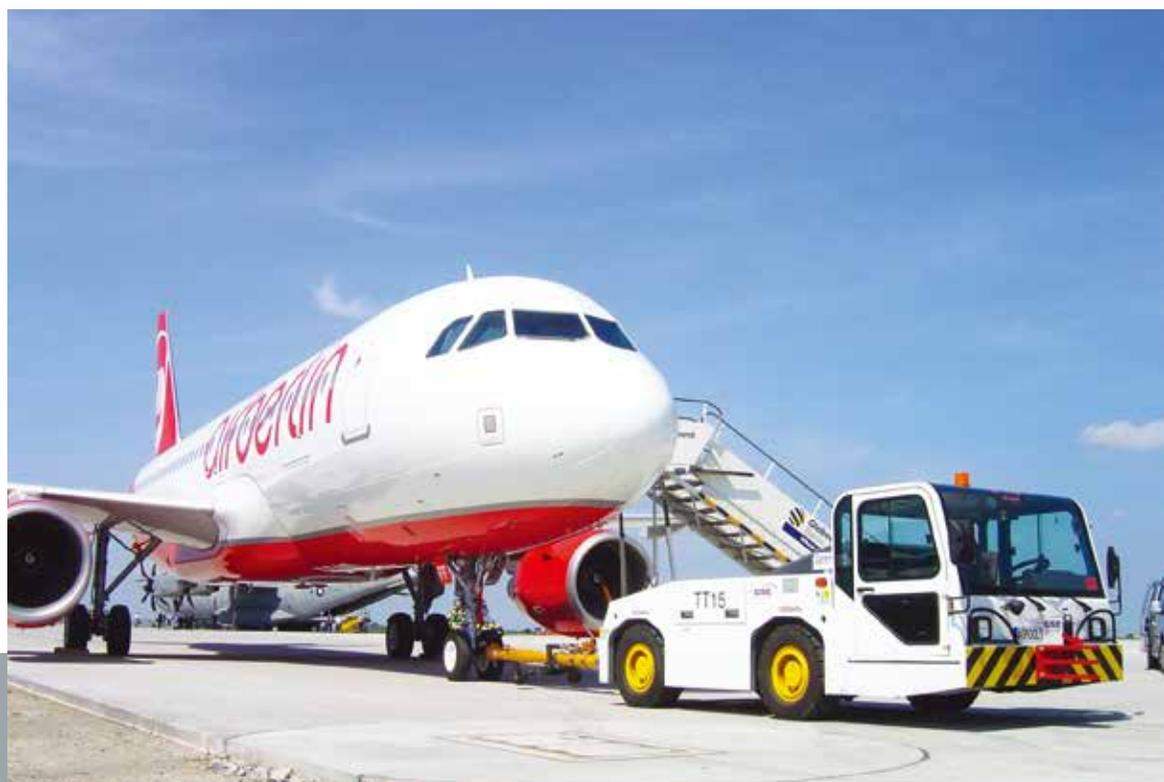
WGQY Series Aircraft Tow Tractor-WGQY15, WGQY27
Weihai Guangtai Airport Equipment Co., Ltd.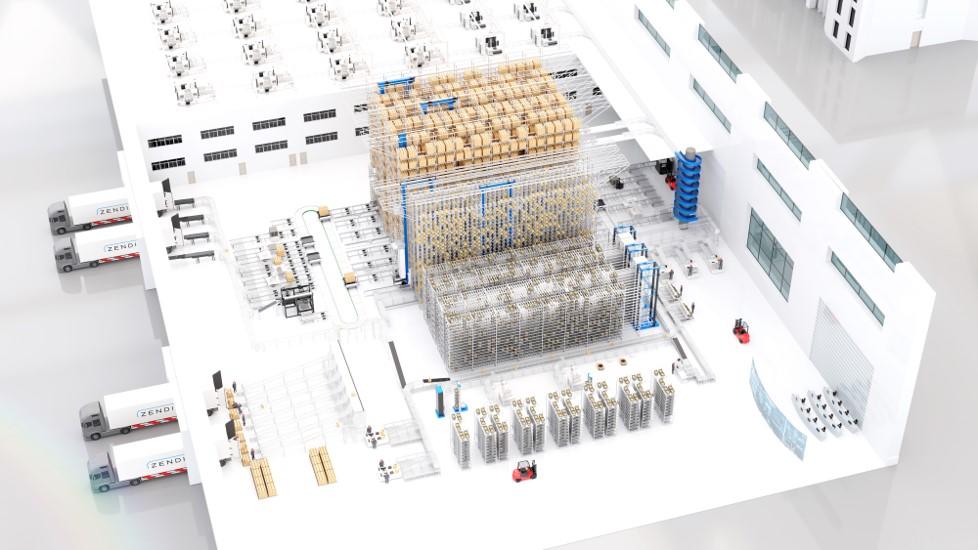
One-Stop Steward Service for the Entire Logistics System Integration Chain
Zhongding Intelligent (Wuxi) Technology Co., Ltd.
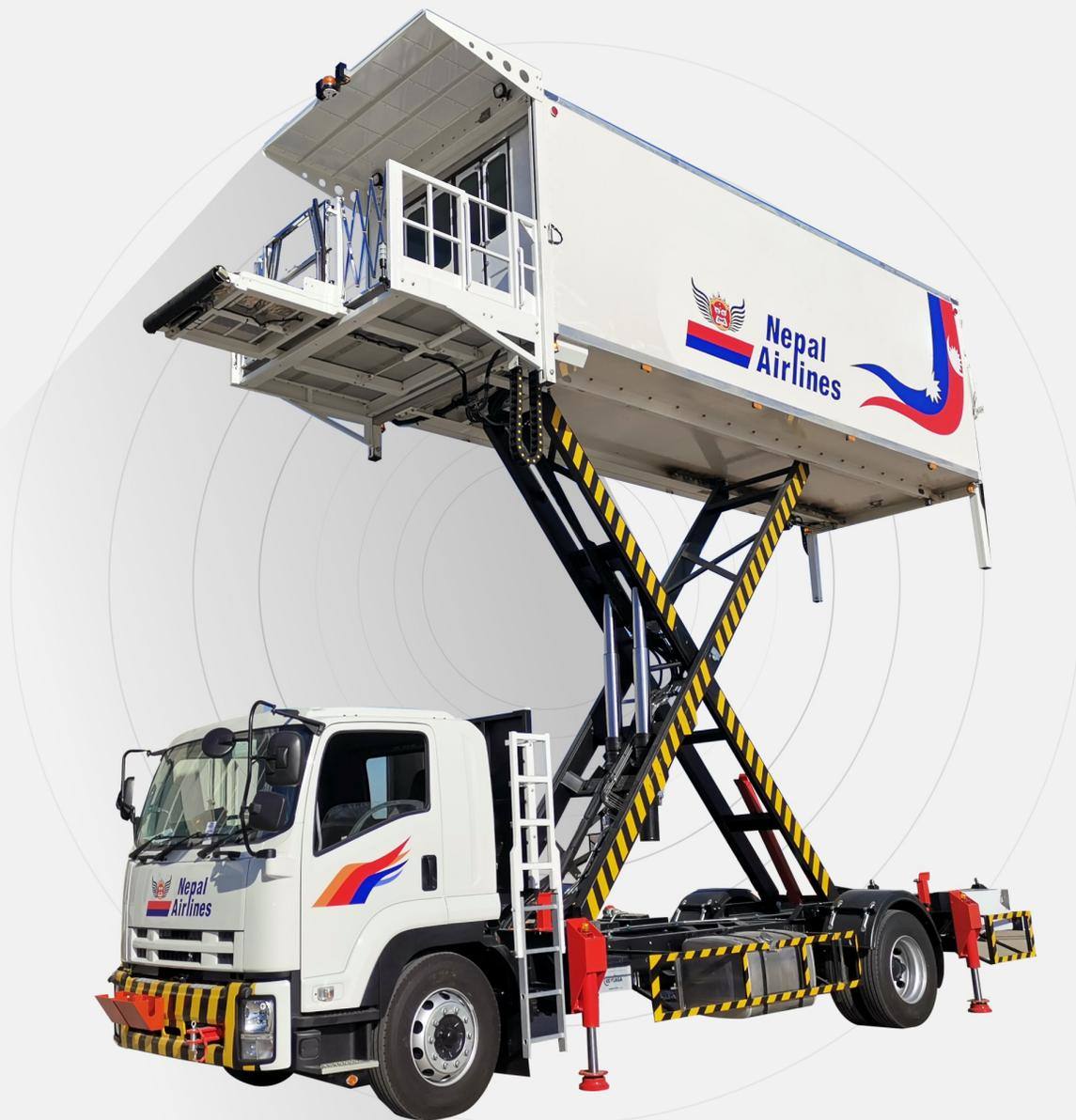
XC-6000e Type Aviation Catering Truck (Fuel Type)
Shenzhen CIMC-TianDa Airport Support Ltd.