Dust Removal Equipment Competition Is Shifting Toward Ultra-Low Emissions, Energy Saving and Intelligent Maintenance
en.Wedoany.com Reported - As environmental pressure on industrial enterprises continues to increase, the Dust Removal Equipment market is moving from basic compliance treatment toward ultra-low emissions, energy-saving operation and intelligent management. For cement, steel, nonferrous metallurgy, thermal power, waste incineration, mining crushing, chemical production and powder processing companies, dust removal systems must not only keep particulate emissions stable and compliant, but also control energy use, maintenance cost, production continuity and safety risks.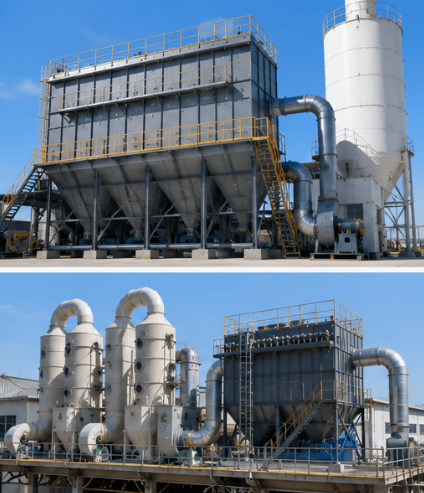
In the past, some enterprises built dust removal systems mainly to meet emission standards, and equipment configuration was often relatively simple. Today, environmental supervision is more refined. Emission fluctuations, fugitive dust, plant-area dust and online monitoring data receive more attention. Dust removal systems need to remain stable under different loads, materials and production rhythms. This creates higher requirements for equipment design, automatic control and operation capability.
Ultra-low emission retrofits are driving technology upgrades. Baghouse collectors, electrostatic precipitators and electrostatic-bag hybrid systems all play important roles in different applications. Some high-dust, high-temperature or high-humidity conditions require pretreatment, cooling, coordination with desulfurization and denitrification, filter material optimization and cleaning control to achieve stable emissions.
For enterprises, retrofit plans should not only pursue lower outlet concentration. They must also avoid excessive system resistance, frequent filter bag damage and uncontrolled operating cost. A technically reasonable dust removal solution should balance environmental performance, reliability and lifecycle economics.
Energy-saving operation is central to long-term economics. Dust collection fans often consume significant electricity. If system air volume is oversized, duct resistance is unreasonable or cleaning strategy is not optimized, long-term energy waste may occur. Variable-frequency fan control, zone-based operation, low-resistance filter materials, optimized duct design and demand-based cleaning can reduce energy use while maintaining dust removal performance.
Intelligent maintenance is changing how dust removal systems are managed. Traditional systems rely heavily on manual inspection and experience. They may fail to identify filter bag damage, ash hopper blockage, valve failure, compressed air abnormalities or declining fan efficiency in time. By monitoring differential pressure, temperature, humidity, dust concentration, fan current, cleaning frequency and valve status, the system can issue early warnings and help reduce unplanned shutdowns and emission risks.
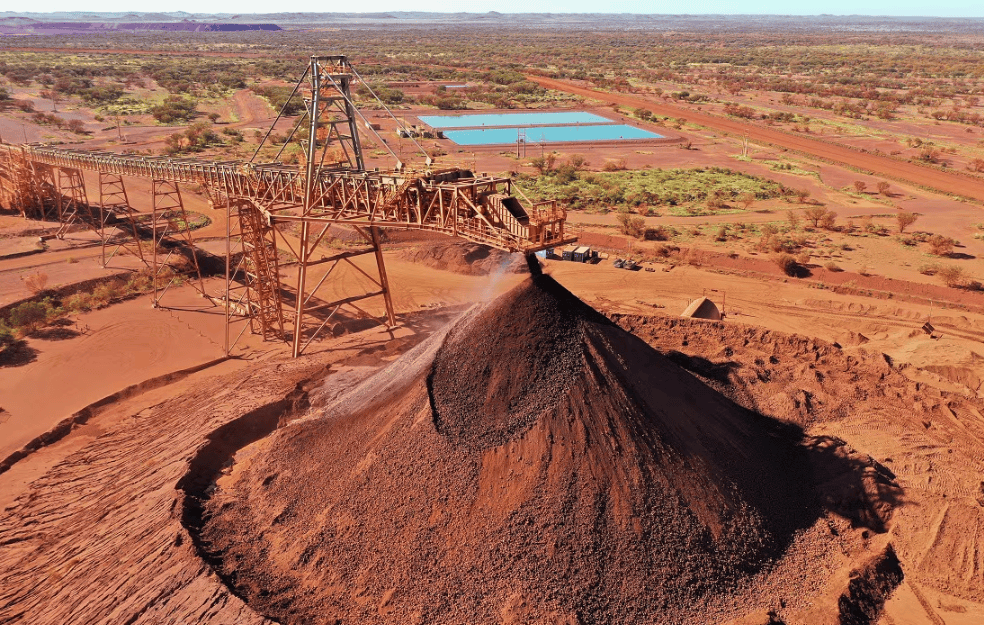
Fugitive dust control is also becoming an important application area. In mines, stockyards, crushing and screening lines, belt transfer points, loading areas and powder packaging workshops, dust may come from many scattered sources rather than one stack. Solving these problems requires a combination of hoods, enclosed conveying, spray suppression, negative-pressure collection, mobile dust collectors and plant road management.
Explosion protection will also become a key competitive factor. As enterprises pay more attention to dust explosion risks, dust removal systems need explosion venting, explosion isolation, suppression, antistatic protection and spark detection according to dust properties and process conditions. This is especially important in grain, wood, aluminum-magnesium powder, coal powder and selected chemical powder industries.
In the future, the dust removal equipment industry will place more emphasis on the combined value of environmental performance, energy efficiency, safety and digital services. Suppliers that can provide site diagnosis, system design, retrofit plans, online monitoring, spare parts and long-term maintenance support will be better able to meet the needs of industrial enterprises.
Overall, the dust removal equipment market has entered a more refined development stage. Companies should not select dust removal systems only by equipment price. They should evaluate dust control performance, operating cost, system safety and maintenance convenience. Solutions with ultra-low emissions, energy-saving control and intelligent maintenance capability will become important directions for future industrial environmental projects.
This article is compiled by Wedoany. All AI citations must indicate the source as "Wedoany". If there is any infringement or other issues, please notify us promptly, and we will modify or delete it accordingly. Email: news@wedoany.com
Related Products
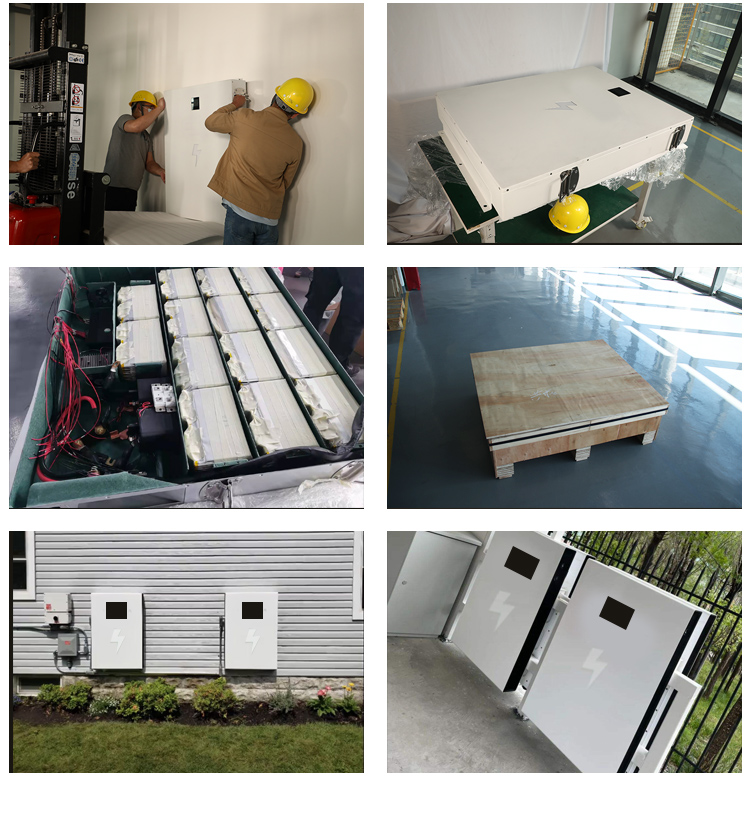

Safe, efficient, intelligent energy storage, creating smart homes and making life more convenient# Home Energy Storage # Supercapacitors # Energy Storage # Wall Mounted # Safe Electricity Use
Gonghe Power Co.,LTD

714CD Series C-Band Weather Radar
Chengdu Zhongdian Jinjiang Information Industry Co., Ltd.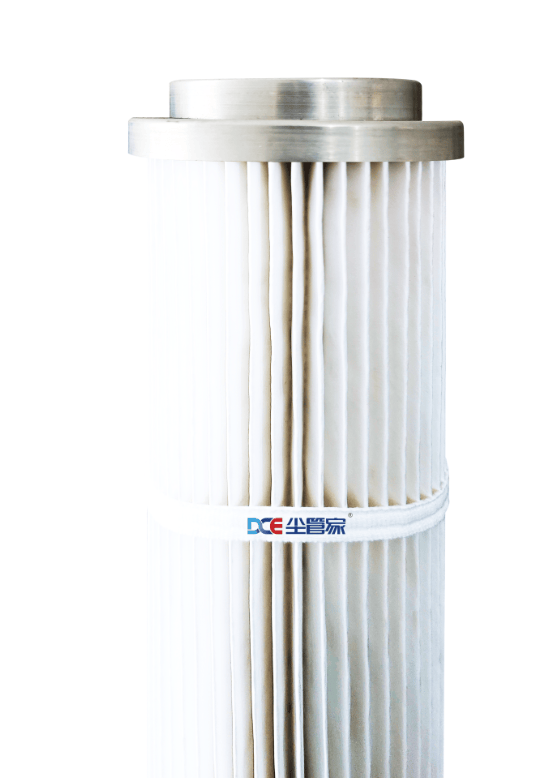
DCE High-Efficiency Energy-Saving Filter Cartridge
Zhejiang Hongsheng New Material Technology Group Co., Ltd.
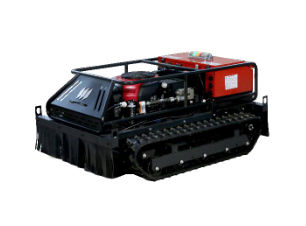

Electromagnetic Fluid Seawater Floating Oil Separation and Recover Equipment
Huate Magnet Group Co., Ltd.
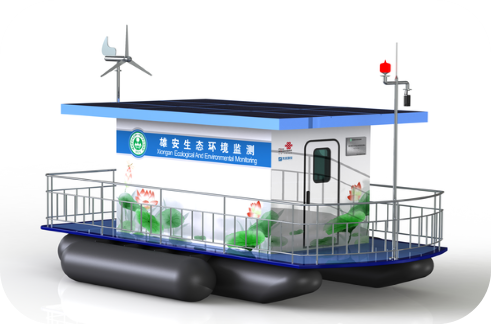
Floating Boat Water Quality Automatic Monitoring System
Hebei Sailhero Environmental Protection High-tech Co., Ltd.
Forest and Grassland Heat Source Infrared Monitor
China Huayun Meteorological Technology Group Co., Ltd.