Spanish Company Bioo Develops Plant Bioluminescence Technology for Nighttime Glow, Achieving Energy Savings of Up to 90%
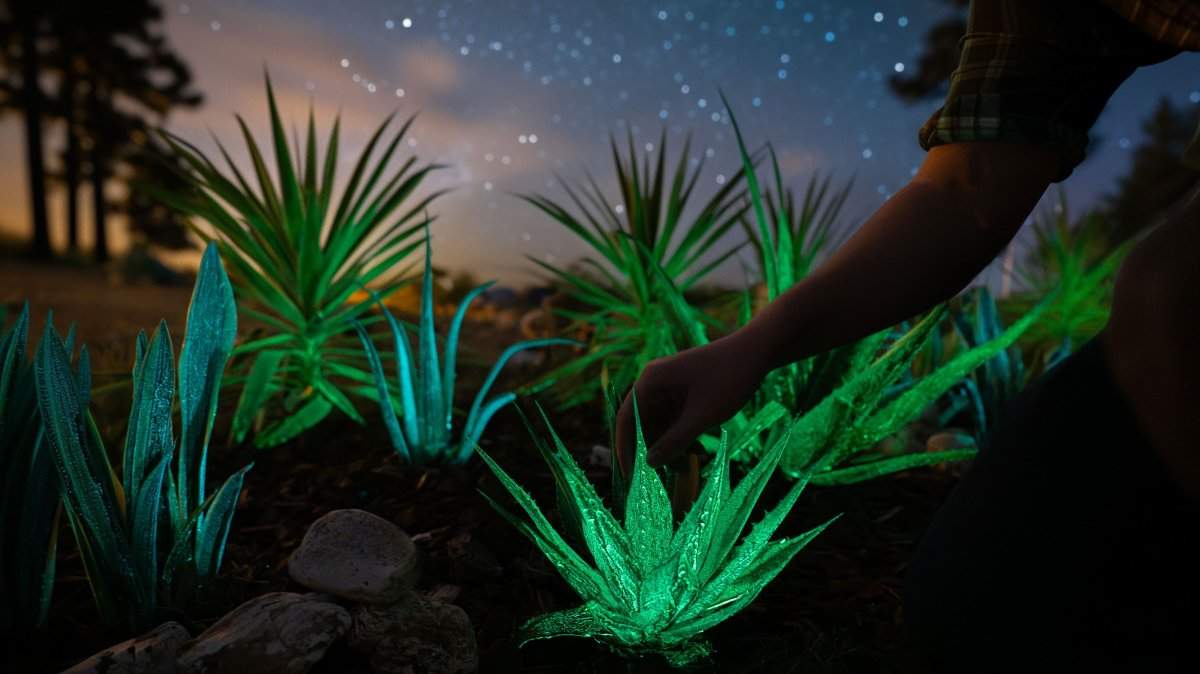
en.Wedoany.com Reported - Bioo Lumina, developed by Spanish biotechnology company Bioo, enables plants to emit light autonomously at night without any electricity supply or genetic modification. During the day, these plants look no different from ordinary ones, but after dark, they emit a soft glow. The technology was developed over 10 years by a team led by Seville-based entrepreneur Pablo Vidarte, aiming to create a lighting system that does not rely on electrical infrastructure and aligns with the natural growth patterns of plants.
Pablo Vidarte, founder and CEO of Bioo, explained that the company's first product was a bioreactor capable of generating electricity from soil to power lighting points. Building on this foundation, the team further advanced their research concept, seeking to make plants themselves emit light rather than relying on artificial lighting systems, while also addressing the needs of plant growth.
The mechanism of Lumina involves applying a biocompatible compound to the leaf surface. The plant naturally absorbs this substance within approximately 24 hours, after which it can store part of the solar energy captured during the day and release it as visible light at night. This process does not interfere with photosynthesis or alter the plant's genome. The compound also functions as a fertilizer, helping to maintain plant health.
Since it requires no wiring or electrical infrastructure, Lumina offers a new lighting solution for settings such as pathways, gardens, entrances, and nighttime transit spaces. Bioo estimates that, compared with traditional lighting systems, this technology can achieve energy savings of up to 90% and reduce light pollution by up to 95%.
To date, Lumina has been deployed in parks, residential areas, golf courses, resorts, and office buildings across four continents. Spain leads in the number of biotech buildings, with projects covering the Port of Ibiza, Laberintus Park in Malaga, and the Aura building in Barcelona. The Eden Project in the United Kingdom and the Museo de Justiniano in Serbia are other implementation cases in Europe. In the Middle East, bioluminescent golf courses, as well as community and urban projects in Riyadh, Dubai, and Qatar, are already in operation. In China, glowing plants have been adopted in public areas in Shanghai and Hangzhou. Projects in the Americas extend from Punta Cana to multiple cities in the United States and South America.
Vidarte stated that Lumina is an example of biotechnology expanding the functions of plants—plants are no longer merely decorative elements but become part of urban infrastructure. Lumina is one of several biotechnology product lines Bioo is developing for urban applications; the company is also researching solutions that harness soil bioactivity to generate electricity and produce water, as well as developing plant-based interactive interfaces that respond to touch.
Bioo has offices in Barcelona, Riyadh, and Shanghai, carries out international projects through a network covering more than 50 distributors, and holds 6 patents related to technology development.
Related Products



High-voltage Direct Current (HVDC) Transmission System Research and Integrated Design
XI'AN XD POWER SYSTEMS CO., LTD.
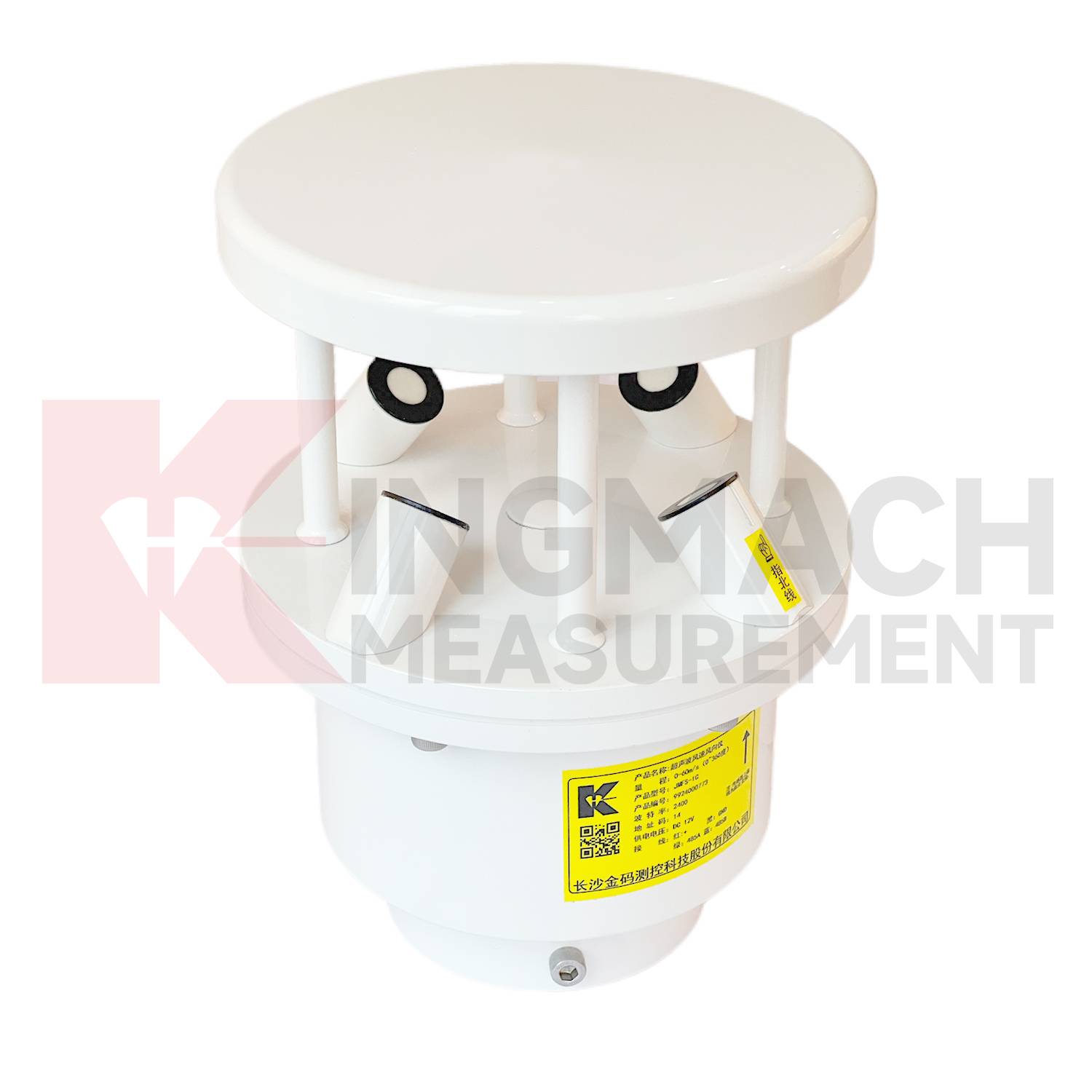
Ultrasonic Wind Speed and Direction Instrument
Kingmach Measurement & Monitoring Technology Co., Ltd.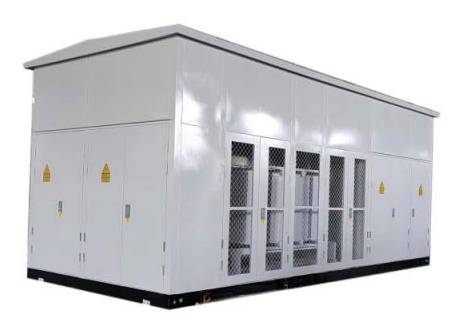
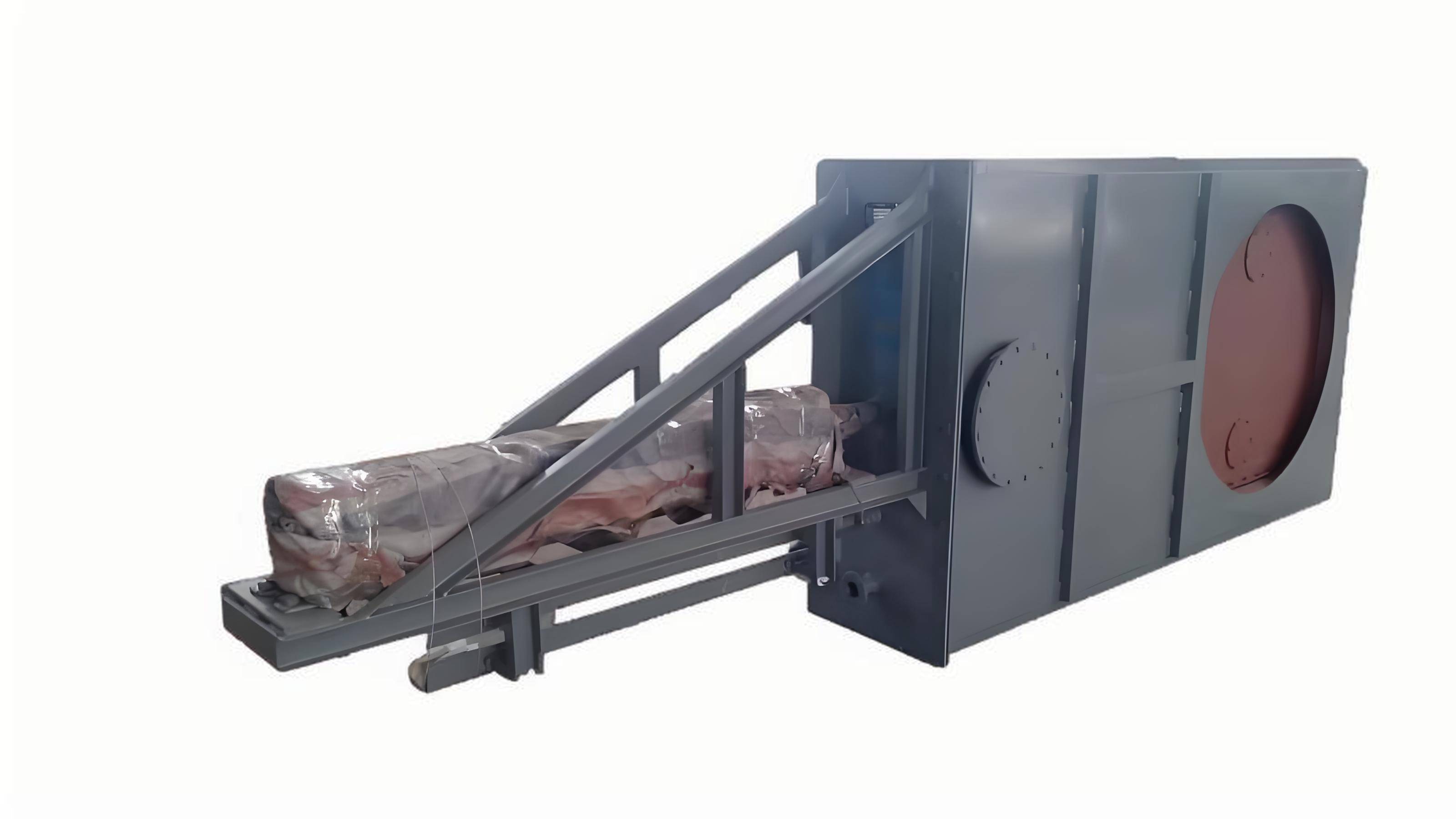
Double-slide Triple-sealed Hot Air Isolation Door
Xi'an Yingchuan Electric Power Equipment Co., Ltd.
714CD Series C-Band Weather Radar
Chengdu Zhongdian Jinjiang Information Industry Co., Ltd.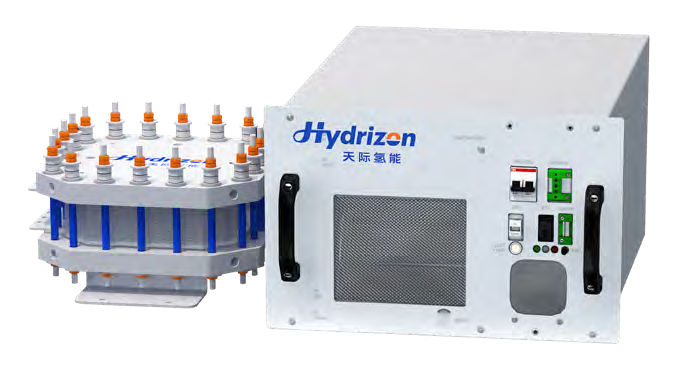
HI-Pro Green Hydrogen High-efficiency Production System-HI-PRO-AEM
Hydrizon Technology (Beijing) Co., Ltd.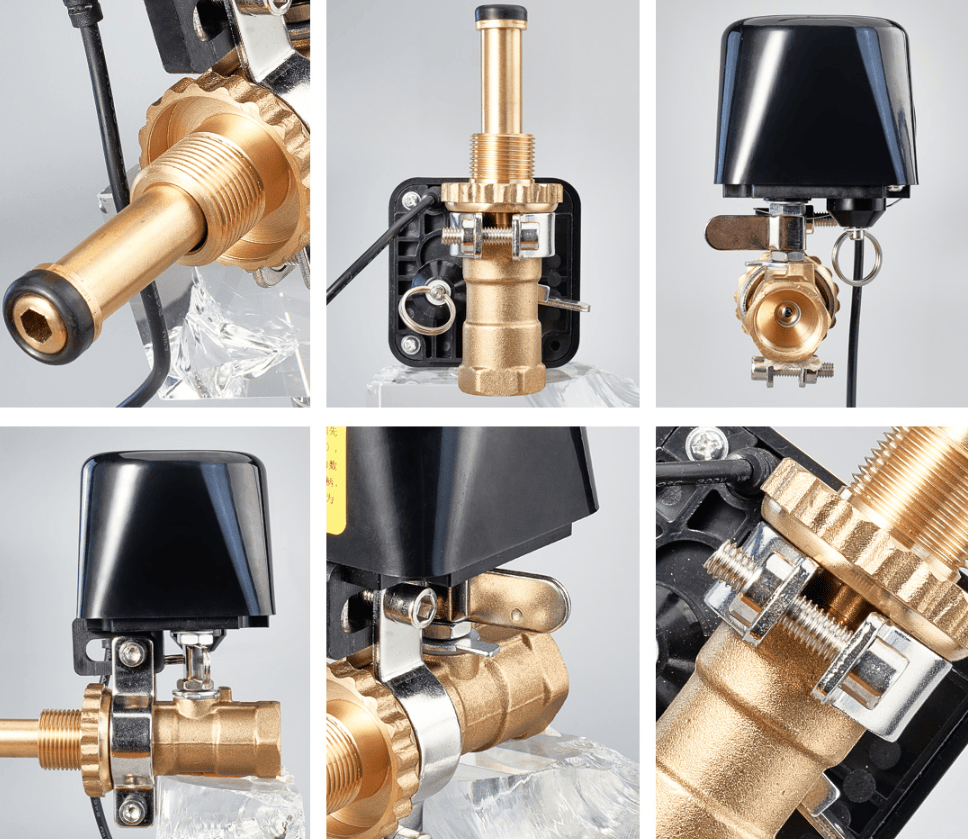
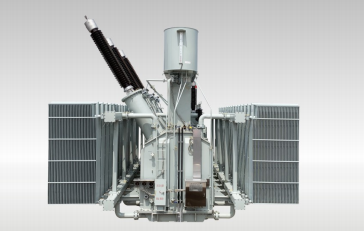
220kV and Below Voltage Level Energy-saving Oil-immersed Power Transformers
FuZhou TianYu Electric Co., Ltd.