Mendoza, Argentina Extends Mining Modernization Framework to Artisanal and Small-Scale Operations
en.Wedoany.com Reported - The province of Mendoza, Argentina, is extending one of the most complex challenges of its mining modernization process to a sector that has long been fragmented and difficult to regulate: Category 3 mining. Through new field initiatives with brickmakers and kiln operators, the province is advancing oversight and regularization efforts, while establishing technical support mechanisms and administrative adaptation processes for dispersed, deeply rooted artisanal activities.
An event held in El Algarrobal, Las Heras, brought together over 50 producers from the brick and kiln industry to participate in a workshop coordinated by the Mining Environmental Authority and the Undersecretariat of Employment and Training.
Although officially positioned as a regularization and organization effort, the initiative reflects a broader challenge facing Mendoza: how to build effective mining governance capacity that covers the hundreds of small-scale operations scattered across the province, which have long been disconnected from formal oversight and traceability systems.
Since 2024, Mendoza's mining sector has undergone an institutional transformation marked by the full implementation of the new Mining Procedure Code, the expansion of inspection systems, the digitization of control tools, and the integration of traceability mechanisms for Category 2 and Category 3 minerals.
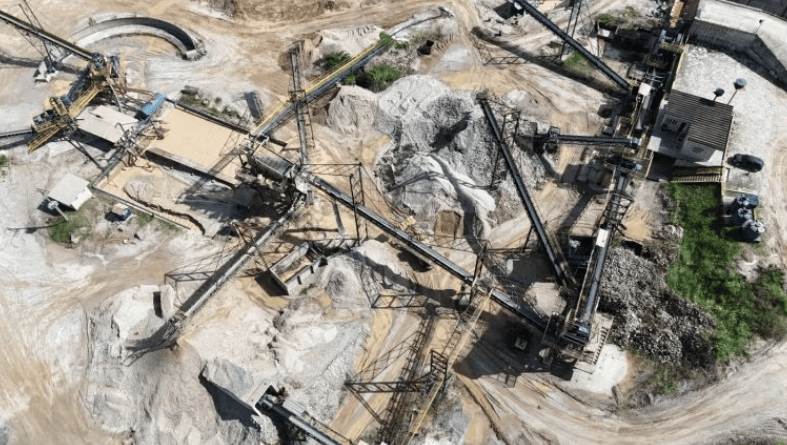
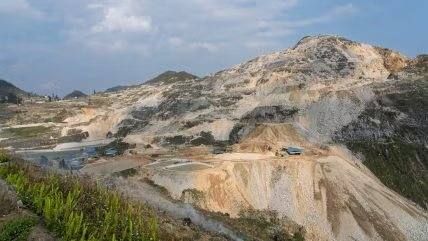
Mendoza has over 500 operations related to Category 3 minerals, including aggregates, clay, limestone, and gypsum used in the construction industry, brickworks, and industrial plants. In many cases, these are family-run businesses or small-scale production structures that have operated for years under informal dynamics, with limited technical documentation and little integration into formal environmental and administrative systems.
The workshop in Las Heras highlighted that the current challenge is no longer limited to increasing inspections or requiring documentation, but also includes creating regulatory mechanisms that can adapt to a highly diverse production reality. During the meeting, the Mining Environmental Authority emphasized the need to simplify procedures and develop "accessible, gradual processes adapted to the territorial and production reality of each operation."
Integrating brickworks, quarries, and processing plants into the formal system requires Mendoza to expand its governance capacity to cover activities that, due to their geographic dispersion, historical informality, and limited operational scale, are difficult to subject to traditional technical oversight. The model also requires a sustained territorial presence. Unlike metal mining, where oversight is typically concentrated on specific, highly structured projects, Category 3 mining demands continuous interaction with small producers distributed across different departments and operating under very different conditions.
In this context, the provincial government has begun strengthening technical support programs that aim not only to enforce compliance but also to facilitate a gradual adaptation process. The strategy seeks to reduce gray areas in the mining value chain and expand levels of regularization, while avoiding direct operational disruptions to activities that supply most of the inputs required by Mendoza's construction industry.
This article is compiled by Wedoany. All AI citations must indicate the source as "Wedoany". If there is any infringement or other issues, please notify us promptly, and we will modify or delete it accordingly. Email: news@wedoany.com
Related Products

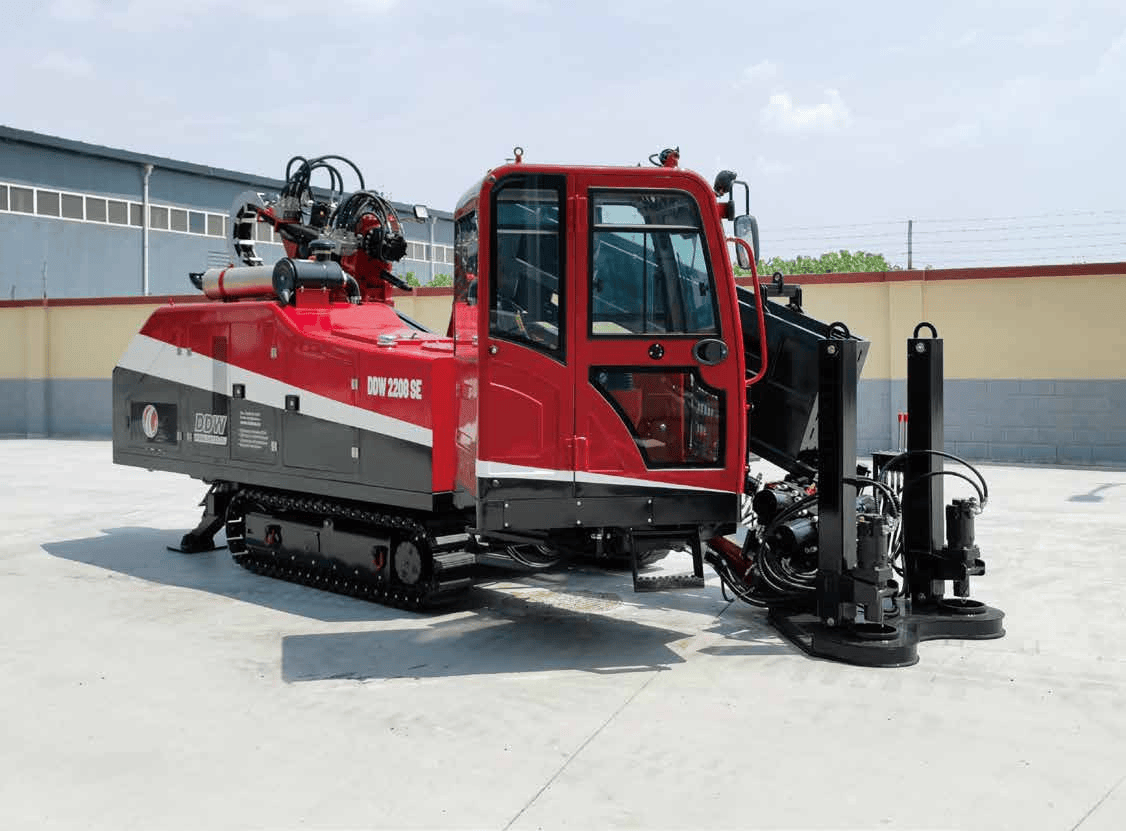
DDW22/08SE-HORIZONTAL DIRECTIONAL DRILL
DW/TXS Construction Equipment (Beijing) Co., Ltd.
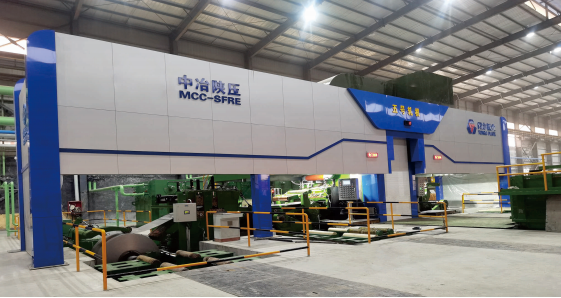
1050-1750mm Steel Strip Single-stand Reversible Cold Rolling Production Line
MCC-SFRE HEAVY INDUSTRY EQUIPMENT CO., LTD.

Mine Explosion-proof and Intrinsically Safe Industrial Ethernet Ring Network (10 Gigabit/Gigabit)
Chongqing Mas Sci&Tech Co., Ltd.

Industrial and Commercial Point-Type Gas Detector
Jinan Benan Technology Development Co., Ltd.