Opportunities For India In The Upcoming Carbon Credit Trading System
Wedoany.com Report-Oct 26, As the world intensifies its efforts to combat the climate crisis, carbon pricing has emerged as one of the most powerful tools to drive down emissions. By assigning a cost to carbon, governments and businesses are incentivised to cut emissions, fostering a shift toward cleaner, more sustainable energy systems. The European Union (EU) has long been a leader in this space, with its Emission Trading System (ETS) serving as the benchmark for other countries. India, poised at a critical juncture, has a unique opportunity to harness the potential of carbon pricing through its forthcoming Carbon Credit Trading Scheme (CCTS).
The success of the EU ETS offers valuable lessons for countries developing their own systems. Over time, the EU ETS has evolved, with carbon prices reaching notable highs of above $80 per tonne of CO2 equivalent (CO2e). To prevent carbon leakage—where companies relocate to countries with weaker environmental regulations—the EU is introducing the Carbon Border Adjustment Mechanism (CBAM). This mechanism ensures that importers pay the same carbon price as domestic producers, levelling the playing field for industries and protecting the integrity of the ETS.
Other regions, including the United Kingdom and the United States, are following suit, with discussions underway to implement their own versions of CBAM. As these carbon pricing mechanisms become more widespread, they are prompting many countries, especially in Asia, to accelerate the development of their own carbon pricing frameworks.
China, South Korea, Indonesia, Vietnam, and Japan are all at various stages of implementing or developing their own Emission Trading Systems. India, too, finds itself at a pivotal moment. The Indian government has made substantial progress toward establishing its own CCTS, with the Bureau of Energy Efficiency facilitating multiple stakeholder discussions and publishing the detailed procedure for the CCTS compliance mechanism in July 2024.
India’s upcoming CCTS presents an opportunity not only to decarbonise key sectors but also to unlock new streams of revenue and innovation. However, ensuring the success of this system will depend on several critical factors.
One of the foremost considerations in designing a successful CCTS is to ensure that it supports decarbonisation without stifling economic growth. India's economy, particularly in energy-intensive sectors like iron and steel, aluminium, and cement, is closely linked to carbon emissions. These industries are essential for India’s development and are also among the largest emitters.
Related Products


Floating Boat Water Quality Automatic Monitoring System
Hebei Sailhero Environmental Protection High-tech Co., Ltd.


714CD Series C-Band Weather Radar
Chengdu Zhongdian Jinjiang Information Industry Co., Ltd.
Yingping Mining Section Open-pit Tailings Backfill Treatment of Goaf Ecological Restoration EPC Project
China Bluestar Lehigh Engineering Corporation
Safe, efficient, intelligent energy storage, creating smart homes and making life more convenient# Home Energy Storage # Supercapacitors # Energy Storage # Wall Mounted # Safe Electricity Use
Gonghe Power Co.,LTD


Roots Blower Aquaculture Bottom Aerator Microporous Aeration Tube Compatible Three-Lobe High Pressure Energy-Saving Oxygenation
Shandong Dashan Environmental Protection Equipment Co., Ltd.
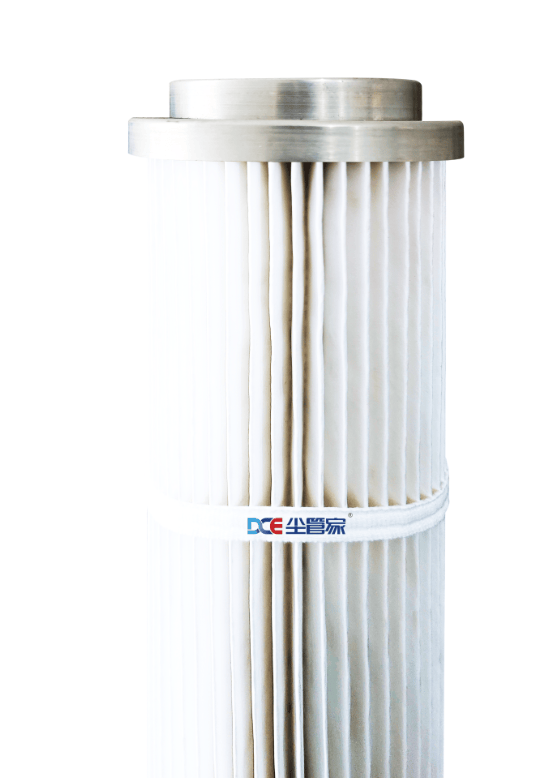
DCE High-Efficiency Energy-Saving Filter Cartridge
Zhejiang Hongsheng New Material Technology Group Co., Ltd.