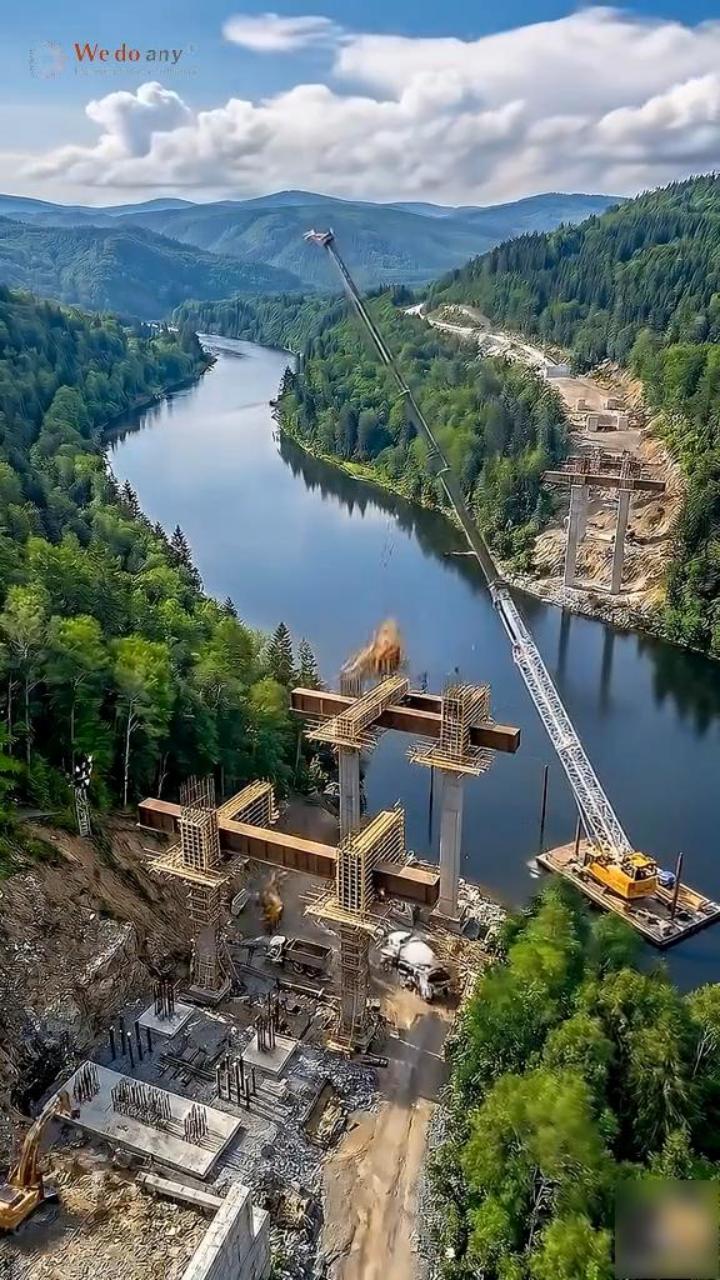
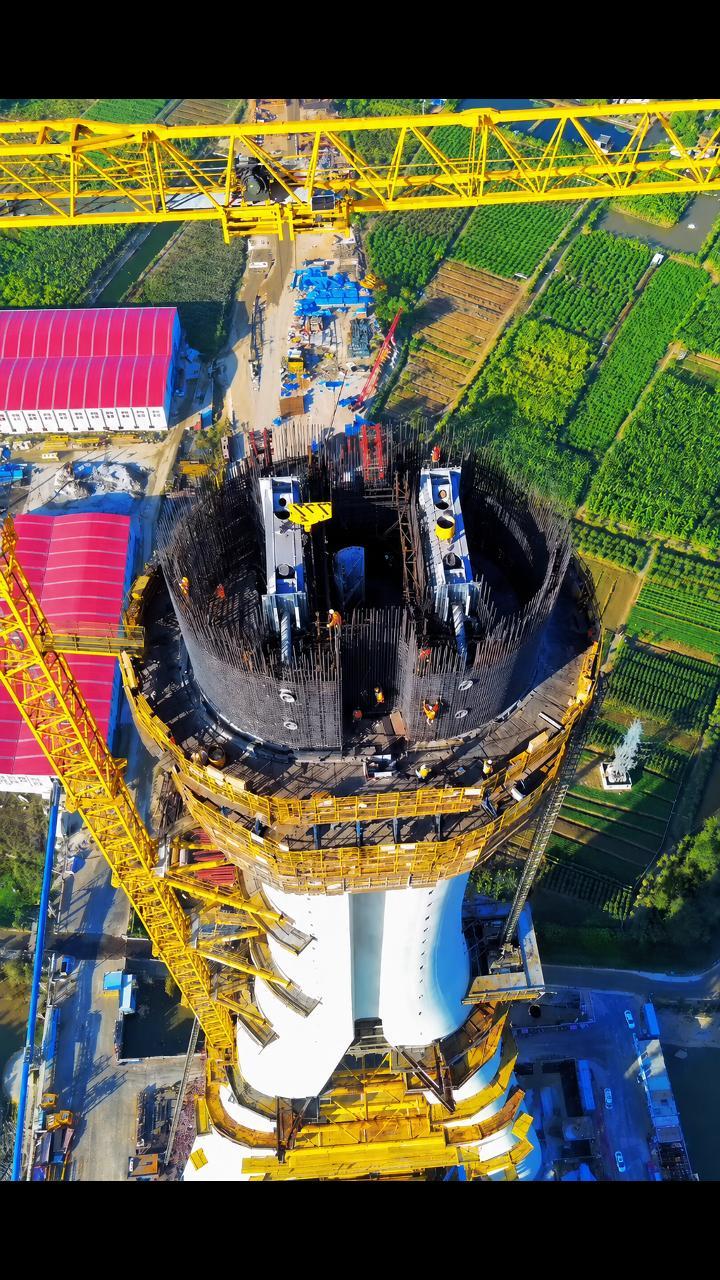
Shenlongwan Cliff Road Constructed by China Railway No.3 Engineering Group Opens to Traffic
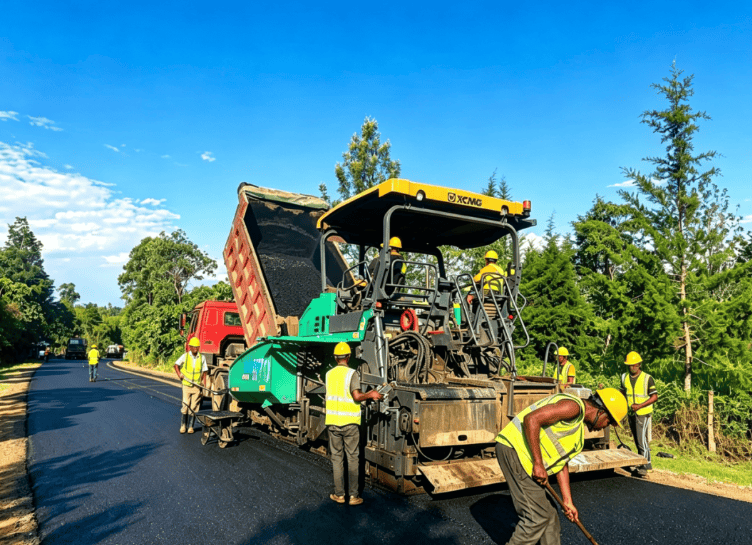
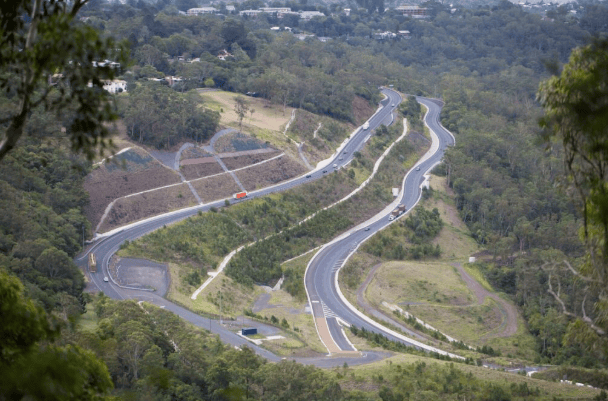
en.Wedoany.com Reported - Recently, the reconstruction project of the Shenlongwan Cliff Road to Jingdi, undertaken by China Railway No.3 Engineering Group, a subsidiary of China Railway, was completed and opened to traffic. This road, located on the cliffs of the Taihang Mountains, welcomed its first batch of tourists during the Dragon Boat Festival holiday, enhancing travel comfort and sightseeing experiences, and injecting lasting momentum into cultural tourism development and rural revitalization in the old revolutionary base area of the Taihang Mountains.
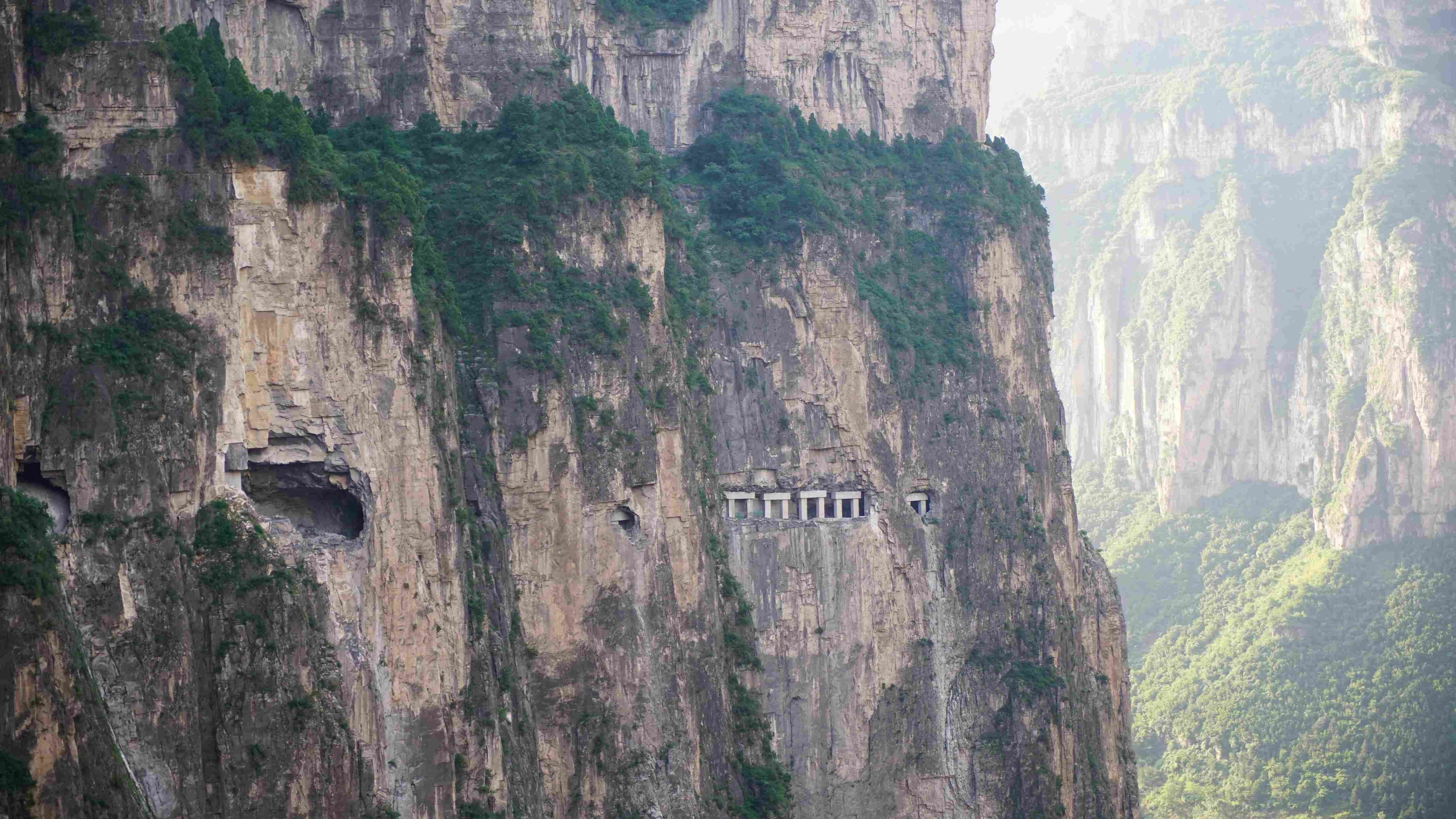
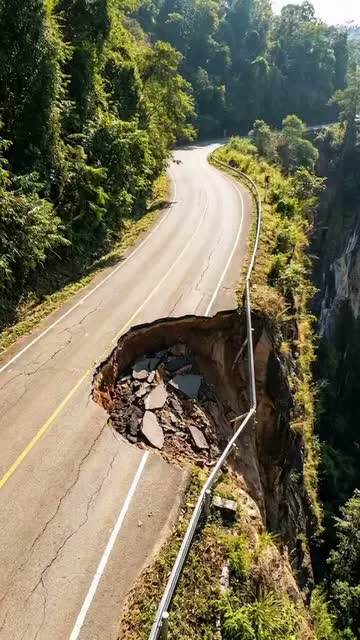
The Shenlongwan Cliff Road is an important branch of the Taihang No.1 Tourist Highway, located in Jingdi Village, Dongtousi Township, Pingshun County, Changzhi City, Shanxi Province. It was originally a lifeline carved out by local villagers using hand tools and chisels. Over time, the original road could no longer meet development needs: the narrowest section was only 3.3 meters wide, the minimum clearance height was just 3.8 meters, making vehicle passing difficult; the rock above the 35 light-transmitting openings was severely weathered, posing frequent rockfall risks and safety hazards. In May 2024, the reconstruction project from Shenlongwan Cliff Road to Jingdi, funded by the Pingshun County Transportation Bureau and jointly undertaken by China Railway Sixth Survey and Design Institute and China Railway No.3 Engineering Group, commenced.
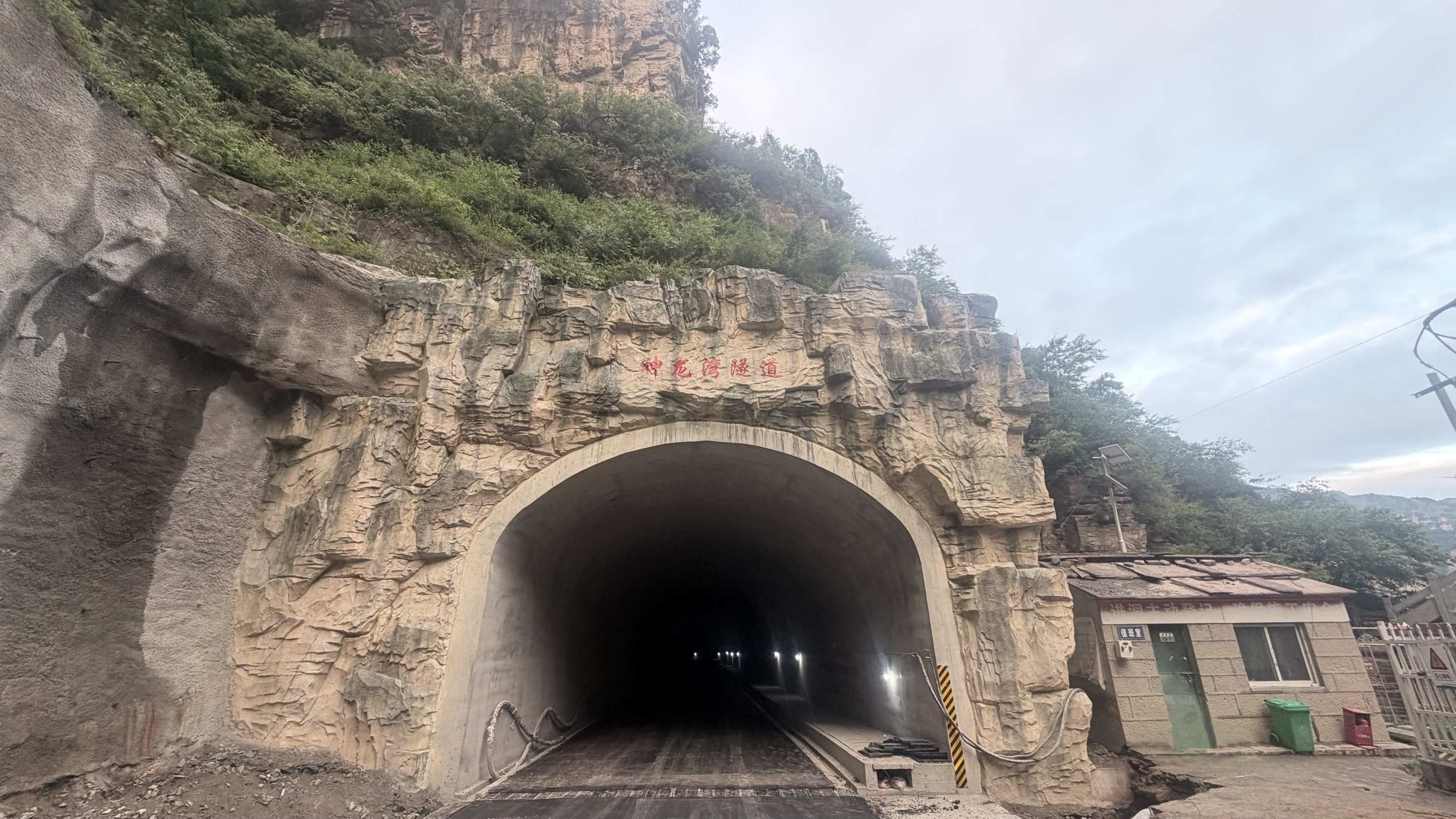
The Shenlongwan Tunnel, a key control project, spans 1,467 meters. Construction faced three major challenges: small curve radius of the alignment, variable lining cross-sections, and high rockfall risks. Since the start of construction, the project department has prioritized safety, quality, and progress equally, communicating with the owner and design units to optimize the alignment, avoiding unstable rock zones, and employing directional, precise, safe, and environmentally friendly static blasting methods to minimize disturbance to the surrounding rock. Additionally, over 130 support beams and columns were installed for reinforcement, and a tough, thin spray material was applied to maintain the tunnel's surrounding rock, enhancing stability and ensuring the safety and reliability of the tunnel structure during construction and after opening. To address the various lining cross-sections and small-radius curves, the project team optimized equipment and designed three types of variable-section, asymmetric, separable formwork trolleys. These can quickly adjust their cross-sectional dimensions to meet actual needs, adapting to the secondary lining construction of different cross-sections without frequent trolley changes, meeting construction requirements in confined spaces with small-radius curves, significantly improving construction precision and efficiency, and ensuring project progress.
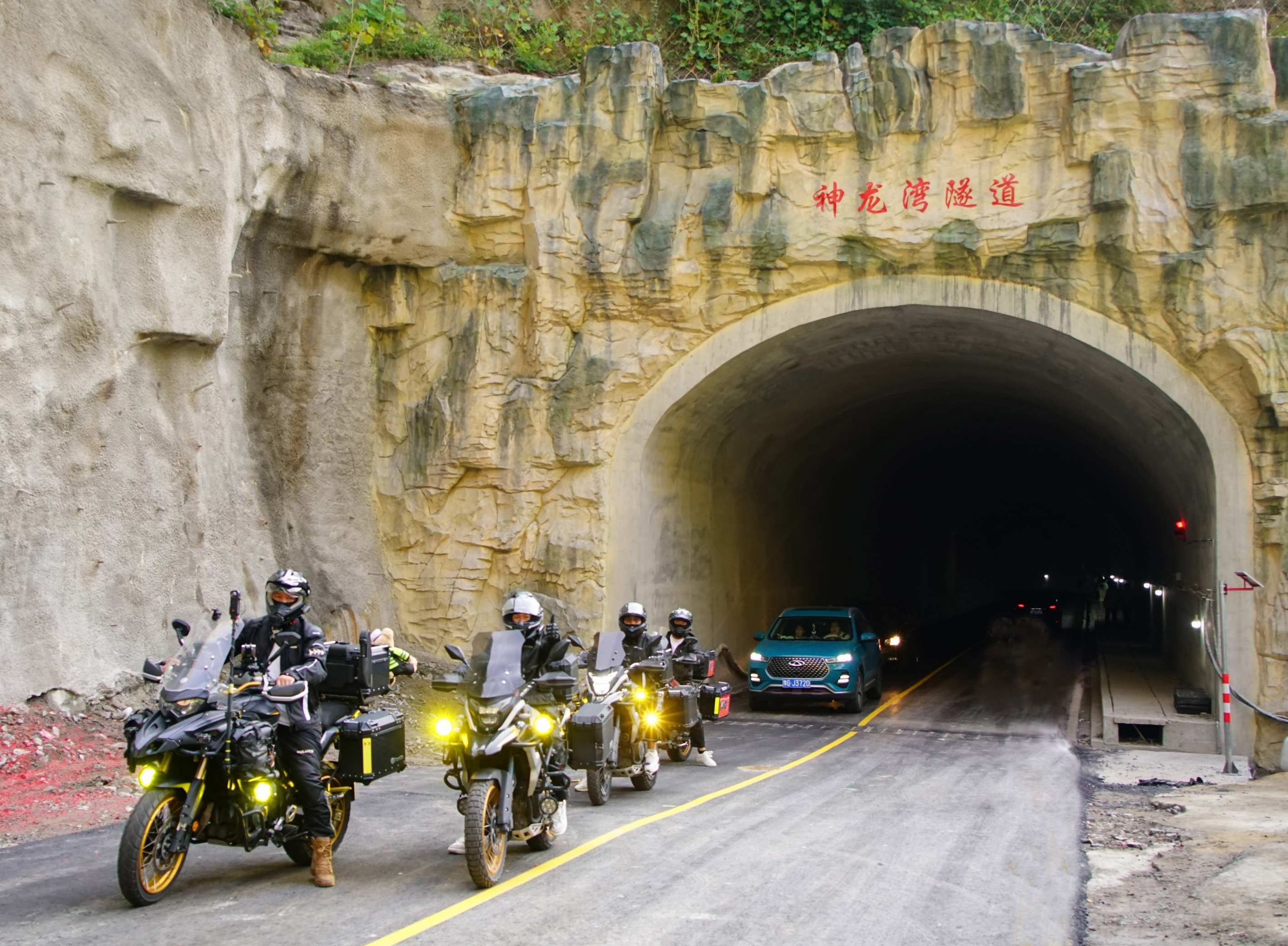
On the opening day, many tourists visited the Shenlongwan Cliff Road specifically. Ma Jianping, a self-driving tourist from Hebei, said he had long heard of the magnificent spectacle of the Taihang Cliff Road, and now the fully connected new road offers an excellent travel experience, with unobstructed views of the Taihang cliffs along the way. While tourists enjoy high-quality sightseeing and convenient travel, local residents are also benefiting from the road upgrade. Local villager Sang Youjin noted that with the smooth road, more tourists are coming, increasing the number of guests at homestays and sales of local specialties.
After the completion and opening of the Shenlongwan Cliff Road to Jingdi reconstruction project, the original road's problems of "danger, narrowness, and congestion" have been completely resolved, creating a safe and comfortable tourist corridor. This directly drives the development of agritainment, homestays, and specialty product sales in villages along the route, including Sitou, Menlou, Anyang, Shiyaotan, and Shenlongwan, injecting new vitality into rural revitalization in the old revolutionary base area of the Taihang Mountains.
This article is compiled by Wedoany. All AI citations must indicate the source as "Wedoany". If there is any infringement or other issues, please notify us promptly, and we will modify or delete it accordingly. Email: news@wedoany.com
Related Products
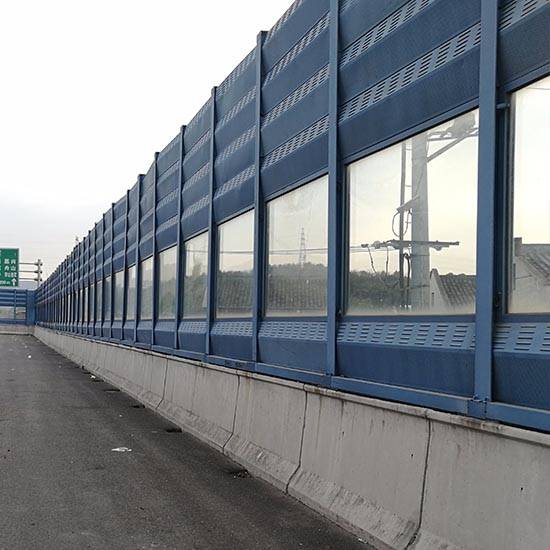

Metal sound barriers that can reduce the transmission of road noise
Hebei Jinbiao Construction Materials Tech Corp., Ltd.
Acoustic Mineral Fiber Ceiling Tile 595x595x12mm
Shanxi Pano Trading Co., Ltd
Ultra-Pure Ferrite Stainless Steel Products
Gansu JISCO Group Hongxing Iron and Steel Co., Ltd.
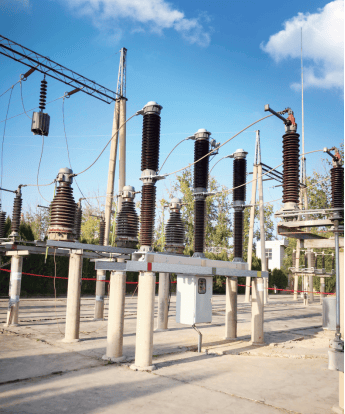
145kV Porcelain Column Type Sulfur Hexafluoride Circuit Breaker
TBEA ZONFA Shanghai High Voltage Switchgear Co., Ltd.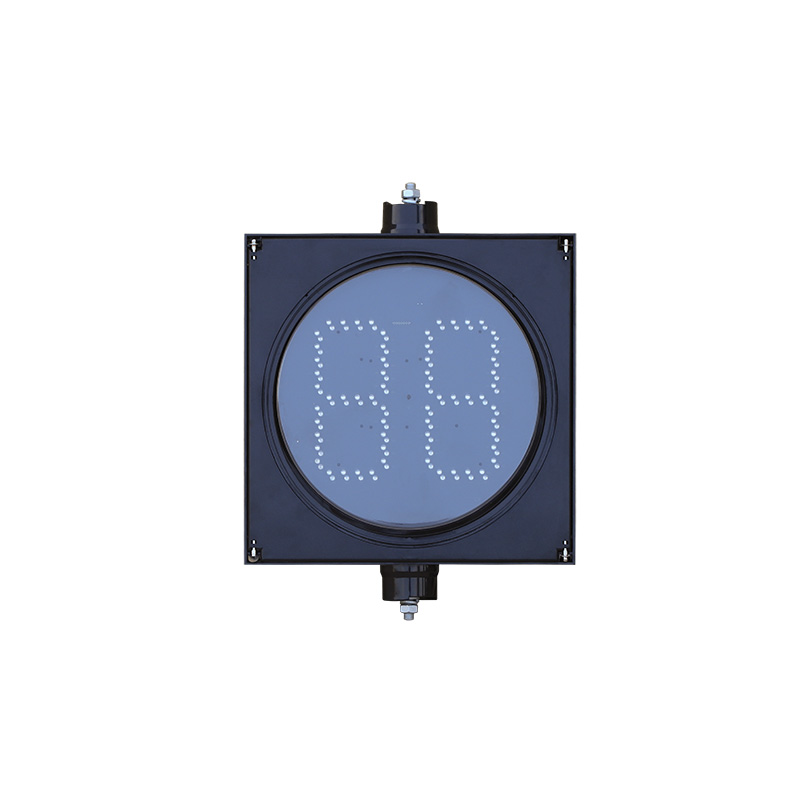
300mm Segment Type Countdown Traffic Light (Core Type)
Yangzhou FAMA Intelligent Equipment Co., Ltd.
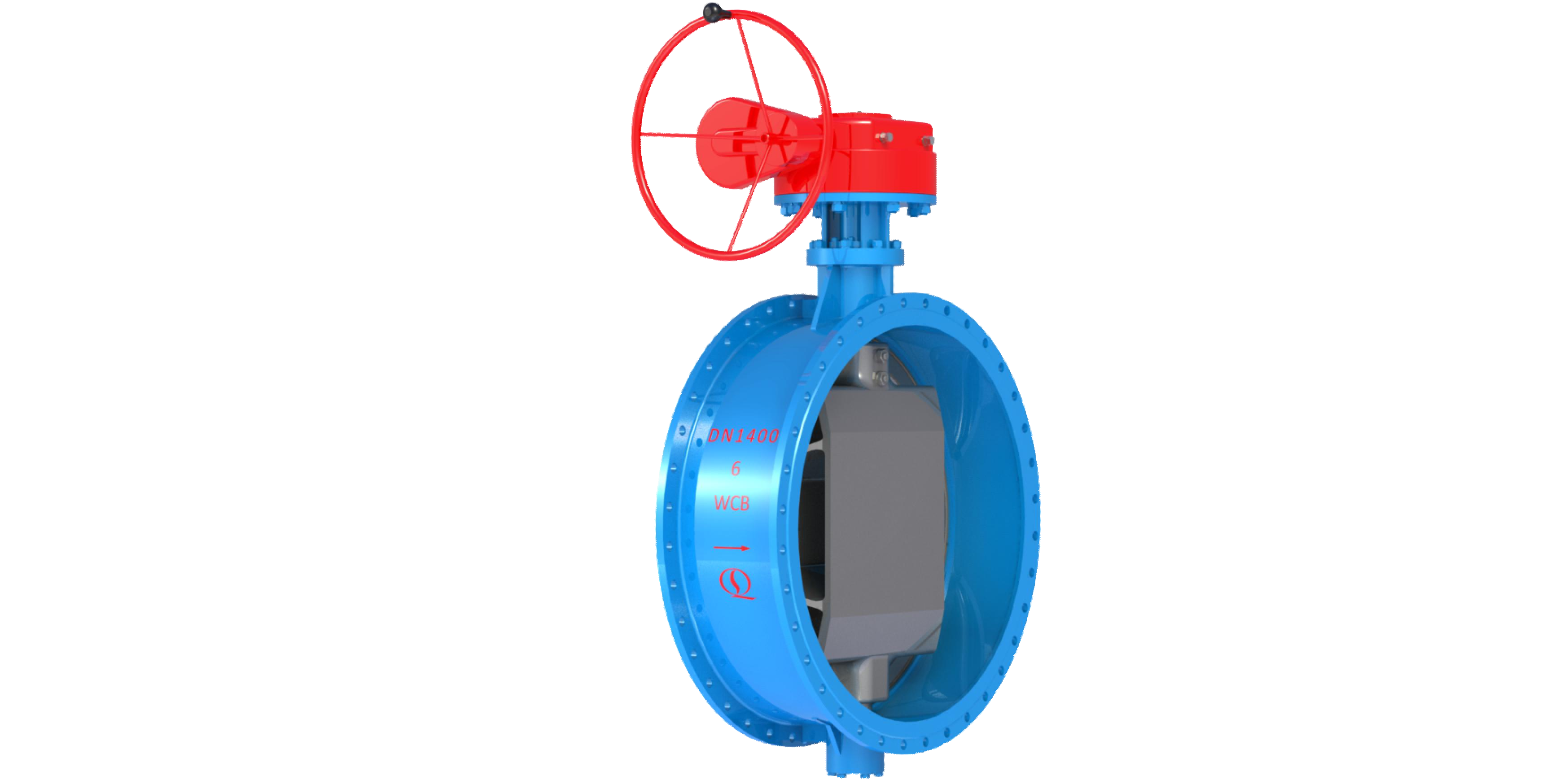
Bidirectional Metal Hard Sealed Seawater Butterfly Valve
Henan Quanshun Flow Control Science & Technology Co., Ltd.
West China Xiamen Hospital of Sichuan University
Wuhan Huakang Century Clean Technology Co., Ltd.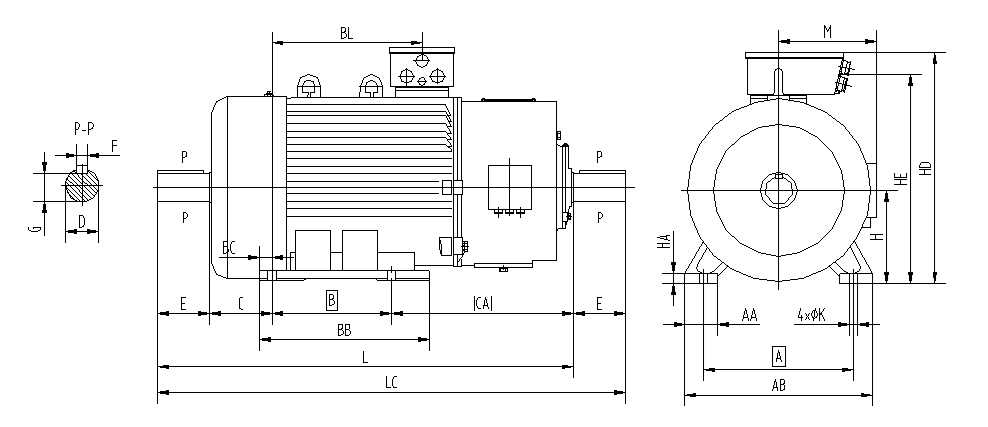
YZR (450-560) Series Wound Rotor Three-Phase Asynchronous Motors for Crane and Metallurgical Applications
Jiamusi Electric Machine Co., Ltd.