
Repsol Signs Oilfield Agreement in Venezuela, Aiming to Increase Daily Output to 135,000 Barrels
en.Wedoany.com Reported - Spanish company Repsol has signed a new framework agreement with Venezuela's state-owned oil company PDVSA to develop the Petroquiriquire, Tomoporo, and La Ceiba oil fields, while consolidating natural gas production in the Cardón IV block. The agreement, promoted by Repsol under the leadership of Josu Jon Imaz and the new Venezuelan government led by Delcy Rodríguez, aims to transform long-term financial burdens into stable sources of profit.
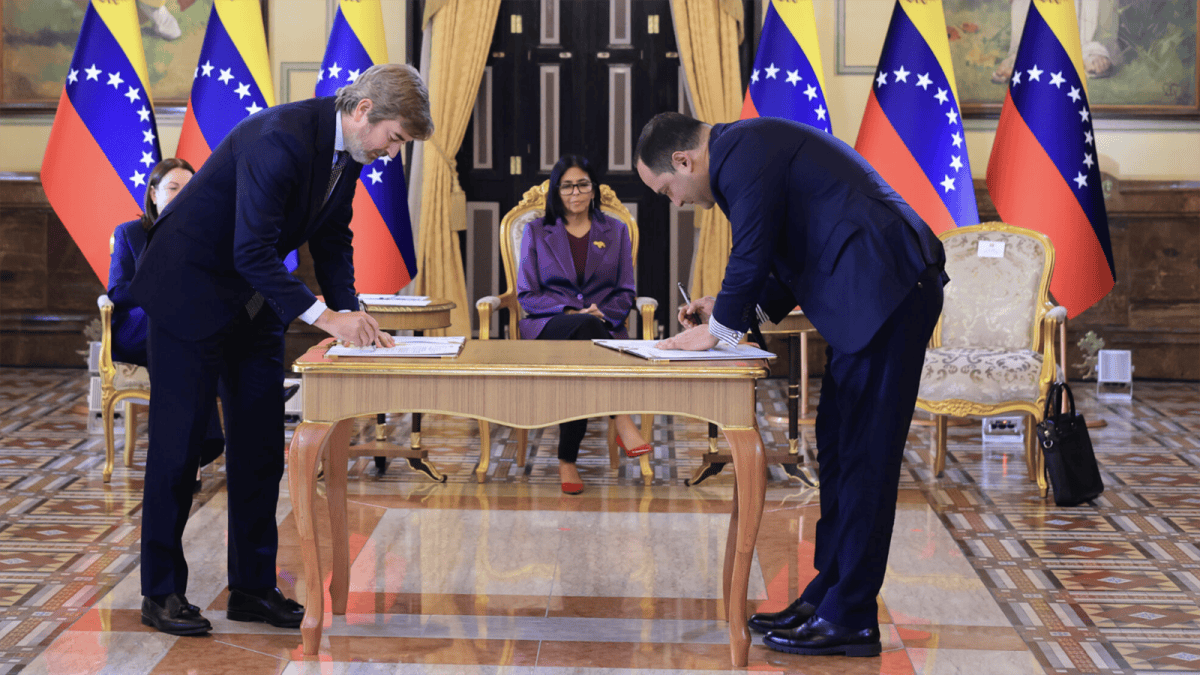
Repsol's operations in Venezuela began in 1993 and have long been plagued by political instability and financial losses. In 2016, the company provided PDVSA with a $1.2 billion credit facility, but after the U.S. imposed a full embargo on Venezuela in 2020, PDVSA's debt to Repsol rose to €4.55 billion.
Under the new agreement, PDVSA (60%) and Repsol (40%) have reached a partnership for the Petroquiriquire oil field, with Repsol regaining operational control and incorporating the Tomoporo and La Ceiba fields. Current daily production is approximately 45,000 barrels, with plans to increase it by 50% within one year and triple it to 135,000 barrels per day within three years. In the natural gas sector, Repsol and Eni consolidated their agreement for the Cardón IV block (La Perla) in March, with current daily production at 580 million cubic feet, expected to increase by 10% to 640 million cubic feet per day.
Regarding payment security, outstanding debts and new supplies are settled through crude oil deliveries. In May 2026, tankers loaded with Venezuelan crude oil arrived at the ports of A Coruña and Bilbao in Spain as in-kind payments. This model is expected to boost Repsol's cash flow to €6 billion by the end of the year.
Venezuela's National Assembly has unanimously approved reforms to the Hydrocarbons Law aimed at attracting foreign investment. The U.S. government, through the Treasury Department's Office of Foreign Assets Control (OFAC), has issued new extraction licenses, providing Repsol with legal and regulatory guarantees for operations, exports, and payments. Donald Trump has urged oil companies to inject up to $100 billion into Venezuela's energy infrastructure.
Venezuela's poor infrastructure conditions pose short-term challenges. Financial experts have doubts about tripling production within three years without significant capital expenditure. Given that Repsol's 2026-2028 strategic plan overall reduces exploration and production capital expenditure, with over 80% of investments concentrated in the United States, there may be a mismatch between its goals in Venezuela and the planned investment. Furthermore, operational stability depends on the continuity of U.S. policy towards the government led by Delcy Rodríguez.
This article is compiled by Wedoany. All AI citations must indicate the source as "Wedoany". If there is any infringement or other issues, please notify us promptly, and we will modify or delete it accordingly. Email: news@wedoany.com
Related Products

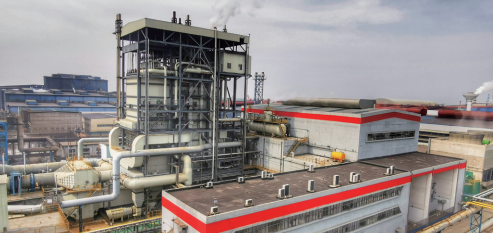
Jiujiang Pinggang 125MW Subcritical Gas Power Generation Project
Capital Engineering & Research Incorporation Limited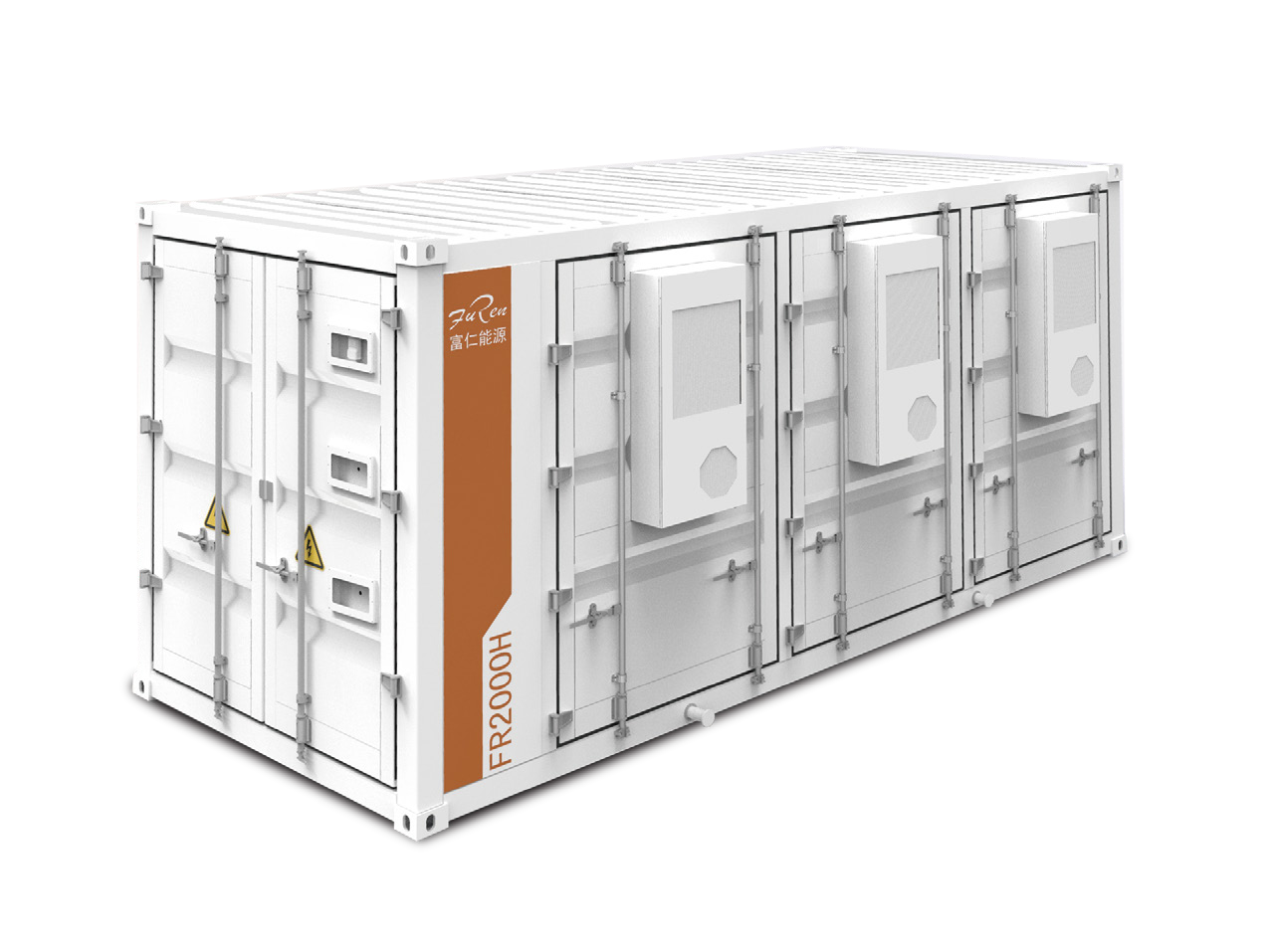
FR2000H 2.15MWh (Air-cooled) 20-foot Containerized Energy Storage System
Jiangyin Furen High-tech Co., Ltd.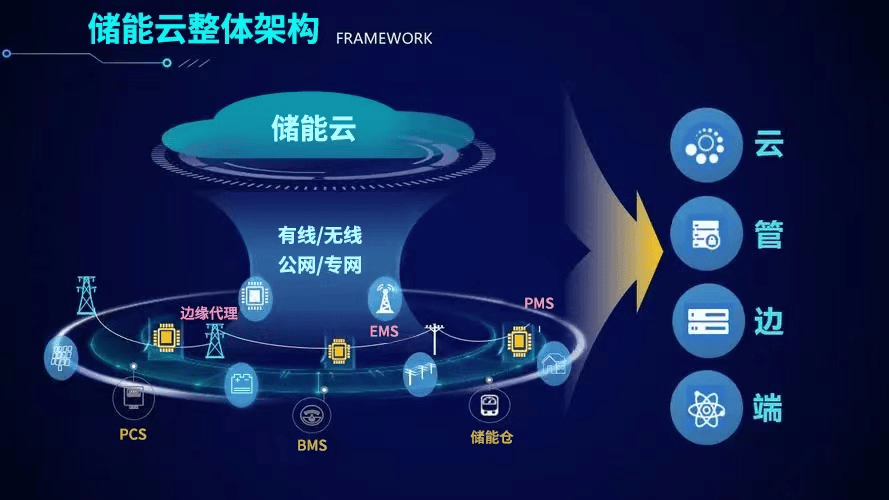

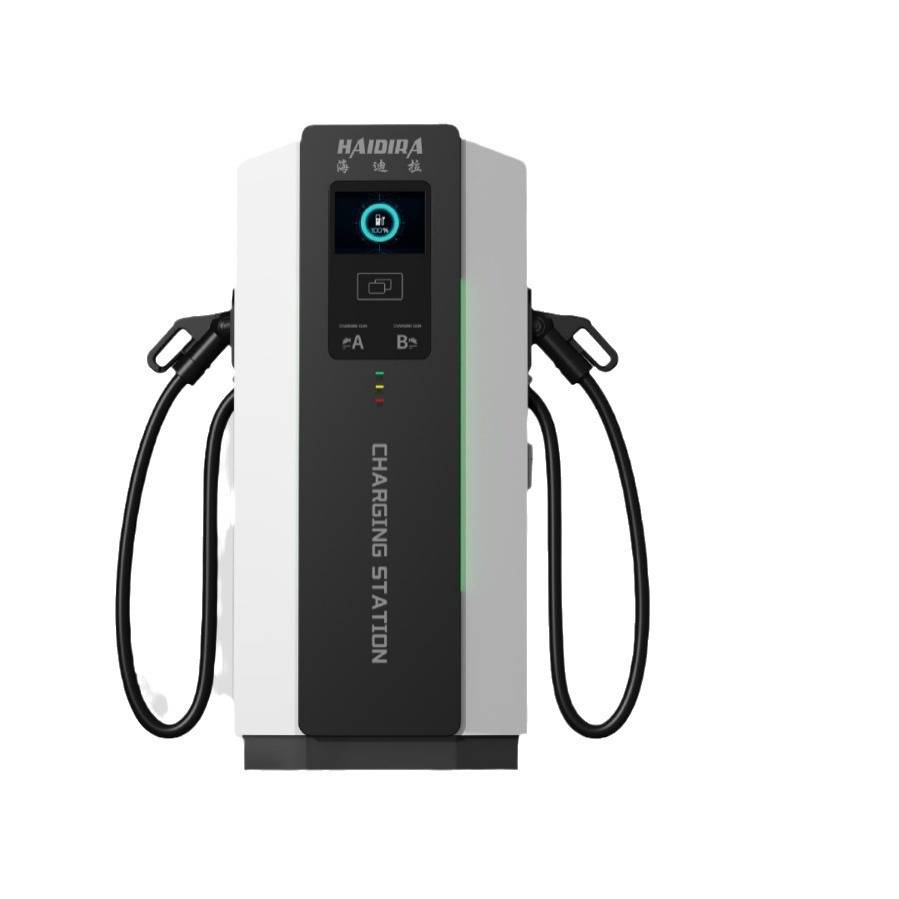
Manufacturer Direct Sales Tesla New Energy Electric Vehicle Universal DC 180kW Dual-gun Charging Pile Commercial Fast Charger
Anhui Haidira Electric Technology Co., Ltd.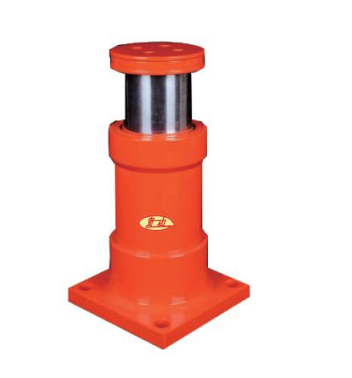

Perfluorinated Ionic Membrane-CM-10N Series Membrane
Guizhou Juneng Century Technology Co., Ltd
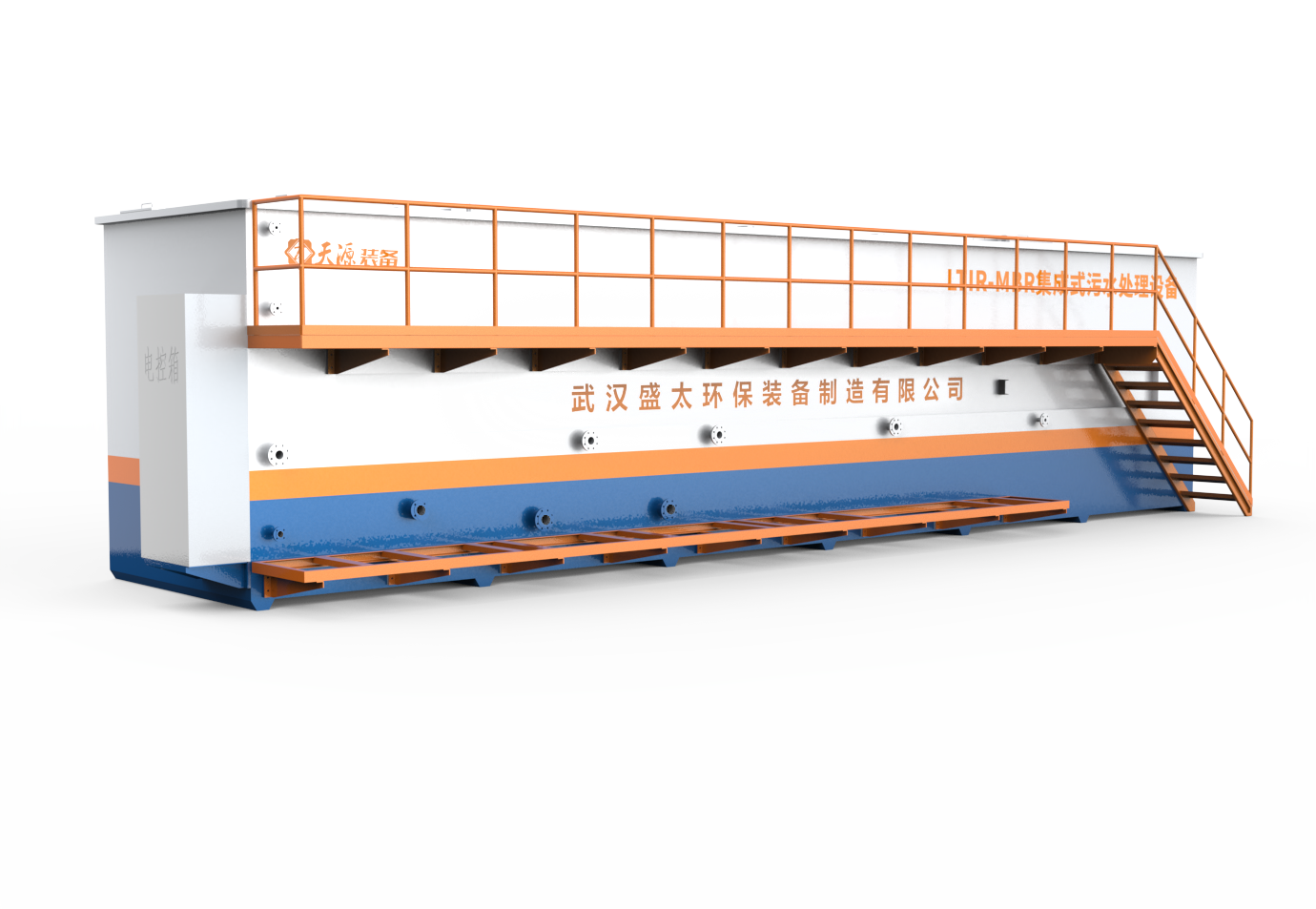
CAP1400 main feedwater flow nozzle flowmeter.
Jiangsu Hongda Instrument Technology Co., LTD.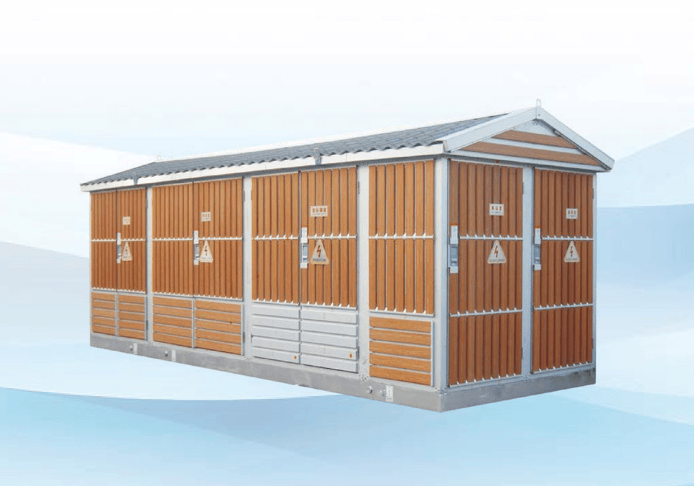
YB □ -12/0.4/1250 Outdoor Prefabricated Substation (European Style)
Shangrao Shangyu Intelligent Electric Co., Ltd.






