en.Wedoany.com Reported - Boeing's industrial crisis continues to spread, causing widespread anxiety in the Persian Gulf commercial aviation hub, but Abu Dhabi-based Etihad Airways remains unaffected. While other network carriers have been hit hard by years of delivery delays, Etihad has quietly protected its global capacity roadmap, breaking free from reliance on manufacturers to perfectly execute large speculative aircraft orders, forging its own path and defining its future.
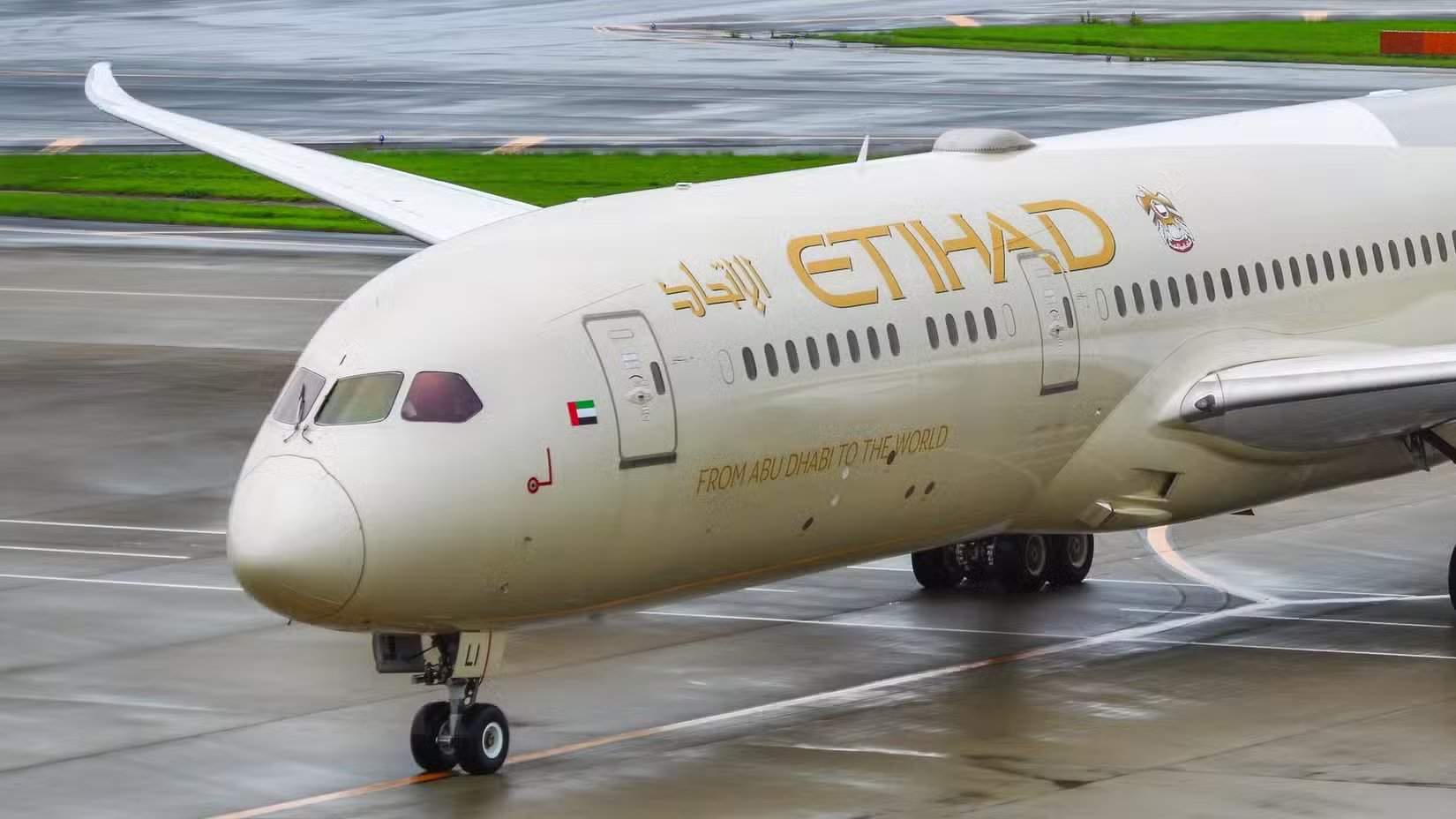
The traditional Gulf aviation model relies on accumulating massive widebody orders to dominate the market, but this strategy collapses when manufacturers fail to deliver. The prolonged certification delays for the Boeing 777X's first flight have disrupted fleet renewal plans across the industry, forcing traditional carriers to spend heavily on maintaining older aircraft. However, Etihad built a structural buffer years ago to ensure that issues on the factory floor in Seattle would not undermine its sovereign network ambitions. The airline's current calm technical advantage stems from a simple fact: Etihad does not need new aircraft in the short term. Under CEO Antonoaldo Neves, the company deliberately designed a back-loaded timeline, pushing the first 777X delivery to 2031. This timeline allows the airline to leverage a stable production line for its "Journey 2030" transformation plan. While Boeing struggles with its backlog, Etihad has filled near-term delivery slots with already-certified twin-aisle platforms. Neves described the broader manufacturing landscape as "a mixed bag," but firmly stated regarding certification bottlenecks, "It's a big problem, but we don't face this problem." The company's roadmap plans to add an average of 20 aircraft per year over the next five years. Etihad posted an after-tax profit of $698 million in its last fiscal year, with passenger traffic surging 21% to 22.4 million and a load factor of 90%.
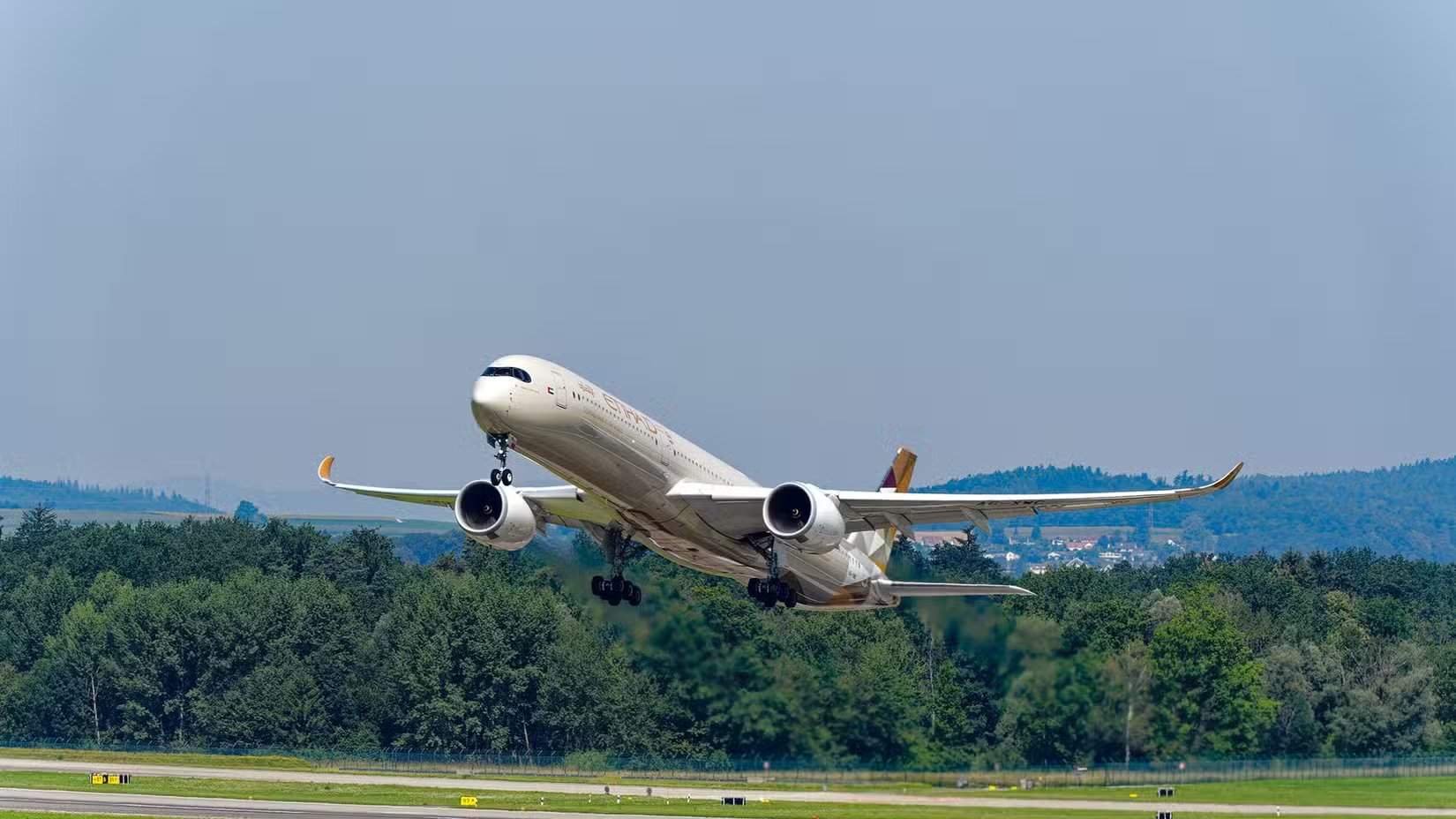
Etihad is not an exclusive customer of a single aircraft manufacturer but actively diversifies capital risk across the competitive supply chain. The airline signed an agreement covering 32 Airbus widebody aircraft, including the long-range A350-1000 and medium-range A330-900, secured through direct orders and strategic leases. This immediately provided efficient capacity, bypassing the industrial bottlenecks plaguing competitors. Through diversified procurement, Etihad has expanded its long-haul network to over 6,000 miles (9,656 km) without waiting for delayed engineering milestones. The fleet strategy relies on a flexible mix of twin-engine platforms, allowing the airline to optimize capacity on a route-by-route basis. If one production line stalls, the network can smoothly pivot to alternative pipelines. While competitors like Emirates are spending hundreds of millions of dollars refurbishing older 777 aircraft, Etihad is deploying new narrowbodies like the Airbus A321LR on medium-haul routes to free up large widebodies for dense international routes.
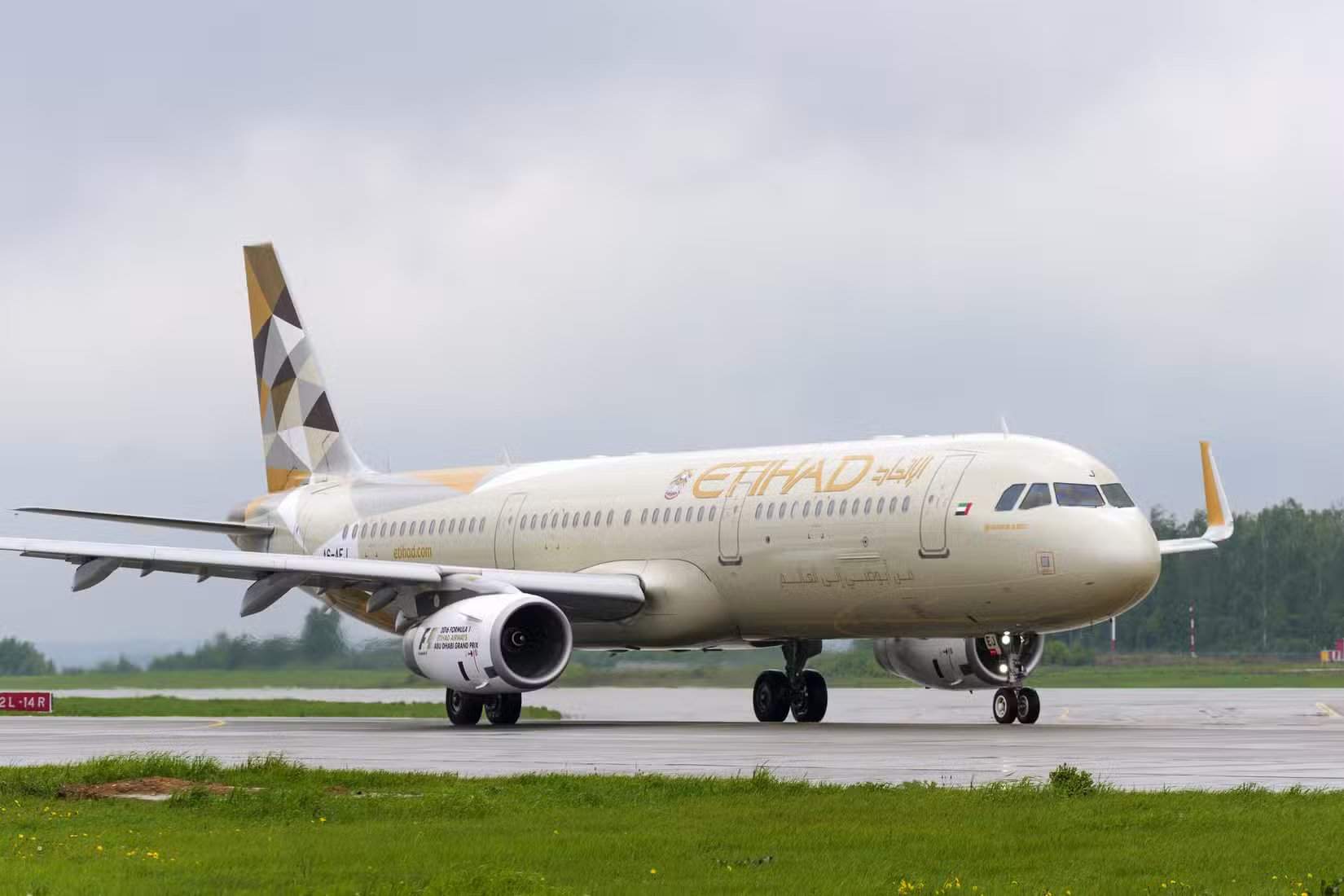
The structural calm observed in Abu Dhabi suggests the traditional Gulf carrier playbook is gradually unraveling. Regional aviation strategy once dictated building massive global hubs driven by large, standardized widebody fleets, but this model becomes fragile when aircraft manufacturing or regional stability is disrupted. Etihad learned the risks of the over-expansion model a decade ago through massive financial losses and underwent aggressive downsizing. The airline spent years contracting to a high-profit, sustainable baseline before planning its current expansion. Its modern incarnation strictly treats aircraft as replaceable corporate tools, with the network built around agile operational flexibility. The current fleet strategy shifts toward smaller, more efficient widebodies to maximize daily asset utilization.
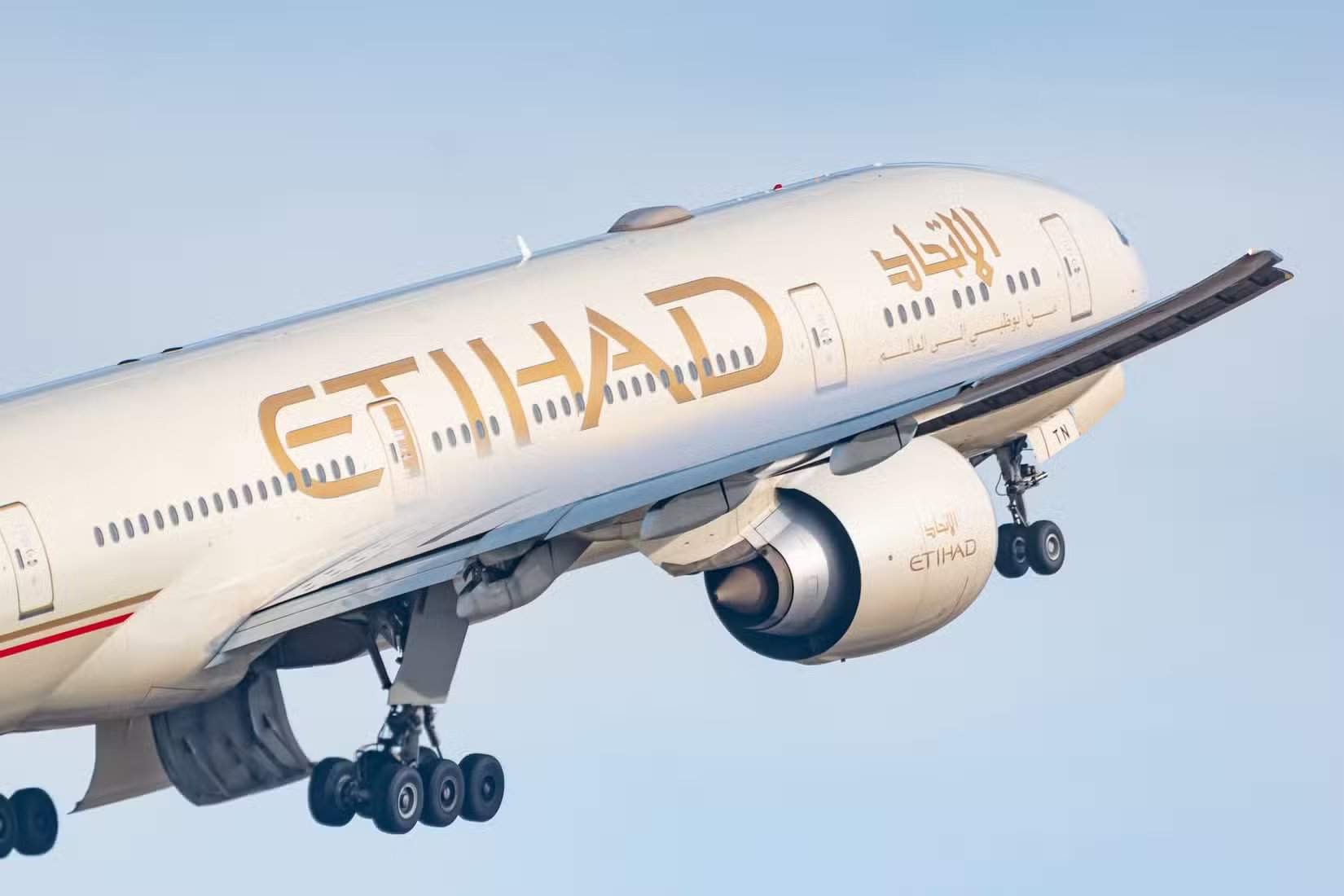
Rather than waiting indefinitely for Boeing to deliver the 777X, Etihad is investing $800 million to $1 billion in a comprehensive cabin retrofit of its existing fleet. The investment focuses on approximately 50 widebody aircraft, primarily the Boeing 777-300ER and older Boeing 787 fleet. According to Planespotters data, the airline operates one of the youngest fleets in the Middle East, with an average age of just over eight years. The retrofit is expected to be completed by 2030, just in time for the arrival of the new 777X a year later. By refurbishing cabin walls, installing high-speed connectivity systems, and introducing next-generation in-flight entertainment technology, existing widebodies can match the premium feel of any uncertified aircraft. This shifts the airline's reliance away from immediate deliveries, while competitors are forced to extend leases on unrefurbished older aircraft.
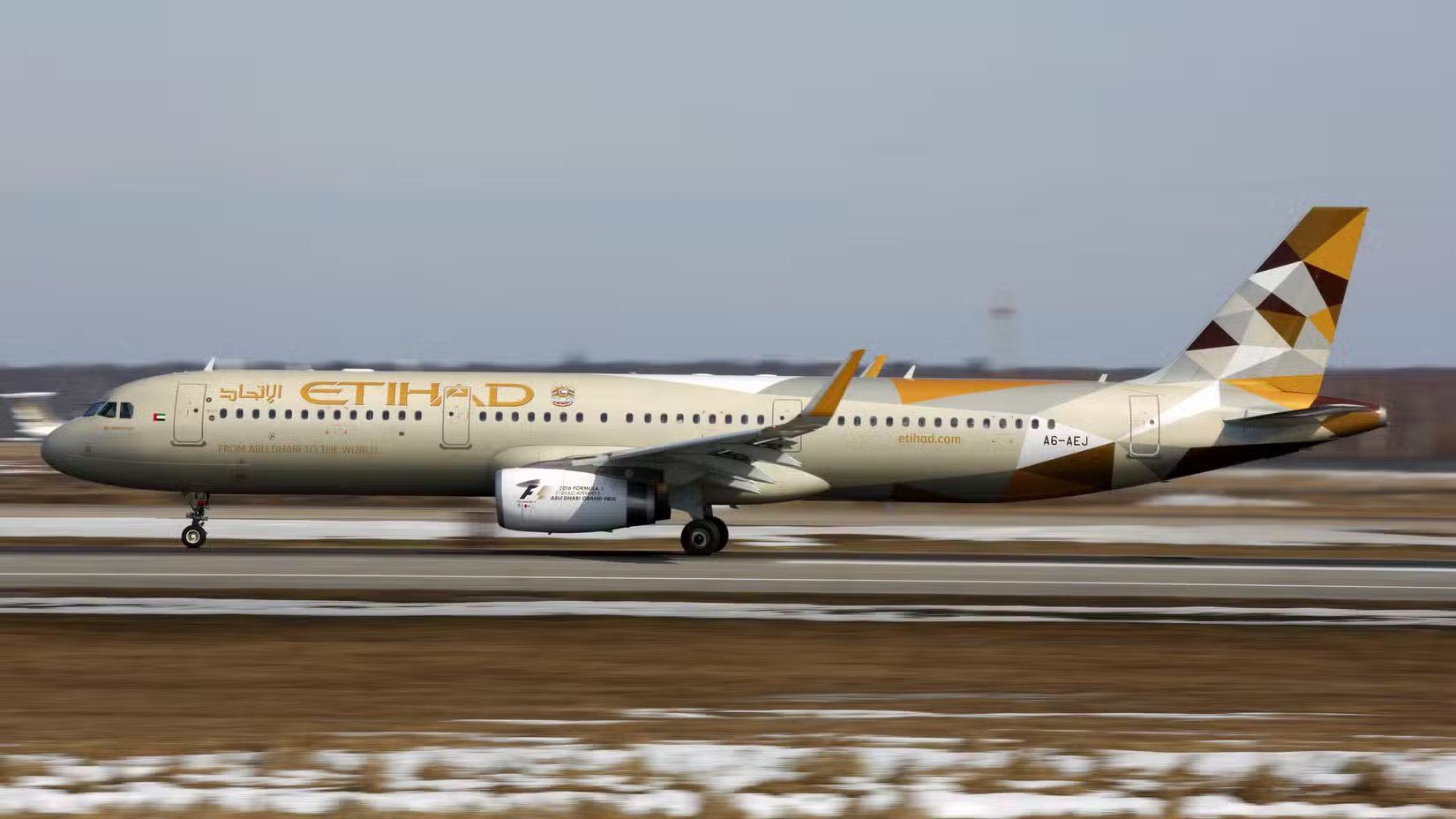
Examining Etihad's fleet, Boeing maintains a dominant position in the long-haul network, accounting for 62 of the 83 active widebody aircraft. However, Airbus is causing disruption on the thin end of the route map. The introduction of the A321LR signals that the airline is moving away from a one-size-fits-all widebody strategy to protect yields on medium-haul routes. The airline already has 30 A321LRs in its fleet, configured in a three-class layout including first class, business class, and economy class. This layout enables Etihad to operate thin long-haul routes of up to 4,600 miles (7,402 km), serving secondary cities like Phuket and Chiang Mai, or increasing frequencies on high-density regional routes such as Mumbai and New Delhi. The airline chose the A321LR over the heavier, longer-range A321XLR to avoid the structural weight penalty of a larger center fuel tank. When demand on a specific route declines, these high-yield narrowbodies can replace larger widebodies.
Underpinning Etihad's calm demeanor is the primary buffer of its fundamental balance sheet transformation. Under CEO Antonoaldo Neves, the airline has evolved from a historically cash-burning super-connector into a high-profit enterprise. This year has seen significant macroeconomic friction, including regional airspace disruptions and global jet fuel prices rising nearly 70% compared to the previous year's average, with fuel now accounting for about 30% of Etihad's total cost base. Neves acknowledged that these external challenges mean the airline may only break even for the full year 2026, but the operational strategy has not contracted. The company is accelerating its "Journey 2030" transformation plan, outlining a path to expand its global route network to 125 destinations and its fleet to 160 aircraft. The airline is finalizing a large widebody order to secure growth over the next five years, maintaining a strong mix of aircraft types to scale capacity up or down based on market conditions. Etihad's strategy relies on financial autonomy, proactive cabin retrofits, and tactical narrowbody deployment. The lesson is clear: true operational resilience is built by focusing on the fleet you own, not the promises in a manufacturer's order book.
This article is compiled by Wedoany. All AI citations must indicate the source as "Wedoany". If there is any infringement or other issues, please notify us promptly, and we will modify or delete it accordingly. Email: news@wedoany.com