SoftBank's Masayoshi Son Sets NAV Target of 1,000 Trillion Yen
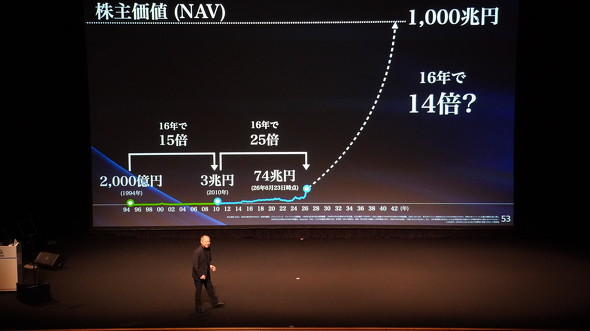
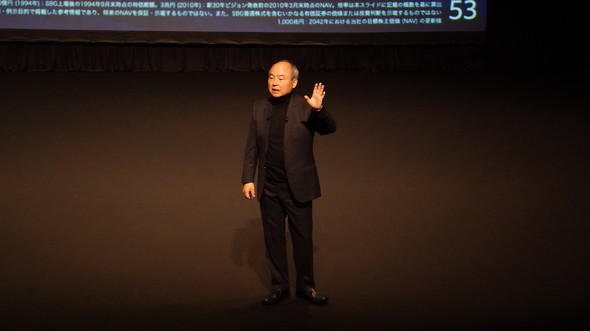
en.Wedoany.com Reported - "I said this number today because I am confident" — At SoftBank Group's general shareholders' meeting held on June 24, Chairman and President Masayoshi Son set a target to increase the net asset value (NAV), calculated by subtracting net interest-bearing debt from the market value of its holdings, to 1,000 trillion yen.
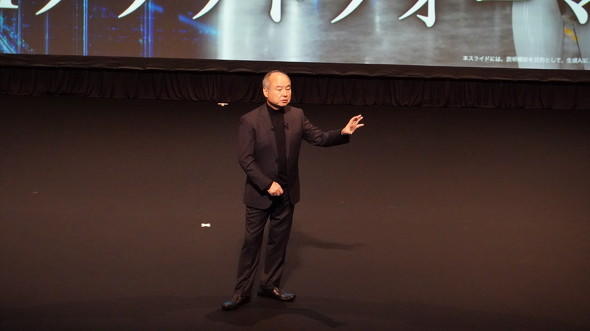
During the Q&A session of the meeting, Son disclosed multiple behind-the-scenes details of his investment strategy, including an investment of 300 billion yen in U.S. Intel, which was reported to be in operational difficulties, from a "national security" perspective, resulting in massive unrealized gains, as well as the progress of a major U.S. data center plan. Regarding the "power supply," the biggest bottleneck for AI infrastructure, he mentioned that subsidiary SoftBank is vying to become the next owner candidate of Tokyo Electric Power Company (TEPCO) and is exploring infrastructure strategies to attract the most advanced data centers back to Japan.
Explaining why he decisively invested 300 billion yen in Intel, which was reported to be facing a management crisis, Son stated that shortly after the investment, he faced criticism from industry experts, but over the past six months, the investment's value has grown five to six times, generating unrealized gains on a trillion-yen scale at market value. He described this as an indispensable investment from a national security standpoint. Currently, the world's most advanced semiconductor manufacturing (foundry) is overwhelmingly dominated by Taiwan's TSMC, with Intel in second place and South Korea's Samsung Electronics in third. Although Intel is second, the gap is significant. Considering geopolitical risks, the U.S. government has had to use national policy to strengthen Intel, which has manufacturing plants on its soil. Reports indicate that global top-tier companies like NVIDIA and Apple have signed or plan to sign manufacturing contracts with Intel, and its stock price is rapidly rising.
Regarding the new 30-year vision target of "achieving a group market capitalization of 200 trillion yen by 2040," Son believes it will be realized sooner and pre-announced the figure of 1,000 trillion yen in net asset value 16 years from now. He stated that the group is "internally" preparing incubated businesses and expressed considerable confidence. The three major areas driving AI evolution — "AI Models" (e.g., OpenAI), "AI Infrastructure" (data centers), and "Physical AI" (robots) — will be the future growth drivers. These areas are organically linked with the core Arm semiconductors, which is expected to drive overall group earnings.
When asked about his future relationship with U.S. President Donald Trump, Son said they have met many times and considers him a remarkable figure. Despite various media criticisms, Son noted that Trump became U.S. President by winning debates, possesses great strength, and is a leader with a strong desire to "make America strong again and bring prosperity to the people." Son revealed they occasionally play golf together, expressed hope that the Middle East war seems to have subsided, and wished for Trump to continue bringing peace.
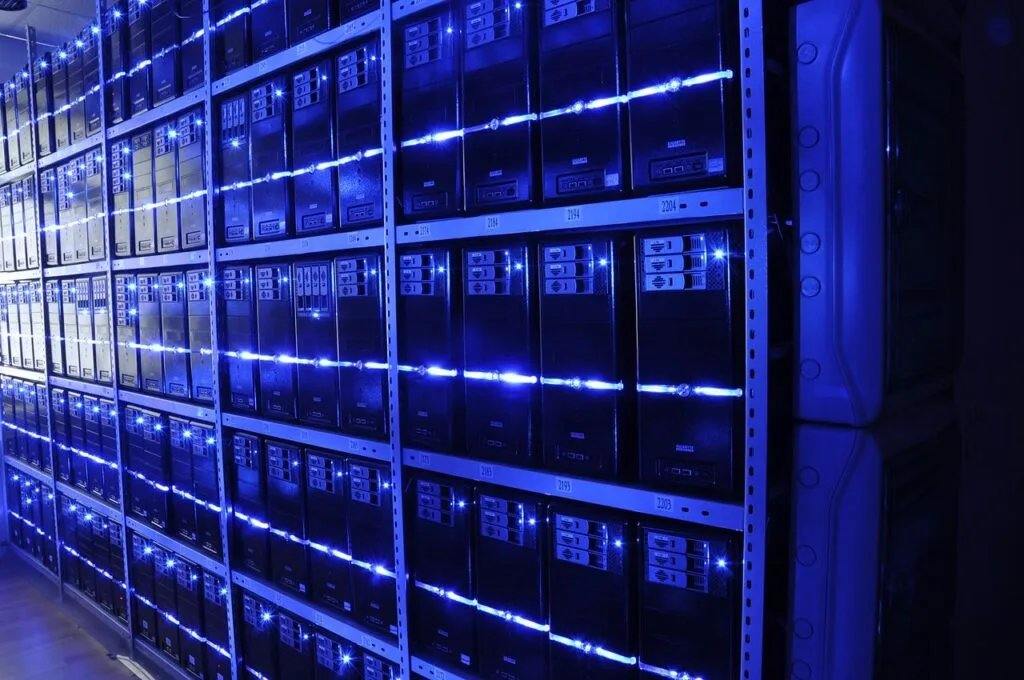
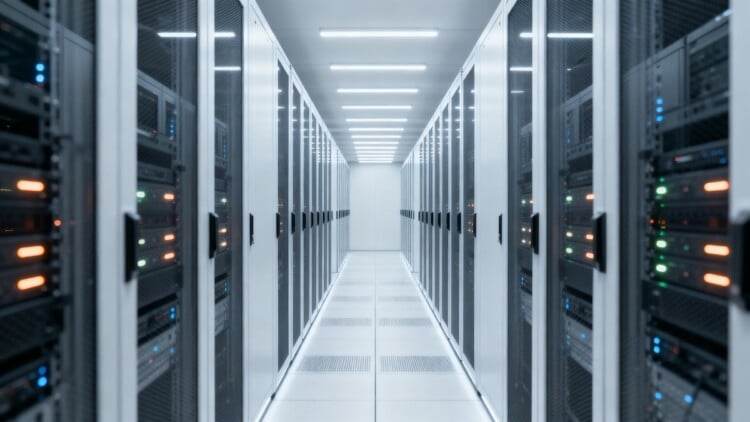
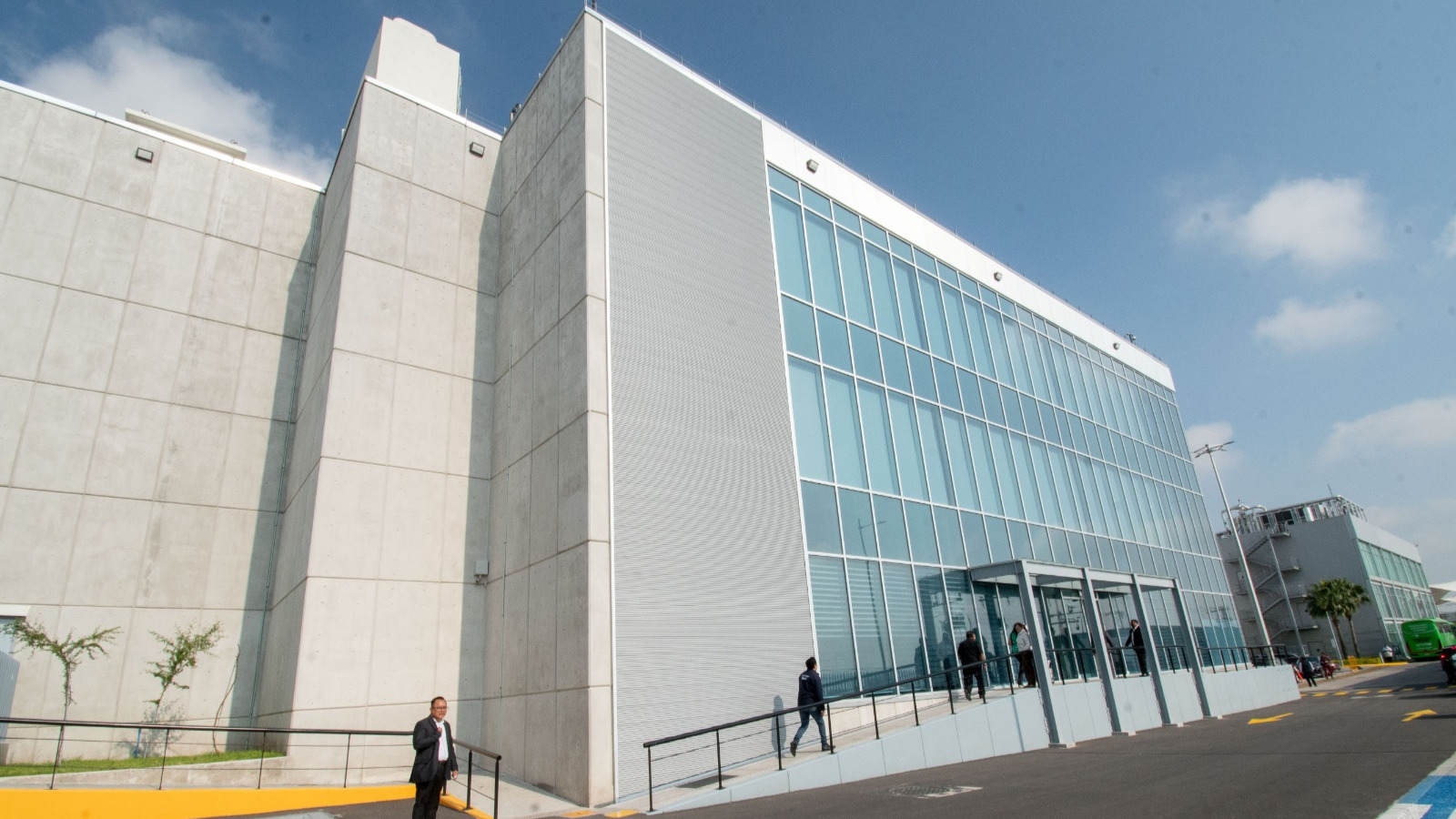
Regarding the data center business, Son revealed that the massive data center project underway in Ohio, USA — the world's largest (equivalent to 10 nuclear power plants, 10 gigawatt-class) — involves huge capital investment but is expected to generate substantial returns. They are currently exchanging "memorandums" with clients; if converted into formal contracts, it would generate very large, locked-in profits. Besides Ohio, SoftBank is also operating in Texas and France. The Stargate Project, a capital investment plan with OpenAI and U.S. Oracle to increase OpenAI's computing power, is progressing faster and on a larger scale than expected. SoftBank Group not only builds data centers for OpenAI but also provides data centers based on the needs of other hyperscale cloud service providers, expanding its own business.
Addressing the biggest bottleneck for AI infrastructure, "power supply," Son stated that subsidiary telecommunications company SoftBank has applied to become the next owner of TEPCO and remains a key candidate among several contenders. He believes Japan should build data centers but faces power shortages and cumbersome regulations, with permit applications alone taking six years. He envisions that if TEPCO joins the SoftBank Group, it could increase power supply and bring AI data centers back to Japan.
This article is compiled by Wedoany. All AI citations must indicate the source as "Wedoany". If there is any infringement or other issues, please notify us promptly, and we will modify or delete it accordingly. Email: news@wedoany.com
Related Products

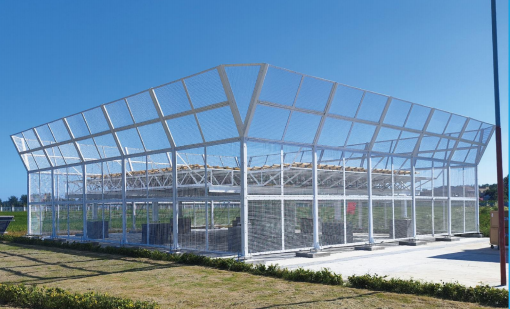
TWP16 P-Band Tropospheric Wind Profile Radar
China Huayun Meteorological Technology Group Co., Ltd.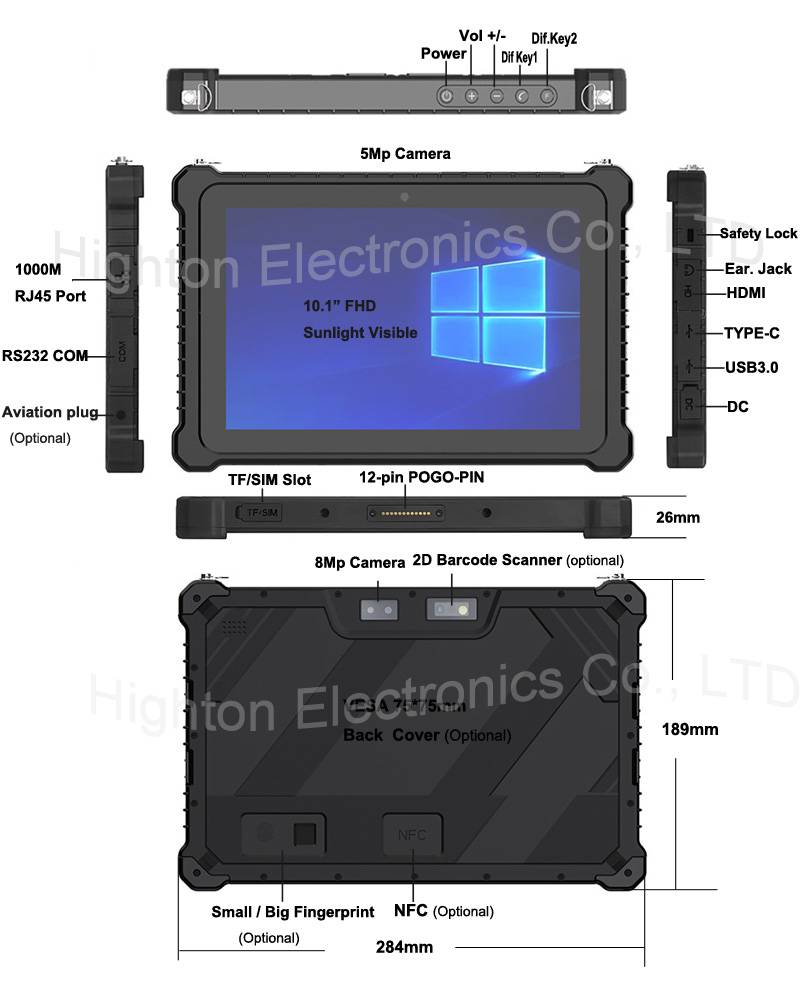
Hot Selling 10 Inch Intel N5100 I5 I7 FHD 8 +128GB 16+256GB Win10 Pro Win11 Pro 4G 5G Rugged Tablet PC Pad with NFC Barcode
Highton Electronics Co., Ltd.
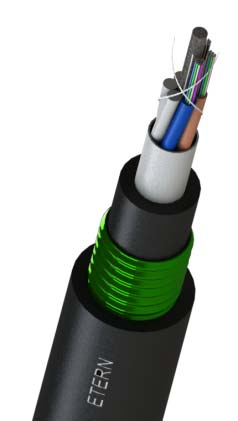
GYTA Type Non-Self-Supporting Aerial/Duct Optical Cable
TONGDING INTERCONNECTION INFORMATION CO., LTD.
Automatic Aiming Laser Remote Obstacle Removal Robot
Pinggao Group Weihai High-Voltage Apparatus Co., Ltd.

Industrial and Commercial Point-Type Gas Detector
Jinan Benan Technology Development Co., Ltd.
Multi-function Marine Monitoring Low-altitude Detection Radar Sea-air Boundary Ocean Dynamic Environment Measurement
Chengdu Dixin Technology Co., Ltd.