Nigeria's Dangote Refinery Reduces Petrol Ex-Factory Price to 1,125 Naira per Liter
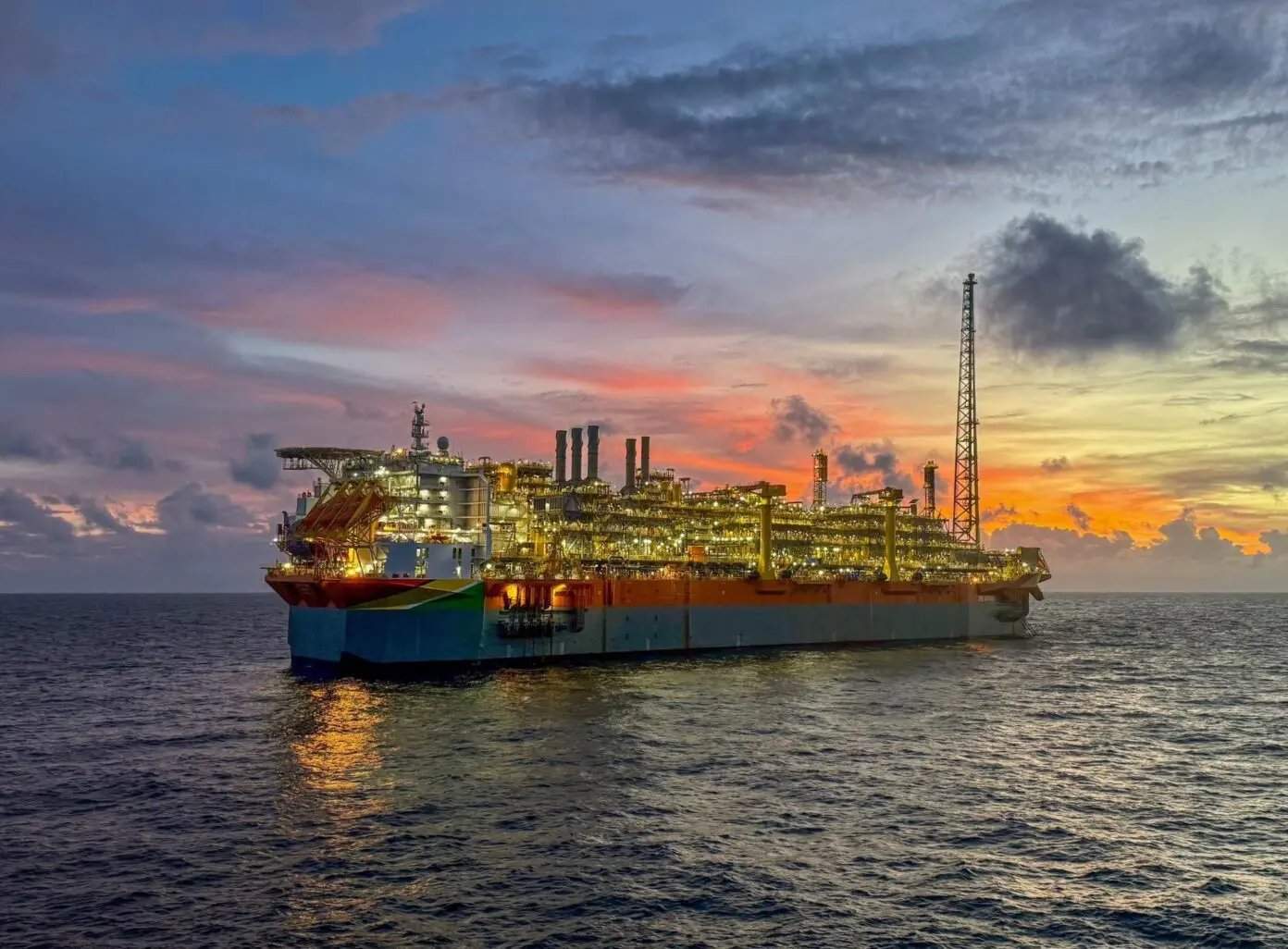
en.Wedoany.com Reported - Dangote Petroleum Refinery has announced a reduction of 50 naira per liter in its ex-factory price of petrol, citing a decline in crude oil prices following a fragile easing of tensions in the Middle East. The refinery is owned by Africa's richest man, Aliko Dangote.
Dangote Refinery stated that the new loading price took effect at midnight on Wednesday, lowering petrol from 1,175 naira to 1,125 naira per liter. The coastal supply price has also been reduced from 1,495,215 naira per metric ton to 1,428,165 naira per metric ton.
Since Nigerian President Bola Tinubu ended decades-old petrol subsidies in May 2023, retail prices have surged more than fivefold, squeezing household budgets, driving up transportation costs, and intensifying inflationary pressures. Although inflation has moderated, it remains elevated.
For street vendors, bus drivers, and households that rely on fuel for their livelihoods, the 50-naira-per-liter reduction offers only marginal savings. A bus driver in the Oshodi district of Lagos remarked, "We feel nothing. When prices rise, everything in this country goes up. When prices drop slightly, everything comes down with it."
Since beginning supply to the Nigerian domestic market in 2024, Dangote Refinery has gradually become a price setter against the backdrop of deregulation in the country's oil industry. With the state-owned oil company, Nigerian National Petroleum Company Limited (NNPC Limited), no longer serving as the sole dominant supplier, the refinery's regular price adjustment announcements have effectively constituted market signals.
This price cut comes amid progress in Middle East ceasefire negotiations, which has eased market concerns over supply disruptions and triggered a global sell-off in crude oil. At midday on Wednesday, Brent crude fell 1.46% to $72.66 per barrel, while U.S. West Texas Intermediate crude dropped 1.25% to $69.46 per barrel. Dangote Refinery stated that lower feedstock costs have created room to pass on price reductions downstream.
In a notice to customers, Dangote Refinery said it remains committed to maintaining reliable product supply and efficient service delivery.
Nigeria's inflation, driven by fuel and transportation costs, has led to a significant decline in household purchasing power. Although the naira has shown initial signs of stabilization against the U.S. dollar, food prices, which are closely linked to transportation costs, remain far above pre-deregulation levels. The Central Bank of Nigeria maintains high interest rates to curb inflation, putting pressure on businesses that rely on credit.
Analysts point out that for Dangote Refinery's price cut to translate into tangible relief for consumers, it needs to be passed down the entire supply chain, from major distributors to gas stations. However, this transmission process has historically been slow and uneven. Distributors typically absorb some of the profit margins, while independent retailers in cities far from Lagos warehouses face additional logistics costs, which often offset the nominal price reduction.
This article is compiled by Wedoany. All AI citations must indicate the source as "Wedoany". If there is any infringement or other issues, please notify us promptly, and we will modify or delete it accordingly. Email: news@wedoany.com