GlobalData says Spain's offshore wind 1-3 GW depends on licensing reform
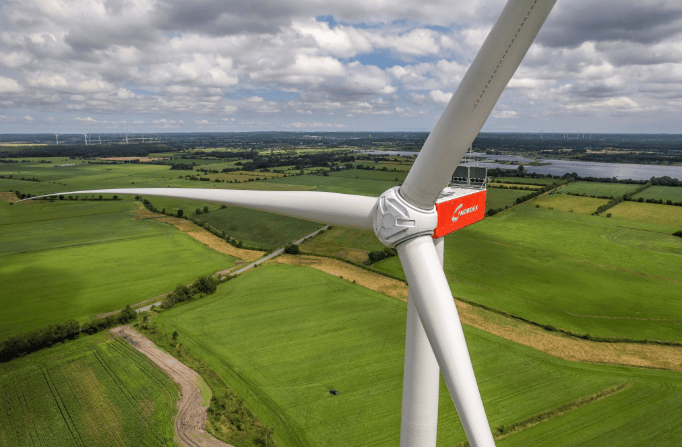
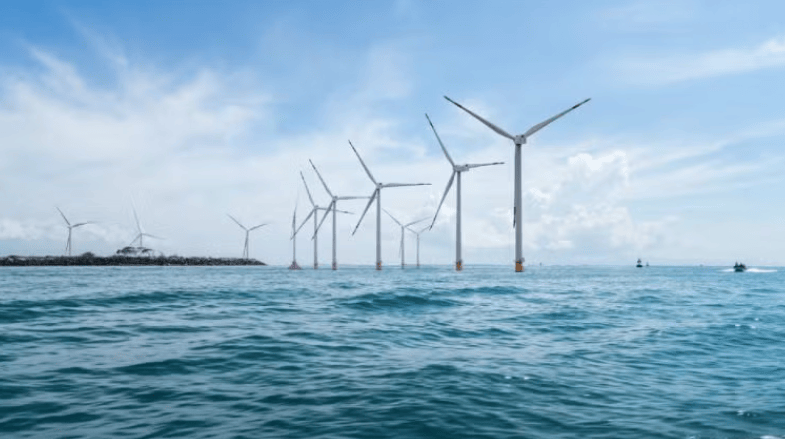
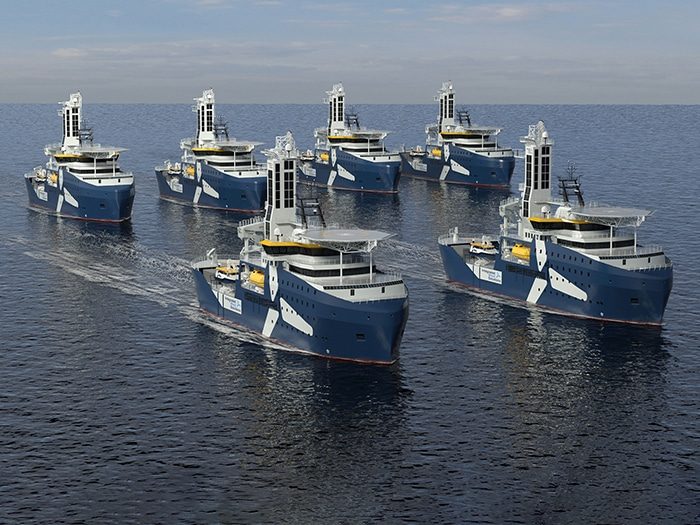
en.Wedoany.com Reported - GlobalData, a global data and analytics company, points out that the development prospects of Spain's offshore wind industry depend on the speed and efficiency of licensing and territorial planning reforms. With the regulatory framework initially established, Spain is designing its first large-scale offshore wind auction. However, whether it can achieve its offshore renewable energy targets by 2030 hinges on whether administrative procedures can shift towards a clearer and more flexible implementation path.
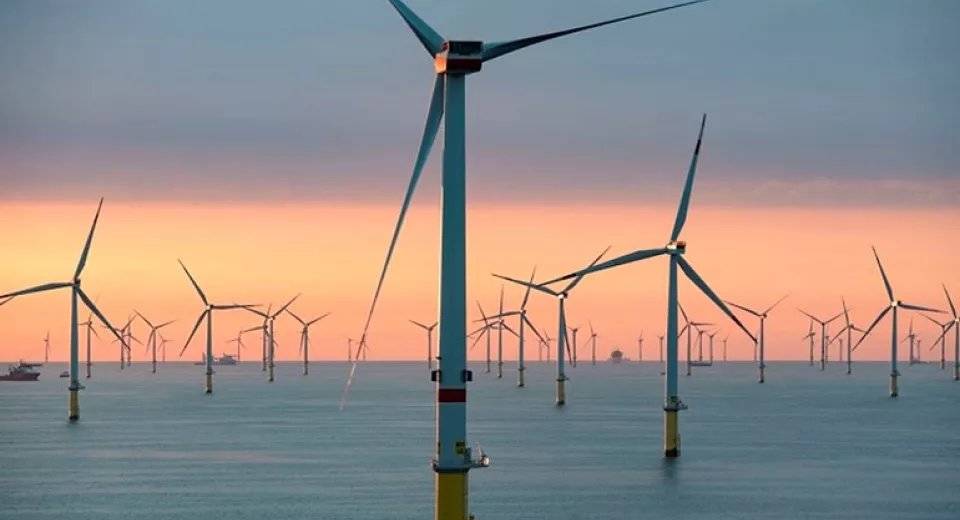
According to GlobalData's report "Spain Power Market Trends and Analysis by Capacity, Generation, Transmission, Distribution, Regulations, Key Players and Forecast to 2035," Spain has consolidated the legal framework for offshore wind through Royal Decree 962/2024, reactivated areas identified in the Marine Spatial Planning Plan (POEM), and opened a public consultation, preparing for the first competitive tender for floating offshore wind projects. However, to achieve the target of installing 1 to 3 GW of offshore wind capacity by 2030, specific issues regarding auction rules, grid access, and environmental authorization still need to be resolved as soon as possible.
Attaurrahman Ojindaram Saibasan, Energy Analyst at GlobalData, stated that Spain's offshore wind ambitions are enshrined in legislation, but investors expect applicable and transparent auction rules that guarantee grid access. Without these elements, even approved and mapped areas will struggle to form viable projects.
Subsequent regulatory progress includes: Royal Decree 962/2024 laying the foundation for offshore renewable energy and public tender procedures; Royal Decree 150/2023 approving the marine spatial planning that identifies high-potential areas; and a public consultation launched in early 2026 aimed at determining the capacity, technical standards, and environmental requirements for the first offshore wind auction. Saibasan added that new measures, such as Royal Decree 7/26, further streamline administrative procedures, facilitate facility upgrades and retrofits, and introduce renewable energy acceleration zones. If these reforms can accelerate environmental impact assessments, simplify grid access processes, and improve coordination between maritime, national, and local authorities, they will represent genuine progress.
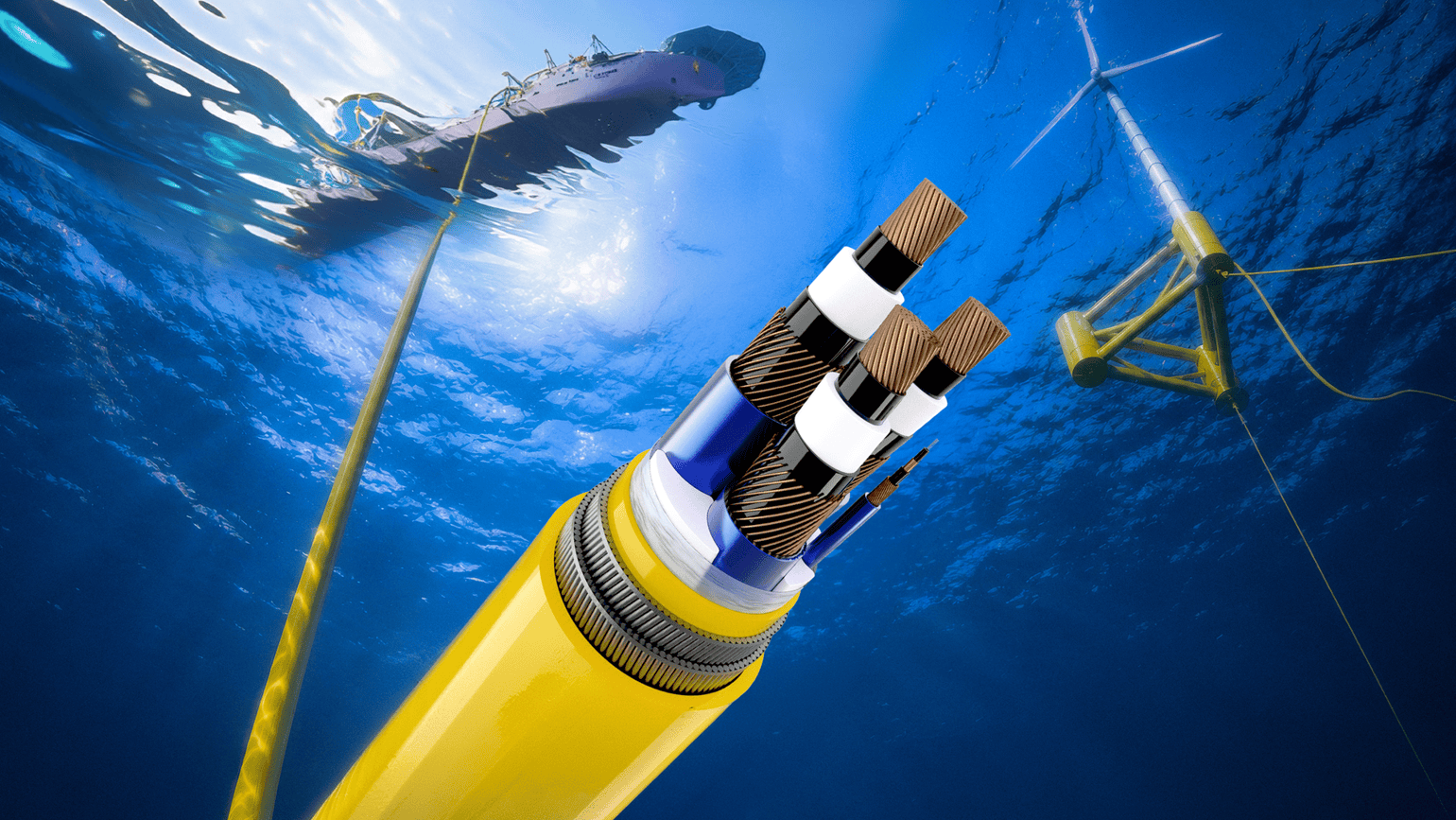
With Spain's electricity demand growth outlook and the tightening of EU climate targets, offshore wind is strategically positioned. Floating wind projects near industrial ports in Galicia, Catalonia, and the Canary Islands can provide clean electricity and are expected to create local jobs. However, geographical characteristics and potential impacts on the marine environment increase project implementation risks, requiring developers to address challenges in marine spatial planning, obtaining environmental permits, and developing the industrial supply chain. Saibasan concluded that for companies involved in offshore wind, port infrastructure, supply chains, or grid connections, the implementation of auction design, regulatory certainty, and environmental requirements over the next 12 to 18 months will determine the future direction of Spain's offshore renewable energy.
This article is compiled by Wedoany. All AI citations must indicate the source as "Wedoany". If there is any infringement or other issues, please notify us promptly, and we will modify or delete it accordingly. Email: news@wedoany.com
Related Products


Mineral-insulated Compact Busway (Fire-resistant Busduct)
Zhuhai Guangle Electric Busway Co., Ltd.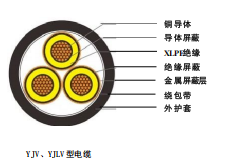
Rated Voltage 6-35kV Cross-linked Polyethylene Insulated Power Cable
TONGDING INTERCONNECTION INFORMATION CO., LTD.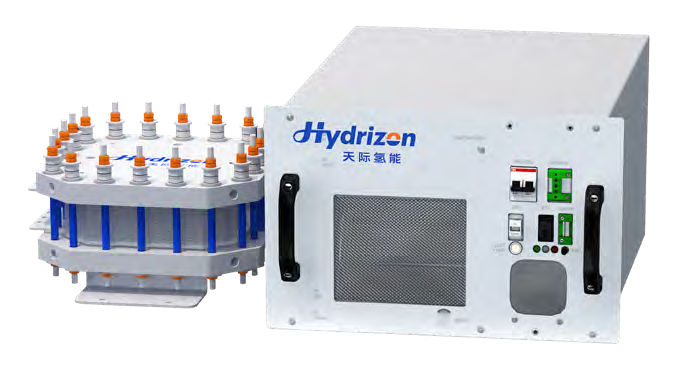
HI-Pro Green Hydrogen High-efficiency Production System-HI-PRO-AEM
Hydrizon Technology (Beijing) Co., Ltd.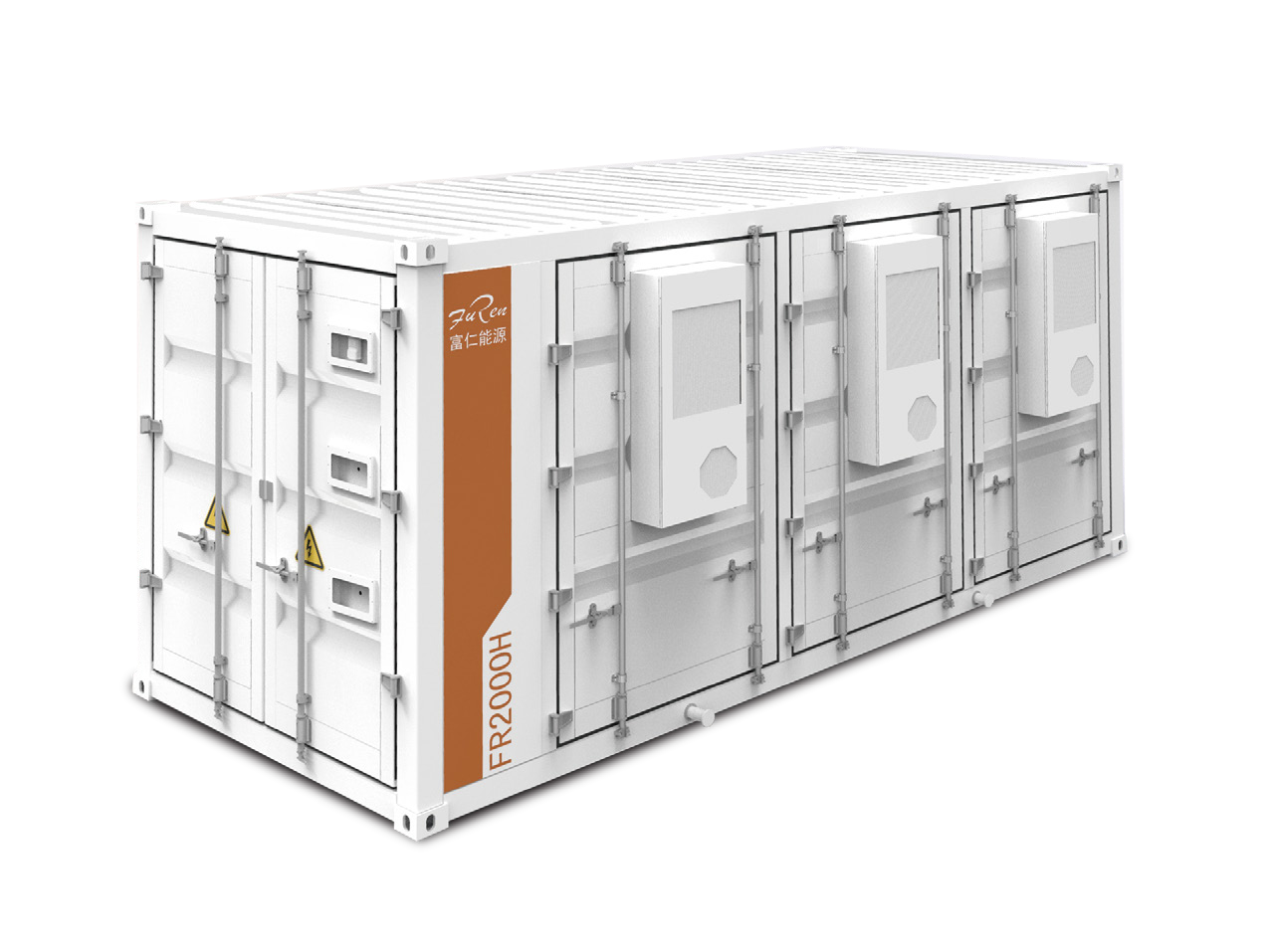
FR2000H 2.15MWh (Air-cooled) 20-foot Containerized Energy Storage System
Jiangyin Furen High-tech Co., Ltd.
Hydraulic Turbine Genset
Dongfang Electric Corporation Dongfang Electric Machinery Co., Ltd.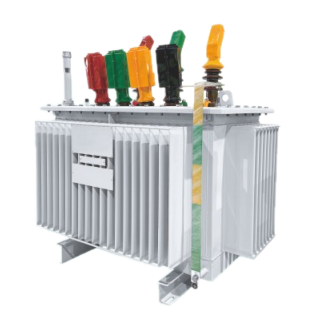
IS(B)□-M·RL Series Oil-immersed 3D Transformer (Planar / 3D Wound Core)
Guangdong Kehua Electric Power Technology Co., Ltd.
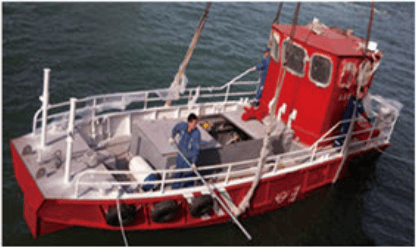
Electromagnetic Fluid Seawater Floating Oil Separation and Recover Equipment
Huate Magnet Group Co., Ltd.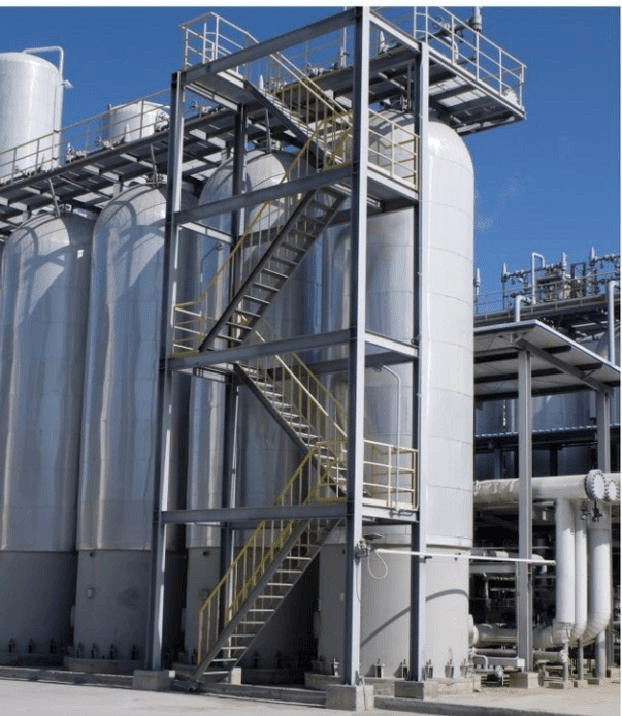
Hydrogen Production Technology: Hydrogen Purification by Pressure Swing Adsorption
Chengdu Yizhi Technology Co., Ltd.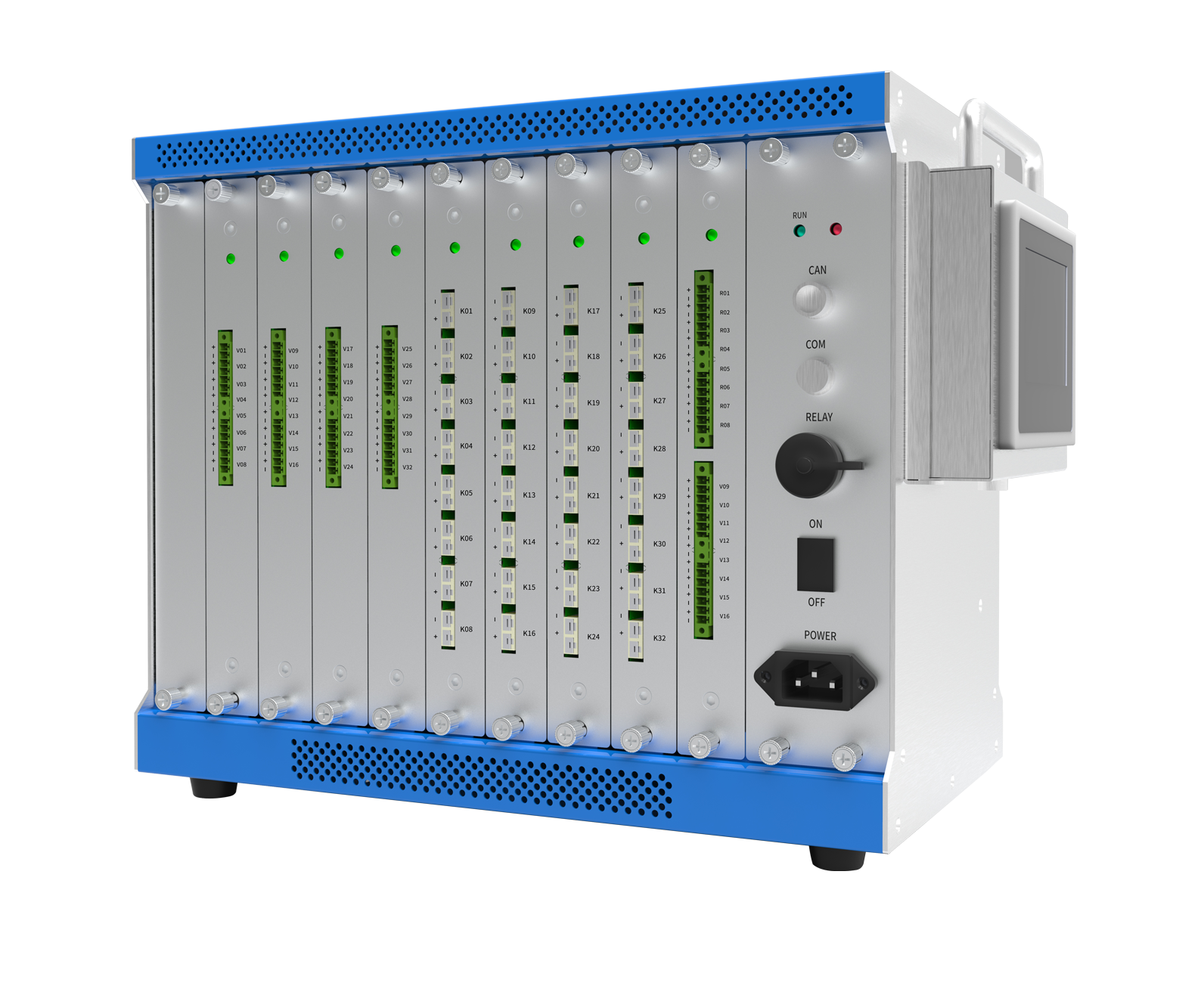
Optional Accessory - Auxiliary Sampling Module
Beijing Soaring Electric Technology Co., Ltd.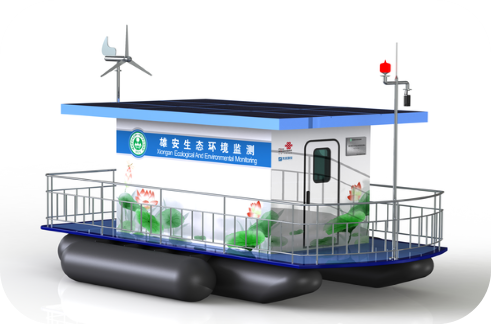
Floating Boat Water Quality Automatic Monitoring System
Hebei Sailhero Environmental Protection High-tech Co., Ltd.