China's Shaoxing Jiangbin Thermal Power Test Successful, Plant Auxiliary Power Reduced to 0.04 MW
en.Wedoany.com Reported - Shaoxing Jiangbin Thermal Power Company recently completed a test on the cascade utilization of heating steam from a radial inflow turbine generator set. During the test, the unit's maximum output reached 4.41 MW, while the main plant's auxiliary power consumption dropped to 0.04 MW, bringing the auxiliary power ratio close to zero. This achieved near self-sufficiency in operational power consumption through residual pressure power generation.
The project converts the pressure differential potential energy during the heating steam decompression process into electrical energy, which is directly supplied to the main unit, reducing the auxiliary power ratio to near zero. The power consumption for the operation of a thermal power plant typically accounts for 1% to 3% of its total power generation, and this test significantly reduced that proportion.
The company designated the "near-zero" auxiliary power project as a key annual research initiative, applying high-power, high-speed radial inflow turbine technology to waste heat power generation for the first time. The unit's drive shaft operates at a speed of 20,000 revolutions per minute, marking the first industry practice under this parameter level.
To advance the project, the company integrated multiple disciplines including operations, mechanical engineering, thermal engineering, electrical engineering, and relay protection, forming a dedicated task force. They refined operational procedures covering the entire process, including pipeline warming, turbine startup, and load adjustment. Personnel developed control plans and emergency response measures for potential risks and conducted hands-on training for all staff. During the test, the task force adopted a coordinated model of "centralized monitoring at the control panel plus real-time on-site inspections," precisely controlling parameters during critical steps such as heating control valve switching and steam source switching, while continuously monitoring indicators like vibration, shaft temperature, and oil temperature to ensure all parameters of the unit and radial inflow turbine met standards.
The project is expected to increase annual power generation by 5.4 million kWh, save approximately 1,107 tons of standard coal, and reduce carbon dioxide emissions by about 2,208 tons, providing a technical benchmark for similar units.
This article is compiled by Wedoany. All AI citations must indicate the source as "Wedoany". If there is any infringement or other issues, please notify us promptly, and we will modify or delete it accordingly. Email: news@wedoany.com
Related Products
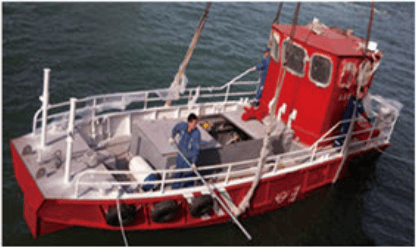

Electromagnetic Fluid Seawater Floating Oil Separation and Recover Equipment
Huate Magnet Group Co., Ltd.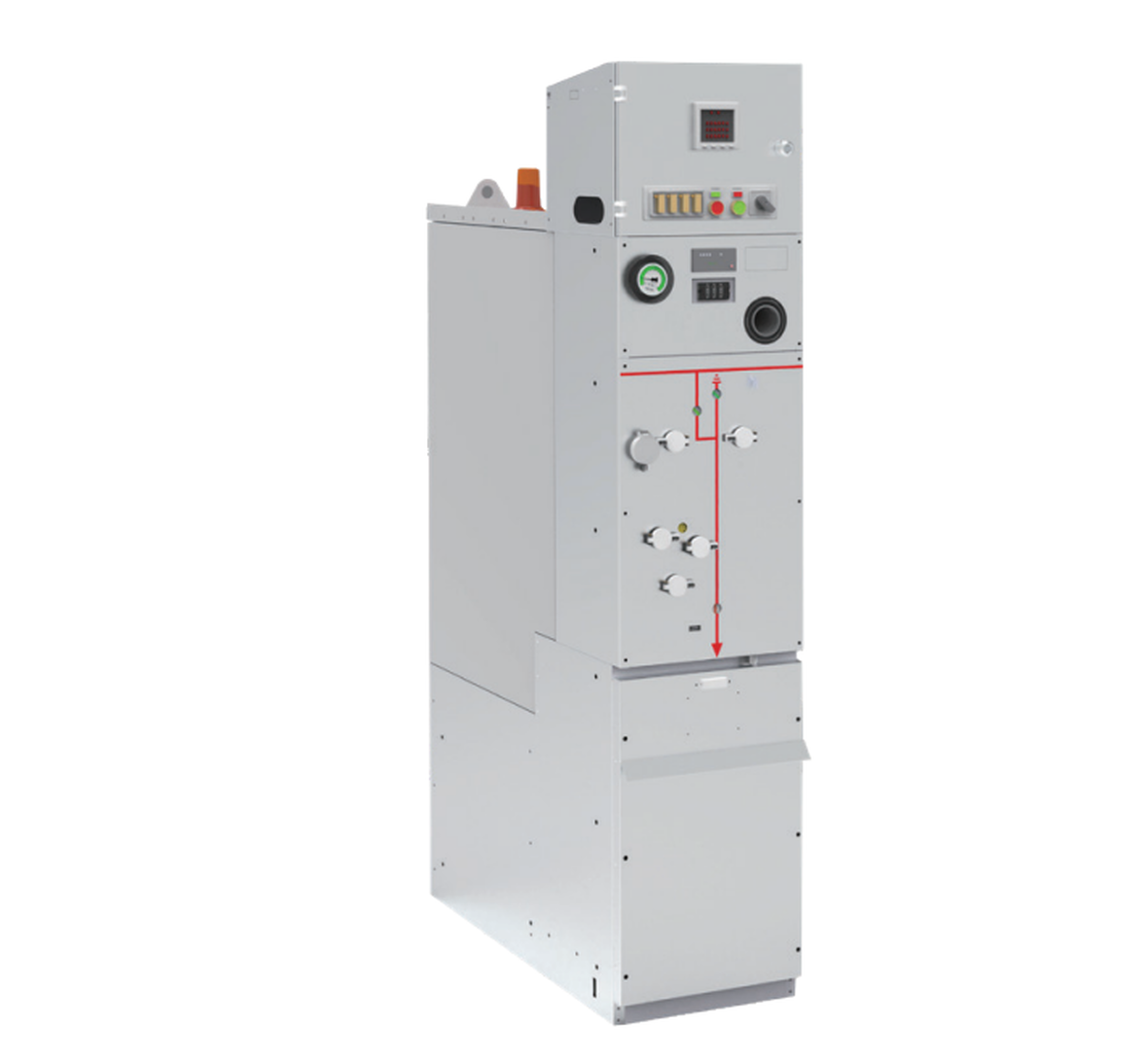
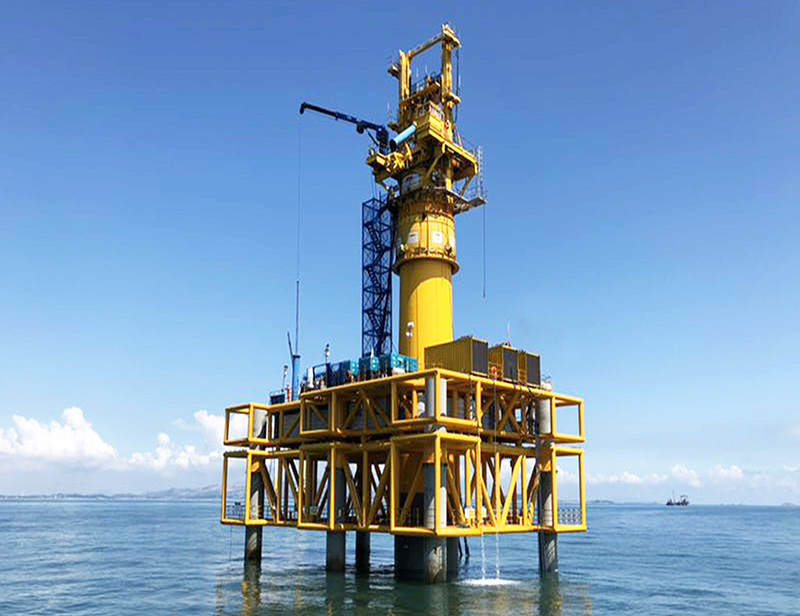
CITIC Heavy Industries Offshore Wind Power Equipment Hydraulic Pile Hammer
CITIC Heavy Industries Co., Ltd.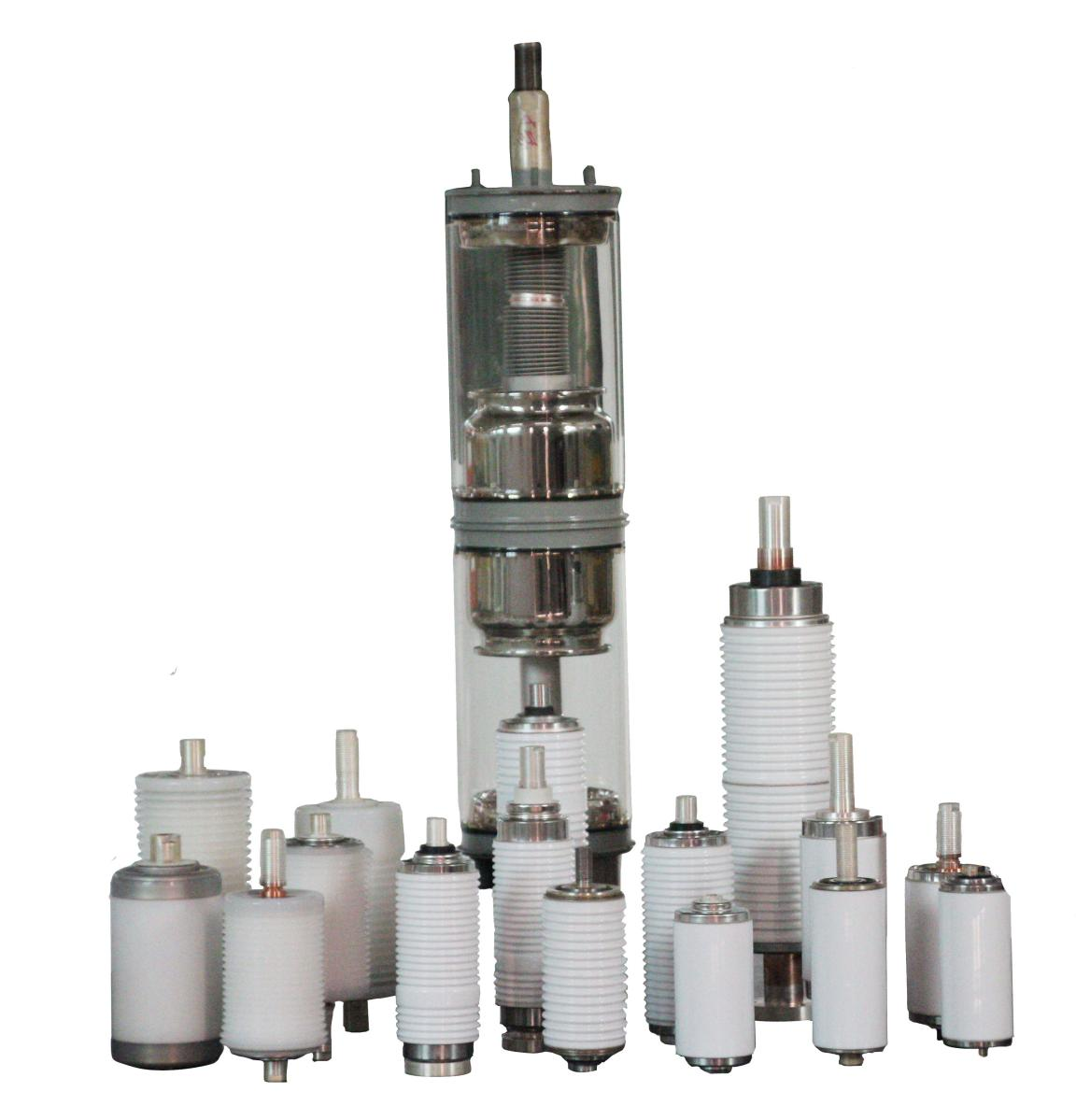
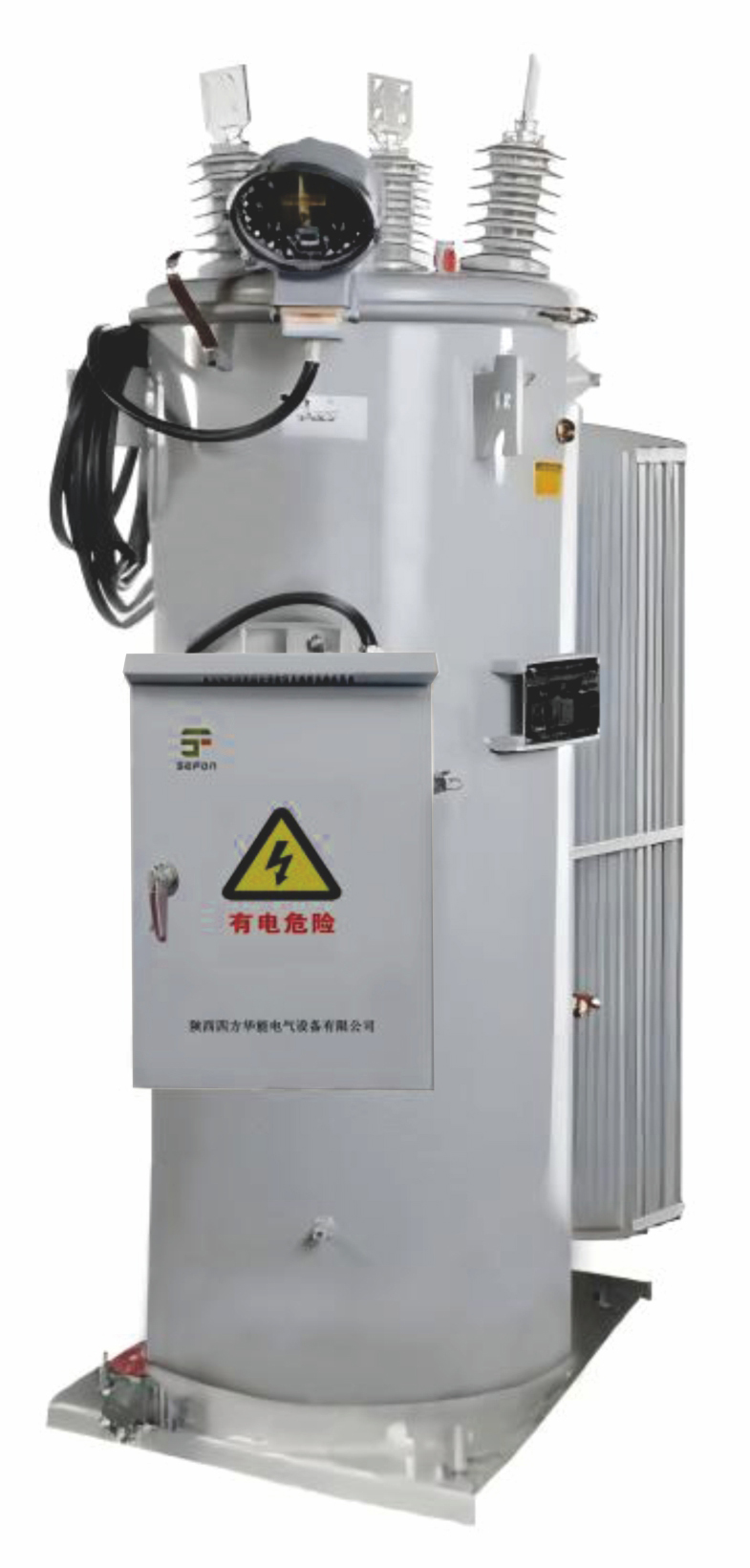
Single-Phase Automatic Voltage Regulator(AVR)
Shaanxi Sefon Electrical Equipment Co.,Ltd.
Smart Photovoltaic Prefabricated Substation
Shanghai Jinyou Jinhong Intelligent Electric Co., Ltd.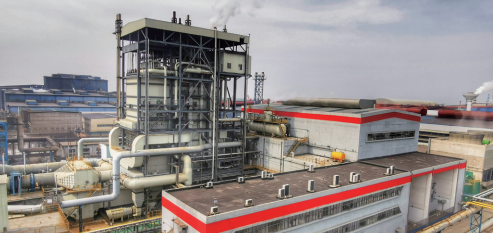
Jiujiang Pinggang 125MW Subcritical Gas Power Generation Project
Capital Engineering & Research Incorporation Limited

Forest and Grassland Heat Source Infrared Monitor
China Huayun Meteorological Technology Group Co., Ltd.