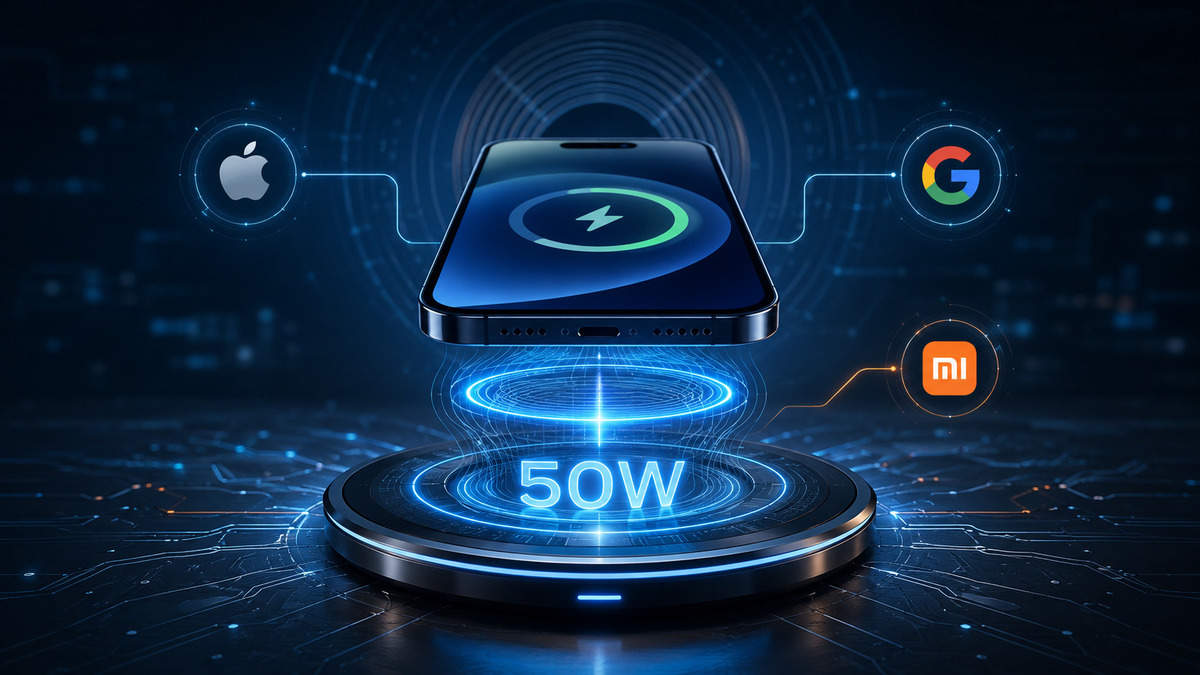
WPC Advances 50W Qi Wireless Charging Standard in Beijing, China, Set for 2028
en.Wedoany.com Reported - The Wireless Power Consortium (WPC) recently held a technical meeting at Xiaomi's headquarters in Beijing to discuss the upcoming 50W Qi wireless charging standard. Adopted by most smartphone manufacturers, this upgrade will drive advancements in wireless charging technology for nearly all brands, including iPhones and Android phones.
The meeting, held from June 22 to 25, brought together engineers from the consumer electronics industry. Representatives from Apple, Google, Huawei, Honor, OPPO, and vivo attended the meeting.
The meeting focused on the technical specifications, prototype testing, and interoperability requirements for 50W wireless charging. The Wireless Power Consortium, which manages the Qi standard, has gradually increased the supported charging ceiling in recent years. The 15W magnetic Qi2 standard became an IEC international standard at the end of 2024, followed by the introduction of a 25W specification in 2025. The consortium is now targeting the 50W standard, expected to be released in 2028.
A significant portion of the meeting centered on Xiaomi's proposed hardware architecture for the 50W standard. Xiaomi stated that the existing Qi2 coil requirements are too stringent, leading to thermal management issues, especially in foldable screen phones and in-vehicle charging pads. The company spent two years developing a low-inductance, low-voltage charging architecture to address these limitations. This design aims to reduce power loss in the coil, improve heat dissipation, and make wireless charging modules easier to integrate into modern devices. Xiaomi submitted the architecture to the Wireless Power Consortium at the end of 2024, and throughout 2025, cross-vendor testing was completed using 25W and 50W prototypes. In the first quarter of 2026, the consortium formally incorporated the architecture into the drafting process for the Qi 50W standard.
Over 20 companies participated in the four-day "Plugfest" event, allowing companies to test different charging chips, coils, and devices together before the standard was finalized to identify compatibility issues. Companies including Anker, NXP, and Southchip tested prototype hardware during the event, aiming to ensure that future 50W wireless chargers can work safely and reliably with devices from different manufacturers.
Incorporating low-inductance charging technology into the global Qi standard is a practical need for Chinese hardware manufacturers. Integrating this technology will enable their domestic supply chains to remain compatible with products sold in international markets, while also helping to prevent fragmentation of wireless charging standards across different regions.
Related Products


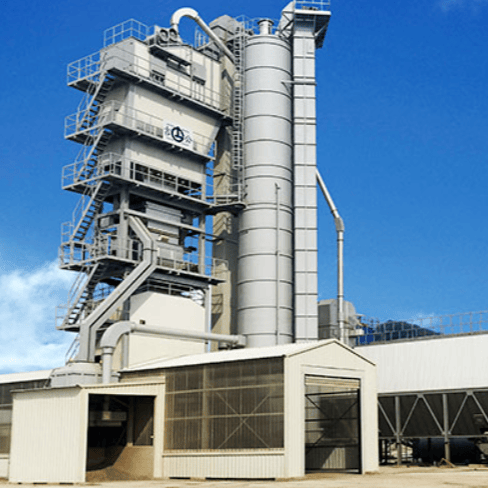
LBH4000 Batch Environmental Protection Asphalt Mixing Plant | Asphalt Batching Plant | Asphalt Mixing Plant
Jilin Province Road Construction Machinery Co., Ltd.

Pneumatic high-pressure wear-resistant ball valve
Zhejiang Deca Control Valve Meter Co., Ltd.

Industrial and Commercial Point-Type Gas Detector
Jinan Benan Technology Development Co., Ltd.
Standard Nozzle Flowmeter
Jinggong Automatic Control Instrument Complete Technology Development Company