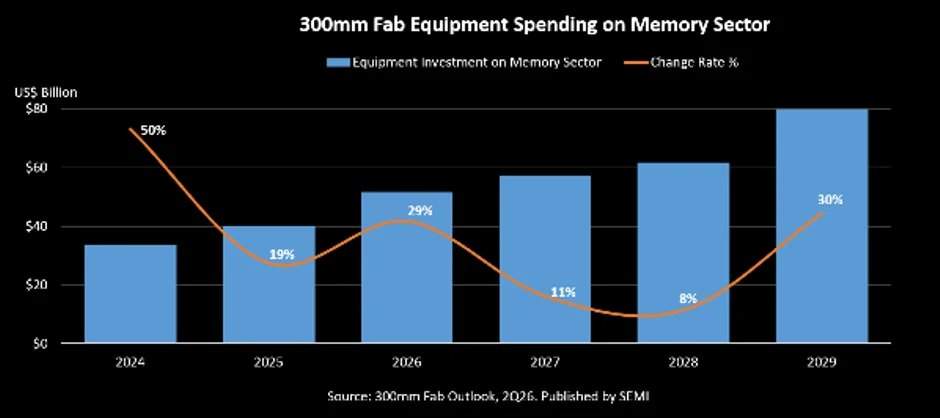
en.Wedoany.com Reported - Global investment in 300mm semiconductor manufacturing equipment for the memory segment is projected to hit a record high of $52 billion in 2026, marking the first time annual investment in this sector surpasses the $50 billion threshold.
According to the latest 2026 second-quarter edition of the "300mm Fab Outlook" released by SEMI, global 300mm memory fab equipment spending is expected to grow by 29% in 2026, reaching $52 billion. The SEMI report further forecasts that this investment will increase by another 11% to $57 billion in 2027.
This robust investment cycle reflects the semiconductor industry's concentrated efforts to expand advanced memory capacity, supporting the rapid development of artificial intelligence infrastructure, cloud computing, and high-performance computing applications. SEMI data indicates that the compound annual growth rate (CAGR) for global 300mm memory fab equipment spending from 2024 to 2029 is expected to reach 19%.
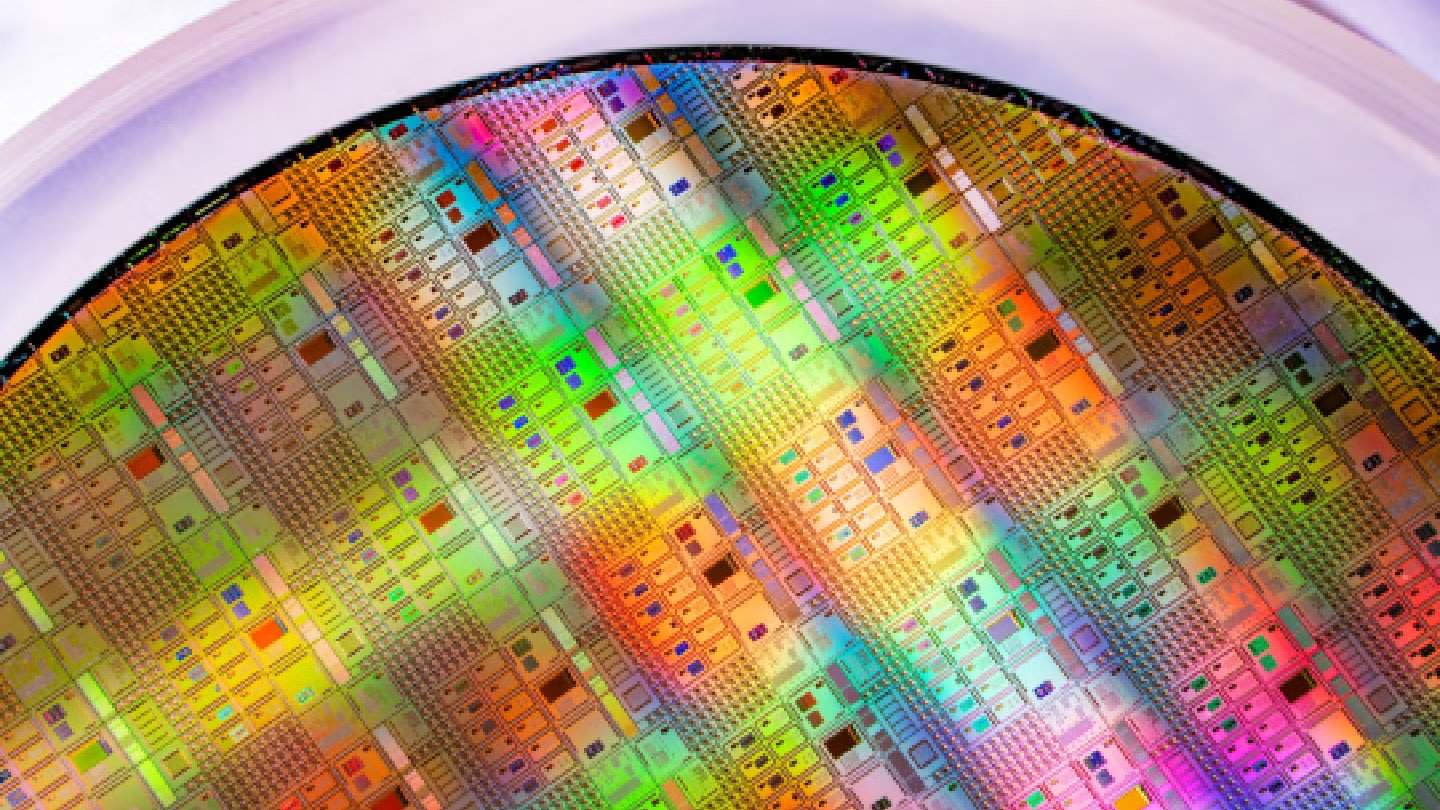
The surge in AI demand is driving an unprecedented need for high-performance memory solutions, such as high-bandwidth memory (HBM), advanced DRAM, and next-generation 3D NAND flash memory. Driven by this, global 300mm memory manufacturing capacity is projected to reach 4.1 million wafers per month in 2026, further increasing to 4.2 million wafers per month in 2027.
Ajit Manocha, President and CEO of SEMI, noted that the strong demand for HBM and other advanced memory technologies is fundamentally reshaping investment priorities across the entire semiconductor supply chain. The expanding deployment of AI infrastructure is prompting memory manufacturers to accelerate capacity investments and technology migrations to meet increasingly data-intensive application scenarios.
By segment, investment in DRAM manufacturing equipment is expected to grow by 29% in 2026, reaching $37 billion. This growth is primarily driven by robust demand for HBM and DDR5 memory from graphics processing units (GPUs) and AI accelerator platforms, which provide computational power for generative AI workloads.
Investment in 3D NAND equipment is also projected to see significant growth, increasing by 28% in 2026 to $14 billion. This increase reflects the continuously expanding demand from enterprises, hyperscale cloud providers, and AI developers for vast, high-speed storage infrastructure driven by the deployment of larger AI models.
SEMI stated that ongoing investments in advanced node DRAM, HBM, and higher-layer 3D NAND technologies are improving the global memory capacity outlook. However, effective capacity expansion remains constrained by the complexities of technology migration and manufacturing processes associated with advanced DRAM nodes, HBM integration, and the transition to higher-layer NAND.
Among major equipment suppliers, Applied Materials is expanding its manufacturing and R&D capabilities, including a $500 million expansion in Singapore and the introduction of new materials engineering systems for AI chips, advanced DRAM, HBM, and advanced packaging. Lam Research continues to invest in advanced DRAM, HBM, and 3D NAND equipment, expanding technologies that support higher-layer NAND and advanced memory scaling. Tokyo Electron is increasing investments in AI-driven semiconductor manufacturing solutions, focusing on advanced DRAM, HBM, and next-generation NAND processes. KLA has expanded its portfolio of inspection and metrology systems for HBM, advanced DRAM, and 3D NAND manufacturing. ASML continues to increase shipments of advanced extreme ultraviolet (EUV) lithography systems for leading-edge DRAM and HBM production. ASM International has strengthened its atomic layer deposition (ALD) and epitaxy product portfolios, which are becoming increasingly critical for advanced DRAM scaling, HBM manufacturing, and next-generation memory devices.
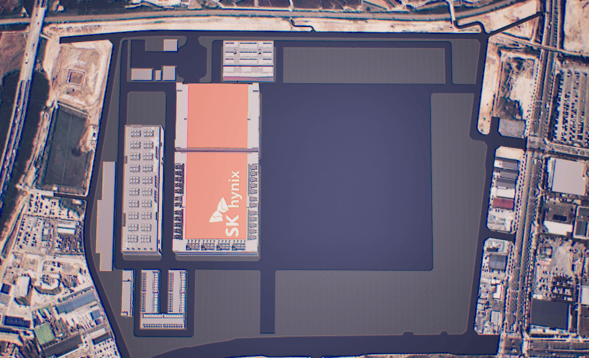
The current wave of investment is primarily led by the world's largest DRAM and NAND manufacturers. Samsung Electronics, the world's largest memory chip producer, is heavily investing in expanding advanced DRAM, HBM, and 3D NAND manufacturing, and plans to build two new semiconductor fabrication plants as part of South Korea's 800 trillion won (approximately $518 billion) national semiconductor ecosystem initiative aimed at supporting AI-driven chip production. SK Hynix is expanding production of HBM4, advanced DRAM, and AI memory technologies, and plans to build two new manufacturing facilities under South Korea's semiconductor expansion plan. Micron Technology expects capital expenditure of approximately $10 billion in 2026 to expand HBM production and advanced DRAM capacity, has signed long-term supply agreements worth $22 billion with 16 strategic customers, and continues to expand its manufacturing operations in the United States and Singapore. Kioxia continues to invest in next-generation BiCS 3D NAND technology and advanced 300mm production lines. Western Digital is investing according to its NAND technology roadmap to address enterprise SSD and AI storage demands. As part of China's semiconductor self-sufficiency strategy, Yangtze Memory Technologies (YMTC) continues to expand domestic 3D NAND production.