Montreal, Canada Tests WeDesign+ AI Tool to Assist Public Space Planning
en.Wedoany.com Reported - A study tested the use of an AI tool called WeDesign+ in public space and housing consultations in Montreal, Canada. The results showed that the tool helps residents express their needs more intuitively, but its value is highly dependent on the method of use; if guided improperly, it may also obscure real issues.
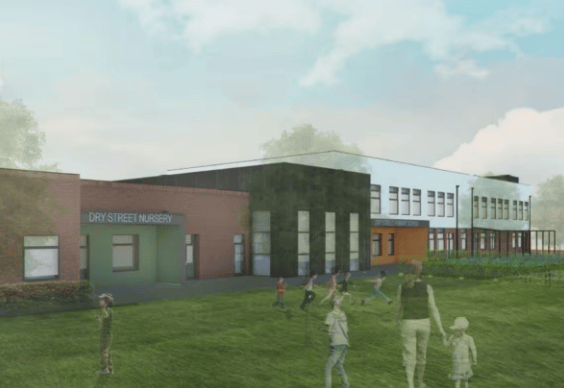
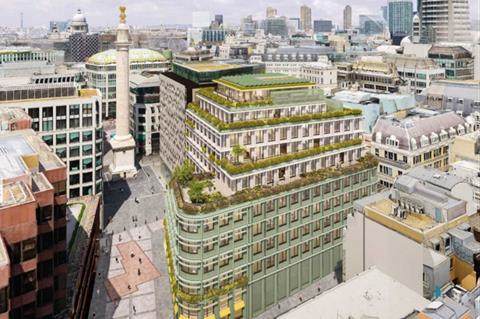
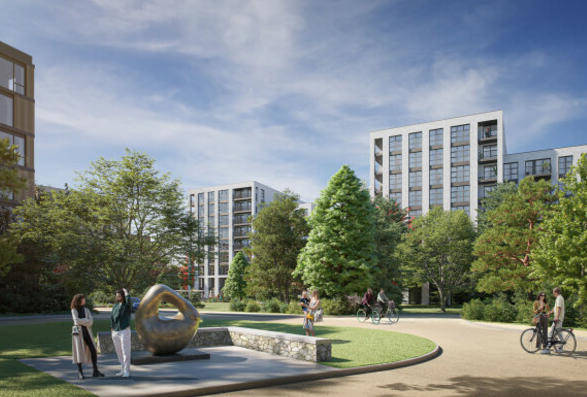
Public consultation is a crucial source of legitimacy for urban decision-making. The planning of parks, social housing, street renovations, or former industrial sites involves not only design but also public funds, public health, land value, daily mobility, climate resilience, and community belonging. The research team used the WeDesign+ tool in public space and housing consultations in Montreal. The tool allows users to describe a location in everyday language and quickly generates multiple AI images for discussion, rejection, or refinement. This provides residents with concrete content to respond to before decisions are finalized, bringing local knowledge and lived experience into the discussion earlier.
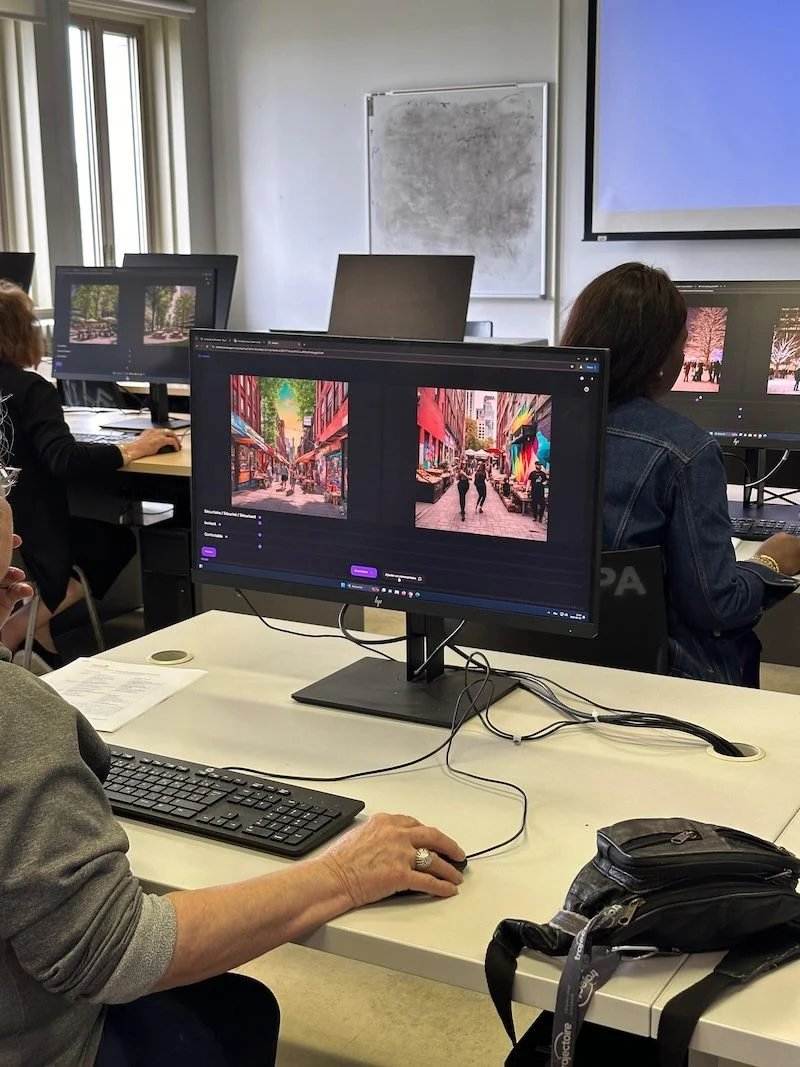
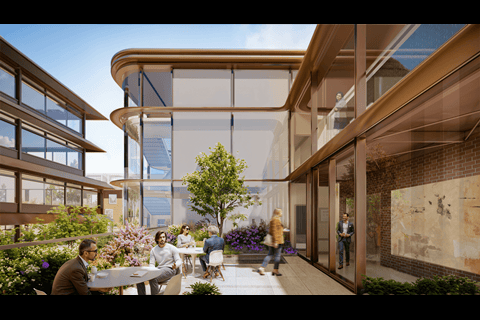
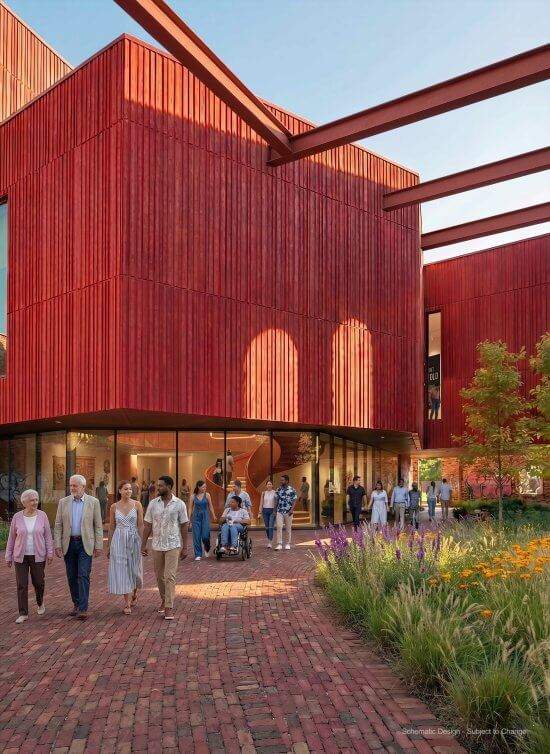
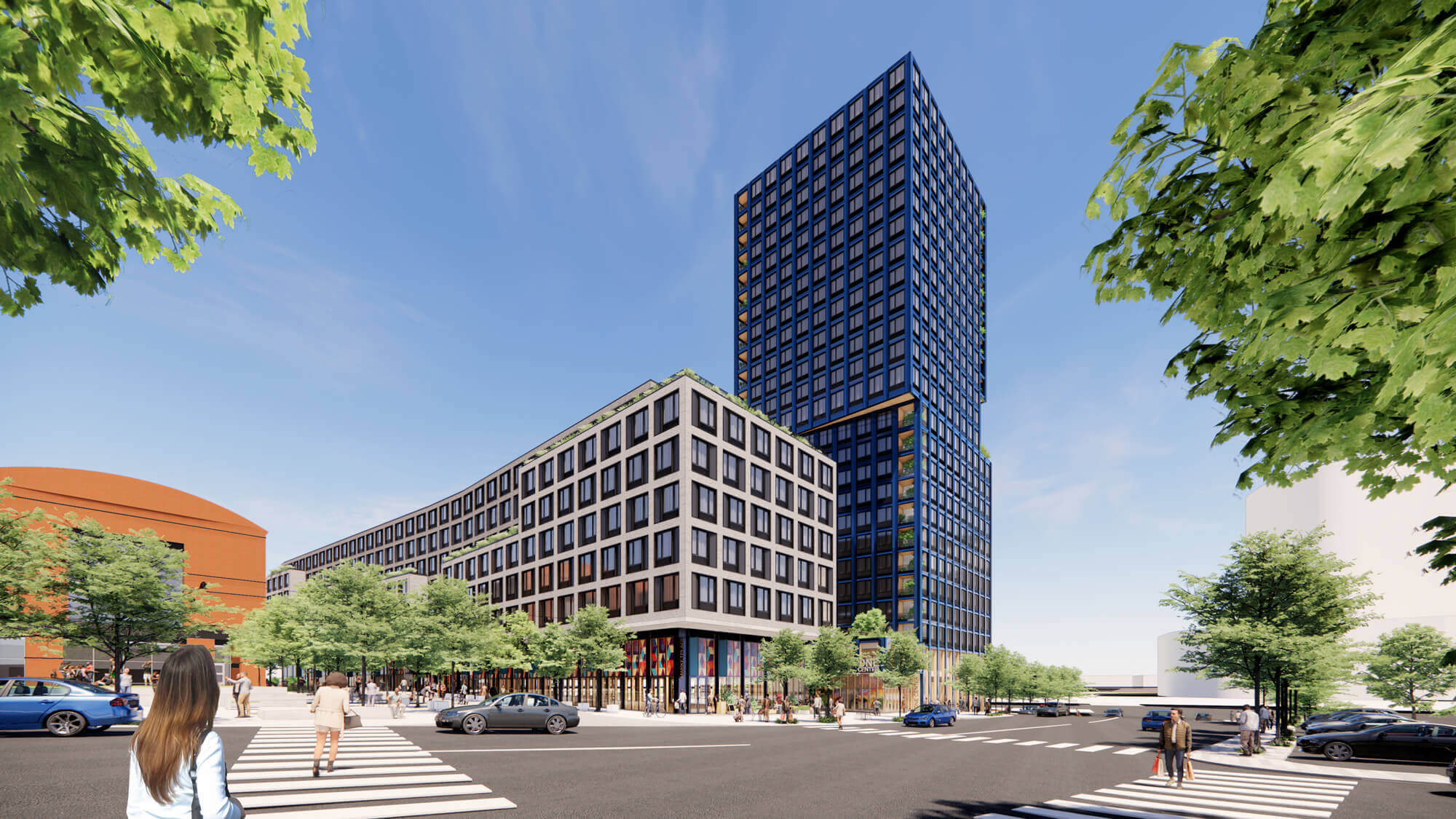
One test case was the Victoria Précision site in Montreal's Sainte-Marie neighborhood, a former industrial property. Community organizations are exploring the possibility of converting the site into social housing. Residents used the tool to co-construct a vision to mobilize support and persuade decision-makers. In another workshop, participants described a park with benches, flat ground, strollers, a fountain, and a Montreal backdrop, and the AI generated multiple scenes. These images were not final design proposals but starting points for discussion. Participants could question whether paths were continuous, whether strollers or wheelchairs could pass, whether bench placements were reasonable, and whether the scenes had local characteristics. The exercise also revealed AI's limitations, such as images often containing unrealistic details or overlooking local features.
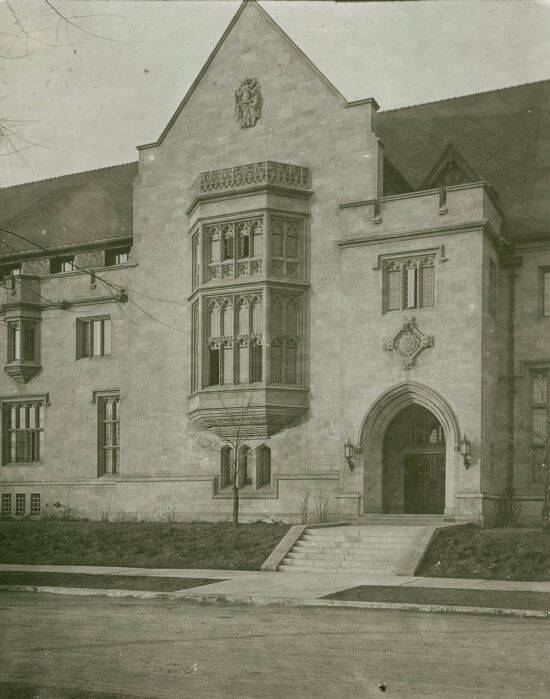
When the prompt changed from a green space "along" a pedestrian street to "within" the pedestrian street, the images changed accordingly. This shift in wording made a planning issue visible: whether the greenery is on the side of the road or part of the street itself. Sometimes the most useful images were those that were visually poor. When AI generated taller buildings on the former industrial site, residents could more easily express that they did not want towers there; when the model generated ordinary mid-rise buildings, residents could point out the lack of local brick walls, external staircases, industrial memories, street art, and other textures unique to the Sainte-Marie community.
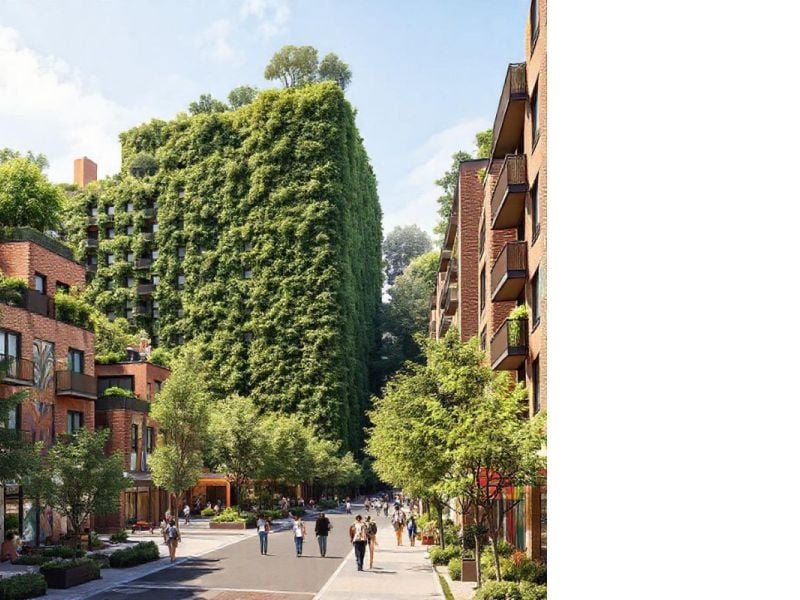
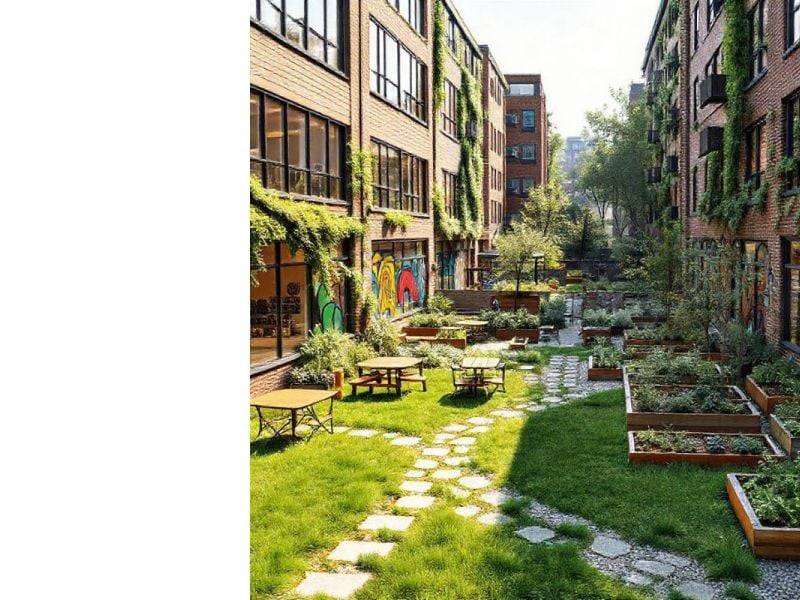
The study also highlighted multiple risks. Prompt input becomes a new barrier: the tool lowers the requirement for drawing but introduces the need to describe scenes in a language the model can understand. Cultural references and everyday expressions of French-speaking residents performed better in English models; while translation can improve images, it also subtly alters residents' intentions. AI often makes inclusion appear easier than it is: a wheelchair in an image does not mean accessibility, a diverse crowd does not mean inclusion, and a shaded courtyard does not guarantee shade, maintenance, winter use, or safety. Polished images can overpromise: realistic lighting, lush trees, and smiling people can make early ideas appear funded and feasible, which is dangerous in public planning and may allow institutions to claim "consultation" while ignoring actual comments and disagreements.
The research team emphasized that images themselves are not evidence; the real evidence is the documentation surrounding the images—residents' original words, translation records, generated alternatives, reasons people accepted or rejected parts of an image, unresolved concerns, and the actual scope of the consultation's impact. Cities face difficult choices about land, with vacant buildings, unused lots, and former industrial sites often becoming flashpoints for disputes over housing, parks, climate adaptation, and community identity. If used properly, AI tools can help residents express needs before developer renderings or city plans narrow options; if used improperly, they may broaden participation on the surface while actually giving more power to those with the best prompts or the largest screens.
For city governments, AI consultation should not be used as a standalone online exercise but combined with face-to-face outreach, trusted community organizations, honorariums, accessibility support, and multilingual guidance. Retain residents' original language before rewriting prompts, show multiple images rather than one, ask about problems with each image, and document rejected examples. Build tools that allow people to circle, annotate, and comment on parts of an image, not just vote. Review each image against real-world standards—accessibility, safety, comfort, welcome, inclusion, and local identity—and label them as conceptual and non-binding. Bring comments and warnings into reports, design briefs, and funding discussions. AI cannot fix weak consultation, nor can it create trust where none exists, but it can make useful interventions in the messy space between residents' lived experience and planning technical drawings. The future of public consultation should not be AI-generated but community-led, using AI carefully to make ideas visible, contestable, and accountable.
Related Products



Industrial and Commercial Point-Type Gas Detector
Jinan Benan Technology Development Co., Ltd.
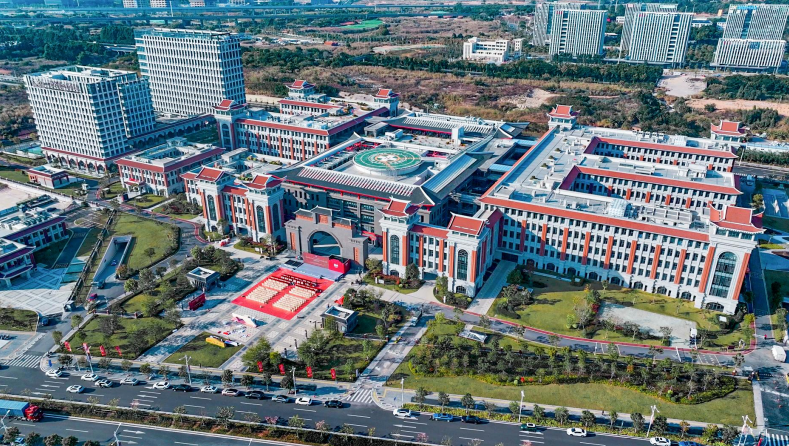
West China Xiamen Hospital of Sichuan University
Wuhan Huakang Century Clean Technology Co., Ltd.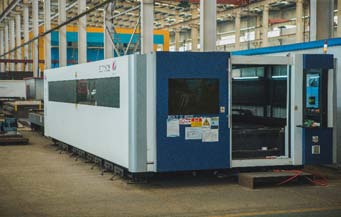

Aoxuan Intelligent Precision Air Conditioning Unit
SHANGHAI AOXUAN PURIFICATION TECHNOLOGY CO., LTD.