en.Wedoany.com Reported - Energy North, an Australian renewable energy and digital infrastructure developer, has submitted "Project Ares" to the Australian Environment Protection and Biodiversity Conservation Act (EPBC Act), planning to build a 1GW hyperscale data center campus, supported by a 16GWh battery energy storage system (BESS) and approximately 3,000MWp of solar photovoltaic generation.
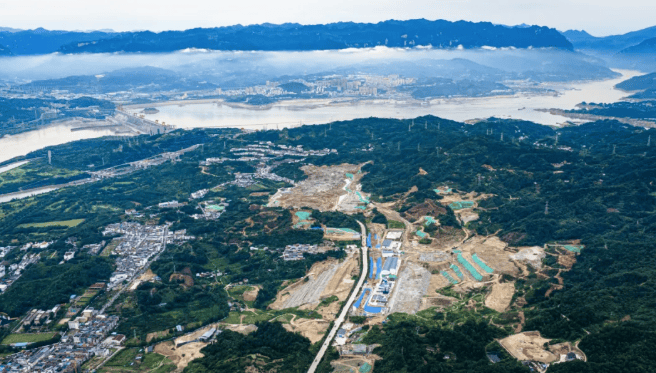
The project is located at Murranji Station in the Barkly region of the Northern Territory (NT), approximately 683 kilometers south of Darwin. The data center campus will provide a total of 1GW of information technology (IT) capacity across two phases, with Phase 1 targeting approximately 500MW. The entire facility will operate off-grid, drawing no power from the NT electricity grid, and is designed to meet Tier III availability standards, which require stable power supply and fully independent backup generation sources.
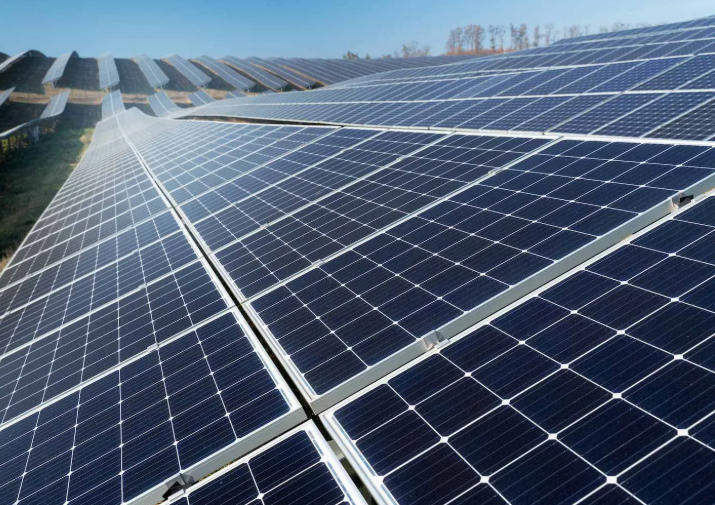
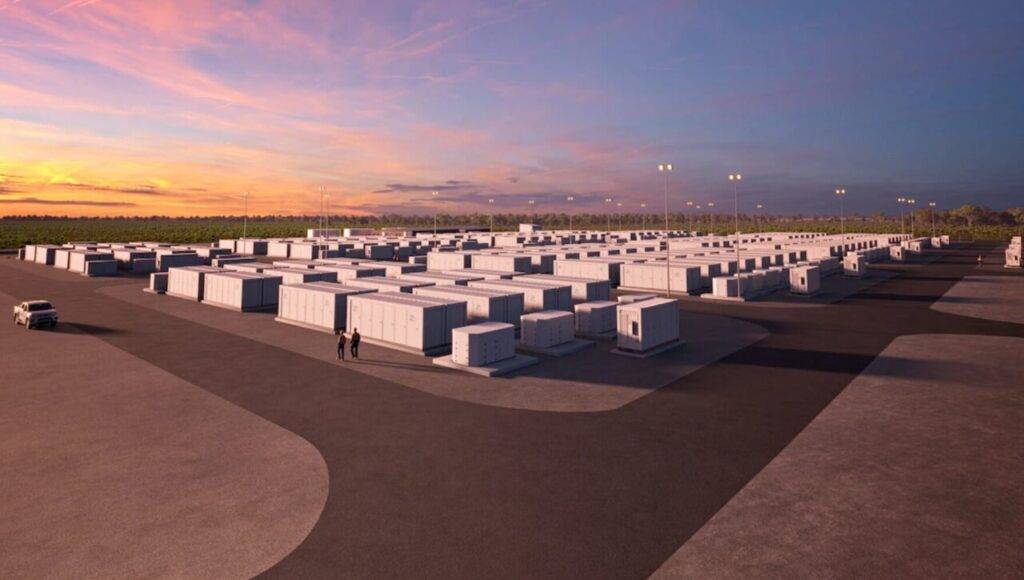
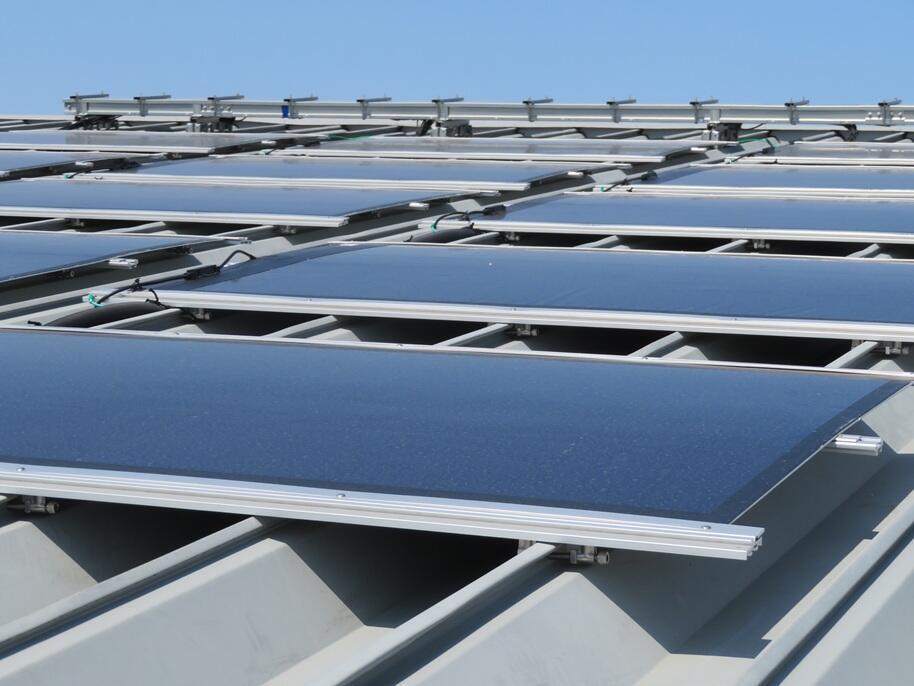
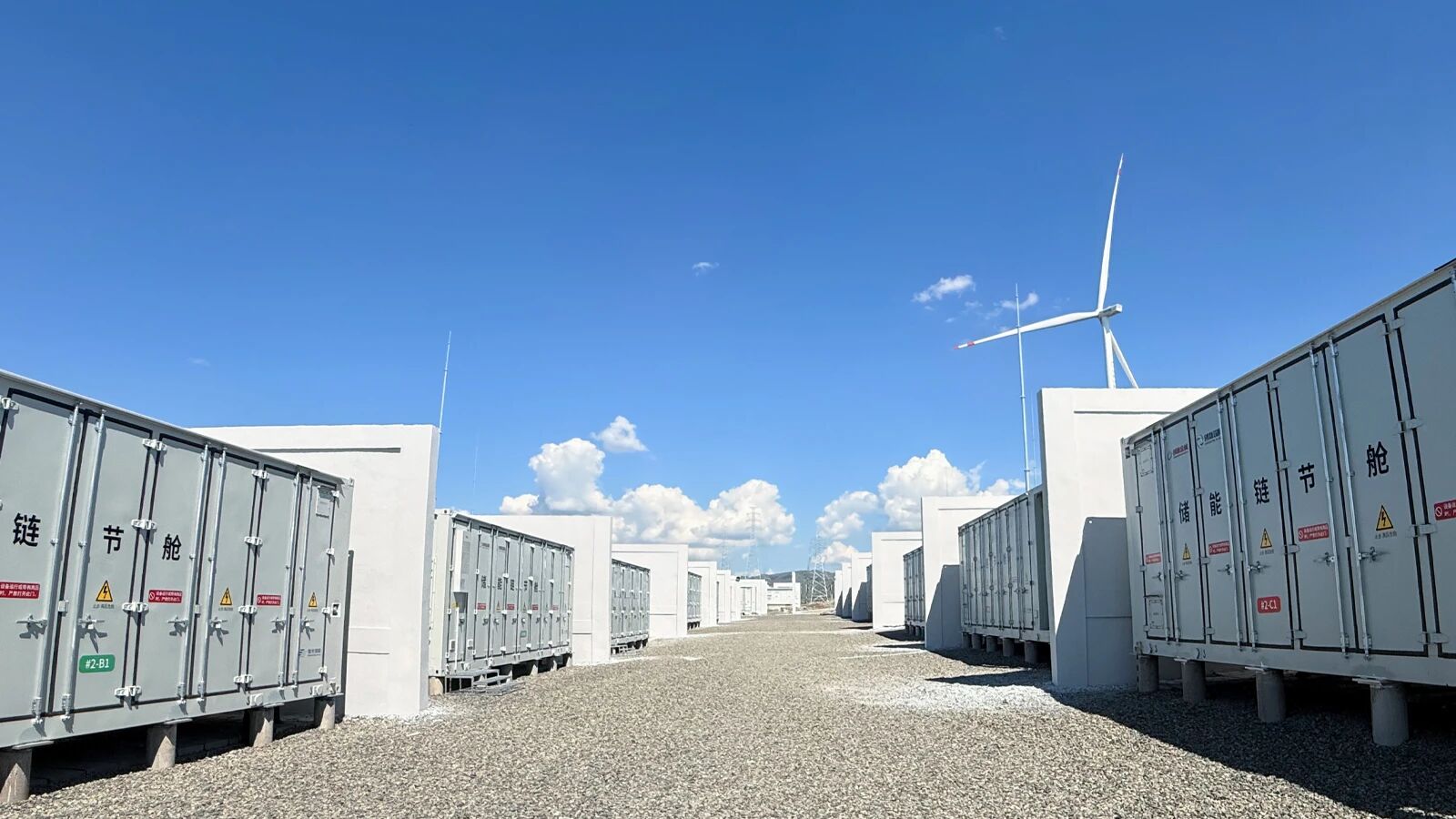
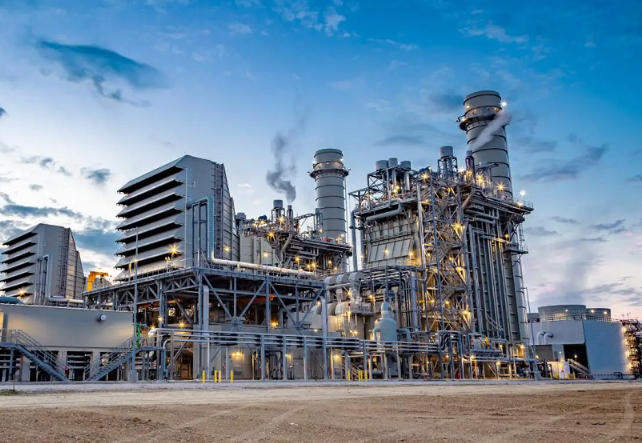
The power architecture supporting the campus consists of three components. The solar photovoltaic array uses bifacial single-axis tracking modules, achieving approximately 3,000MWp of capacity across 6,000 to 7,000 hectares when fully built. The accompanying BESS has a capacity of approximately 16GWh, with power output undisclosed. Approximately 1,038MW of gas-fired generation will provide baseload power and backup capacity, with the gas infrastructure designed to be hydrogen-ready, indicating a planned phase-out of fossil fuel backup as green hydrogen becomes commercially viable.
The overall power architecture described in the proposal is designed to transition to renewable energy operations over time, aligning with the Australian Government's National Data Centre Expectations released in March 2026, which require new data centers to invest in new renewable energy generation concurrent with construction. The project area covers approximately 186,000 hectares within Murranji Station, which holds a perpetual pastoral lease. The Preliminary Disturbance Envelope is approximately 19,150 hectares, a conservative maximum footprint that will be optimized through front-end engineering and design, targeted surveys, and traditional owner engagement. The data center campus itself will occupy approximately 90 hectares when fully built.
The site requires groundwater extraction from the Montejinni Limestone Aquifer in the Wiso Basin, with steady-state operational demand conservatively estimated at approximately 4 gigalitres per year. Supporting infrastructure includes approximately 65 to 70 kilometers of internal road network, a rail siding connecting to the Tarcoola to Darwin Railway, a 2,000-meter sealed runway, a worker accommodation village for up to 4,300 peak construction personnel, and fiber optic telecommunications infrastructure within the project area.
Energy North is also developing a separate green ammonia production and export project, "Project Sol," at the same site, but the two projects are described as independent and each viable on its own. The scale of the proposed BESS reflects the power quality requirements of AI-optimized hyperscale data centers. As noted by Wärtsilä in an analysis published in Energy-Storage.news, AI data centers require battery storage to smooth demand fluctuations and avoid grid instability, as the rapid and unpredictable power consumption of large GPU clusters requires fast-response energy storage that diesel generators cannot provide. Project Ares addresses this by fully decoupling the data center from the grid, making the BESS the primary mechanism for maintaining power continuity between solar generation and data center load.
The off-grid "solar + storage + gas" architecture of Project Ares also represents a different approach to data center energy challenges compared to the grid-connected model dominating investment decisions in New South Wales and Victoria. In those states, the debate centers on ensuring that data centers bring new generation rather than consuming existing grid capacity. Indeed, Fluence recently discussed how Australia's data center boom could be transformed into a grid growth story if projects are structured to add net new renewable generation. However, in major data center hubs, grid connection queues exceed four years in some places, creating a commercial incentive to explore off-grid alternatives.
The regulatory environment for data center energy consumption is also evolving rapidly. Fire and Rescue NSW has issued a position statement requiring 240-minute fire-rated building structures for lithium-ion battery rooms in data centers, citing the unknown fire behavior of battery systems installed in enclosed compartments as a significant risk factor. As an off-grid facility in a remote pastoral area, Project Ares will face a different regulatory environment than urban New South Wales data centers, but the fire safety engineering requirements for a 16GWh battery energy storage system operating in an isolated location without access to municipal fire services are likely to be a key consideration in the environmental impact assessment.