Brazil's Lightsweet Boosts Overall Equipment Efficiency to 90% with MES System, Daily Output Up 43%
en.Wedoany.com Reported - Brazilian liquid sweetener producer Lightsweet has implemented a Manufacturing Execution System (MES) on its main filling line, increasing Overall Equipment Efficiency (OEE) from 60% to 65% up to 90%, and raising daily output per shift from 30,000 units to 43,000 units. Through the MES MOCX Strategy OEE platform provided by MOCX, the company transformed previously manual production data records into real-time operational information, enabling the detection of micro-stops and accelerating operational response times.
With 36 years of operation in the health food sector, Lightsweet's product portfolio includes sweeteners, sachet products, desserts, and food service lines, totaling nearly 200 items. Its factory is located in Marialva, Paraná, covering a total area of 10,000 square meters, of which 7,000 square meters are dedicated to production. The line where the MES was implemented handles all of the company's liquid sweetener filling, is approximately 25 meters long, operated by four people, and is one of the most automated lines in the factory, accounting for about 35% of total plant output.
Previously, the company's industrial control processes relied heavily on manual records. Production orders, downtime, and loss information were first recorded in spreadsheets and then transferred into the system, preventing real-time reading of line performance and delaying the team's response to operational deviations. Lightsweet's Industrial Manager, Rogério Gama, stated that manually recording production orders and downtime information was a major pain point in production.
After implementing the MOCX system, the production line began automatically monitoring machine status, product types, output, downtime, and micro-stops. Gama noted that now 100% of the information can be seen in real-time, unlike the aggregated data operators provided at the end of the day. Online data is transmitted directly from the production line to Production Control and Planning (PCP), maintenance, and quality departments, allowing everyone to immediately see non-conformities. The PCP department can track production order completion times, the maintenance department can intervene more precisely in recurring faults, and the quality department digitally records key steps such as startups and batch changes.
Operational benefits from the project include: information that previously took 1 to 2 hours to compile is now available instantly, daily time lost due to operational response delays has been reduced by 3 hours and 40 minutes, and fault response time has decreased by 75%. Micro-stops are expected to be reduced by 8% to 12%. According to MOCX, each percentage point increase in OEE corresponds to a financial gain of approximately 17,167 Brazilian reais; overall, the same equipment generates an additional approximately 177,000 Brazilian reais per month without requiring new equipment investment. Broader savings and operational gain potential exceeds 3 million Brazilian reais per month. Edner Junior, General Manager of MOCX Engenharia, stated that the project accurately demonstrates where industrial companies are losing money, representing not just a technical project but a transformation in industrial management.
During implementation, the team showed no significant resistance, although there was an initial perception of monitoring as a surveillance tool. Lightsweet's communication strategy emphasized that the goal was to improve productivity, quality, food safety, and occupational safety. Gama concluded that the line has now achieved 100% transparency.
Related Products
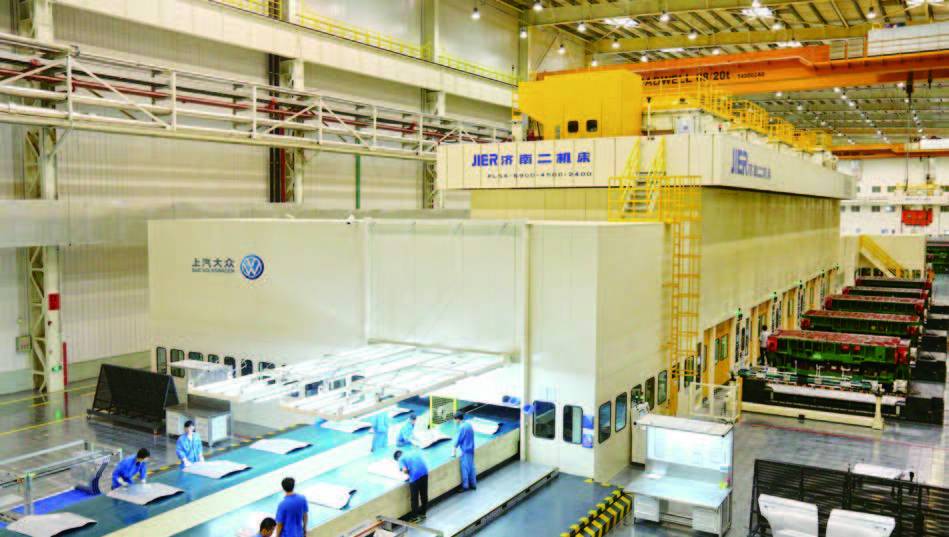

High-Speed Flexible Fully Automatic Stamping Production Line
JIER Machine-Tool Group Co., Ltd.
CAP1400 main feedwater flow nozzle flowmeter.
Jiangsu Hongda Instrument Technology Co., LTD.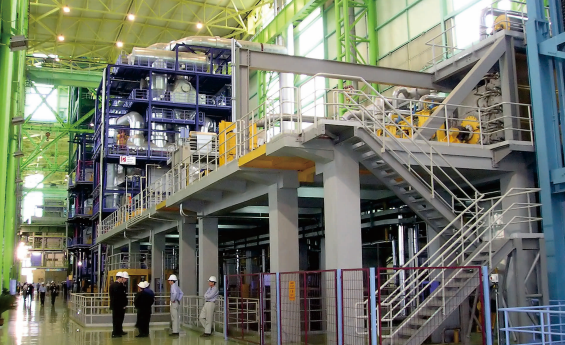
Strip Coating and Plating Production Line Equipment
MCC-SFRE HEAVY INDUSTRY EQUIPMENT CO., LTD.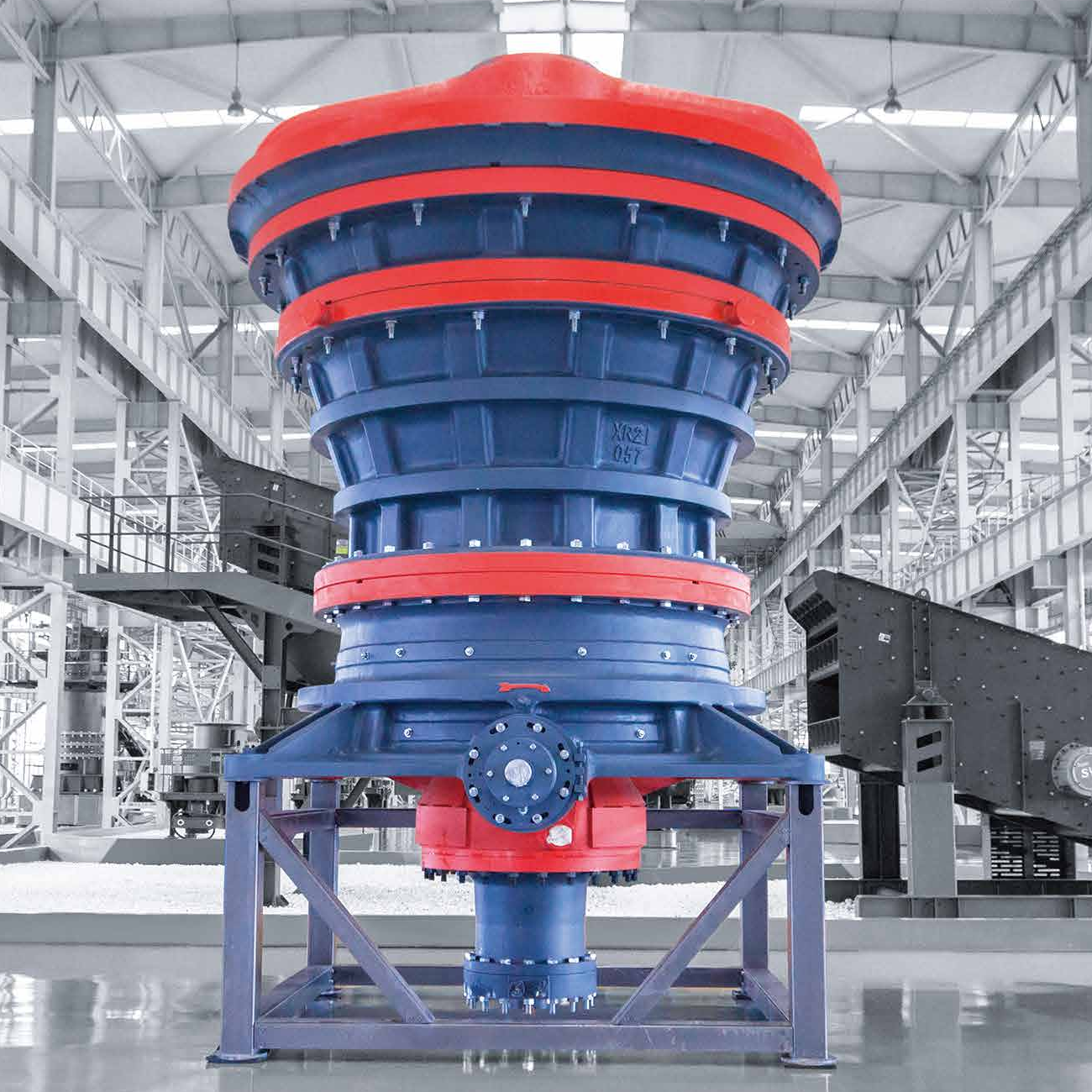
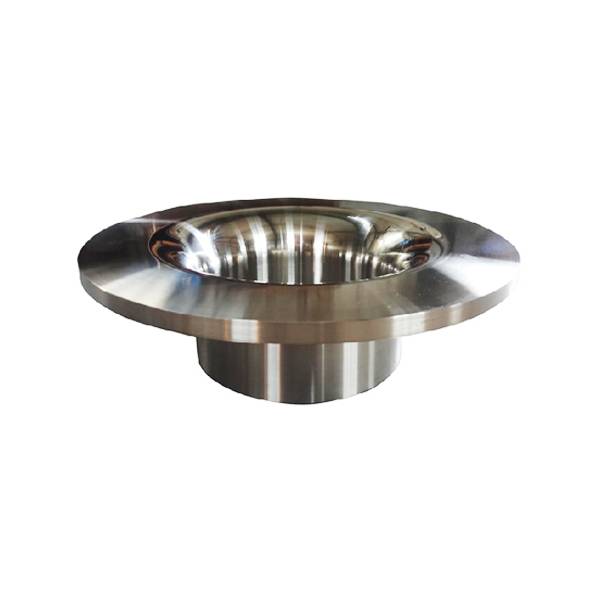
Standard Nozzle Flowmeter
Jinggong Automatic Control Instrument Complete Technology Development Company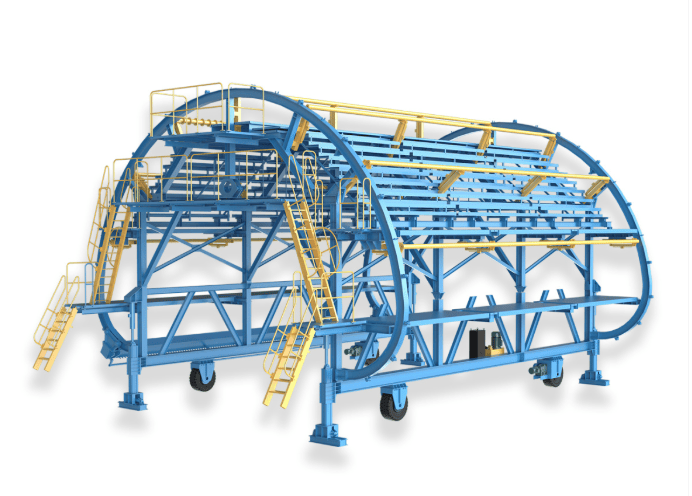
QLZNGJ Intelligent Steel Reinforcement Trolley
Luoyang China Railway Qiangli Machinery Co., Ltd.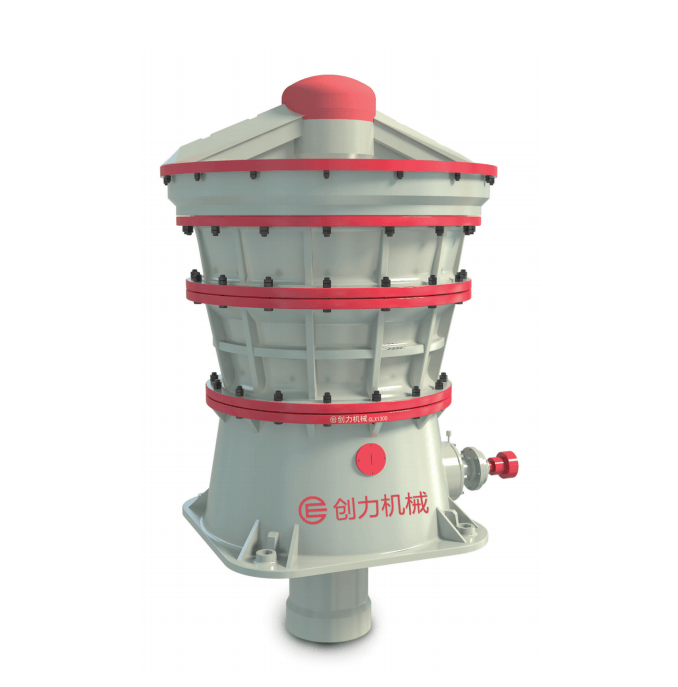
CLX Series Intelligent Hydraulic Gyratory Crusher
Guangdong CHUANGLI intelligent machinery Equipment Co., LTD
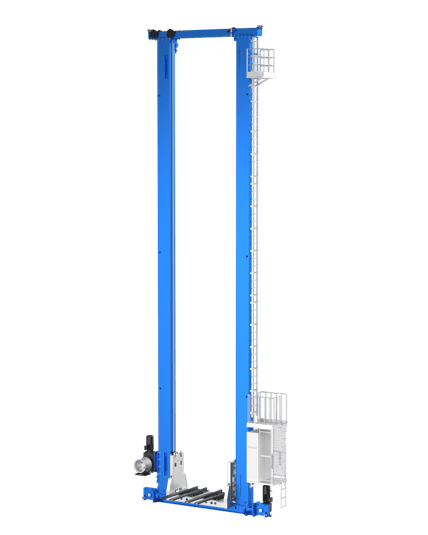
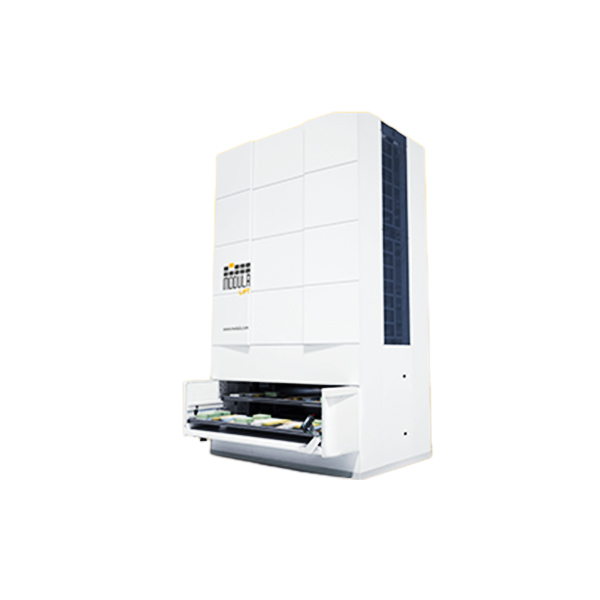
Pallet Solutions Product Line: HD3000 Double-Column Stacker Crane
Zhongding Intelligent (Wuxi) Technology Co., Ltd.