ComEd Approved to Launch Virtual Power Plant Project in Illinois, USA in 2027
en.Wedoany.com Reported - Commonwealth Edison (ComEd) has received approval from the Illinois Commerce Commission (ICC) to launch its Scheduled Dispatch Virtual Power Plant (SDVPP) project as planned in 2027.
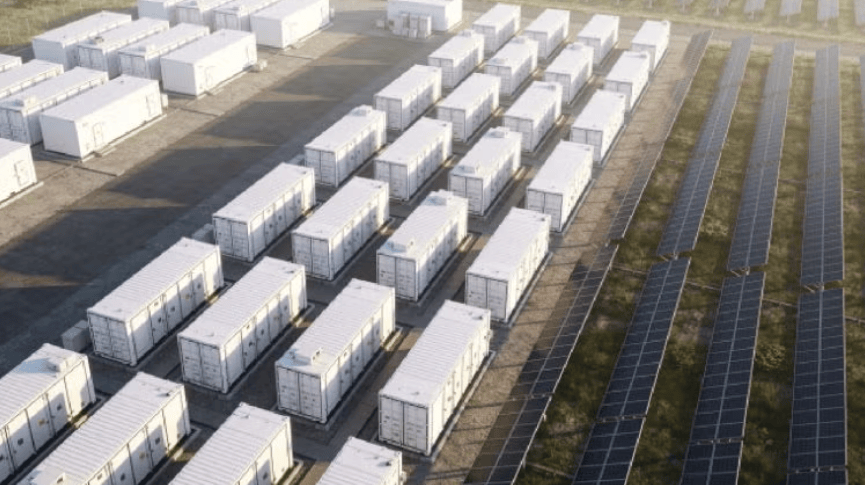
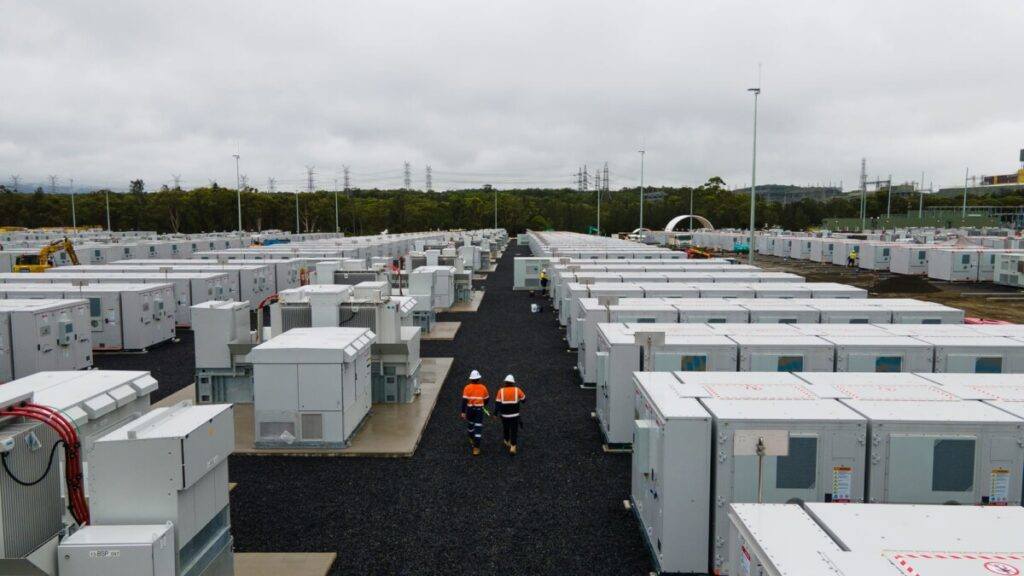
The virtual power plant project is developed under the state's Clean and Reliable Grid Affordability Act (CRGA), with the core goal of adding battery storage facilities, primarily residential energy storage, in northern Illinois to alleviate the growing operational pressure on the grid and support power supply reliability and affordability.
Andrew Plenge, Vice President of Strategy and Energy Policy at ComEd, stated that the company is committed to advancing innovative solutions to strengthen the grid while helping customers manage energy use and costs more effectively. He noted that the scheduled dispatch virtual power plant project can unlock the potential of customer-side energy resources, making the grid more resilient during peak demand periods and allowing customers to gain additional value by providing support when supply costs rise.
Against the backdrop of accelerated electrification, data center growth, and frequent severe weather, the risk of grid strain in Illinois and the Chicago area is particularly prominent among Midwestern states, making virtual power plants a key option for power-stressed regions.
According to ComEd's plan, the SDVPP project is currently advancing within the framework of the state's renewable energy policy and is expected to incorporate other distributed energy resources, such as electric vehicles, by 2029 to expand the virtual power plant's functionality. Will Kenworthy, Midwest Regulatory Director at Vote Solar, stated that the project aligns with the legislative intent of the Clean and Reliable Grid Affordability Act, enabling rapid integration of distributed energy resources into the grid, rewarding customers for sharing stored energy during peak demand periods, and reducing system-wide customer costs.
The virtual power plant is part of ComEd's series of grid health initiatives. In recent years, the company has issued over $2.5 billion in energy efficiency incentives and integrated more than 1.8 gigawatts of distributed energy resources.
Related Products

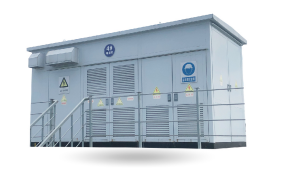
Smart Photovoltaic Prefabricated Substation
Shanghai Jinyou Jinhong Intelligent Electric Co., Ltd.

Industrial and Commercial Point-Type Gas Detector
Jinan Benan Technology Development Co., Ltd.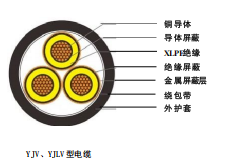
Rated Voltage 6-35kV Cross-linked Polyethylene Insulated Power Cable
TONGDING INTERCONNECTION INFORMATION CO., LTD.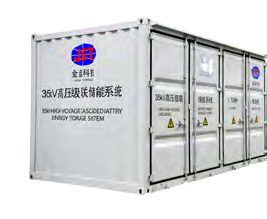
6kV-35kV Medium and High Voltage Direct-Connected Energy Storage System
Hainan Jinpan Smart Technology Co., Ltd.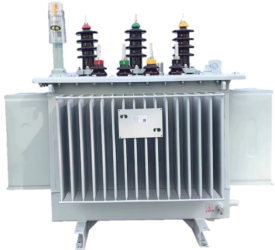
Oil-immersed Amorphous Alloy Core Distribution Transformer
Pinggao Group Smart Electric Co., Ltd.
Perfluorinated Ionic Membrane-CM-10N Series Membrane
Guizhou Juneng Century Technology Co., Ltd